How Do I Add Apps on My Toyota Car the Easy Way Today
Adding apps to your Toyota car is easier than you think, and it can transform your driving experience with music, navigation, and entertainment right at your fingertips. Whether you have a Toyota with the Entune system or the latest multimedia setup, our guide walks you through every method step by step. You will learn how to connect your phone, download apps, and get the most from your Toyota’s smart features today.
Have you ever sat in your Toyota and thought, “I wish I could add more apps to my car”? You are not alone. Many Toyota owners want to get more out of their vehicle’s infotainment system but feel confused about where to start. The good news is that adding apps to your Toyota car is much simpler than most people think. Whether you drive a newer model with touchscreen capabilities or an older version with a basic system, there is a way to expand your app options today.
In this guide, we will walk you through every method step by step. We will cover USB connections, wireless options, smartphone mirroring, and the Toyota App Suite. By the end, you will know exactly how do I add apps on my Toyota car and feel confident doing it yourself. Let us dive in and unlock the full potential of your Toyota’s smart features.
Key Takeaways
- Multiple Methods Available: You can add apps via USB, Bluetooth, wireless connection, or the Toyota App Suite depending on your model year.
- Toyota Entune and App Suite Are Key: Understanding your specific infotainment platform helps you choose the right apps and connection method.
- Apple CarPlay and Android Auto Are Game Changers: These smartphone-mirroring features give you access to thousands of apps directly on your Toyota touchscreen.
- USB Connection Is the Most Reliable: For older Toyota models, a USB drive remains the simplest way to install and run apps.
- Wireless Options Are Growing: Newer Toyota models support wireless app downloads and updates without cables.
- Common Mistakes Are Easy to Avoid: Using the right file format, keeping your software updated, and following Toyota’s guidelines prevents most problems.
- Top Apps Boost Your Driving Experience: From Spotify and Pandora to Google Maps and weather apps, the right additions make every trip better.
📑 Table of Contents
- Understanding Your Toyota Infotainment System
- How to Add Apps on Your Toyota Car Step by Step
- Top Apps You Can Add to Your Toyota
- Toyota Entune vs Toyota App Suite: What Is the Difference?
- Wireless vs USB: Which Method Works Best?
- Common Problems and How to Fix Them
- Tips to Get the Most Out of Your Toyota Apps
- Conclusion
Understanding Your Toyota Infotainment System
Before you add any apps, it helps to understand what system your Toyota uses. Different model years and trim levels come with different technology platforms. Knowing your setup makes the whole process much smoother.
What Is Toyota Entune?
Toyota Entune is the older infotainment platform found in many Toyota models from roughly 2011 to 2018. It offers basic radio, Bluetooth phone streaming, and a few built-in apps. Entune systems often use a smaller touchscreen or a display controlled by a knob. Adding apps to Entune usually requires a USB connection or a compatible smartphone integration. Some Entune versions support App Suite, which lets you browse and download apps through your car’s display.
What Is Toyota Multimedia System?
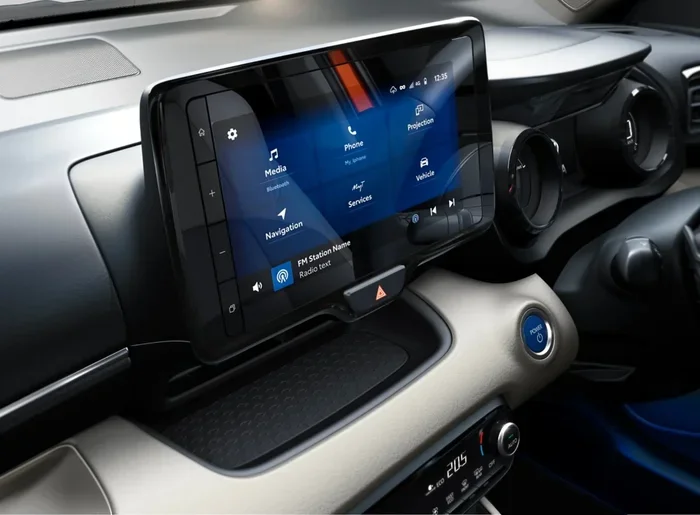
Newer Toyota models, especially those from 2018 onward, come with the updated Toyota Multimedia system. These systems feature larger touchscreens, faster processors, and better connectivity. They often support Apple CarPlay and Android Auto, which open up a whole world of apps from your phone directly on your car’s display. The Multimedia system also supports wireless connections in many models, making app access even easier.
What Is Toyota App Suite?
Toyota App Suite is a dedicated platform that lets you browse, download, and manage apps right from your car. It works with Entune and some Multimedia systems. Through App Suite, you can access music apps, navigation tools, and news services. Toyota App Suite connects to your smartphone and pulls content directly to your car’s screen, so you do not need to fiddle with cables for every update.
Quick Tip
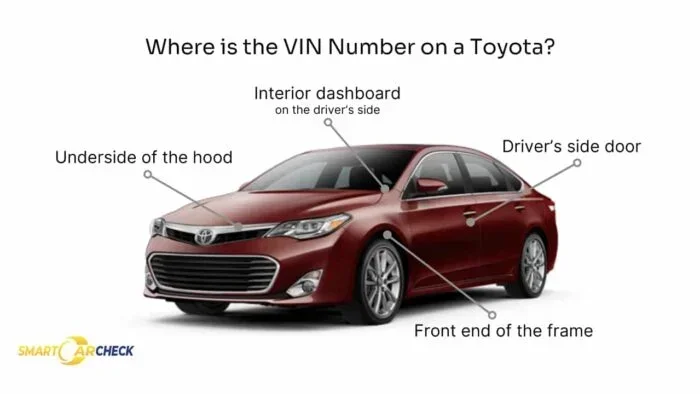
Check your owner’s manual or visit the Toyota website and enter your VIN to find out exactly which infotainment system your car has. This one step saves a lot of guesswork later.
How to Add Apps on Your Toyota Car Step by Step
Now that you know your system, let us get into the actual process. Here is a clear breakdown of the main ways to add apps to your Toyota car.
Method 1: Using a USB Drive
The USB method works well for older Toyota models, especially those with Entune or App Suite. Here is how it works:
- Check your Toyota’s manual for the supported file format. Most systems use SD cards or USB drives formatted as FAT32.
- Plug a USB drive or SD card into your computer.
- Go to the Toyota App Suite website on your phone or computer and browse available apps.
- Download the app files you want to the USB drive.
- Insert the USB drive into your Toyota’s USB port.
- On your car’s screen, navigate to the App Suite or media section.
- Select the app you want to install and follow the on-screen prompts.
- Wait for the installation to complete, then launch the app from your car’s menu.
Method 2: Connecting Through Apple CarPlay or Android Auto
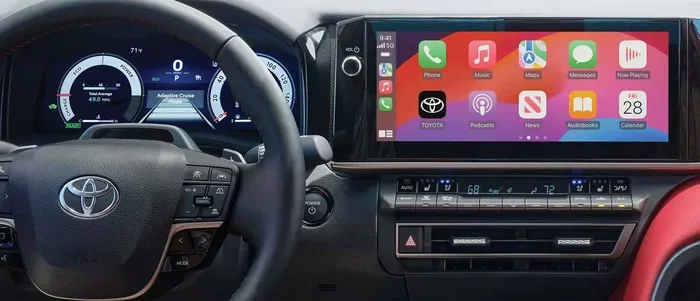
If your Toyota supports Apple CarPlay or Android Auto, you have access to thousands of apps right away. This is one of the easiest ways to add apps on my Toyota car for newer models.
- Make sure your iPhone or Android phone is compatible with CarPlay or Android Auto.
- Connect your phone to your Toyota using a USB cable or wirelessly if your model supports it.
- On your car’s screen, select the CarPlay or Android Auto icon.
- Your phone’s app library will appear on the car display.
- Tap any app you want to use, such as Spotify, Google Maps, or a podcast app.
- Some apps may need to be downloaded or updated on your phone first before they appear in the car.
Method 3: Using Bluetooth for Audio and Streaming Apps
Bluetooth is great for streaming music and audio apps. While you cannot install full apps through Bluetooth alone, you can stream content from your phone to your Toyota’s audio system.
- Pair your phone with your Toyota via Bluetooth in the car’s settings menu.
- Open a music app on your phone, such as Pandora or Spotify.
- The audio will play through your car’s speakers.
- Use the car’s steering wheel controls to pause, skip, or adjust volume.
Method 4: Wireless App Downloads on Newer Models
The latest Toyota models with the Multimedia system allow wireless app downloads. If your car has Wi-Fi capability:
- Go to your car’s Settings menu and connect to a Wi-Fi network.
- Open the App Store or App Suite on your car’s display.
- Browse available apps and tap “Download” on the ones you want.
- Once downloaded, the apps appear on your home screen and are ready to use.
Quick Tip
Always update your Toyota’s infotainment software before adding new apps. Updates fix bugs and improve compatibility with the latest apps.
Top Apps You Can Add to Your Toyota
Not sure which apps to add first? Here are some of the best options that work well with Toyota infotainment systems.
Music and Streaming Apps
- Spotify: Stream millions of songs and podcasts through your car’s speakers. Works with both Apple CarPlay and Android Auto.
- Pandora: Create personalized radio stations and enjoy ad-supported or premium streaming.
- Amazon Music: Access your Amazon Music library or try Amazon Music Unlimited directly from your Toyota.
- iHeartRadio: Listen to live radio stations, custom stations, and podcasts for free.
Navigation and Maps Apps
- Google Maps: Get real-time traffic updates, alternate routes, and street-level views on your Toyota screen.
- Waze: A community-driven navigation app that alerts you to traffic jams, accidents, and speed traps.
- Apple Maps: Works seamlessly with CarPlay and offers Siri integration for hands-free directions.
Communication and Messaging Apps
- WhatsApp: Read and send messages through voice commands while keeping your eyes on the road.
- Spotify and Podcasts: Stay entertained on long drives with your favorite shows and audio content.
Utility and Lifestyle Apps
- Weather Apps: Check forecasts before you head out. CarPlay and Android Auto offer built-in weather widgets.
- Fuel Apps: Apps like GasBuddy help you find the cheapest fuel near your location.
- Parking Apps: Find and pay for parking spots in busy cities through apps like ParkWhiz or SpotHero.
Quick Tip
Start with a music app and a navigation app. These two categories give you the most daily value and are the easiest to set up.
Toyota Entune vs Toyota App Suite: What Is the Difference?
Many Toyota owners confuse Entune and App Suite because they work together closely. Understanding the difference helps you choose the right approach for adding apps to your Toyota car.
| Feature | Toyota Entune | Toyota App Suite |
|---|---|---|
| Release Period | 2011 – 2018 (older models) | 2014 – present (varies by model) |
| App Downloading | Limited, mostly via USB | Direct download through car display |
| Screen Size | Smaller, non-touch or basic touch | Larger touchscreen on newer models |
| Wireless Support | No wireless app downloads | Wireless on compatible Multimedia models |
| CarPlay / Android Auto | Not supported | Supported on 2018+ models |
| App Selection | Fewer built-in apps | Wider range including music, news, and navigation |
If you have an older Toyota with Entune, your best bet is to use Apple CarPlay or Android Auto through a compatible phone. If your Toyota has App Suite, you can browse and download apps directly on the car screen. For most owners asking how do I add apps on my Toyota car, the answer depends on which platform your car uses.
Wireless vs USB: Which Method Works Best?
Choosing between wireless and USB connections can feel confusing. Both methods have clear strengths depending on your Toyota model and what you want to do.
When to Use USB
- Your Toyota model does not support wireless CarPlay or Android Auto.
- You want the most stable and reliable connection for app streaming.
- You are installing apps from a USB drive on an older Entune system.
- You need faster data transfer for downloading larger apps.
When to Use Wireless
- Your Toyota supports wireless Apple CarPlay or Android Auto.
- You want the convenience of not plugging in a cable every time you drive.
- Your car has built-in Wi-Fi for direct app downloads on the touchscreen.
- You prefer a cleaner dashboard without cables hanging around.
Expert Insight
Wireless connections are the future of Toyota infotainment. If your model supports it, wireless is the easiest and cleanest way to add apps to your Toyota car. However, USB remains the most reliable option for older models and for situations where you need a guaranteed stable connection.
Common Problems and How to Fix Them
Sometimes things do not go smoothly when you are adding apps. Here are the most common issues and how to solve them quickly.
App Not Showing Up on the Screen
If you downloaded an app but it does not appear on your Toyota’s display, try these steps. First, make sure the app file is in the correct format. Most Toyota systems need apps in specific formats like .apk for Android or compatible iOS formats. Second, try unplugging and replugging your USB drive. Third, restart your car’s infotainment system by holding the power button for 10 seconds. Often a simple restart fixes the issue.
App Crashes or Freezes
App crashes happen when the infotainment system runs out of memory or when the app version is outdated. Clear the cache on your car’s system if the option is available. Delete apps you no longer use to free up space. Make sure your phone’s apps are updated to the latest version if you are using CarPlay or Android Auto.
Connection Keeps Dropping
Bluetooth or USB connection drops can be frustrating. For Bluetooth, delete the old pairing and reconnect your phone. For USB, try a different cable or a different USB port in your car. Make sure your phone is not in battery saver mode, as this can interrupt connections.
Quick Tip
Keep a spare USB cable in your glove box. Cables wear out over time and a faulty cable is the number one cause of connection problems.
Tips to Get the Most Out of Your Toyota Apps
Once you have successfully added apps to your Toyota car, a few smart habits will keep everything running smoothly.
- Update Your Apps Regularly: Just like your phone, car apps need updates for new features and security patches. Check for updates monthly.
- Organize Your Home Screen: Pin your most-used apps to the home screen or favorites list for quick access while driving.
- Use Voice Commands: Most Toyota systems support voice control for apps. Use Siri, Google Assistant, or the car’s built-in voice commands to keep your hands on the wheel.
- Manage Storage Space: Delete apps you no longer use to keep your system fast and responsive.
- Set Up Parental Controls: If you share your car with young drivers, use app restrictions to limit access to certain features while the car is in motion.
Expert Insight
Toyota continues to improve its infotainment systems with each new model year. The company is investing heavily in smart connectivity and app integration, which means the app options available today will only grow in the future. Staying up to date with software updates ensures you always have access to the latest features.
Conclusion
Adding apps to your Toyota car opens up a world of convenience, entertainment, and safety on every drive. Whether you use a USB drive, Apple CarPlay, Android Auto, or Toyota’s built-in App Suite, the process is straightforward once you know your system. Now you know exactly how do I add apps on my Toyota car, and you have all the tools to get started today.
Start with one or two apps that match your daily needs, like a music app and a navigation tool. Gradually explore more options as you get comfortable with your system. The key is to keep your software updated, use reliable connections, and enjoy the enhanced driving experience that apps bring to your Toyota.
Your Toyota is more than just a car. It is a smart, connected platform that can do so much more than you might think. Take a few minutes today to add your first app and feel the difference on your next drive.
Frequently Asked Questions
Can I add apps to any Toyota model?
Most Toyota models support some form of app integration, but the method depends on your infotainment system. Newer models with Apple CarPlay or Android Auto offer the widest app selection. Older models with Entune may be limited to USB-based app installation or Bluetooth streaming.
Do I need an internet connection to add apps?
It depends on the method. For wireless downloads directly on your car’s screen, you need Wi-Fi. For USB installations, you only need internet access when downloading the app files to your computer or phone beforehand. Bluetooth streaming does not require a separate internet connection if you already have a data plan on your phone.
Are the apps free to download on Toyota systems?
Many apps are free, especially music streaming and radio apps like Spotify, Pandora, and iHeartRadio. Some navigation apps may require a subscription for premium features. Always check the app details before downloading to understand any costs involved.
Will adding apps drain my car battery?
Using apps while the engine is running has minimal impact on your battery. However, if you leave apps running with the engine off, it can drain your battery over time. Always turn off apps and disconnect your phone when the car is parked for long periods.
What file format do I need for USB app installation?
Most Toyota systems require USB drives formatted as FAT32. App files should be in compatible formats, typically .apk for Android-based apps. Check your Toyota owner’s manual or the Toyota App Suite website for the exact file requirements for your specific model.
Can I use apps while driving safely?
Yes, but with precautions. Apple CarPlay and Android Auto are designed for safe driving with voice commands and simplified interfaces. Avoid tapping the screen while the car is in motion. Use steering wheel controls or voice commands to interact with apps hands-free.