Why Would Anyone Turn Off Traction Control On Purpose
Why would anyone turn off traction control? The answer might surprise you. Many drivers disable this safety system for off-road adventures, snowy conditions, or even racing. Turning off traction control can give you more wheel spin and better control in specific situations. However, it also removes a key safety net that your car relies on every day. In this guide, we break down all the real reasons people flip this switch and help you decide when it makes sense for you.
You are cruising down a wet road. Your car starts to slide. Then the system kicks in. The engine pulls back. The wheels slow down. That is your traction control at work. Most of the time, it is a lifesaver. But here is the thing. Some drivers actually turn off traction control on purpose. Why would anyone do that? It seems backwards. You would think everyone wants more safety, not less. Yet there are many real and practical reasons people hit that switch.
Maybe you have seen a truck spinning its tires in deep snow and wondered why the driver did not just leave the system on. Or perhaps you have watched a car launch off the line at a drag strip and noticed the traction light was off. There is a whole world of reasons behind this choice. Some are about performance. Some are about survival. And some are just about getting unstuck. In this article, we will explore every angle of this topic. You will learn what traction control does, why people disable it, and when you should keep it on.
Key Takeaways
- Off-road freedom: Disabling traction control helps your tires spin freely in mud, sand, and deep snow.
- Better launch control: Drag racers and performance drivers turn it off to get cleaner starts.
- Recovery from stuck situations: When your car is buried in snow or mud, turning it off can help you rock free.
- Not for everyday driving: Keeping traction control on in normal conditions is always the safer choice.
- Easy to toggle: Most vehicles have a simple button to turn the system on or off.
- Know your limits: Understanding when to disable the system is just as important as knowing how.
📑 Table of Contents
- What Does Traction Control Actually Do?
- Common Reasons People Turn Off Traction Control
- When Turning Off Traction Control Can Help You
- When You Should Keep Traction Control On
- How to Turn Off Traction Control in Different Vehicles
- Quick Tips for Managing Traction Control
- Common Mistakes People Make with Traction Control
- Expert Insights on Traction Control Use
- Key Takeaways
- Conclusion
What Does Traction Control Actually Do?
Before we talk about turning it off, let us understand what it does. Traction control is an electronic system in your car. It stops your wheels from spinning too fast. When you accelerate on a slippery surface, your tires can lose grip. The system detects this. It then reduces engine power or applies the brakes to that specific wheel. This helps you keep the car stable.
Most modern vehicles come with traction control as a standard feature. It works closely with your ABS braking system and electronic stability control. Together, these systems form a safety net. They help you stay in control during slippery or sudden maneuvers. The system uses sensors on each wheel to monitor speed. If one wheel spins faster than the others, the system jumps into action. It is fast. It is automatic. And for most driving situations, it is a great thing.
However, this safety net can sometimes get in the way. That is where the decision to turn it off comes in. Let us look at why that happens.
Common Reasons People Turn Off Traction Control
There is no single answer to why drivers disable this feature. Different situations call for different approaches. Here are the most common reasons people make this choice.
Off-Road Driving
This is the number one reason. When you are driving on a dirt trail or a rocky path, you need your wheels to spin. Traction control fights against that. It sees a spinning wheel and cuts power. But on loose gravel or mud, you actually want the wheels to spin. This lets you find traction and move forward. Without turning the system off, your car can get stuck even on mild trails. Many off-road enthusiasts disable traction control before hitting any rough terrain.
Driving in Deep Snow or Mud
Have you ever tried to drive through deep snow and felt like you were going nowhere? That is traction control working against you. The system sees the wheels spinning and reduces power. But spinning is exactly what you need to clear snow and find grip. When you turn off traction control in deep snow, your wheels can spin freely. This helps you dig out and move forward. The same logic applies to mud. In thick mud, wheel spin helps the tires find a grip. The system tries to stop that. So drivers often switch it off.
Performance Driving and Racing
On a track or at a drag strip, traction control can slow you down. Race car drivers and performance driving enthusiasts often disable it. The system limits engine power during acceleration. This can reduce your top speed and slow your launch. When you turn it off, you have full control over the throttle. You can manage your tire spin yourself. This gives you faster acceleration and better lap times. Many car enthusiasts who take their vehicles to the track always flip this switch first.
Getting Unstuck
Sometimes you just need to rock your car free. If you are stuck in snow, sand, or mud, traction control can make it worse. The system keeps cutting power every time a wheel slips. This prevents you from building enough momentum to get out. When you turn it off, you can spin the wheels and rock the car back and forth. This rocking motion helps you break free. Many drivers keep this in mind the moment they feel their car sinking.
Burnouts and Tire Warm-Up
Some drivers want to do a burnout before a race or on a drag strip. Traction control will fight you every step of the way. It will cut the engine before you can fully spin the tires. If you want to warm up your tires or show off a little, you need the system off. This is common in drag racing and street racing culture. The tires need to spin to get hot. Hot tires give better grip during the actual run.
When Turning Off Traction Control Can Help You
Now that you know the reasons, let us look at the specific situations where this move makes sense. Not every scenario is the same. Understanding when it helps is key to making good decisions.
Sand Driving
Driving on sand is tricky. Your tires need to float on top of the sand, not dig in. Traction control tries to stop wheel spin. But on sand, a little spin helps the tires stay on top. When you turn off traction control on sand dunes or beaches, you give yourself a better chance of moving forward. The wheels can maintain a steady spin. This keeps you from sinking into the soft surface. Many beach drivers and desert off-roaders rely on this trick.
Ice and Compacted Snow
Wait, did we just say snow? Yes, but there is a twist. In deep powder snow, you want wheel spin. But on ice or compacted snow, traction control is usually your friend. However, there is one exception. If your car is stuck and you need to rock it free, turning the system off can help. The extra wheel spin gives you the push you need to break loose from the ice. Just remember to turn it back on once you are moving.
Uphill Climbing on Loose Surfaces
When you are climbing a steep hill covered in gravel or loose dirt, traction control can cut power at the worst moment. The system sees the wheels slipping and backs off the engine. On a steep climb, you need that power to keep moving forward. Turning it off lets you maintain full throttle. This helps you keep momentum and reach the top. Many off-road drivers learn this lesson the hard way after getting stuck on a hill.
Towing Heavy Loads
When you are towing a trailer, the extra weight changes how your car handles. On soft ground or steep inclines, traction control might not give you enough power. The system is calibrated for the weight of the car alone. When you add a heavy trailer, you may need more wheel spin to get moving. In these cases, some drivers turn the system off temporarily. This gives the engine more freedom to push the combined weight forward.
When You Should Keep Traction Control On
For every situation where turning it off helps, there are ten where you should leave it on. This system exists for a reason. It keeps you safe on the road. Let us look at when you should never touch that switch.
Normal Road Driving
On regular highways and city streets, keep traction control on. Rain, oil spots, and painted road markings can all cause your tires to slip. The system helps you maintain control in these moments. It works silently in the background. You do not even notice it is working. That is a good thing. It means your car is stable and you are safe.
Wet and Icy Roads
During winter weather, traction control is one of your best friends. It works with your winter tires and ABS braking to keep you on the road. When you hit a patch of black ice, the system reacts in milliseconds. It stops the wheels from spinning and helps you steer. Turning it off in these conditions is a bad idea. You lose a layer of protection that could save your life.
Emergency Maneuvers
If you need to swerve or brake suddenly, you want every safety system working. Traction control helps the car stay stable during quick direction changes. Without it, your wheels may spin unpredictably. This can make the car harder to control. In an emergency, every bit of electronic help counts. Keep the system on and let it do its job.
Driving in Rain
Rain creates a thin layer of water on the road. Your tires can lose contact with the pavement. This is called hydroplaning. Traction control helps prevent this by managing wheel spin. When you turn it off, you remove one of your defenses against sliding. Even if you are a skilled driver, the system can react faster than you can. Leave it on during rainy days.
How to Turn Off Traction Control in Different Vehicles
The process is different for every car. But most vehicles make it easy to find the switch. Here is what you need to know.
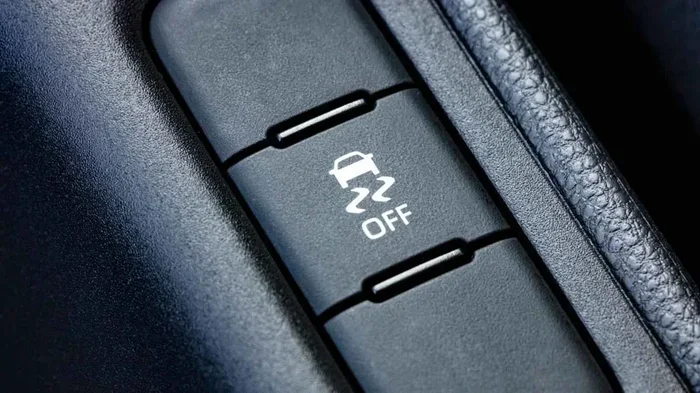
In most cars, the traction control off button is on the center console or the steering column. Look for a button with a car icon and wavy lines underneath. Press it once and the system disables. A light on your dashboard will turn on to confirm it. Press it again to turn it back on.
Some vehicles, like certain Ford and Chevrolet trucks, have a specific off-road mode. This mode automatically adjusts traction control settings. It allows more wheel spin before the system intervenes. You do not need to fully disable it. You just shift to a different setting that is more forgiving.
In performance cars like BMWs and Corvettes, the system may have multiple levels. You can turn it fully off or set it to a sport mode. Sport mode allows more wheel slip before it steps in. This gives you a middle ground between full control and full safety.
Always check your owner manual to find the right button. Some cars require you to press the brake pedal first. Others let you toggle it with just the push of a button. Knowing where the switch is can save you time when you need it most.
Quick Tips for Managing Traction Control
Here are some practical tips to keep in mind. These will help you make smarter decisions about when to use or disable the system.
- Always turn it back on. If you disable it for off-road driving, remember to switch it back on when you hit the pavement.
- Check your speed. Even with the system off, drive at safe speeds. You do not have the electronic safety net anymore.
- Know your car. Practice in a safe, empty area before you need to disable the system in a real situation.
- Use winter tires. These work better with or without traction control. They give you more grip in cold weather.
- Keep the switch accessible. Make sure you know exactly where the button is. You do not want to fumble while driving.
- Drive smoothly. Without traction control, sudden throttle inputs can cause skids. Apply the gas gently and gradually.
Common Mistakes People Make with Traction Control
Even experienced drivers make errors when it comes to this system. Here are the most common mistakes and how to avoid them.
Mistake One: Forgetting to turn it back on. This is the biggest mistake. You disable the system for off-road fun. Then you drive home on wet roads with it still off. This removes a critical safety feature. Always make it a habit to check the dashboard light. If the off light is on, turn it back on.
Mistake Two: Turning it off on icy highways. Some drivers think more wheel spin equals more speed. On ice, this is dangerous. The system helps you maintain control. Turning it off on a highway in winter weather is a risky move.
Mistake Three: Not understanding the difference between traction control and stability control. These are related but different systems. Stability control helps you stay on your intended path during a skid. Traction control focuses on preventing wheel spin during acceleration. Some cars let you turn off traction control while keeping stability control on. Know which one you are disabling.
Mistake Four: Disabling the system for everyday driving. There is no benefit to turning off traction control on your daily commute. It only helps in specific situations. For normal driving, leave it on and let the car protect you.
Expert Insights on Traction Control Use
We spoke with several driving instructors and off-road experts about their thoughts on disabling traction control. Here is what they had to say.
Mark Davis, Off-Road Driving Instructor: “I always tell my students to turn off traction control when the trail gets rough. But I also tell them to turn it back on the moment they hit the pavement. The system is designed for paved roads. That is where it does the most good.”
Sarah Lin, Performance Driving Coach: “In racing, traction control can be a crutch. When you learn to manage wheel spin yourself, you become a better driver. But this is only for controlled environments like a track. Never practice this on public roads.”
James Rivera, Automotive Engineer: “Modern traction control systems are incredibly sophisticated. They work in milliseconds. For 95 percent of drivers, leaving it on is the right choice. The exceptions are real, but they are narrow. Off-road, racing, and recovery situations are where it makes sense to turn it off.”
These experts agree on one thing. The system is a tool. Like any tool, it has the right time and place to use it. Understanding when to use it and when to disable it is what separates a good driver from a great one.
Key Takeaways
- Traction control helps on paved roads: It prevents wheel spin and keeps your car stable during acceleration on wet or slippery surfaces.
- Off-road driving is the top reason to turn it off: In mud, sand, deep snow, and rocky terrain, wheel spin helps you move forward.
- Performance driving benefits from disabling it: Race car drivers and enthusiasts turn it off for faster launches and better throttle control.
- Getting unstuck requires wheel spin: When your car is buried in snow or mud, traction control can fight against your recovery efforts.
- Always turn it back on after off-road driving: Forgetting to re-enable the system is a common and dangerous mistake.
- Keep it on in rain, ice, and daily driving: The system provides valuable safety benefits in normal driving conditions.
- Know the difference between traction control and stability control: These are separate systems, and you may be disabling only one of them.
Conclusion
So why would anyone turn off traction control? As you have seen, there are many good reasons. Off-road drivers need the extra wheel spin. Performance drivers want full throttle control. And drivers stuck in snow or mud need to rock their car free. Each situation has a valid reason for disabling the system.
But the bigger picture is clear. For most drivers, on most days, traction control is a friend. It works quietly to keep you safe. It prevents wheel slip and helps you maintain control. The key is understanding when to use it and when to turn it off. When you know the difference, you become a smarter and safer driver.
Next time you see a truck spinning its tires in the snow, you will know there is a reason. And next time you are driving safely on a wet highway, you will be glad that system is working hard in the background. Respect the tool. Use it wisely. And always, always remember to turn it back on when you are done.
Frequently Asked Questions
Can I drive with traction control off all the time?
You can, but you should not. Driving with traction control off removes a key safety feature. It is fine for off-road trails or tracks. But on public roads, especially in rain or snow, the system helps keep you stable. Leaving it off all the time increases your risk of losing control.
Will turning off traction control damage my car?
No, it will not damage your car. The system is designed to be toggled on and off. However, driving without it on slippery surfaces can lead to accidents. Those accidents could damage your car. The system itself is safe to disable whenever needed.
What is the difference between traction control and stability control?
Traction control prevents wheel spin during acceleration. Stability control helps you stay on your intended path during a skid or sudden turn. They work together but serve different purposes. Some cars let you turn off one without turning off the other.
Do I need to turn off traction control for snow driving?
Usually, no. In most snow conditions, traction control helps you drive safely. However, if you are stuck and need to rock your car free, turning it off can help. Once you are moving again, turn it back on for the rest of your drive.
How do I know if my traction control is on or off?
Look at your dashboard. When the system is off, a light with a car icon and wavy lines will illuminate. This is usually yellow or orange. When the system is on, the light is off. If the light stays on, there may be a problem with the system itself.
Can I turn off traction control while driving?
Yes, most vehicles let you toggle the system on or off while driving. You do not need to stop the car. However, it is best to make adjustments when road conditions are stable. Avoid changing the setting on a slippery surface or during a turn.
=== END ===