How Do I Turn Off the Tire Pressure Light For Good
The tire pressure light can be frustrating, but understanding why it comes on and how to address the root cause is the key to turning it off for good. This guide walks you through every method, from simple resets to sensor replacements, so you can fix the problem confidently at home or know when to visit a mechanic. By the end, you will have a clear roadmap to keep your tire pressure light off and your vehicle running safely.
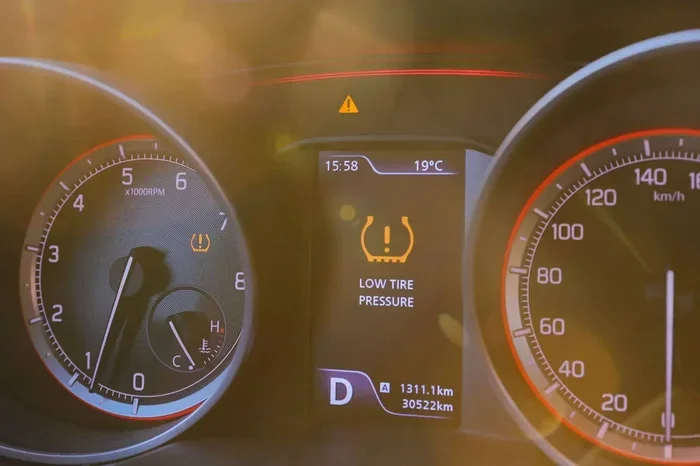
That little yellow warning light shaped like a horseshoe with an exclamation mark can send anyone into a panic. You are driving along, minding your own business, and suddenly your dashboard lights up with a tire pressure warning. It is one of the most common alerts drivers see, yet it is also one of the most misunderstood. The good news is that turning off the tire pressure light is usually straightforward once you know what is causing it.
Whether you have a flat tire, a faulty sensor, or simply need to reset the system after checking your air pressure, this guide covers everything you need. We will walk you through the reasons the light comes on, the exact steps to turn it off, and how to prevent it from returning. By the time you finish reading, you will feel confident handling this issue yourself.
Key Takeaways
- Know the cause first: Always check actual tire pressure before trying to reset the light.
- Reset methods vary by vehicle: Some cars need a dashboard button, while others require a scan tool.
- Replace sensor batteries when needed: Most TPMS sensors last 5-10 years before the battery dies.
- Prevent recurrence with routine checks: Monthly tire pressure checks keep the light from returning.
- Do not ignore the light: Driving on underinflated tires is dangerous and wastes fuel.
- Common mistakes make the problem worse: Avoid resetting without fixing the real issue.
📑 Table of Contents
- What Is the Tire Pressure Light and Why Does It Matter
- Common Reasons the Tire Pressure Light Comes On
- How to Turn Off the Tire Pressure Light Step by Step
- When You Should Visit a Professional Mechanic
- Preventing the Tire Pressure Light from Returning
- Quick Tips and Common Mistakes to Avoid
- Expert Insights on Tire Pressure Maintenance
- Conclusion
What Is the Tire Pressure Light and Why Does It Matter
The tire pressure monitoring system, commonly called TPMS, is a safety feature built into modern vehicles. It uses small sensors inside each tire or mounted on the valve stems to monitor the air level in real time. When the system detects that pressure has dropped below a safe threshold, it triggers the dashboard warning. This is not just a cosmetic nuisance. Driving on underinflated tires can lead to blowouts, poor handling, and uneven tire wear.
There are two types of TPMS systems. Direct TPMS uses physical sensors inside each tire to measure pressure. Indirect TPMS uses the wheel speed sensors from your ABS system to detect differences in tire size caused by low pressure. Both systems serve the same purpose, but they work differently. Understanding which type your vehicle has helps you troubleshoot more effectively.
The tire pressure light typically looks like a cross-section of a tire with an exclamation point in the center. Sometimes it may appear as “TPMS” in text form. When the light is solid, it usually means one or more tires are significantly underinflated. When it flashes, the issue may be a malfunction in the monitoring system itself. Either way, you should address it promptly.
Why Ignoring the Light Is Dangerous
Some drivers get used to seeing the tire pressure warning and simply ignore it. This is a serious mistake. Underinflated tires reduce your vehicle’s grip on the road, especially in wet or icy conditions. They also cause your engine to work harder, which lowers fuel economy. Over time, driving on soft tires damages the sidewalls and can lead to catastrophic tire failure at highway speeds. The light exists to protect you, so treat it with respect.
Common Reasons the Tire Pressure Light Comes On
Before you try to reset anything, it is essential to understand what triggered the tire pressure light in the first place. The cause determines the best fix. Here are the most common reasons the light appears on your dashboard.
Low Air Pressure in One or More Tires
This is the number one reason. A slow leak from a nail, a cracked valve stem, or even a tiny puncture can cause pressure to drop over time. Temperature changes also play a big role. Cold weather causes air inside tires to contract, which can trigger the light even if there is no leak. A simple tire pressure gauge check takes two minutes and solves this problem instantly.
Faulty or Dead TPMS Sensor Battery
Each TPMS sensor has a small battery that typically lasts between five and ten years. When the battery dies, the sensor cannot communicate with the car’s computer, and the TPMS light stays on. This is common in older vehicles or those with higher mileage. Replacing the sensor battery or the entire sensor unit usually fixes the issue.
Recent Tire or Wheel Service
If you just had a tire rotated, replaced, or repaired, the system may need recalibration. Removing a tire from the rim can sometimes unseat the sensor, causing a temporary communication loss. In these cases, a simple tire pressure reset after confirming all pressures are correct should clear the light.
Temperature and Weather Changes
Seasonal temperature swings are a sneaky culprit. A sudden drop in temperature can lower tire pressure by one to two PSI for every ten-degree drop. This is why many drivers notice the tire pressure warning in early winter or during cold snaps. Adding a bit of air usually resolves it, followed by a reset.
System Malfunction or Electrical Issue
Sometimes the problem is not the tires at all. A wiring issue, a blown fuse, or a software glitch in the car’s computer can cause the light to come on erroneously. If all your tires are properly inflated and the light persists, a malfunction in the tire pressure monitoring system itself is likely the cause.
How to Turn Off the Tire Pressure Light Step by Step
Now that you understand the common causes, let us get into the actual steps for turning off the tire pressure light. The process varies slightly depending on your vehicle make and model, but the general approach is the same across most cars, trucks, and SUVs.
Step One: Check All Tire Pressures
Do not skip this step. Before you do anything else, grab a reliable tire pressure gauge and check every tire, including the spare. Look for the recommended pressure on the sticker inside the driver’s door frame or in your owner’s manual. Compare the readings to the recommended numbers. If any tire is low, inflate it to the proper level using an air compressor or a visit to a gas station air pump.
After inflating, drive the vehicle for a few minutes at moderate speed. In many cases, the system will automatically detect the corrected pressure and turn off the tire pressure light on its own. Give it a short drive before moving to the next step.
Step Two: Locate the TPMS Reset Button
Many vehicles have a dedicated TPMS reset button. It is usually located beneath the steering column, near the gear shift, or on the left side of the dashboard. Check your owner’s manual to find the exact location. Some vehicles use a small pinhole button that you press with a key or a pen tip.
Once you find the button, turn the ignition to the “on” position without starting the engine. Press and hold the reset button until the tire pressure light on the dashboard blinks three times. Release the button and start the engine. The light should turn off within a few minutes as the system recalibrates.
Step Three: Use the Vehicle’s Infotainment System
Newer vehicles often allow you to reset the TPMS through the infotainment screen. Navigate to the settings menu and look for a section labeled “Vehicle Settings,” “Maintenance,” or “Tire Pressure.” From there, you should find an option to reset tire pressure monitoring system or recalibrate the sensors. Follow the on-screen prompts to complete the process.
Step Four: Disconnect the Battery
If the above methods do not work, disconnecting the car battery for about 15 minutes can reset the entire electrical system, including the TPMS. Turn off the engine, remove the negative battery cable with a wrench, wait 15 minutes, and reconnect it. Start the vehicle and check if the tire pressure warning has cleared. This method works well for electrical glitches and sensor communication errors.
Step Five: Use an OBD-II Scanner
For stubborn lights, an OBD-II scanner is your best friend. You can buy a basic scanner for under $30 at most auto parts stores. Plug it into the diagnostic port under the steering wheel, turn the ignition on, and read the error codes. If the code points to a specific tire sensor issue, the scanner can often clear the code and turn off the light. Some advanced scanners also allow you to relearn sensor positions, which is helpful after a tire rotation.
Step Six: Replace the TPMS Sensor
If a sensor battery has died or the sensor itself is damaged, no reset will permanently fix the problem. You will need to replace the sensor. Many tire shops can do this for you, and some aftermarket sensors are designed for easy DIY installation. After replacing the sensor, you will need to relearn its position using either the vehicle’s built-in procedure or a scan tool.
When You Should Visit a Professional Mechanic
While many tire pressure light issues are manageable at home, some situations call for professional help. Knowing when to seek expert assistance saves you time, money, and frustration.
Persistent Light After All Fixes
If you have checked all tire pressures, performed a reset, and the light still does not go away, there may be a deeper electrical or computer issue. A certified mechanic can run a full diagnostic scan and identify problems that basic troubleshooting cannot reveal. Continuing to drive with a persistent TPMS light without knowing the cause is risky.
Multiple Sensors Failing at Once
When more than one sensor triggers a warning simultaneously, the problem is likely not individual tire leaks. It could be a wiring harness issue, a control module failure, or a software problem. These are complex repairs best left to professionals who have the right tools and training.
After Major Tire or Suspension Work
If you have recently installed new tires, replaced suspension components, or had significant wheel work done, the TPMS system may need professional recalibration. Some advanced vehicles require dealer-level equipment to fully reinitialize the monitoring system after major service work.
Flashing Light That Won’t Stop
A flashing tire pressure light usually indicates a system malfunction rather than a pressure issue. This is different from a solid light, which typically means low pressure. A flashing light that does not stop after a reset warrants a trip to the shop. Ignoring it could leave you without tire pressure monitoring altogether, which is a serious safety concern.
Preventing the Tire Pressure Light from Returning
The best way to deal with the tire pressure light is to stop it from coming back in the first place. A few simple habits can keep your TPMS system happy and your tires in great shape.
Check Tire Pressure Monthly
Make it a habit to check all four tires and the spare once a month. Use a quality tire pressure gauge and compare readings to the manufacturer’s recommended levels. This simple routine catches slow leaks early before they trigger the dashboard warning. Keep a gauge in your glove box so you always have one handy.
Check Pressure When Tires Are Cold
For the most accurate reading, check tire pressure in the morning before you drive or at least three hours after driving. Heat from driving increases air pressure inside the tire, giving you a false high reading. Checking when the tires are cold ensures your numbers are accurate and your inflation is correct.
Invest in a Quality Tire Pressure Gauge
The cheap pencil-style gauges at gas stations are often inaccurate. Invest in a digital or dial-type tire pressure gauge for reliable readings. A quality gauge costs around $15 to $25 and pays for itself by helping you maintain proper inflation and avoid unnecessary trips to the gas station.
Keep Valves and Stems in Good Condition
The rubber valve stems on your tires can dry out and crack over time, leading to slow air leaks. Inspect them regularly and replace valve stems when you get new tires. Metal valve cores can also seize up, so a little silicone-based lubricant applied during tire service goes a long way in preventing leaks.
Replace TPMS Sensors on Schedule
Since TPMS sensor batteries typically last 5 to 10 years, plan for replacement around the 5-year mark. Waiting until the battery dies means being stranded with an unexplained tire pressure warning. Proactive replacement keeps the system running smoothly and avoids sudden surprises.
Quick Tips and Common Mistakes to Avoid
Quick Tips for a Smooth Reset
- Always confirm tire pressure is correct before resetting the system.
- Drive at moderate speed for a few minutes after inflating tires before attempting a reset.
- Keep your owner’s manual accessible for model-specific reset procedures.
- Use the same type of TPMS sensor when replacing to ensure compatibility.
- Reset the system after every tire rotation or tire change.
Common Mistakes That Make Things Worse
One of the biggest mistakes is resetting the tire pressure light without actually fixing the underlying problem. The light comes on for a reason, and simply clearing it without addressing the cause leaves you driving on potentially unsafe tires. Another mistake is overinflating tires to compensate for a slow leak. Overinflated tires have a smaller contact patch, which reduces traction and causes uneven wear in the center of the tread.
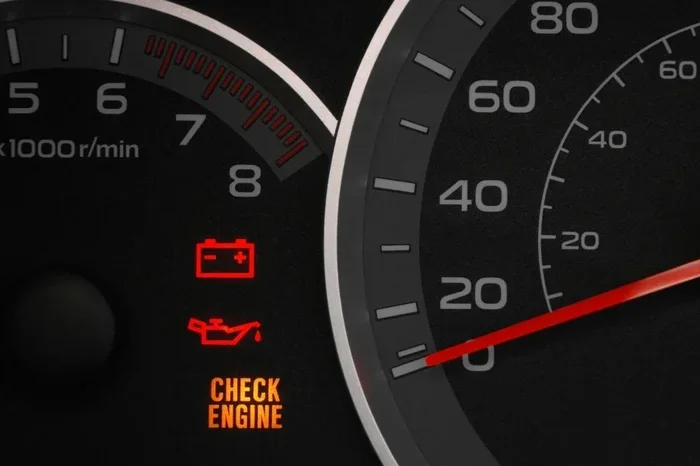
Some drivers also confuse the TPMS light with the check engine light. While both are dashboard warnings, they indicate different systems. A check engine light relates to engine performance and emissions, while the tire pressure light is specifically about tire health. Mixing up the two can lead to unnecessary repairs or missed warnings.
Finally, do not assume the light will go away on its own after a few days. While temperature-related triggers sometimes resolve as the weather warms up, a persistent light almost always signals a real problem that needs attention. Being proactive saves you from more costly repairs down the road.
Expert Insights on Tire Pressure Maintenance
Automotive experts agree that proper tire pressure is one of the simplest yet most overlooked aspects of vehicle maintenance. According to the National Highway Traffic Safety Administration, underinflated tires contribute to thousands of accidents each year. The tire pressure monitoring system is there to help, but it is not a substitute for regular manual checks.
Experienced mechanics recommend keeping a log of tire pressure readings for each season. This helps you spot trends, such as a tire that consistently loses a few PSI over a month, which could indicate a slow leak. Catching these patterns early means you can fix small problems before they become big, expensive ones. It also keeps your tire pressure light from creeping on unexpectedly.
Fuel economy is another reason to stay on top of tire pressure. The Department of Energy estimates that properly inflated tires can improve gas mileage by up to three percent. That may not sound like much, but over a year of driving, it adds up to real savings at the pump. Plus, correctly inflated tires wear evenly, which means you get more miles out of every set of tires you buy.
Conclusion
The tire pressure light is your vehicle’s way of telling you something needs attention. Whether it is a simple low-pressure situation, a dead sensor battery, or a system glitch, the steps in this guide give you everything you need to diagnose and fix the problem. Start by checking your tire pressure with a reliable gauge, then follow the reset procedure that matches your vehicle. If the issue persists, do not hesitate to visit a professional mechanic.
Prevention is the best strategy. Regular monthly checks, timely sensor replacement, and good valve maintenance keep your tires healthy and your dashboard free of annoying warnings. Taking a few minutes each month to care for your tires pays off in safety, fuel savings, and longer tire life. The next time that yellow light pops up, you will know exactly what to do. Stay proactive, stay safe, and keep driving with confidence knowing your tire pressure is right where it should be.
Frequently Asked Questions
Can I drive safely with the tire pressure light on?
It is not recommended. The light means your tire pressure is below a safe level, which can affect handling, braking, and increase the risk of a blowout. Check your tire pressure immediately and inflate to the recommended level before driving long distances.
How much does it cost to replace a TPMS sensor?
Replacement costs typically range from $50 to $100 per sensor for parts alone, with labor adding another $30 to $50 per sensor at a shop. Some aftermarket sensors are more affordable, and DIY installation is possible with the right tools.
Why does my tire pressure light come on in cold weather?
Cold temperatures cause the air inside your tires to contract, lowering the pressure by about one PSI for every ten-degree drop. This can trigger the tire pressure warning even if there is no leak. Simply adding air to reach the recommended PSI usually fixes it.
How do I know if my TPMS sensor battery needs replacing?
Most TPMS sensors have a battery life of 5 to 10 years. When the battery dies, the sensor cannot send data, and the TPMS light stays on. A mechanic can use a diagnostic tool to confirm the battery is dead and replace the sensor if needed.
Will the tire pressure light reset itself after I inflate the tires?
In many vehicles, the light will turn off automatically after driving for a few minutes with corrected pressure. However, some cars require a manual reset using the TPMS button or the infotainment system. Check your owner’s manual for the specific procedure.
What is the difference between the TPMS light and the check engine light?
The tire pressure light specifically monitors tire air pressure and alerts you when pressure is too low or a sensor is malfunctioning. The check engine light relates to engine performance, emissions systems, and other powertrain functions. They are separate systems, though both warrant prompt attention.