How Do You Know If Your Toyota Hybrid Battery Is Dying
A failing Toyota Hybrid Battery shows clear warning signs like reduced fuel economy, dashboard warning lights, and slow engine starts. Ignoring these symptoms can lead to a complete breakdown and costly repairs. This guide covers every sign, cause, and solution to help you act fast and save money.
Your Toyota Hybrid Battery is the heart of your vehicle’s electric system. It works quietly behind the scenes every single day. Most drivers never think about it until something goes wrong. But here is the truth. A dying hybrid battery does not just fail overnight. It sends warning signs along the way. If you know what to look for, you can catch the problem early. This guide walks you through every sign, every cause, and every solution. By the end, you will know exactly what to do.
The Toyota Hybrid Battery is different from a regular car battery. It is a large, rechargeable pack that powers the electric motor. It also captures energy during braking. This process is called regenerative braking. Over time, the battery cells wear down. This is called battery degradation. Some degradation is completely normal. But when it happens too fast, your hybrid battery health drops. And that is when real problems start.
Toyota hybrid vehicles like the Prius, Camry Hybrid, and Highlander Hybrid rely heavily on the hybrid battery pack. These battery modules work together to deliver power smoothly. When one or more modules start to fail, the entire system suffers. You might notice reduced fuel economy, strange noises, or warning lights on the dashboard. Each of these is a clue. And each clue tells a story about what is happening inside your battery.
So how do you know if your Toyota Hybrid Battery is dying? The answer is simpler than you think. There are clear, recognizable signs. Some are subtle. Others are impossible to ignore. This article breaks them all down in plain language. No jargon. No confusing tech talk. Just straightforward advice you can use today.
Key Takeaways
- Warning lights and reduced fuel economy are the earliest signs of a dying Toyota Hybrid Battery.
- Hybrid battery degradation is normal over time, but premature failure often has preventable causes.
- Replacement cost varies widely, but smart maintenance can extend battery life significantly.
- State of charge fluctuations and strange noises point to internal battery module issues.
- Regular Toyota hybrid maintenance and gentle driving habits keep your battery healthy longer.
- Warranty coverage may apply, so always check your Toyota hybrid battery warranty before paying out of pocket.
- Acting early on warning signs saves you from being stranded and from expensive full replacements.
📑 Table of Contents
- Common Signs Your Toyota Hybrid Battery Is Failing
- How Toyota Hybrid Batteries Work and Why They Degrade
- Toyota Hybrid Battery Replacement Cost and Timeline
- Quick Tips to Extend Your Toyota Hybrid Battery Life
- Common Mistakes That Damage Your Hybrid Battery
- When to See a Professional Mechanic
- Final Thoughts on Your Toyota Hybrid Battery Health
Common Signs Your Toyota Hybrid Battery Is Failing
Your car talks to you. It always has. The trick is learning its language. A dying Toyota Hybrid Battery sends multiple signals. Let us go through them one by one.
1. Reduced Fuel Economy
This is often the first sign. You notice you are visiting the gas station more often. Your miles per gallon drop significantly. A healthy hybrid battery helps the gas engine work less. When the battery weakens, the gas engine picks up the slack. This means more fuel burned and more money spent. If your fuel economy drops by 15% or more without a clear reason, your hybrid battery may be the culprit.
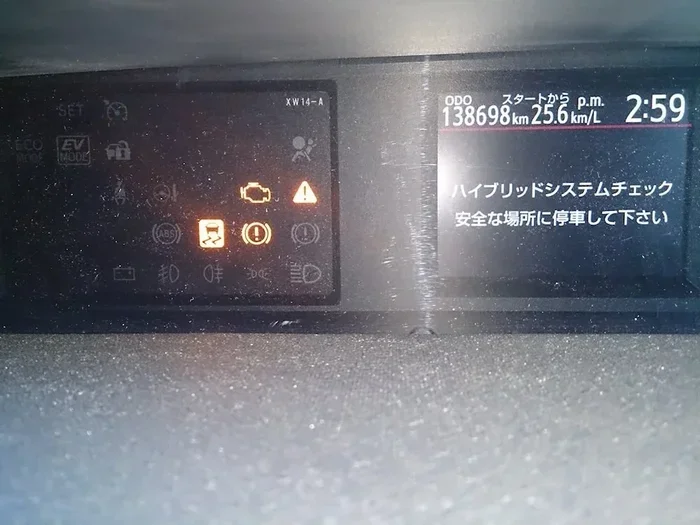
2. Dashboard Warning Lights
Toyota vehicles have a dedicated hybrid warning light. It usually looks like a triangle with an exclamation mark. Sometimes it shows a battery icon. When this light comes on, do not ignore it. It means the hybrid battery management system has detected a problem. The light may flash or stay solid. Either way, it is your car asking for help.
3. Slow or Hesitant Engine Starts
A healthy Toyota Hybrid Battery provides instant power for engine starts. When the battery weakens, you may notice a delay. The engine cranks slowly or takes longer to catch. In some cases, the car barely starts at all. This is especially noticeable in cold weather when the battery is already under stress.
4. Unusual Noises from the Battery Area
Clicking, humming, or whining sounds near the rear seat or trunk area should never be ignored. These noises often come from failing battery modules or the cooling fan working overtime. A healthy hybrid battery operates nearly silently. Any new sound is a red flag.
5. State of Charge Fluctuations
Watch the hybrid battery gauge on your dashboard. A healthy battery maintains a steady charge level. If you see the charge jumping up and down randomly, something is wrong. This is called state of charge instability. It often points to a cell imbalance inside the battery pack. One or more battery modules are not holding their charge properly.
6. Reduced Electric-Only Driving Range
Toyota hybrid models can drive on electric power alone at low speeds. If this range shrinks dramatically, your battery is losing capacity. You might notice the gas engine kicks in sooner than usual. Even at low speeds or in parking lots, the car relies on gas more than electric.
7. The Car Goes into “Limp Mode”
Toyota hybrids have a protective feature called limp mode. When the hybrid battery is severely degraded, the car limits power to protect the drivetrain. You will notice very poor acceleration. The car may feel sluggish and unresponsive. Limp mode is a serious sign. It means the battery has reached a critical state.
How Toyota Hybrid Batteries Work and Why They Degrade
Understanding how your Toyota Hybrid Battery works helps you understand why it fails. The hybrid battery pack contains many individual cells. These cells store and release electrical energy. The battery management system monitors every cell closely. It balances the charge across all modules to keep things running smoothly.
The Role of Regenerative Braking
When you lift your foot off the accelerator or hit the brakes, the electric motor reverses. It becomes a generator. This is regenerative braking. It captures kinetic energy and turns it back into electrical energy. That energy gets stored in the hybrid battery. This process is brilliant. But it also puts repeated charge and discharge cycles on the battery cells. Over thousands of miles, this contributes to battery degradation.
Why Hybrid Battery Life Is Not Forever
Toyota hybrid batteries are built to last. Most last between 100,000 and 150,000 miles under normal conditions. However, several factors can shorten hybrid battery lifespan. Extreme temperatures are a big one. Hot weather speeds up chemical breakdown inside the cells. Cold weather reduces battery performance temporarily. Driving habits matter too. Frequent hard acceleration and heavy braking wear the battery faster.
Cell Imbalance and Module Failure
Inside your Toyota Hybrid Battery, there are multiple modules connected in series. If even one module starts to fail, it affects the entire pack. This is called cell imbalance. The healthy modules try to compensate for the weak one. This extra strain causes more degradation across the board. Eventually, the whole battery pack loses its ability to hold a useful charge.
Toyota Hybrid Battery Replacement Cost and Timeline
Nobody wants to hear the words “battery replacement.” But sometimes it is necessary. Knowing the cost and timeline helps you make informed decisions. It also helps you avoid being surprised by a large bill.
How Much Does a Toyota Hybrid Battery Cost?
The Toyota hybrid battery replacement cost varies based on several factors. The vehicle model matters. The dealer versus aftermarket parts matters. And labor costs vary by location. Here is a general breakdown:
- Toyota Prius Hybrid Battery: $2,500 to $4,500 installed
- Toyota Camry Hybrid Battery: $3,000 to $5,000 installed
- Toyota Highlander Hybrid Battery: $3,500 to $5,500 installed
- Aftermarket or Refurbished Options: $1,200 to $2,500 installed
Dealer prices tend to be higher. But they often come with a warranty. Aftermarket options can save you money. However, quality varies. Always buy from a reputable supplier.
Does Toyota Hybrid Battery Warranty Cover Replacement?
Toyota provides a hybrid battery warranty in most states. It typically covers 8 years or 100,000 miles, whichever comes first. In California and some other states, the warranty extends to 10 years or 150,000 miles. If your battery fails within the warranty period, Toyota may replace it at no cost to you. Always check your specific warranty terms. Keep your maintenance records handy. They prove you followed the recommended Toyota hybrid maintenance schedule.
How Long Does Replacement Take?
A Toyota Hybrid Battery replacement usually takes one to three days. The process involves removing the old battery pack, installing the new one, and reprogramming the battery management system. Some shops can complete the job in a single day if the part is ready. After installation, the hybrid system needs a reset and calibration period. During this time, drive gently and avoid heavy loads.
Quick Tips to Extend Your Toyota Hybrid Battery Life
The good news is that you can take steps to protect your Toyota Hybrid Battery. Small habits make a big difference over thousands of miles. Here are practical tips you can start today.
- Avoid extreme temperatures when possible. Park in shaded areas during summer. Use a garage in winter. Temperature control is one of the best things you can do for battery health.
- Drive smoothly. Avoid hard acceleration and aggressive braking. Smooth driving reduces the strain on battery modules and extends their life.
- Keep the battery charged. Do not let the hybrid battery sit at a very low state of charge for extended periods. This can cause cell damage over time.
- Follow the maintenance schedule. Toyota recommends regular hybrid battery health checks during routine service. These checks catch small problems before they become big ones.
- Reset the hybrid battery system after maintenance. If you have work done on the electrical system, ask the technician to reset the hybrid battery management system. This helps the system recalibrate properly.
- Monitor your fuel economy regularly. A sudden drop in miles per gallon is often the first clue that something is wrong with the hybrid battery.
Quick Tip: Check Your Hybrid Battery Gauge Weekly
Make it a habit to glance at the hybrid battery state of charge gauge once a week. It takes just a few seconds. Over time, you will learn what normal looks like for your specific vehicle. Any deviation from the norm becomes immediately obvious. This simple habit can save you from unexpected breakdowns.
Common Mistakes That Damage Your Hybrid Battery
Some habits silently harm your Toyota Hybrid Battery. You might not even realize you are doing them. Here are the most common mistakes drivers make.
1. Ignoring Warning Signs
This is the biggest mistake. When the dashboard light comes on, many drivers delay action. They hope the problem goes away. It almost never does. A small issue today becomes a major repair tomorrow. The longer you wait, the more damage occurs to the surrounding battery modules.
2. Frequently Running the Battery to Empty
Letting the hybrid battery state of charge drop to zero repeatedly damages the cells. The battery management system is designed to keep a buffer of charge. Running it dry stresses the cells and accelerates degradation. Try to keep the charge above 20% whenever possible.
3. Skipping Regular Maintenance
Some owners skip hybrid-specific maintenance because the car seems fine. But regular checks catch early signs of battery module wear. A simple voltage test during an oil change can reveal problems weeks before symptoms appear.
4. Using the Wrong Charger or Jump-Start Method
If your Toyota Hybrid Battery dies completely, do not jump-start it the same way you would a regular car. Hybrid batteries operate at higher voltages. Using the wrong jump-start method can damage the electrical system. Always consult your owner manual or call a professional.
5. Overloading the Vehicle Constantly
Carrying heavy loads all the time puts extra demand on the hybrid battery. The battery works harder to provide electric assist. Over months and years, this extra strain adds up. If you regularly haul heavy items, consider more frequent battery health checks.
When to See a Professional Mechanic
Some hybrid battery issues are beyond DIY fixes. Knowing when to seek professional help saves time, money, and frustration. Here are situations where you should visit a qualified mechanic or Toyota dealer right away.
- The hybrid warning light stays on after a reset. This indicates a persistent issue that needs professional diagnostic equipment to identify.
- You notice a strong chemical or burnt smell. This could indicate a leaking or overheating battery module. This is dangerous and requires immediate attention.
- The car enters limp mode frequently. Repeated limp mode events mean the battery is failing and needs professional evaluation.
- Fuel economy drops suddenly and stays low. A sustained drop of more than 20% in fuel economy warrants a hybrid battery health check.
- The battery gauge shows erratic readings. Wild swings in the state of charge gauge point to internal battery module failure.
A professional mechanic can perform a hybrid battery diagnostic test. This test reads the battery management system codes. It checks each individual module’s voltage and capacity. The results tell you exactly how healthy your battery is. Sometimes, only one or two modules need replacement. This is much cheaper than replacing the entire pack. Always get a full diagnostic before committing to a full replacement.
Expert Insight: Many repair shops now offer hybrid battery rebuild services. Instead of replacing the entire pack, they replace only the failed modules. This can cut the Toyota hybrid battery replacement cost by 40% to 60%. Ask your mechanic if this option is available for your specific Toyota model.
Final Thoughts on Your Toyota Hybrid Battery Health
Your Toyota Hybrid Battery is a remarkable piece of engineering. It powers your vehicle efficiently for hundreds of thousands of miles. But it is not indestructible. It needs care, attention, and timely maintenance. The signs of a dying hybrid battery are clear once you know what to look for. Reduced fuel economy, warning lights, slow starts, and strange noises are all clues. Do not wait until your car refuses to start. Act on the early signs. Get a diagnostic test. Explore your warranty options. And remember, a small investment in battery health today can save you thousands of dollars tomorrow.
Take charge of your Toyota Hybrid Battery health. Your wallet and your daily commute will thank you. Stay proactive, stay informed, and keep your hybrid running strong for years to come.