Does Toyota Require Premium Gas or Is Regular Enough
Not all Toyota cars need premium gas. Most Toyota models run perfectly well on regular unleaded fuel, saving you money every time you fill up. Only a few high-performance and turbocharged Toyota models actually require premium gasoline for the best engine performance.
You pull up to the gas station, glance at the fuel options, and pause. Regular. Mid-grade. Premium. You wonder, does Toyota require premium gas, or is regular unleaded enough for your ride? This is a question a lot of Toyota owners and shoppers ask, and the answer might surprise you. The truth is, not every Toyota needs premium fuel. In fact, most of them don’t.
Choosing the right gasoline type for your Toyota matters more than you might think. It affects engine performance, fuel economy, and even how long your engine lasts. Using the wrong fuel can lead to costly repairs or, at the very least, wasted money at the pump. So let’s break down everything you need to know about Toyota fuel requirements in plain, simple terms.
Whether you drive a sleek new Camry, a rugged Tacoma, or a sporty GR Supra, this guide covers it all. By the end, you will know exactly what type of gasoline your Toyota needs, why it matters, and how to save money without sacrificing engine health.
Key Takeaways
- Most Toyota models use regular gas: The majority of Toyota vehicles, including the Camry, Corolla, and RAV4, run great on regular unleaded fuel.
- Check your owner’s manual: The best way to know what fuel your Toyota needs is to look at the fuel recommendation in the owner’s manual.
- Premium gas is only required for certain models: Turbocharged and high-performance Toyota models like the GR Supra and GR86 may need premium fuel.
- Using regular gas in a premium-required engine can cause problems: Engine knock, reduced power, and potential long-term damage are real risks.
- Using premium gas in a regular-fuel Toyota won’t hurt: It won’t improve performance or fuel economy in most cases.
- Fuel costs add up: Choosing the right gasoline type can save you hundreds of dollars per year.
- Octane rating matters: Understanding what octane means helps you make smarter fuel choices for your Toyota.
📑 Table of Contents
- Understanding What Toyota Recommends
- Which Toyota Models Need Premium Gas
- What Happens If You Use Regular Gas in a Premium-Required Toyota
- Can You Use Premium Gas in Any Toyota Model
- Premium vs Regular: Cost Comparison and Fuel Economy
- Expert Tips for Choosing the Right Fuel for Your Toyota
- Common Mistakes People Make With Toyota Fuel
- The Bottom Line on Toyota and Premium Gas
Understanding What Toyota Recommends
Toyota does not have a one-size-fits-all fuel requirement. The type of gasoline your Toyota needs depends on the engine, the model, and the year. Some Toyota engines are designed to run on regular unleaded gas, while others demand premium gasoline to perform at their best.
What the Owner’s Manual Tells You
The single best source for fuel recommendations is your owner’s manual. Every Toyota comes with a detailed manual that specifies the recommended fuel type. Look for the section on fuel or specifications. You will typically find language like “premium unleaded gasoline recommended” or “regular unleaded gasoline is sufficient.”
If you no longer have your manual, you can find the fuel requirement on the fuel door label inside the fuel tank flap. It will clearly state the minimum octane rating required for your specific engine. This is also where you will find the gasoline type listed for your Toyota model.
Another quick way to check is by visiting Toyota’s official website. Each model page lists the recommended fuel type under the specifications section. This is especially helpful if you are shopping for a new Toyota and want to factor fuel costs into your budget.
Octane Rating Explained Simply
Octane rating is a measure of how well gasoline resists engine knock. Engine knock, also called detonation, happens when fuel ignites too early in the combustion chamber. This can cause a knocking or pinging sound and, over time, damage your engine.
Regular unleaded gas has an octane rating of 87. Mid-grade gas is usually 89. Premium gas typically has an octane rating of 91 or 93. The higher the octane, the more resistant the fuel is to premature ignition. High-compression engines and turbocharged engines need higher octane fuel to prevent knocking and maintain optimal performance.
Here is a quick breakdown of the three common gasoline types you will see at the pump:
- Regular unleaded (87 octane): The most affordable option. Suitable for most standard Toyota engines.
- Mid-grade (89 octane): Sometimes recommended for certain Toyota models with moderate compression engines.
- Premium (91+ octane): Required for high-performance and turbocharged Toyota engines that need higher resistance to detonation.
Which Toyota Models Need Premium Gas
Not every Toyota demands premium fuel. But certain models with powerful engines or forced induction systems do require it. Let us look at the Toyota models that need premium gas and the ones that do not.
Toyota Models That Require Premium Fuel
The following Toyota models typically require or strongly recommend premium gasoline for the best performance:
- Toyota GR Supra: This sports car comes with a turbocharged engine that needs premium fuel to deliver its full power and torque.
- Toyota GR86: The boxer engine in the GR86 is tuned for high performance and benefits greatly from premium gasoline.
- Toyota Crown: The Crown, especially the hybrid performance variants, often requires premium fuel.
- Toyota Tacoma TRD Pro (some trims): Certain high-output trims may recommend premium gas for optimal towing and hauling performance.
- Toyota 4Runner TRD Pro (some model years): Higher compression versions may lean toward premium fuel.
These models have engines with higher compression ratios or turbochargers. Using lower octane fuel in these engines can lead to engine knock, reduced horsepower, and over time, potential engine damage. Always check the specific model and year, because requirements can change between generations.
Toyota Models That Run Great on Regular Gas
The vast majority of Toyota models are designed to run on regular unleaded gasoline. Here are some of the most popular ones:
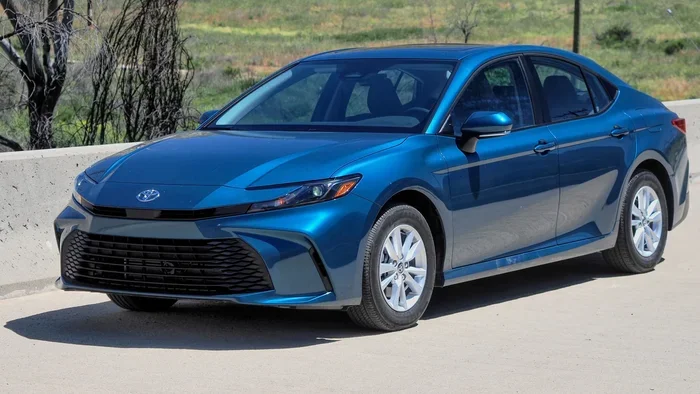
- Toyota Camry: The Camry is a midsize sedan that runs perfectly fine on regular gas. It offers a smooth ride and solid fuel economy without needing premium fuel.
- Toyota Corolla: One of the best-selling cars in the world, the Corolla is a fuel-efficient compact car that uses regular unleaded gas.
- Toyota RAV4: This popular SUV works great with regular gasoline. Even the RAV4 Hybrid runs on regular fuel.
- Toyota Tacoma: The Tacoma, Toyota’s legendary pickup truck, runs on regular gas in most trims.
- Toyota RAV4 Hybrid: The hybrid system is optimized for regular unleaded fuel, making it even more affordable to own.
- Toyota Avalon: This full-size sedan is comfortable and efficient on regular gas.
- Toyota Sienna: The minivan is designed for families and uses regular unleaded gasoline.
For these models, using premium gasoline will not improve performance or fuel economy. It is simply an unnecessary expense. Stick with regular unleaded and save your money for other things.
What Happens If You Use Regular Gas in a Premium-Required Toyota
This is an important question. What if you accidentally put regular gas in a Toyota that requires premium fuel? Or what if you do it on purpose to save a few dollars? The short answer is: it is not a good idea.
When you use regular gasoline in an engine designed for premium fuel, the lower octane level can cause engine knock. Engine knock sounds like a pinging or rattling noise coming from the engine. It happens because the fuel ignites at the wrong time in the combustion cycle.
Modern Toyotas have knock sensors that can adjust engine timing to compensate for lower octane fuel. This means your engine will not necessarily break down immediately. However, you will likely notice a few things:
- Reduced engine power: The engine may feel sluggish, especially during acceleration or when towing.
- Lower fuel economy: The engine control unit retards timing to prevent knock, which can reduce your miles per gallon.
- Poor performance under load: When you need the most power, such as climbing a hill or hauling heavy loads, the engine may struggle.
- Long-term engine wear: Over time, consistent engine knock can cause damage to pistons, cylinder walls, and other internal components.
So while using regular gas once or twice in a premium-required Toyota probably will not cause instant disaster, making it a habit can lead to expensive repairs down the road. The best practice is to always follow the fuel recommendation in the owner’s manual.
Can You Use Premium Gas in Any Toyota Model
The good news is that you can put premium gasoline in any Toyota, even if the manual says regular is fine. Premium fuel will not damage your engine. It will not cause any problems.
But here is the catch: using premium gas in a Toyota that does not require it will not give you any real benefits. You will not get more horsepower. You will not get better fuel economy. You will not notice a smoother ride. The only thing you will notice is the higher price tag at the pump.
Some people believe that premium gas cleans the engine better or makes the car last longer. This is a common myth. All gasoline sold at reputable stations in the United States contains detergent additives that keep fuel injectors and intake valves clean. The difference between regular and premium is the octane rating, not the cleaning ability.
If you enjoy the feel of premium fuel and don’t mind the extra cost, go ahead and use it. But from a practical standpoint, there is no reason to spend extra money on premium gas for a Toyota model that runs great on regular unleaded fuel.
Premium vs Regular: Cost Comparison and Fuel Economy
One of the biggest reasons people ask about Toyota fuel requirements is cost. Premium gasoline is noticeably more expensive than regular unleaded. At many gas stations, premium costs 30 to 50 cents more per gallon than regular. Over time, those extra cents add up to real money.
Let us look at a simple example. Say you drive a Toyota Camry that gets 32 miles per gallon on regular gas. You drive 1,000 miles per month. That is about 31 gallons of fuel per month. At an average price difference of 40 cents per gallon, you would spend roughly $12.40 more per month on premium gas if your Camry somehow required it. Over a year, that is about $149 extra.
Now imagine that same math applied to a larger SUV or truck that uses more fuel. The savings from using regular gas can be even more significant. For budget-conscious Toyota owners, sticking with regular unleaded gas in models that allow it is a smart financial move.
Here is a quick comparison of fuel costs for popular Toyota models:
- Toyota Camry (regular): ~$1,400-$1,600 per year in fuel costs (varies by driving habits and gas prices)
- Toyota Camry (if premium required): ~$1,600-$1,800 per year, assuming the same mileage
- Toyota RAV4 (regular): ~$1,800-$2,200 per year
- Toyota GR Supra (premium required): ~$2,500-$3,000 per year, depending on driving
These numbers are estimates based on average fuel prices and mileage. Your actual costs will vary. But the point is clear: choosing the right gasoline type for your Toyota model can make a meaningful difference in your annual fuel expenses.
Expert Tips for Choosing the Right Fuel for Your Toyota
Choosing the right fuel for your Toyota does not have to be complicated. Here are some practical tips from automotive experts to help you make the best decision:
Tip 1: Always read the owner’s manual. This is the most reliable source for your specific Toyota model and year. Do not rely on advice from friends or online forums alone. Every model can be different.
Tip 2: Look at the fuel door label. If you cannot find the manual, the fuel door has the information you need. It will tell you the minimum octane rating required.
Tip 3: Do not mix up recommendations for different trims. A Toyota Camry with a standard engine uses regular gas. But a Camry with a different engine option might have different requirements. Always check the trim-specific fuel recommendation.
Tip 4: Use top-tier gasoline when possible. Top-tier gasoline brands like Shell, Costco, and Chevron contain higher levels of detergent additives. These keep your fuel system cleaner, which benefits any Toyota engine, whether it uses regular or premium fuel.
Tip 5: Do not ignore the check engine light. If you use the wrong fuel and see the check engine light come on, do not ignore it. Take your Toyota to a trusted mechanic or Toyota dealer to get it checked out. Prolonged use of the wrong fuel can trigger error codes and cause real problems.
Tip 6: Consider the total cost of ownership. When comparing Toyota models, factor in fuel costs. A car that requires premium gas will cost more to operate over time than one that runs on regular. This is an important consideration for long-term ownership.
Tip 7: Keep a fuel log. If you are unsure about your fuel economy or notice changes in performance, track your fuel purchases and mileage. This can help you spot issues early and make informed decisions about your Toyota’s fuel needs.
Common Mistakes People Make With Toyota Fuel
Even experienced car owners make mistakes when it comes to fuel. Here are some common errors to avoid:
- Assuming all Toyotas need premium gas: This is simply not true. Most Toyotas run great on regular unleaded fuel.
- Ignoring the owner’s manual: Guessing the fuel type can lead to using the wrong gasoline and potentially causing engine problems.
- Thinking premium gas improves regular engines: Premium fuel does not make a regular-fuel Toyota run better. It is a waste of money.
- Choosing gas based on price alone: The cheapest gas at the station might not be the best choice. Look for top-tier brands that offer better fuel quality.
- Forgetting about seasonal changes: In hot weather, gasoline can have slightly different properties. Always stick to the recommended octane rating regardless of the season.
- Using E85 or other alternative fuels without checking compatibility: Not all Toyota models are designed for ethanol blends other than E10. Check your manual before using any alternative fuel.
Avoiding these mistakes will help you protect your Toyota engine, maintain fuel efficiency, and keep your vehicle running smoothly for years to come.
The Bottom Line on Toyota and Premium Gas
So, does Toyota require premium gas? The answer is: it depends on the model and engine. Most Toyota vehicles are designed to run perfectly well on regular unleaded gasoline. Models like the Camry, Corolla, RAV4, Tacoma, and Sienna all use regular gas without any issues.
Only a handful of Toyota models, primarily high-performance and turbocharged vehicles like the GR Supra and GR86, actually require premium fuel. These engines have higher compression ratios and need the higher octane rating to prevent knocking and deliver their full performance potential.
The key takeaway is simple: always check your owner’s manual or the fuel door label. Follow the manufacturer’s recommendation. If your Toyota runs on regular gas, stick with regular and enjoy the savings. If it needs premium, do not cut corners. Your engine will thank you.
Fuel is one of the biggest ongoing costs of owning a car. Making the right choice for your Toyota can save you hundreds of dollars every year. It also keeps your engine healthy and performing at its best. So the next time you pull up to the pump, you will know exactly which option to choose.
Take a few minutes today to check your Toyota’s fuel requirement. It is one of the easiest ways to protect your investment and keep your car running strong for miles and miles to come. Your Toyota was engineered to run on a specific type of fuel. Give it what it needs, and it will reward you with reliability, performance, and great fuel economy.
Frequently Asked Questions
Does every Toyota need premium gas?
No, not every Toyota needs premium gas. Most Toyota models, including the Camry, Corolla, RAV4, and Tacoma, are designed to run on regular unleaded gasoline. Only a few high-performance and turbocharged models like the GR Supra require premium fuel. Always check your owner’s manual for the specific fuel recommendation for your Toyota model.
What happens if I put regular gas in a Toyota that needs premium?
Using regular gas in a Toyota that requires premium fuel can cause engine knock, which is a pinging or rattling sound from premature fuel ignition. Modern Toyotas have knock sensors that adjust timing to compensate, but you may experience reduced power and lower fuel economy. Over time, consistent use of the wrong fuel can lead to engine damage. Always follow the fuel recommendation in your owner’s manual.
Can I use premium gas in a Toyota that takes regular?
Yes, you can use premium gas in any Toyota, even if the manual says regular is sufficient. It will not harm your engine. However, it will not provide any additional benefits like better performance or improved fuel economy for most models. Using premium gas in a regular-fuel Toyota simply costs more money without any real advantage.
How can I find the fuel requirement for my specific Toyota model?
The easiest way is to check your owner’s manual. Look for the fuel or specifications section. You can also check the label inside the fuel door or on the fuel tank flap. Toyota’s official website lists the recommended fuel type for each model and trim. If you are still unsure, contact a Toyota dealer for confirmation.
Does using the right gasoline type improve Toyota fuel economy?
Using the recommended gasoline type for your Toyota helps maintain optimal fuel economy. Using a lower octane fuel than required can cause the engine control unit to adjust timing, which may reduce your miles per gallon. Using a higher octane fuel than required will not improve fuel economy in engines designed for regular gas. Stick with the manufacturer’s recommendation for the best results.
Are there any Toyota hybrids that need premium gas?
Most Toyota hybrid models, including the RAV4 Hybrid and Camry Hybrid, are designed to run on regular unleaded gasoline. The hybrid system is optimized for regular fuel. Always verify the fuel requirement for your specific hybrid model by checking the owner’s manual or the fuel door label.
=== CONCLUSION ===
Does Toyota require premium gas? The answer is clear: most Toyota models do not. The majority of Toyotas run perfectly well on regular unleaded gasoline, which keeps your fuel costs down and your wallet happy. Only a select few high-performance and turbocharged models need premium fuel to operate at their best.
The most important thing you can do is check your owner’s manual or the fuel door label. This tells you exactly what your Toyota needs. Following the manufacturer’s fuel recommendation protects your engine, maintains fuel economy, and helps your Toyota last for years.
Do not fall for the myth that premium gas makes every car run better. It does not. And do not risk engine damage by using regular gas in a premium-required Toyota. Make informed choices, save money where you can, and give your Toyota the fuel it was designed for. Your car will reward you with reliable performance and great mileage mile after mile.