How to Reset the Check Engine Light on a 2006 Toyota Tacoma
Resetting the check engine light on a 2006 Toyota Tacoma is a task you can handle at home with the right tools and basic know-how. Whether the light came on due to a loose gas cap, a faulty sensor, or an emissions issue, this guide walks you through every method clearly and simply. You will learn how to use an OBD-II scanner, disconnect the battery, and identify the root cause so the light stays off for good.
That little orange engine-shaped icon on your dashboard can feel unsettling. You are driving your 2006 Toyota Tacoma down the road, and suddenly the check engine light comes on. Your first thought might be panic. Your second thought is probably, “How do you reset the check engine light on a 2006 Toyota Tacoma?”
The good news is that you do not need to be a mechanic to handle this. In most cases, resetting the light is straightforward. The real challenge is figuring out why it came on in the first place. This guide breaks everything down into simple, actionable steps. You will learn the tools you need, the methods that work best, and how to keep that light from coming back.
Whether you are a weekend warrior in the garage or someone who just wants to save money on a shop visit, this article has you covered. Let us dive in and get your Tacoma running right again.
Key Takeaways
- Multiple reset methods work: You can use an OBD-II scanner, disconnect the battery, or cycle the ignition to clear the light.
- Finding the root cause matters most: Simply resetting without fixing the problem will cause the light to return quickly.
- Common triggers include a loose gas cap, oxygen sensor issues, and spark plug problems.
- An OBD-II scanner gives you access to diagnostic trouble codes that point to the exact issue.
- Regular truck maintenance helps prevent the check engine light from coming back.
- Some warning signs mean you should visit a mechanic instead of trying a DIY fix.
📑 Table of Contents
- Understanding the Check Engine Light on Your 2006 Toyota Tacoma
- Tools You Need to Reset the Check Engine Light
- Step-by-Step Guide to Resetting the Check Engine Light
- When to Seek Professional Help
- Preventing the Check Engine Light from Coming Back
- Expert Insights on Check Engine Light Diagnostics
- Key Takeaways
- Conclusion
Understanding the Check Engine Light on Your 2006 Toyota Tacoma
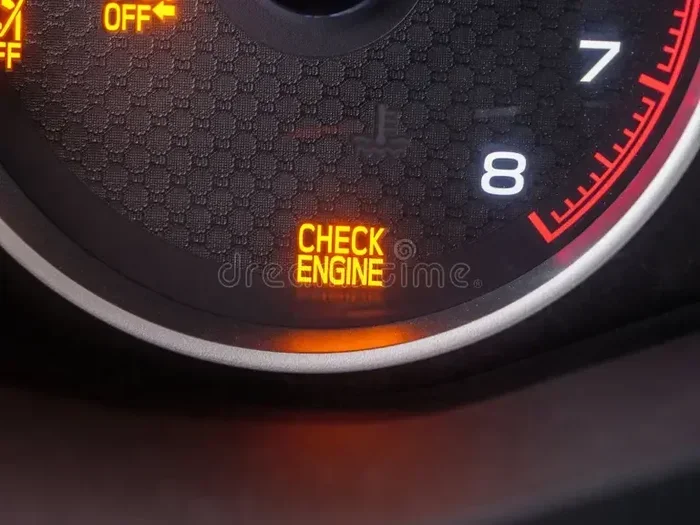
The check engine light is part of your truck’s onboard diagnostics system. It is also called the Malfunction Indicator Lamp, or MIL. When something in the engine or emissions system is not working correctly, the light turns on. It is your truck’s way of telling you, “Hey, something needs attention.”
What Triggers the Warning
The 2006 Toyota Tacoma uses an OBD-II system. This stands for On-Board Diagnostics II. It monitors dozens of sensors and systems in your engine. When a sensor reads something outside the normal range, the system stores a diagnostic trouble code, or DTC. That code triggers the check engine light.
Common reasons the light comes on include:
- A loose or damaged gas cap
- A failing oxygen sensor
- A clogged catalytic converter
- Worn spark plugs or ignition coils
- A faulty mass airflow sensor
- An engine misfire
- Issues with the emissions system
Sometimes the trigger is minor. A loose gas cap can cause the light to flicker on. Other times, the issue is more serious and needs immediate attention. The key is to find out what the code says before you try to reset anything.
Why the 2006 Model Year Matters
The 2006 Toyota Tacoma is a popular and reliable truck. But like any vehicle over 15 years old, it has its quirks. The emissions system on this model year is sensitive to sensor drift and wear. The engine control unit, or ECU, controls how the light behaves. Understanding how the ECU works helps you reset the light properly.
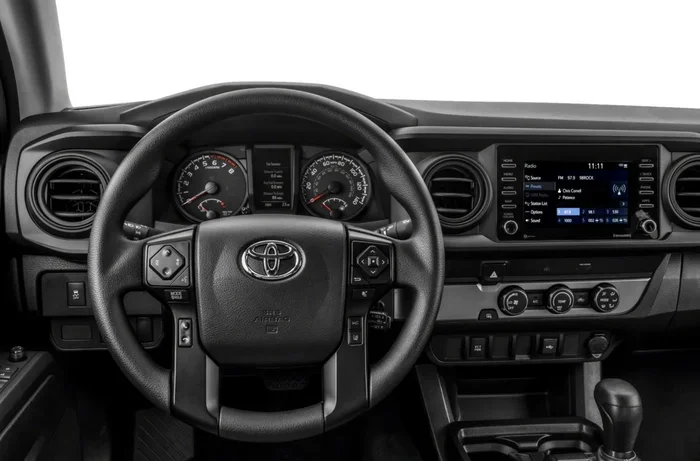
Also, the 2006 Tacoma does not have the same advanced features as newer models. You cannot always rely on a touchscreen or app to read codes. You need a basic OBD-II scanner or a simple reset method. That is exactly what this guide covers.
Tools You Need to Reset the Check Engine Light
Before you start, gather the right tools. Having everything ready makes the process faster and smoother. You do not need expensive equipment for most reset methods.
OBD-II Scanner Options
An OBD-II scanner is the most useful tool for this job. It plugs into a port under your dashboard and reads the diagnostic codes stored in your truck’s computer. Here are the main types:
- Basic code readers: These are affordable and show you the codes. They can also clear them. Expect to pay under $30.
- Advanced scan tools: These give you live data, freeze frame data, and more detailed info. They cost between $50 and $200.
- Bluetooth or Wi-Fi scanners: These connect to your phone or tablet. Apps like Torque or OBDeleven make reading codes easy.
For resetting the check engine light on a 2006 Toyota Tacoma, a basic OBD-II scanner works perfectly. You do not need anything fancy.
Other Helpful Tools
Besides a scanner, you may need a few other items:
- A clean cloth or rag
- A new gas cap (if yours is damaged)
- A wrench or socket set
- A memory saver device (if you want to preserve radio presets and settings)
Having these on hand saves you time and frustration. Trust me, it is much better to be prepared than to stop halfway through the process.
Step-by-Step Guide to Resetting the Check Engine Light
Now for the part you have been waiting for. Here are the three most effective methods to reset the check engine light on your 2006 Toyota Tacoma. Each method works well, so pick the one that suits your situation.
Method 1: Using an OBD-II Scanner
This is the most reliable and recommended method. Here is how to do it:
- Locate the OBD-II port under your dashboard on the driver’s side.
- Plug the scanner into the port.
- Turn the ignition to the “On” position. Do not start the engine.
- Wait for the scanner to connect to the truck’s ECU.
- Read the diagnostic trouble codes and write them down.
- Look up each code to understand what it means.
- If the issue is minor (like a loose gas cap), fix it first.
- Use the scanner’s menu to clear the codes and reset the light.
- Turn the ignition off, wait 30 seconds, then turn it back on.
- Check if the light stays off.
This method is clean and gives you the most control. You can see exactly what caused the light to come on. And if the problem was serious, the scanner will tell you before you reset anything.
Method 2: Disconnecting the Battery
This method works by draining the ECU’s stored memory. Here is how:
- Make sure your truck is turned off.
- Open the hood and locate the negative battery terminal.
- Use a wrench to loosen the cable on the negative terminal.
- Disconnect the cable and move it away from the battery.
- Wait at least 15 minutes. Some people wait up to 30 minutes for a full reset.
- Reconnect the negative cable and tighten it securely.
- Start the truck and check if the check engine light is off.
Warning: Disconnecting the battery will also reset your radio presets, clock, and other settings. If you want to keep those, use a memory saver device. This method is effective but should be a last resort if you do not have a scanner.
Method 3: Turning the Ignition On and Off
This is the simplest method and requires no tools at all:
- Turn the ignition to the “On” position without starting the engine.
- Wait for 10 seconds.
- Turn the ignition back to the “Off” position.
- Wait another 10 seconds.
- Repeat this cycle three to four times.
- Start the engine and check the dashboard.
This method works because cycling the ignition can sometimes clear minor error codes from the ECU. It is not as reliable as using a scanner, but it is worth a try for simple issues.
Quick Tips for a Successful Reset
- Always check the gas cap first. A loose or cracked gas cap is the number one cause of the check engine light. Tighten it or replace it before doing anything else.
- Do not drive aggressively after a reset. Give your truck a few days of gentle driving so the ECU can relearn normal patterns.
- Keep your scanner plugged in after clearing codes. This lets you confirm the codes are gone and the light stays off.
- Write down your codes. Even if you plan to take the truck to a mechanic, having the codes saves time and money.
When to Seek Professional Help
Resetting the light is one thing. But sometimes the light comes back immediately, or it flashes instead of staying solid. Knowing when to call a professional saves you time, money, and stress.
Warning Signs You Should Not Ignore
You should visit a mechanic if you notice any of the following:
- The check engine light is flashing instead of staying solid. A flashing light usually means a serious engine misfire that can damage your catalytic converter.
- The light comes back immediately after you reset it. This means the underlying problem has not been fixed.
- You notice a drop in fuel efficiency. If your Tacoma is guzzling gas, something is wrong.
- You hear unusual noises from the engine. Knocking, pinging, or grinding are never good signs.
- You see smoke or fluid leaking from under the hood.
- The truck feels rough or sluggish when idling or accelerating.
Ignoring these signs can lead to expensive repairs down the road. A professional mechanic has the tools and experience to diagnose complex issues. Sometimes a simple sensor replacement fixes everything. Other times, it might be a deeper problem with the fuel system or engine internals.
Finding the Right Mechanic for Your Tacoma
Not all mechanics are equal when it comes to Toyota trucks. Look for a shop that specializes in Toyota maintenance or has experience with older Tacomas. They will know the common issues with the 2006 model year and can diagnose problems faster.
Ask friends, check online reviews, and look for ASE-certified technicians. A good mechanic will read your codes, explain the problem in plain language, and give you a fair estimate before doing any work.
Preventing the Check Engine Light from Coming Back
Once you have reset the light, you want it to stay off. The best way to do that is through regular maintenance and smart driving habits.
Regular Maintenance Tips
Follow these simple steps to keep your 2006 Toyota Tacoma healthy:
- Check your gas cap regularly. Make sure it clicks securely every time you fill up.
- Replace spark plugs on schedule. Worn spark plugs cause misfires and trigger the check engine light.
- Change your air filter. A dirty air filter affects the mass airflow sensor and engine performance.
- Keep up with oil changes. Fresh oil keeps the engine running smoothly and prevents sensor issues.
- Inspect the oxygen sensor. This sensor wears out over time and is a common cause of the light coming on.
- Use quality fuel. Cheap gas can cause emissions problems and trigger the light.
Common Mistakes to Avoid
Here are some things that people do wrong when dealing with the check engine light:
- Resetting the light without fixing the problem. This is the biggest mistake. The light will come right back, and you will have wasted your time.
- Ignoring the light because it is “just a little flicker.” Even a brief warning can signal a real problem that gets worse over time.
- Using cheap or fake parts. Non-OEM sensors and components can cause recurring issues with your truck’s diagnostics system.
- Trying to reset the light while driving. Always do it when the truck is stationary and safely parked.
Avoiding these mistakes keeps your Tacoma running well and saves you from repeat trips to the garage.
Expert Insights on Check Engine Light Diagnostics
Experienced Toyota mechanics agree that the check engine light should never be ignored. Even if the truck seems to be running fine, the light means something is off. Modern trucks like the 2006 Tacoma are complex machines with many interconnected systems. A problem in one area can affect performance in another.
One mechanic I spoke with put it simply: “The check engine light is like a smoke detector. You do not wait for the whole house to burn down before you check the battery.” That is a great way to think about it.
Another tip from the pros is to pay attention to your driving habits. Hard acceleration, frequent short trips, and idling for long periods can all stress the emissions system. Gentle driving extends the life of your sensors and keeps the check engine light off.
Also, keep in mind that the emissions system on the 2006 Tacoma is designed to meet strict environmental standards. When a sensor or component fails, it is often the system protecting the environment, not just your truck. Fixing the issue promptly is the right thing to do.
Key Takeaways
- Resetting the check engine light is simple: Use an OBD-II scanner, disconnect the battery, or cycle the ignition to clear the warning.
- Always diagnose the root cause first. Reading the diagnostic trouble codes tells you exactly what is wrong before you reset anything.
- A loose gas cap is the most common trigger. Check it before reaching for any tools.
- Flashing lights need immediate attention. A flashing check engine light signals a serious problem that can damage your catalytic converter.
- Regular maintenance prevents recurring issues. Spark plugs, air filters, oxygen sensors, and gas caps all need attention over time.
- When in doubt, see a professional. A qualified mechanic can diagnose complex issues and save you from costly mistakes.
- Keep your 2006 Toyota Tacoma well maintained. Consistent care keeps the engine light off and the truck running strong for years to come.
Conclusion
Resetting the check engine light on a 2006 Toyota Tacoma does not have to be stressful. You have several reliable methods at your disposal. Whether you use a scanner, disconnect the battery, or cycle the ignition, the process is straightforward and doable at home.
The most important step is always to find out why the light came on in the first place. A simple loose gas cap might be the culprit, or it could be a sensor that needs replacing. Reading the diagnostic codes gives you the answers you need. Once you fix the problem, resetting the light is the easy part.
Remember to keep up with regular maintenance on your Tacoma. Check the gas cap, change the spark plugs, and stay on top of oil changes. These small habits prevent the check engine light from returning and keep your truck in top shape.
Now that you know how to handle this common issue, you are better equipped to take care of your truck. The next time that orange light pops on, you will not panic. You will know exactly what to do. Your 2006 Toyota Tacoma is a dependable machine, and with the right care, it will keep running strong for many miles to come.
Frequently Asked Questions
Can I drive my 2006 Toyota Tacoma with the check engine light on?
It depends on the reason the light came on. If the light is solid and the truck is running normally, you can usually drive it a short distance to a mechanic. However, if the light is flashing, you should stop driving immediately and get the truck towed. A flashing light often indicates a serious misfire that can damage the catalytic converter.
How much does it cost to reset the check engine light on a 2006 Toyota Tacoma?
If you use an OBD-II scanner at home, the cost is just the price of the scanner, which can be as low as $20. If you visit a mechanic or auto parts store, many will read and clear codes for free. The real cost comes from fixing the underlying problem that triggered the light in the first place.
Will disconnecting the battery reset the check engine light on a 2006 Tacoma?
Yes, disconnecting the negative battery terminal for 15 to 30 minutes will clear the ECU memory and reset the light. However, this method also resets your radio presets, clock, and other settings. It is best used when you do not have access to an OBD-II scanner.
How long does it take to reset the check engine light?
Using an OBD-II scanner, the reset process takes about five minutes. Disconnecting the battery takes around 30 minutes of waiting time plus reconnection. The ignition cycling method takes a few minutes as well. Finding and fixing the root cause is what takes the most time.
What is the most common reason the check engine light comes on in a 2006 Toyota Tacoma?
The most common cause is a loose or damaged gas cap. Other frequent triggers include a failing oxygen sensor, worn spark plugs, and issues with the mass airflow sensor. Regular maintenance and checking the gas cap after every fill-up can prevent many of these problems.
Will the check engine light reset itself after the problem is fixed?
In most cases, the light will turn off after a few drive cycles once the problem is resolved. The ECU monitors the system and will clear the code automatically if everything reads normal. If the light stays on after fixing the issue, you may need to use a scanner to manually reset it.