How to Reset the Check Engine Light on 2014 Toyota Sienna
Resetting the check engine light on your 2014 Toyota Sienna is simpler than you think. Whether you use an OBD2 scanner, disconnect the battery, or try the trip reset method, this guide covers every effective approach. We also break down the most common reasons your engine warning light turns on and help you decide when a trip to the mechanic is really needed.
Key Takeaways
- Multiple reset methods exist: You can reset the check engine light using an OBD2 scanner, battery disconnection, or the trip reset button on your dashboard.
- Diagnose before you reset: Always figure out why the light is on before clearing the code. Resetting without fixing the root cause will just bring the light back.
- OBD2 port location matters: The OBD2 port in the 2014 Sienna is located under the driver-side dashboard near the steering column.
- Common triggers include loose gas caps, oxygen sensors, and catalytic converter issues: These are the most frequent culprits behind the engine warning light on Toyota Sienna models.
- Some resets require a drive cycle: After resetting, you may need to drive the vehicle for a specific pattern to complete the reset.
- Flashing lights need urgent attention: A flashing check engine light signals a serious problem that needs immediate action.
- Professional help is wise for complex codes: Some diagnostic trouble codes point to issues that are best handled by a certified mechanic.
📑 Table of Contents
How to Reset the Check Engine Light on 2014 Toyota Sienna
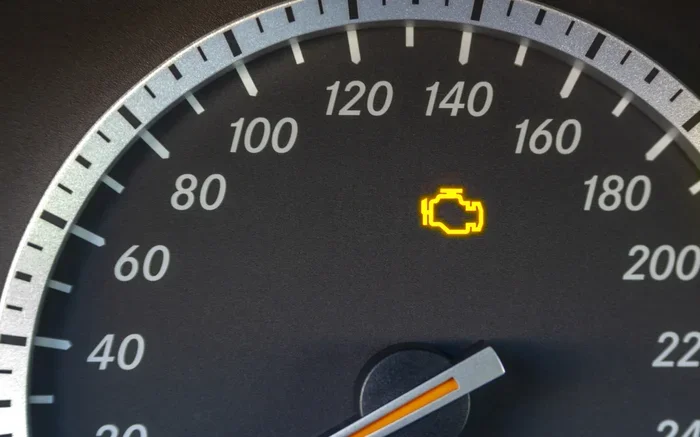
That little yellow engine symbol lighting up on your dashboard can make anyone’s stomach drop. If you own a 2014 Toyota Sienna, you are not alone. Many Sienna owners deal with the check engine light at some point. The good news is that resetting it is often a straightforward process. In this guide, we will walk you through every method, explain why the light comes on, and help you figure out when you need professional help.
We will cover everything from simple DIY fixes to using an OBD2 scanner. You do not need to be a car expert to follow along. Whether the light came on after an oil change or you noticed it while driving, this article has you covered. Let us get into it and help you get that Toyota Sienna maintenance light turned off for good.
Why Is Your Check Engine Light On?
Before you reset anything, it helps to understand why the light came on in the first place. The check engine light is part of your Sienna’s onboard diagnostics system. It activates when the vehicle’s computer, called the ECU, detects a problem. The system stores a diagnostic trouble code that points to the specific issue.
Common Reasons the Light Turns On
Here are some of the most frequent causes behind the engine warning light on a 2014 Toyota Sienna:
- Loose or missing gas cap: This is the simplest cause. A loose cap triggers an evaporation leak in the fuel system.
- Oxygen sensor failure: The O2 sensor measures exhaust gases. A bad one hurts fuel efficiency.
- Catalytic converter issues: This part reduces harmful emissions. When it fails, the light comes on.
- Mass airflow sensor problems: This sensor tracks air entering the engine. A malfunction affects performance.
- Spark plug or ignition coil issues: Worn-out plugs can cause misfires and trigger the light.
- Emission system faults: Any problem in the emission system can set off the warning.
- Oil change or service overdue: Sometimes the light is just a Toyota maintenance light reminding you about scheduled service.
Knowing the cause helps you choose the right fix. It also prevents you from simply resetting the light and ignoring a real problem. That approach never works for long.
How to Reset the Check Engine Light on 2014 Toyota Sienna
Now for the main event. There are several ways to perform a check engine light reset on your Sienna. Each method works, but some are more thorough than others. Let us walk through them one by one.
Method 1: Using an OBD2 Scanner (Recommended)
This is the most effective and easiest method. An OBD2 scanner reads the codes stored in your vehicle’s computer and clears them with the push of a button.
- Locate the OBD2 port: In the 2014 Toyota Sienna, the port sits under the driver-side dashboard, near the steering column. Look for a small rectangular opening.
- Plug in the scanner: Insert the OBD2 connector into the port. It clicks into place.
- Turn the ignition to ON: Do not start the engine. Just turn the key to the accessory position or press the power button without pressing the brake.
- Read the codes: The scanner displays the diagnostic trouble codes. Write them down for reference.
- Clear the codes: Press the “Clear” or “Erase” button on the scanner. The light should turn off immediately.
- Disconnect and test: Unplug the scanner, start the engine, and take a short drive. The light should stay off.
This method is clean, quick, and does not affect your radio presets or computer settings. A basic OBD2 scanner costs as little as $20 and works on virtually all vehicles made after 1996.
Method 2: Disconnecting the Battery
This older method still works, but it comes with a few downsides. Disconnecting the battery resets the entire ECU, which clears the codes. However, it also resets your clock, radio stations, and learned driving adaptations.
- Turn off the engine: Make sure the Sienna is fully off and in park.
- Open the hood: Locate the battery, usually on the driver’s side near the front of the engine bay.
- Disconnect the negative terminal: Use a wrench to loosen the nut on the black (negative) cable clamp. Pull it away from the battery post.
- Wait 15 to 30 minutes: This gives the ECU enough time to fully power down and reset.
- Reconnect the battery: Place the negative clamp back on the post and tighten the nut.
- Start the vehicle: The check engine light should be off. Drive around to confirm.
Quick Tip: Keep a spare car key handy. Sometimes disconnecting the battery resets the key learning process, and you may need to reinitialize the smart key system.
Method 3: The Trip Reset Button
The 2014 Toyota Sienna has an odometer trip reset feature that works for certain service lights. This method is great for the Toyota maintenance light but may not work for a true engine fault.
- Turn the ignition to ON: Press the power button without starting the engine.
- Press and hold the trip reset button: This button is on the dashboard near the odometer display. Hold it down for several seconds.
- Watch the display: The mileage or maintenance counter should reset to zero.
- Release and verify: Let go of the button and check if the light has disappeared.
This method works best after an oil change or tire rotation. For deeper engine problems, stick with the OBD2 scanner or battery disconnection methods.
Method 4: Tighten the Gas Cap
It sounds almost too simple, but this works surprisingly often. A loose gas cap triggers an emission system leak code. Here is what to do:
- Turn off the engine and open the fuel door.
- Tighten the gas cap until it clicks firmly into place.
- Drive the Sienna for a few trips. The light may turn off on its own once the system checks the seal.
If the light stays on after a few drives, the gas cap is probably not the issue. Move on to a more hands-on method.
Using an OBD2 Scanner for Diagnostics
Owning an OBD2 scanner is one of the smartest things you can do as a car owner. It does not just reset lights. It gives you valuable insight into your vehicle’s health. For 2014 Toyota Sienna owners, this tool is especially handy.
What Codes Might You Find?
Here are some typical diagnostic trouble codes that appear on Toyota Sienna models:
- P0300: Random engine misfire detected.
- P0420: Catalytic converter efficiency below threshold.
- P0171: System too lean, often caused by a vacuum leak or bad sensor.
- P0442: Evaporative emission leak, usually from a loose gas cap.
- P0135: Oxygen sensor heater circuit malfunction.
Once you identify the code, you can decide whether it is a DIY fix or a job for a professional. For example, a P0442 code often just needs a tighter gas cap. A P0420 code might mean it is time to replace the catalytic converter.
Choosing the Right Scanner
Not all scanners are the same. Here is a quick comparison to help you pick:
| Scanner Type | Price Range | Best For |
|---|---|---|
| Basic OBD2 Reader | $15 – $40 | Reading and clearing codes only |
| Bluetooth/Wi-Fi Scanner | $25 – $60 | Using apps on your phone for detailed reports |
| Advanced Scan Tool | $100 – $500+ | Live data, bi-directional controls, and deep diagnostics |
For most Sienna owners, a basic reader or a Bluetooth scanner paired with a free app works perfectly. Save the advanced tools for serious vehicle diagnostics or if you enjoy tinkering.
Common Causes of the Check Engine Light
Let us dig deeper into what triggers the engine warning light on the 2014 Toyota Sienna. Understanding these causes helps you address problems faster.
Loose Gas Cap
We mentioned this briefly, but it deserves its own spot. The evaporative emission system on your Sienna relies on a sealed fuel system. A loose cap breaks that seal. The ECU detects a leak and turns on the light. Tightening the cap often resolves this within a few driving cycles.
Faulty Oxygen Sensor
The oxygen sensor sits in the exhaust system and measures unburned oxygen. A failing sensor sends wrong data to the ECU. This leads to poor gas mileage and higher emissions. Replacing an O2 sensor on a Sienna is moderately easy and costs around $100 to $200 for parts and labor.
Catalytic Converter Failure
The catalytic converter reduces harmful exhaust gases. Over time, it can become clogged or damaged. A failing converter triggers the P0420 code. You might notice reduced power, a rotten egg smell, or failed emissions tests. This is a more expensive fix, often running $500 to $1,500 depending on the extent of damage.
Mass Airflow Sensor Issues
The mass airflow (MAF) sensor measures air entering the engine. Dirt and contamination can throw it off. A dirty MAF sensor causes rough idling and stalling. Cleaning it with specialized cleaner often fixes the problem without replacing the part.
Quick Tips and Common Mistakes
Resetting the light is one thing. Doing it right is another. Here are some quick tips and pitfalls to avoid:
Quick Tips
- Always read the code first: Never reset without knowing what triggered the light. The code tells you what to fix.
- Drive a complete cycle: After resetting, take your Sienna on a mix of city and highway driving. The ECU needs this to run its self-tests.
- Check for loose connections: Sometimes a loose wire under the hood causes a false code. Inspect everything visually before diving into repairs.
- Keep your gas cap tight: Make it a habit to give the cap a firm twist every time you fill up.
- Use quality parts: When replacing sensors or components, use OEM or high-quality aftermarket parts for reliability.
Common Mistakes to Avoid
- Resetting without fixing the issue: This is the biggest mistake. The light will come right back, and you might miss a serious problem developing.
- Ignoring a flashing light: A check engine flashing light indicates a misfire that could damage the catalytic converter. Pull over safely and address it immediately.
- Disconnecting the battery as a first resort: This wipes your learned adaptations and can cause other headaches. Use it only when a scanner is not available.
- Using a cheap scanner with no code library: Some dollar-store readers give vague descriptions. Invest in one that provides detailed code definitions.
- Driving for months with the light on: Even if the car feels fine, underlying issues can worsen over time and lead to costly repairs.
When to See a Mechanic
Not every check engine light situation calls for a professional. But some definitely do. Here is when you should take your 2014 Toyota Sienna to a shop:
- The light is flashing: This signals an active misfire. Continued driving can destroy the catalytic converter. Get help now.
- You smell burning or see smoke: These are signs of serious mechanical problems. Do not delay.
- The code points to a major system: Codes related to the transmission, automatic transmission faults, or engine internals need expert attention.
- You have tried resetting but the light returns: If the code keeps coming back, there is an underlying issue that needs proper diagnosis.
- You are not comfortable working on your car: There is no shame in asking for help. A certified mechanic has the tools and training to handle complex car troubleshooting.
Expert Insight: Many mechanics offer free code reading. Next time you visit an auto parts store, they will often scan your vehicle for free too. Use these resources before booking a paid appointment. It can save you time and money.
Conclusion
Learning how to reset the check engine light on 2014 Toyota Sienna models is a valuable skill. Whether you use an OBD2 scanner, disconnect the battery, or try the trip reset button, you now have multiple methods at your disposal. Remember to always diagnose the root cause before clearing any codes. A reset is only a temporary fix if you ignore the underlying problem.
Keep a basic scanner in your trunk. Stay on top of regular Toyota Sienna maintenance. And never ignore a flashing check engine light. These habits will keep your Sienna running smoothly for years to come. Take action today, and you will avoid bigger headaches down the road. Your Sienna deserves the best, and so do you.
Frequently Asked Questions
How do I reset the check engine light without a scanner on my 2014 Toyota Sienna?
You can disconnect the negative battery terminal for 15 to 30 minutes, then reconnect it. This resets the ECU and clears the codes. Alternatively, try the trip reset button on your dashboard for service-related lights. However, a scanner gives you the most control and keeps your settings intact.
Can a loose gas cap cause the check engine light on a 2014 Toyota Sienna?
Yes, absolutely. A loose or missing gas cap breaks the seal on the fuel system and triggers an emission leak code. Tighten the cap firmly and drive for a few trips. The light should turn off once the system rechecks the seal. This is one of the simplest and most common fixes.
Is it safe to drive with the check engine light on?
It depends on the situation. If the light is steady and the car drives normally, a short trip to a parts store for a code read is usually safe. However, if the light is flashing or you notice unusual sounds, smells, or performance issues, stop driving and seek help immediately. A flashing light often signals a misfire that can cause serious damage.
What does a flashing check engine light mean on a 2014 Toyota Sienna?
A check engine flashing light indicates an active engine misfire. Unburned fuel is entering the exhaust system, which can quickly damage the catalytic converter. You should pull over safely and turn off the engine. Have the vehicle towed to a mechanic if needed. Do not continue driving under any circumstances.
How much does it cost to diagnose the check engine light on a Toyota Sienna?
Many auto parts stores offer free code scanning. If you visit a mechanic, diagnostic fees typically range from $50 to $100. Owning your own OBD2 scanner eliminates this cost entirely. Basic scanners are very affordable and pay for themselves after one use. Advanced tools cost more but offer deeper insights into vehicle diagnostics.
How do I reset the oil maintenance light on a 2014 Toyota Sienna?
Turn the ignition to ON without starting the engine. Press and hold the trip reset button near the odometer for several seconds until the display resets. Release the button and verify the maintenance light is off. Start the engine and confirm the light does not return. This method works specifically for service reminders and not for actual engine fault codes.
=== META DESCRIPTION ===
Learn how to reset the check engine light on your 2014 Toyota Sienna with our easy step-by-step guide. Find causes, fixes, and expert tips here.