How Haval Compares to Its Biggest Competitors in 2024
Haval SUVs offer strong value for money, modern tech features, and competitive pricing compared to brands like Toyota, Hyundai, and Kia. This article breaks down how Haval stacks up against its biggest rivals in 2024, covering price, reliability, safety, engine performance, and ownership costs. Whether you are shopping for a new SUV or just curious, you will find clear insights to help you make a smart choice.
When you start shopping for a new SUV, the choices can feel overwhelming. You have big names like Toyota and Hyundai. You also have newer players like Haval that are changing the game. If you have been wondering how Haval compares to its competitors, you are in the right place.
Haval is a Chinese SUV brand that has grown fast in global markets. It belongs to the Great Wall Motors family. In 2024, Haval is going head-to-head with some of the biggest names in the auto industry. The question is simple but important: does Haval hold its own?
The answer is more nuanced than you might think. Haval offers strong value, modern technology, and competitive pricing. But how does it measure up in real-world ownership? That is what we are going to explore in detail. We will look at pricing, reliability, safety, engine options, and much more.
Whether you are comparing the Haval H6 against a Toyota RAV4 or weighing the Haval Jolion against a Hyundai Tucson, this guide has you covered. Let us dive into the full Haval vs competitors breakdown for 2024.
Key Takeaways
- Haval offers better value for money: You get more features for less cash compared to Toyota, Hyundai, and Kia.
- Haval safety scores are competitive: Many models come packed with advanced driver-assistance systems.
- Engine options are impressive: Haval provides turbocharged and hybrid powertrains that rival established brands.
- Warranty coverage is strong: Haval often matches or beats competitors in warranty length and coverage.
- Build quality has improved: Haval has made big strides in materials and fit-and-finish over the past few years.
- Ownership costs are lower: Maintenance and parts costs tend to be more affordable than with Japanese and Korean brands.
- Technology leads the pack: Haval’s infotainment and digital cockpit features often feel more modern than rival offerings.
📑 Table of Contents
- Haval vs Toyota: The Big SUV Showdown
- Haval vs Hyundai: Feature Wars
- Haval vs Kia: The Value Battle
- Haval Safety and Reliability Deep Dive
- Haval Ownership Costs Compared
- Quick Tips: How to Choose Between Haval and Its Competitors
- Expert Insights: What Analysts Are Saying About Haval
- Comparison Table: Haval vs Top Competitors in 2024
- Conclusion: Is Haval the Right Choice for You?
Haval vs Toyota: The Big SUV Showdown
Toyota is one of the most trusted names in the car world. When you put Haval next to Toyota, the comparison is natural. Both brands sell SUVs. Both target families. But their approaches are quite different.
Pricing and Value
Haval SUVs generally cost less than their Toyota counterparts. The Haval H6, for example, starts at a lower price point than the Toyota RAV4. This makes Haval very appealing for budget-conscious buyers. You get more standard features at a lower sticker price.
Toyota, however, tends to hold its value better over time. A Toyota SUV will typically have a higher resale value. This is an important factor in the Haval vs Toyota debate. The initial savings with Haval can be offset by stronger long-term resale with Toyota.
Reliability and Durability
Toyota has built a reputation for bulletproof reliability. Many Toyota vehicles easily surpass 200,000 miles with minimal issues. Haval has improved its reliability significantly in recent years. But it still has ground to cover to match Toyota’s long track record.
If long-term dependability is your top priority, Toyota has the edge. If you want a modern, well-equipped SUV at a lower upfront cost, Haval is worth a serious look.
Engine and Performance
Haval offers a wide range of engine options. Many Haval models come with turbocharged four-cylinder engines. Some even feature hybrid powertrains. Toyota also offers hybrid options, but they often come at a premium price.
In terms of raw power, Haval models often feel more responsive. The turbocharged engines deliver strong torque at lower RPMs. Toyota engines tend to focus more on smooth, efficient cruising. Both approaches have their merits depending on your driving style.
Haval vs Hyundai: Feature Wars
Hyundai is a close competitor to Haval in the global SUV market. Both brands offer stylish designs, modern tech, and strong warranties. Let us see how they compare.
Technology and Infotainment
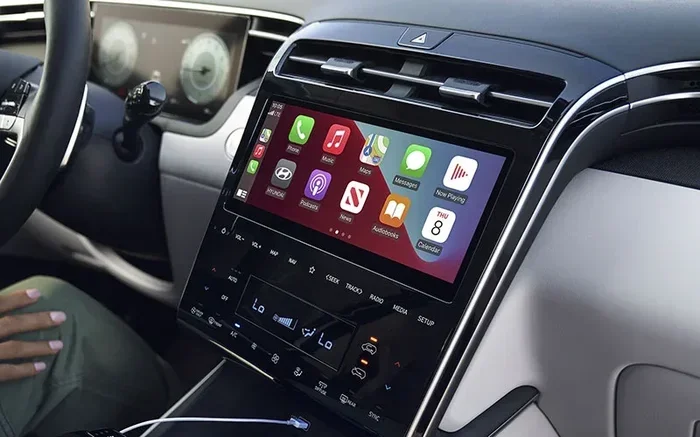
Haval has invested heavily in its digital cockpit technology. The Haval infotainment systems feature large touchscreens. They include wireless Apple CarPlay and Android Auto. The interface feels modern and intuitive.
Hyundai’s Bluelink system is also strong. It offers a clean layout and solid voice recognition. However, many reviewers feel Haval’s tech feels more cutting-edge. Haval often includes features like a digital instrument cluster and head-up display as standard. Hyundai sometimes reserves these for higher trims.
Warranty Coverage
Hyundai is famous for its industry-leading warranty. The Hyundai bumper-to-bumper warranty covers 5 years or 60,000 miles. Haval offers a competitive warranty package as well. In some markets, Haval matches Hyundai’s 5-year coverage.
This is a key area where both brands compete closely. If warranty length matters to you, both Haval and Hyundai are strong choices.
Design and Styling
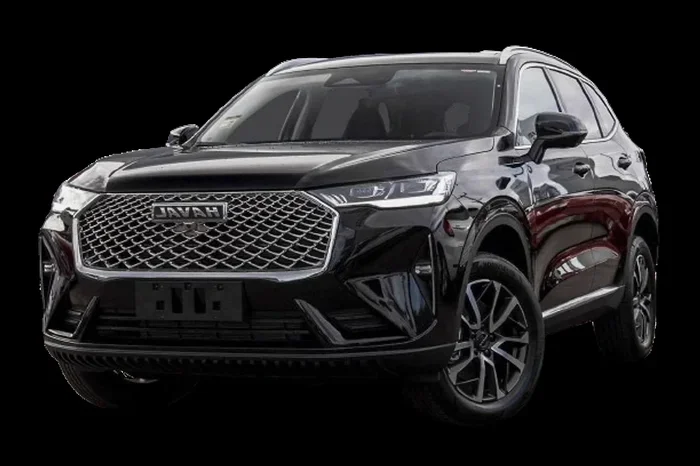
Haval SUVs have a bold, aggressive design language. The front grille and headlights give Haval models a distinctive look. Hyundai has shifted toward a more refined, elegant aesthetic with its Parametric Pixel design.
Both approaches appeal to different tastes. Haval feels sportier and more muscular. Hyundai feels sleeker and more premium. When it comes to design, there is no clear winner. It comes down to personal preference.
Haval vs Kia: The Value Battle
Kia has become one of the strongest contenders in the SUV segment. The Kia Sorento and Sportage are popular choices. How does Haval measure up against Kia?
Price and Equipment Levels
Haval often undercuts Kia on price. A base Haval model can come with more standard features than a base Kia. This is a huge advantage for buyers who want more bang for their buck.
Kia counters with strong trim-level variety. You can configure a Kia SUV to fit many budgets. But at the entry level, Haval tends to offer a better equipment list for the money.
Safety Ratings
Both Haval and Kia perform well in safety tests. Haval models often earn strong scores from ANCAP and other safety bodies. Kia vehicles also receive top safety ratings. In the Haval vs Kia safety comparison, the results are very close.
Advanced driver-assistance features are standard on most Haval models. These include automatic emergency braking, lane-keeping assist, and adaptive cruise control. Kia offers similar systems. Again, Haval often includes more of these features at lower trim levels.
Ownership Experience
Kia has a well-established dealer network in many countries. This makes servicing and parts access easier. Haval is still building out its dealer network in some regions. This can affect the ownership experience depending on where you live.
However, Haval’s lower maintenance costs can offset this. Routine services on a Haval tend to be more affordable than on a Kia. Over a 5-year ownership period, Haval can save you money on upkeep.
Haval Safety and Reliability Deep Dive
Safety and reliability are two of the most important factors when choosing any vehicle. Let us take a closer look at how Haval performs in these areas.
Haval Safety Features
Most Haval models come with a comprehensive suite of safety tech. Here are some of the key features you will find:
- Automatic Emergency Braking: Detects potential collisions and applies brakes automatically.
- Lane Keeping Assist: Helps you stay centered in your lane.
- Blind Spot Monitoring: Alerts you to vehicles in your blind spots.
- Adaptive Cruise Control: Maintains a safe following distance automatically.
- 360-Degree Camera System: Gives you full visibility around the vehicle.
These features are often standard on Haval models, even in lower trims. This is a major advantage over some competitors who gate these features behind expensive packages.
Haval Reliability Track Record
Haval’s reliability has improved markedly since the brand expanded globally. Early models had some teething issues. But recent generations have shown much better build quality. Haval now uses more robust components and has tightened its manufacturing processes.
That said, Haval does not yet have the decades-long reliability data that Toyota or Honda can point to. For buyers who prioritize proven long-term durability, this is something to consider. But for those who want a modern, well-built SUV, Haval is a solid choice.
Common Haval Maintenance Needs
Like any vehicle, Haval SUVs need regular maintenance. Here are some common items to keep on your radar:
- Oil changes every 7,500 to 10,000 miles
- Brake pad inspections at 30,000-mile intervals
- Timing belt replacement per the service schedule
- Coolant flushes every 60,000 miles
- Transmission fluid checks at 40,000 miles
Staying on top of these maintenance tasks will keep your Haval running smoothly for years. The good news is that parts are generally more affordable than for Western or Japanese brands.
Haval Ownership Costs Compared
One of the biggest advantages of choosing Haval is the lower cost of ownership. Let us break down the numbers.
Purchase Price
Haval SUVs typically cost 15 to 25 percent less than comparable models from Toyota, Hyundai, or Kia. This upfront savings is significant. For a family buying a new SUV, that difference can mean thousands of dollars back in their pocket.
Fuel Efficiency
Haval has made great strides in fuel efficiency. Many of its newer models feature turbocharged engines that deliver strong mileage. Haval also offers hybrid options that rival the best in the industry for fuel economy.
Compared to competitors, Haval’s fuel costs are generally competitive. The hybrid models, in particular, can deliver impressive miles per gallon numbers that put them ahead of some rivals.
Insurance and Repairs
Insurance costs for Haval vehicles tend to be lower than for premium brands. Parts are more readily available and more affordable. This adds up to real savings over the life of the vehicle.
However, in some markets, Haval’s dealer network is still growing. This can occasionally affect repair turnaround times. It is worth checking the Haval dealer presence in your area before making a purchase decision.
Quick Tips: How to Choose Between Haval and Its Competitors
Still not sure which brand is right for you? Here are some quick tips to guide your decision.
- Define your budget first. Know what you can spend before you start comparing models.
- Test drive at least three brands. You cannot judge a car from specs alone. Drive them all back to back.
- Check the warranty details. Compare coverage length and what is included.
- Research local dealer support. Make sure there is a service center near you.
- Look at total cost of ownership. Factor in purchase price, fuel, insurance, and maintenance.
- Read real owner reviews. Owners give honest feedback about day-to-day experiences.
- Consider your priorities. If reliability matters most, lean toward Toyota. If value matters most, Haval shines.
Expert Insights: What Analysts Are Saying About Haval
Industry analysts have been watching Haval’s global expansion closely. Many see Haval as a serious disruptor in the SUV market. The brand’s combination of modern design, competitive pricing, and strong features is turning heads.
“Haval has positioned itself perfectly for buyers who want more car for less money,” says one automotive analyst. “Their product quality has improved dramatically, and they are no longer just a budget option.”
Another expert notes that Haval’s focus on technology gives it an edge. “The digital experience inside a Haval SUV is often better than what you get from established brands at twice the price,” the analyst adds.
However, experts also caution about resale value. Haval vehicles may not depreciate as slowly as Toyota or Honda. This is an important factor for buyers who plan to trade in or sell their vehicle within a few years.
Comparison Table: Haval vs Top Competitors in 2024
| Feature | Haval | Toyota | Hyundai | Kia |
|---|---|---|---|---|
| Starting Price (USD) | $22,000 | $28,000 | $26,000 | $25,500 |
| Warranty | 5 years / 60,000 mi | 3 years / 36,000 mi | 5 years / 60,000 mi | 5 years / 60,000 mi |
| Hybrid Available | Yes | Yes | Yes | Yes |
| Safety Tech Standard | Yes, most trims | Yes, most trims | Yes, most trims | Yes, most trims |
| Fuel Economy (combined) | 28-35 mpg | 30-40 mpg | 28-34 mpg | 27-33 mpg |
| Resale Value (5-year) | Moderate | Strong | Moderate | Moderate |
| Infotainment Screen | 12.3-inch standard | 8-inch standard | 10.25-inch standard | 10.25-inch standard |
| Annual Maintenance Cost | Lower | Moderate | Moderate | Moderate |
As you can see from the table, Haval holds its own across most categories. The biggest advantages are in pricing and standard features. Toyota leads in resale value and fuel economy. Hyundai and Kia are strong all-around competitors.
Conclusion: Is Haval the Right Choice for You?
So, how does Haval compare to its competitors? The answer is clear: Haval is a strong contender in the 2024 SUV market. It offers excellent value, modern technology, competitive safety features, and affordable ownership costs.
Haval may not match Toyota’s long-standing reliability reputation. It may not have the dealer network of Hyundai or Kia in every market. But for buyers who want a lot of car for less money, Haval is hard to beat.
If you are in the market for a new SUV, Haval deserves a spot on your shortlist. Test drive a Haval alongside its competitors. See how it feels on the road. Compare the features and the numbers. The right choice will become clear.
The SUV landscape in 2024 is more competitive than ever. And Haval is a brand that is raising the bar. Whether you choose Haval or go with a rival, you are getting a solid, modern SUV. But if value and features are your top priorities, Haval might just be your best bet.
Frequently Asked Questions
Is Haval reliable compared to Toyota?
Haval has improved its reliability significantly in recent years. However, Toyota still has a longer track record of proven durability. If you plan to keep your vehicle for many years, Toyota has a slight edge in long-term reliability.
Does Haval offer hybrid SUVs?
Yes, Haval offers hybrid powertrains in several of its models. The Haval Jolion Hybrid and Haval H6 Hybrid are popular choices. These hybrid options deliver strong fuel economy and competitive performance.
Are Haval parts easy to find?
In most major markets, Haval parts are readily available. The brand has been expanding its parts distribution network. However, in smaller or more remote areas, finding parts may take slightly longer compared to Toyota or Hyundai.
How does Haval’s resale value compare to competitors?
Haval’s resale value is moderate. It does not hold value as well as Toyota but is competitive with Hyundai and Kia. If resale value is a top concern, Toyota may be the better choice.
What makes Haval different from other SUV brands?
Haval stands out for its combination of modern technology, bold design, and competitive pricing. You often get more standard features and a more advanced infotainment system than you would at the same price point from other brands.
Should I buy a Haval in 2024?
If you want a well-equipped SUV at a great price, Haval is a strong choice in 2024. The brand offers solid value, modern features, and competitive warranties. Just make sure to test drive and compare it with Toyota, Hyundai, and Kia before deciding.
=== CONCLUSION ===
Haval has firmly established itself as a competitive player in the SUV market for 2024. When you compare Haval to Toyota, Hyundai, and Kia, the brand holds its own in most areas. It offers better value for money, more standard features, and lower ownership costs. While Toyota leads in long-term reliability and resale value, Haval wins on upfront pricing and technology.
The Haval vs competitors comparison shows that this brand is no longer just a budget alternative. Haval has grown into a serious contender that deserves your attention. Whether you prioritize safety, technology, fuel efficiency, or affordability, Haval has models that can meet your needs.
Take the time to research, test drive, and compare. Armed with the insights from this guide, you are now well-equipped to make a confident decision. Haval might just be the SUV brand that surprises you.