How Haval Handles Rough Roads and Conquers Any Terrain
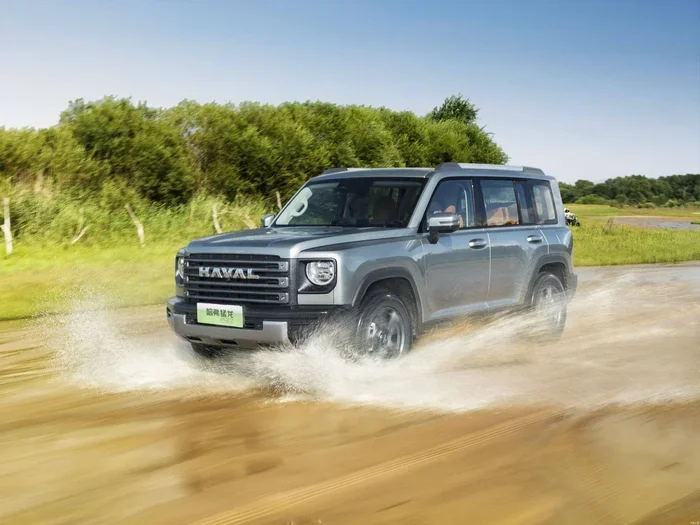
Haval SUVs are built to tackle rough roads and rugged terrain with confidence. Their advanced suspension systems, high ground clearance, and smart all-wheel drive setups make them stand out on any trail. Whether you drive a Haval H9 or Haval H6, you get serious off-road capability wrapped in everyday comfort.
If you have ever tried driving on a bumpy dirt road in a regular car, you know how rough it can get. Every pothole, every rock, every uneven patch sends a jolt through the chassis. Now imagine doing that in a vehicle that was actually designed for it. That is exactly what Haval handles rough roads with ease and precision. These SUVs are not just city cruisers. They are built with rugged off-road capability in mind. In this article, we will break down exactly how Haval SUVs manage to conquer any terrain you throw at them.
From the suspension setup to the engine power, Haval engineers have thought about every detail. They know that drivers need a vehicle that can handle rugged terrain on Monday and still be comfortable enough for a school run on Tuesday. That dual-purpose design is what sets Haval apart from many competitors. Let us dive into the specific features and technologies that make Haval such a strong performer on rough roads.
Key Takeaways
- Advanced Suspension: Haval uses multi-link and independent suspension systems that absorb bumps and keep you stable on rough terrain.
- High Ground Clearance: With generous ground clearance, Haval SUVs clear rocks, ruts, and uneven surfaces without scraping the underbody.
- All-Wheel Drive Systems: Haval’s AWD and terrain response modes give you better traction on mud, sand, gravel, and rocky paths.
- Underbody Protection: Skid plates and reinforced underbody components shield critical parts from damage on rugged trails.
- Engine Power and Torque: Strong engines deliver the torque needed to power through tough terrain and steep inclines.
- Real-World Tested: Haval designs are built for both daily driving and serious off-road adventures.
📑 Table of Contents
- Why Suspension Matters for Rough Roads
- Ground Clearance and Approach Angles
- All-Wheel Drive and Traction Control
- Engine Power and Torque for Tough Terrain
- Underbody Protection and Durability
- Real-World Performance on Different Terrain Types
- Maintenance Tips for Off-Road Haval Owners
- Haval vs. Other Off-Road SUVs
- Final Thoughts: Why Haval Is Ready for Any Terrain
Why Suspension Matters for Rough Roads
The suspension system is the heart of any vehicle that tackles rough terrain. It controls how the wheels move over bumps, rocks, and uneven surfaces. Haval SUVs use sophisticated suspension designs that keep the tires in contact with the ground as much as possible. This is critical for maintaining traction and stability. When you are driving on a rocky path or a muddy trail, you need every wheel to grip the surface. A good suspension system makes that happen.
Multi-Link Suspension in Haval SUVs
Many Haval models, especially the Haval H9, come equipped with multi-link suspension. This design uses multiple control arms to manage wheel movement independently. Each wheel can react to terrain changes on its own. This means that if one wheel hits a rock, the other three wheels stay grounded. The result is a smoother ride and better control. Multi-link suspension also reduces body roll during sharp turns on uneven ground.
Independent vs. Solid Axle Suspension
Some Haval models use independent suspension, while others rely on a solid axle setup. Independent suspension offers a more comfortable ride on paved roads. It allows each wheel to move without affecting the opposite side. Solid axle suspension, on the other hand, is tougher for serious off-roading. It handles heavy loads better and maintains wheel alignment over extreme bumps. Haval balances these two approaches depending on the model and its intended use.
Quick Tip: If you plan to take your Haval on rough trails regularly, consider upgrading to aftermarket shock absorbers. They can improve suspension travel and add extra comfort on long off-road trips.
Ground Clearance and Approach Angles
One of the biggest challenges on rough roads is simply getting over obstacles. A vehicle that sits too low will scrape the underbody on rocks, logs, or steep inclines. Haval SUVs are designed with impressive ground clearance numbers. This gives them the ability to clear obstacles without damaging the chassis or exhaust system.
What Is Ground Clearance and Why It Matters
Ground clearance is the distance between the lowest point of the vehicle and the ground. The higher this number, the more obstacles the vehicle can clear. Haval models like the Haval H9 offer ground clearance that rivals many dedicated off-road SUVs. This means you can drive over boulders, deep ruts, and uneven trails without worrying about getting stuck or causing damage.
Approach and Departure Angles Explained
Approach angle is the steepest incline a vehicle can climb without the front bumper hitting the ground. Departure angle is the same concept but for the rear. Haval SUVs are designed with favorable approach and departure angles. This allows them to tackle steep hills and deep dips without scraping the underbody. These angles are especially important when you are navigating rocky terrain or steep desert trails.
Expert Insight: When shopping for a SUV suspension system that handles rough roads, always check the approach angle, departure angle, and breakover angle together. They tell you the full story of a vehicle’s off-road capability.
All-Wheel Drive and Traction Control
Having power is one thing. Delivering that power to the ground is another. Haval SUVs come with advanced all-wheel drive systems that distribute torque to all four wheels. This is essential for maintaining grip on loose or slippery surfaces. Whether you are driving on mud, sand, gravel, or wet grass, AWD gives you a significant advantage.
How Haval’s AWD System Works
Haval’s AWD systems use electronic controls to monitor wheel slip in real time. If one wheel starts to lose traction, the system sends more power to the wheels that still have grip. This happens almost instantly. The result is better stability and control on uneven surfaces. Some Haval models also offer a terrain response mode that lets you select different driving profiles for specific conditions.
Terrain Response Modes for Different Surfaces
Terrain response modes adjust the vehicle’s settings based on the surface you are driving on. For example, a mud mode changes the throttle response and traction control settings to prevent wheel spin. A sand mode does the same but optimizes for soft, loose surfaces. These modes take the guesswork out of driving on challenging terrain. You simply select the right mode and let the system do the work.
- Mud Mode: Reduces wheel spin and maintains steady momentum through soft, slippery ground.
- Sand Mode: Lowers tire pressure recommendations and adjusts throttle for smoother movement on dunes and loose sand.
- Rock Mode: Provides precise low-speed control for navigating boulder fields and technical obstacles.
- Grass/Gravel Mode: Balances traction and stability for everyday off-road surfaces like dirt roads and meadows.
Quick Tip: Always check your tire pressure before heading off-road. Lower tire pressure increases the contact patch and improves grip on soft surfaces like sand and mud. A good portable air compressor is a must-have for Haval owners who love trail driving.
Engine Power and Torque for Tough Terrain
Getting over rough obstacles requires more than just good suspension and traction. You need raw power, especially torque. Haval equips its SUVs with engines that deliver strong low-end torque. This is the twisting force that helps you power through mud, climb steep hills, and push through sand. Without sufficient torque, a vehicle gets stuck easily on tough terrain.
Engine Options Across the Haval Range
Haval offers a range of engine options across its SUV lineup. The Haval H9 typically features a powerful turbocharged gasoline engine that produces strong torque at low RPMs. The Haval H6, while more focused on on-road comfort, still offers enough power for light off-road adventures. Both engines are paired with smooth transmissions that deliver power efficiently to the wheels.
Why Torque Matters More Than Horsepower Off-Road
On the road, horsepower gets you to high speeds. Off-road, torque gets you unstuck. When you are crawling over rocks or pushing through deep mud, you need low-end grunt. Torque is what pushes the vehicle forward at slow speeds where traction is limited. Haval understands this, and their engine tuning reflects it. The engines are calibrated to deliver maximum torque in the lower RPM range, which is exactly where you need it most on rough terrain.
Common Mistake: Many drivers underestimate the importance of low-range gearing when off-roading. Haval models like the H9 include low-range transfer cases that multiply torque at very slow speeds. This is essential for crawling over large rocks or navigating steep inclines safely.
Underbody Protection and Durability
Driving on rough roads means your vehicle’s underbody takes a beating. Rocks, debris, and uneven surfaces can damage the oil pan, fuel tank, and exhaust system. Haval addresses this with reinforced underbody protection. These safeguards help the vehicle survive the abuse of rugged terrain without costly repairs.
Skid Plates and Reinforced Panels
Most Haval SUVs come with aluminum or steel skid plates that cover the underbody. These plates shield the engine oil pan, transmission, and fuel tank from impact damage. When you drive over a rock or a sharp obstacle, the skid plate takes the hit instead of your vital components. This is a simple but incredibly effective feature for anyone who regularly drives on rough roads.
Body-on-Frame Construction
Haval’s larger SUVs use a body-on-frame construction. This means the body of the vehicle is mounted on a separate, strong frame. This design is traditionally used in trucks and heavy-duty SUVs because it offers superior durability and off-road strength. The frame absorbs the impacts of rough terrain and distributes the force across the entire structure. This makes Haval SUVs remarkably resilient on rocky paths and uneven trails.
Expert Insight: Body-on-frame SUVs like the Haval H9 are built for longevity in tough conditions. If you plan on doing serious off-roading or traveling through remote areas, this construction type gives you peace of mind that the vehicle can handle whatever comes its way.
Underbody Coating and Corrosion Protection
Rough roads often expose the underbody to mud, water, and debris. Over time, this can lead to rust and corrosion. Haval applies protective coatings and underbody sealants to guard against these elements. This adds another layer of durability that helps the vehicle maintain its structural integrity over years of hard use.
Real-World Performance on Different Terrain Types
Every type of rough road presents its own challenges. Haval SUVs are tested and designed to handle a wide variety of surfaces. Let us look at how they perform on some of the most common types of rugged terrain.
Mud and Wet Conditions
Mud is one of the trickiest surfaces to drive on. It is soft, slippery, and can swallow a vehicle whole if you are not careful. Haval’s AWD system and terrain response modes work together to keep you moving forward. The traction control prevents wheel spin, and the strong torque delivery helps you power through thick mud without getting stuck.
Rocky and Boulder Fields
Rocky terrain demands precision and durability. Every bump is a potential obstacle, and sharp rocks can damage the underbody. Haval’s multi-link suspension absorbs impacts smoothly, while the skid plates protect vital components. The low-range gearing gives you the control needed to crawl over large boulders at a safe speed.
Sand and Dunes
Sand is soft and unpredictable. A vehicle can sink quickly if it loses momentum. Haval’s sand mode adjusts the throttle and traction settings to maintain steady forward movement. The high ground clearance prevents the underbody from digging into the sand. Combined with proper tire pressure adjustments, Haval SUVs can glide over dunes with impressive ease.
Gravel and Dirt Roads
Gravel roads are perhaps the most common type of rough road that drivers encounter. They are rough but not as extreme as rocky trails or deep mud. Haval handles gravel roads with confidence thanks to its stable suspension and responsive steering. The vehicle stays composed even on loose surfaces, making long drives on dirt roads comfortable and safe.
Maintenance Tips for Off-Road Haval Owners
Owning a Haval SUV that regularly sees rough roads comes with some maintenance responsibilities. Keeping your vehicle in top shape ensures it continues to perform on any terrain. Here are some essential tips for Haval owners who love off-roading.
- Check Your Suspension Regularly: Inspect shock absorbers, bushings, and control arms for wear after every off-road trip. Worn suspension components reduce ride quality and handling.
- Inspect Skid Plates: Skid plates take the brunt of off-road impacts. Check them for dents or damage and replace them if they are bent or cracked.
- Change Oil More Frequently: Off-road driving puts extra stress on the engine. Consider changing the oil more often than the standard schedule, especially after dusty or muddy trips.
- Check Tire Condition: Your tires are your only contact with the ground. Make sure they have adequate tread depth and are properly inflated for the terrain you are driving on.
- Clean the Underbody: Mud, salt, and debris can cause corrosion. Rinse the underbody regularly, especially after driving in wet or salty conditions.
- Test the AWD System: Make sure your all-wheel drive system is functioning properly before heading off-road. Listen for unusual noises and check for any warning lights on the dashboard.
Quick Tip: Keep a basic off-road recovery kit in your Haval at all times. Include a winch, recovery straps, a shovel, and a portable air compressor. These tools can save you from a difficult situation on a remote trail.
Haval vs. Other Off-Road SUVs
When it comes to off-road capability, how does Haval stack up against the competition? Let us take a quick look at how Haval compares to some other popular SUVs in the rough-road category.
| Feature | Haval H9 | Toyota 4Runner | Ford Bronco |
|---|---|---|---|
| Ground Clearance | High (over 220mm) | High (around 230mm) | High (around 240mm) |
| Suspension Type | Multi-link | Solid axle | Independent front |
| All-Wheel Drive | Yes | Yes | Yes |
| Terrain Modes | Yes | Yes | Yes |
| Underbody Protection | Yes | Yes | Yes |
| Body-on-Frame | Yes | Yes | Yes |
| Price Range (Approx.) | Mid-range | Higher | Mid to high |
As you can see, Haval holds its own against well-known off-road SUVs. The Haval H9 offers competitive ground clearance, a solid multi-link suspension, and AWD with terrain modes. At the same time, Haval often comes at a more accessible price point. This makes it a compelling choice for drivers who want serious off-road capability without paying a premium.
Common Mistake: Do not assume that a lower price means lower capability. Haval engineers these vehicles with the same attention to off-road performance as more expensive brands. Always test drive before making a decision and judge the vehicle on its own merits.
Final Thoughts: Why Haval Is Ready for Any Terrain
From the suspension system to the engine, from the underbody protection to the all-wheel drive setup, every aspect of a Haval SUV is designed with rough roads in mind. Haval handles rough roads not just adequately but with genuine confidence and capability. Whether you are navigating a muddy trail, crawling over rocks, or cruising along a gravel path, Haval gives you the tools you need to get the job done.
The combination of strong torque, smart traction systems, and durable construction makes Haval SUVs a reliable choice for any terrain. Add in the comfort features and modern technology, and you get a vehicle that is just as enjoyable on the highway as it is on a remote trail. If you are looking for a rugged terrain vehicle that does not break the bank, Haval deserves a serious look.
Take care of your Haval, follow the maintenance tips, and it will reward you with years of dependable performance on any road. Rough roads do not have to be a problem. With the right vehicle, they are just another adventure waiting to happen.
Frequently Asked Questions
Can a Haval SUV handle deep mud and water crossings?
Yes, Haval SUVs like the H9 are equipped with AWD systems and terrain response modes that make them capable in deep mud and water crossings. The high ground clearance and sealed underbody components help protect the vehicle from water damage. However, always exercise caution and avoid water crossings that are deeper than what your vehicle is rated for.
Is the Haval H9 a good off-road vehicle for beginners?
The Haval H9 is a capable off-road vehicle that can be a great choice for beginners who want a reliable SUV for rough roads. Its terrain response modes and electronic aids help drivers manage difficult surfaces with confidence. However, beginners should still learn basic off-road techniques before tackling extreme trails.
How often should I service my Haval after off-road trips?
It is a good idea to inspect your Haval after every off-road trip and perform a more thorough service every 5,000 to 7,500 miles if you frequently drive on rough terrain. Check the suspension, underbody, tires, and fluids regularly. Off-road driving puts extra stress on these components, so staying on top of maintenance will keep your vehicle running strong.
What makes Haval’s suspension different from other SUVs?
Haval uses multi-link suspension in many of its larger models, which allows each wheel to react independently to terrain changes. This provides better traction and a smoother ride on rough roads compared to simpler suspension designs. Combined with quality shock absorbers, Haval’s suspension system is tuned for both on-road comfort and off-road performance.
Are Haval SUVs durable enough for serious trail driving?
Absolutely. Haval SUVs are built with body-on-frame construction, skid plates, and reinforced underbody components that make them durable enough for serious trail driving. Many owners use their Haval vehicles for daily commutes and weekend off-road adventures without any issues. Regular maintenance and proper care go a long way in ensuring long-term durability.
Can I upgrade my Haval for better off-road performance?
Yes, there are many aftermarket upgrades available for Haval SUVs that can improve off-road performance. Options include upgraded shock absorbers, larger all-terrain tires, additional underbody protection, and winch mounts. These upgrades can enhance your vehicle’s capability on rough roads and make your off-road experiences even more enjoyable and safe.
=== CONCLUSION ===
Haval handles rough roads with a combination of smart engineering, durable construction, and advanced technology. From the multi-link suspension to the all-wheel drive systems, every component works together to give you confidence on any terrain. Whether you are a weekend trail driver or someone who regularly faces rough roads as part of daily life, Haval SUVs deliver the performance and reliability you need.
The key takeaway is simple: Haval has built vehicles that are genuinely capable off-road without sacrificing everyday comfort. With proper maintenance and the right approach, your Haval can take you anywhere the road leads. So next time you see a rough trail or a challenging dirt road, know that your Haval is ready to conquer it.