How to Make Volkswagen Speakers Louder and Sound Better
Making your Volkswagen speakers louder is easier than you think. You can upgrade factory speakers, add an amplifier, or install a subwoofer to transform your sound. This guide covers simple fixes and advanced upgrades that really work. Whether you drive a Golf, Jetta, or Passat, these tips will help you get the most out of your audio system. You will learn practical steps that save money and deliver real results.
If you have ever driven a Volkswagen and wished your music sounded louder and fuller, you are not alone. Many VW owners deal with the same problem. How to make Volkswagen speakers louder is a question that comes up all the time in car audio forums and shops. The good news is that you have several options, from simple fixes to full system upgrades. This guide walks you through every step so you can enjoy your favorite music the way it was meant to sound.
The factory audio system in most Volkswagens works, but it has limits. Manufacturers often use small, cheap speakers that distort when you turn the volume up. Road noise from tires and wind also masks the music. The good thing is that even small changes can make a big difference. You do not need to be a mechanic to get better sound. With the right parts and a little patience, your VW can sound like a completely different car.
Key Takeaways
- Upgrade factory speakers: Replacing your stock speakers is the single biggest improvement you can make for volume and clarity.
- Add an amplifier: A dedicated amplifier gives your speakers the power they need to play louder without distortion.
- Install a subwoofer: A subwoofer fills in the low frequencies that factory systems miss, making your music feel richer.
- Improve wiring and connections: Better wiring reduces signal loss and helps your system sound cleaner at higher volumes.
- Use sound deadening material: Blocking road noise lets you hear your music more clearly, even at lower volumes.
- Tune your system properly: Correct settings on your head unit and amplifier make a huge difference in overall sound quality.
📑 Table of Contents
Why Your Volkswagen Speakers Sound Quieter Than Expected
Before you buy anything, it helps to understand why your current speakers fall short. Most factory systems in Volkswagens use small speakers with low power handling. These speakers simply cannot move enough air to produce loud, clear sound. Here are the main reasons your system might sound quiet.
Factory Speakers Are Built to Cost, Not Performance
Volkswagen builds its cars with budget-friendly audio components. The factory speakers use thin cones and basic magnets. They are designed to work at low volumes, not to blast music on the highway. When you push them harder, they distort and lose clarity. This is the number one reason most VW owners want an upgrade.
Road Noise Drowns Out Your Music
Volkswagens are great cars, but they are not soundproofed like luxury brands. Wind noise, tire hum, and engine vibration all compete with your music. Even if your speakers are working fine, you may not hear them properly because of outside noise. This is why some drivers think their system is quiet when it is actually just being masked.
Your Head Unit May Be Limiting Output
The head unit is the brain of your audio system. Factory head units in Volkswagens often have low power output. They may only produce 10 to 15 watts per channel. That is not enough to drive speakers properly. A weak head unit can hold back even good speakers.
Upgrade Your Factory Speakers for Better Sound
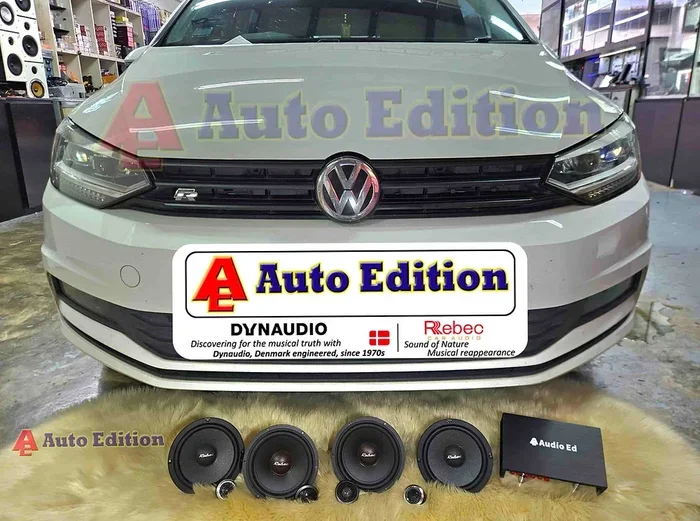
The best and most impactful upgrade you can make is replacing your factory speakers. Aftermarket speakers are built with better materials and stronger magnets. They produce more volume, clearer mids, and richer highs. A car audio upgrade starts here, and it does not have to cost a fortune.
Choose the Right Speaker Size for Your VW Model
Volkswagen models use different speaker sizes. A Golf might use 6.5-inch doors and 3.5-inch tweeters. A Passat could use 6×9-inch rear speakers. Before buying anything, check your owner manual or measure your existing speakers. Matching the correct size ensures a clean fit and the best sound.
Component Systems vs. Coaxial Speakers
You will find two main types of VW aftermarket speakers: component and coaxial. Component systems separate the tweeter from the woofer. This gives you better sound staging and clearer highs. Coaxial speakers combine everything in one unit. They are easier to install and more affordable. Both options will sound much better than factory speakers.
Top Brands to Consider
Some brands stand out in the car audio world for their value and quality. Brands like JBL, Pioneer, and Rockford Fosgate make excellent speakers for Volkswagens. Infinity and Hertz are also great choices. Look for speakers with high sensitivity ratings. A sensitivity of 90 dB or higher means the speaker plays loud with less power.
Quick Tips for Speaker Installation
- Disconnect the battery before starting any electrical work.
- Use a panel removal tool to avoid breaking clips.
- Take photos before disconnecting any wires.
- Match positive and negative terminals carefully.
- Test each speaker before reassembling the panels.
Common Mistakes to Avoid
One big mistake is buying speakers without checking impedance. Most VW speakers are 4-ohm, but some aftermarket options are 2-ohm. Mismatched impedance can damage your head unit. Another mistake is ignoring the speaker’s power handling rating. Always choose speakers that can handle more power than your head unit outputs. This gives you headroom and prevents distortion.
Add an Amplifier to Boost Volume
If you want truly loud, clean sound, an amplifier is essential. A factory head unit simply cannot provide enough power for aftermarket speakers. An audio amplifier install bridges that gap and unlocks the full potential of your speakers.
How an Amplifier Improves Your Sound
An amplifier takes the weak signal from your head unit and boosts it. This gives your speakers the clean power they need to play at higher volumes. The result is less distortion and more dynamic range. Music sounds fuller, bass hits harder, and vocals come through with more detail.
Choosing the Right Amplifier for Your Volkswagen
For a basic upgrade, a 4-channel amplifier works well. It can power all four door speakers at once. If you plan to add a subwoofer later, a 5-channel amp covers everything. Look for an amplifier with a signal-to-noise ratio of 100 dB or higher. This ensures clean, noise-free audio output.
When shopping for an amplifier for car use, consider the RMS power rating. This is the continuous power the amp can deliver. Match it to your speakers’ power handling. A 50-watt RMS amplifier per channel is a great starting point for most VW speaker upgrades.
Wiring the Amplifier Properly
Proper wiring makes all the difference in how your system performs. Use thick enough power cables for your amplifier. A 4-gauge cable works for most setups under 100 watts. Always fuse your power wire close to the battery. Ground the amplifier to a clean, bare metal point on the chassis. Good grounding eliminates hum and noise.
Expert Insight: Tune Your Amplifier Correctly
Many people install an amplifier and never adjust the settings. Take the time to set the gain properly. Too much gain causes distortion. Too little gain leaves volume on the table. Use a test tone or an SPL meter to set the gain at the right level. This small step makes a huge difference in audio quality improvement.
Install a Subwoofer for Deep, Rich Bass
A subwoofer adds the low frequencies that factory speakers cannot reproduce. Without a sub, your music can sound thin and flat. A good subwoofer installation transforms the entire listening experience in your Volkswagen.
Why Bass Matters for Overall Sound
Bass is not just about loud thumps. Low frequencies add warmth and fullness to music. They make vocals sound richer and instruments more realistic. When your system handles the bass properly, your midrange and tweeter speakers do not have to work as hard. This means they last longer and sound better.
Choosing the Right Subwoofer for Your VW
Compact subwoofers fit well in Volkswagen trunks and behind seats. A 10-inch or 12-inch subwoofer in a sealed or ported enclosure delivers great bass. For smaller VWs like the Golf or Jetta, a 10-inch sub is usually the perfect fit. Larger models like the Touareg can accommodate bigger subs easily.
Consider a powered subwoofer if you want simplicity. These come with a built-in amplifier, so you do not need a separate amp. They are easier to install and take up less space. The car speaker upgrade cost stays lower too, which makes them a smart choice for budget-conscious owners.
Enclosure Types Explained
The enclosure you choose affects bass quality. Sealed enclosures give tight, accurate bass. They sound clean and do not boom. Ported enclosures produce louder, deeper bass. They are great for those who want to feel the music. Bandpass enclosures offer maximum output in a specific frequency range. Each type has its strengths, so choose based on your listening preferences.
Improve Wiring and Connections for Cleaner Audio
Good wiring is the foundation of any great car audio system. Poor connections cause signal loss, static, and distortion. Upgrading your speaker wiring is one of the simplest ways to improve sound quality.
Use Quality Speaker Wire
Factory speaker wire is often very thin and cheap. It limits the power that reaches your speakers. Upgrading to 16-gauge or 14-gauge speaker wire improves conductivity. Oxygen-free copper wire is the best choice. It resists corrosion and delivers clean signal over time.
Upgrade Your Head Unit
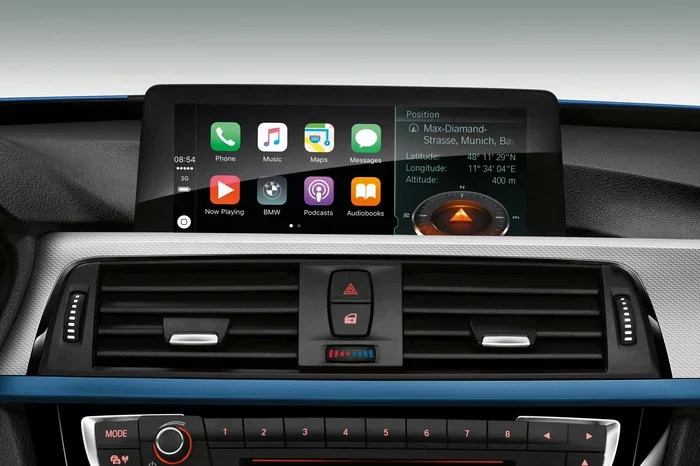
If your head unit is old or basic, consider a head unit upgrade. Modern head units have better preamp outputs. They provide a stronger, cleaner signal to your amplifier. Many new units also support Bluetooth, USB, and smartphone integration. This means better sound and more convenience.
When choosing a new head unit, look for one with a high voltage preamp output. A 4-volt output is standard for good quality. Higher voltage means a stronger signal and less noise. This directly improves your signal-to-noise ratio and overall audio fidelity.
Check and Clean All Connections
Over time, speaker connections can corrode or loosen. Corroded connectors cause crackling and volume loss. Use electrical contact cleaner on all connections. Make sure every wire is firmly seated. A clean connection delivers the full signal without interruption.
Sound Deadening and System Tuning Tips
Even with the best speakers and amplifier, road noise can ruin your listening experience. Adding sound deadening material to your Volkswagen makes a surprising difference. It blocks outside noise and reduces speaker vibration. The result is cleaner, more detailed sound at any volume.
Apply Sound Deadening to Doors and Floor
Start with the doors, where your speakers are mounted. Apply sound deadening sheets to the inner door panels. This reduces panel flex and vibration. The speaker produces cleaner sound because the mounting surface is more rigid. Focus on the areas around the speaker mounting points first.
Next, treat the floor and trunk. Road noise enters through the floor and cargo area. A layer of sound deadening material blocks this noise. You will hear more of your music and less of the road. Popular brands like Dynamat and Noico work well for this purpose.
Tune Your Audio System for the Best Sound
Once everything is installed, take time to tune your system. Set the amplifier gain correctly to match your speakers. Adjust the crossover to send the right frequencies to each speaker. The midrange speakers should handle vocals and instruments. The tweeters should handle the high frequencies. The subwoofer handles the low end.
Use an audio tuning app on your phone if you want precision. These apps measure frequency response and help you balance the sound. Spend time adjusting the equalizer settings. A flat or slight bass boost setting works well for most music genres. Avoid extreme settings that distort the sound.
Quick Tips for Daily Maintenance
- Keep your speaker grilles clean to prevent dust buildup.
- Check connections every few months for looseness.
- Avoid playing music at maximum volume for long periods.
- Use a surge protector for any added electronics.
- Store your VW in a garage when possible to protect components.
Common Mistakes That Hurt Your Sound
One common mistake is running too much power through small speakers. This burns them out quickly. Another mistake is skipping the amplifier when upgrading speakers. Without proper power, even expensive speakers sound mediocre. Always match your amplifier to your speakers’ power needs. A final mistake is ignoring the importance of proper grounding. A bad ground causes buzzing, humming, and weak performance.
Conclusion
Making your Volkswagen speakers louder and sounding better is a rewarding project. You can start with simple upgrades like replacing factory speakers and improve wiring. Adding an amplifier and subwoofer takes your system to the next level. Sound deadening and proper tuning tie everything together. Each step builds on the last, creating a system that sounds amazing every time you turn the key.
The key is to plan your upgrades thoughtfully. Start with what bothers you most and work from there. Whether you want more volume, better bass, or clearer vocals, there is a solution that fits your budget. Your Volkswagen deserves a sound system that matches the quality of the car itself. With the right approach, you will enjoy music that sounds rich, full, and powerful on every drive.
Take your time, do the work carefully, and enjoy the process. The difference in sound quality will make every trip more enjoyable. Your upgraded audio system will be something you appreciate every single time you get behind the wheel.
Frequently Asked Questions
What is the easiest way to make Volkswagen speakers louder?
Replacing factory speakers with aftermarket speakers is the easiest and most effective first step. Aftermarket speakers have better magnets and cones that move more air. This single upgrade can make a noticeable difference in volume and clarity without touching any other part of the system.
Do I need an amplifier to make my speakers louder?
You do not absolutely need one, but an amplifier makes a huge difference. Factory head units have limited power output. An amplifier provides clean, dedicated power that lets your speakers play louder without distortion. For the best results, pairing new speakers with a small amplifier is the way to go.
How much does it cost to upgrade Volkswagen speakers?
The cost depends on what parts you choose. A set of quality aftermarket speakers typically costs between 100 and 300 dollars for all doors. Adding an amplifier can range from 150 to 400 dollars depending on the brand and power. A complete system upgrade with speakers, amp, and subwoofer can run between 500 and 1500 dollars total.
Can I install Volkswagen speakers myself?
Yes, most speaker replacements are straightforward and can be done at home with basic tools. You will need a screwdriver, a panel removal tool, and about an hour of time. Wiring an amplifier requires more care and knowledge of electrical connections. If you are comfortable with basic car projects, speaker replacement is very doable.
What size speakers does a Volkswagen use?
Volkswagen models vary in speaker size. Most Golfs and Jettas use 6.5-inch speakers in the front doors and 3.5-inch or 6×9-inch speakers in the rear. Passats and Tiguans may use different sizes. Always check your specific model or measure your existing speakers before purchasing replacements.
Why does my Volkswagen sound system distort at high volumes?
Distortion at high volumes usually means your speakers are being pushed beyond their limits. Factory speakers have low power handling and cannot handle strong signals. Another common cause is a weak head unit that clips the audio signal. Upgrading speakers and adding an amplifier solves this problem in most cases.