How Long Does It Take to Reset TPMS on a BMW for Beginners
Resetting the TPMS on a BMW is simpler than most people think. The entire process typically takes between 5 and 20 minutes, depending on your BMW model and the method you use. This guide walks you through the exact steps to Reset TPMS on a BMW quickly and safely.
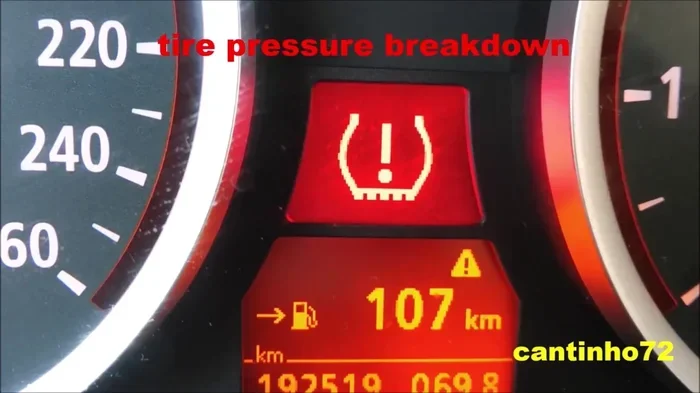
Have you ever seen that little yellow light shaped like a horseshoe with an exclamation point on your BMW’s dashboard? That’s the TPMS light, and it can make anyone panic. If you’ve been searching for how long it takes to reset TPMS on a BMW, you’re in the right place. Reset TPMS on a BMW is a straightforward process that most owners can handle in under 20 minutes. In this guide, I’ll walk you through the exact steps, the time each method takes, and how to avoid common pitfalls.
Your BMW’s Tire Pressure Monitoring System keeps you safe by alerting you when tire pressure drops below the recommended level. Ignoring that light can lead to poor fuel economy, uneven tire wear, and even a blowout. The good news is that resetting the system after you’ve fixed the issue is quick and easy. Whether you drive a BMW 3 Series, 5 Series, or X5, the reset procedure is similar. I’ll show you how to do it yourself.
So, how long does it take to reset TPMS on a BMW? The answer depends on the method you choose and your specific model. Most resets take between 5 and 20 minutes. I’ll break down each method so you can pick the one that works best for you. Let’s get started.
Key Takeaways
- Fast and Easy: Resetting TPMS on a BMW typically takes 5 to 20 minutes using the manual button, iDrive, or OBD-II scanner.
- Check Pressure First: Always inflate tires to the correct PSI before resetting. The light will return if pressure is low.
- Three Methods Work: Manual reset, iDrive system reset, and OBD-II scanner reset are all effective for different BMW models.
- Sensor Batteries Matter: Dead sensor batteries cause persistent lights. Replace them every 5 to 10 years.
- Relearn After Tire Service: Always run the relearn procedure after rotating tires, fixing a flat, or installing new tires.
- Know When to Seek Help: If the light won’t turn off after a reset, visit a BMW service center for advanced diagnostics.
- Prevention is Key: Monthly tire pressure checks and regular sensor maintenance keep your TPMS light off and your BMW safe.
📑 Table of Contents
What Is TPMS and Why Does It Matter on a BMW?
TPMS stands for Tire Pressure Monitoring System. It’s a safety feature that checks the air pressure inside your tires. If the pressure drops too low, a warning light appears on your dashboard. BMW uses both direct and indirect TPMS sensors. Direct sensors are inside the valve stem and measure pressure exactly. Indirect systems use the wheel speed sensors to detect a spinning tire that has lower pressure.
Keeping your tires properly inflated is crucial for a BMW. The right pressure improves handling, braking, and fuel economy. It also extends the life of your tires. Underinflated tires can overheat and fail, especially at highway speeds. That’s why the TPMS light should never be ignored.
How the Tire Pressure Monitoring System Works
Direct TPMS sensors send real-time pressure data to the car’s computer. If the pressure falls 25% below the recommended PSI, the light turns on. The recommended pressure for most BMWs is between 32 and 35 PSI. You can find the exact number on a sticker inside the driver’s door frame.
Indirect TPMS doesn’t use physical sensors in the tires. Instead, it compares the rotation speed of each wheel. A tire with low pressure has a smaller rolling radius and spins faster. The system detects this difference and triggers the warning. Both systems are reliable, but they need a reset after you adjust the pressure.
Why BMW Owners Should Pay Attention
BMW is known for precision engineering. Your tires are the only part of the car that touches the road. Proper inflation ensures that your BMW handles the way it was designed. A TPMS light means something is wrong, and you should address it immediately. Ignoring it can trigger the service engine light too.
Quick Tip: Check your tire pressure when the tires are cold, ideally in the morning. This gives the most accurate reading.
How Long Does It Take to Reset TPMS on a BMW?
The time it takes to reset TPMS on a BMW varies by method. A manual reset using the button under the steering column can take as little as 5 minutes. Using the iDrive infotainment system might take 10 to 15 minutes. An OBD-II scanner method can be done in under 10 minutes if you have the tool. On average, plan for 10 to 20 minutes to complete the entire process.
Here’s a quick comparison of the three main methods:
| Reset Method | Time Required | Difficulty Level | Tools Needed |
|---|---|---|---|
| Manual Reset Button | 5–10 minutes | Easy | None |
| iDrive Infotainment System | 10–15 minutes | Moderate | BMW with iDrive |
| OBD-II Scanner | 5–15 minutes | Easy to Moderate | OBD-II TPMS tool |
The manual reset is the fastest and doesn’t require any special equipment. However, it only works if the tire pressure is already correct. The iDrive method is built into newer BMW models and gives you more control. An OBD-II scanner is great if you need to read sensor data or if the light persists.
What Affects the Reset Time?
Several factors can change how long the reset takes. The BMW model year matters. Newer models with iDrive have a more streamlined process. Older models might require a manual reset only. The condition of your sensors also plays a role. If a sensor battery is dead, the reset won’t clear the light, and you’ll need a replacement.
Another factor is whether you’ve recently rotated your tires or fixed a flat. The system needs to relearn the sensor positions. This relearn procedure can add a few minutes. Always make sure all tires are at the correct PSI before you start the reset.
Common Mistake: Trying to reset the TPMS without first inflating the tires to the proper pressure. The light will come back on within a few miles.
Step-by-Step Guide to Resetting Your BMW’s TPMS
Below I’ll walk you through each method in detail. Pick the one that matches your BMW model and the tools you have. I’ll include practical examples and tips to make the process smooth.
Method 1: Manual Reset Using the Reset Button
This is the most common way to reset TPMS on a BMW. It works on models from 2007 to 2023. The reset button is usually located under the steering column, to the left of the steering wheel. You might need to kneel down to see it.
Here’s how to do it:
- Start the engine or turn the ignition to the accessory position.
- Locate the TPMS reset button. It’s often a small black pinhole with a cap.
- Press and hold the button until the TPMS warning light on the dashboard starts blinking.
- Release the button and wait for the light to turn off. This usually takes 3 to 5 seconds.
- Drive the BMW at speeds above 20 mph for a few minutes. The system will recalibrate.
Quick Tip: If the light doesn’t blink after you press the button, try turning the ignition off and on again. Then repeat the process.
Expert Insight: On some BMW models, you need to hold the button for 10 seconds straight. Don’t let go too early.
Method 2: Reset Through the iDrive System
Newer BMWs with the iDrive infotainment system offer a digital reset. This method is available on the 2018 and newer models, including the BMW 3 Series, 5 Series, and X5. It’s a bit more involved but very straightforward.
Follow these steps:
- Press the Start button to turn on the car without starting the engine.
- Press the iDrive controller to wake up the screen.
- Navigate to Settings > Vehicle > Tire Pressure Monitoring.
- Select “Reset Tire Pressure Monitoring” or “Relearn Tire Positions.”
- Confirm the action. The system will begin the relearn process.
- Drive the BMW at a steady speed of 30 mph or higher for about 10 minutes.
Common Mistake: Trying to use the iDrive reset while the tire pressure is low. Always check and inflate tires first.
Quick Tip: If you can’t find the TPMS menu, use the search bar on the iDrive home screen. Type “TPMS” and the system will show you the right path.
Method 3: Using an OBD-II Scanner
An OBD-II scanner is a handy tool for BMW owners. It connects to the diagnostic port under the dashboard. A TPMS-specific scanner can read sensor IDs, battery status, and trigger a relearn. This method is great if the manual reset doesn’t work or if you’ve replaced a sensor.
Here’s how to use it:
- Plug the OBD-II scanner into the diagnostic port. It’s usually under the steering column.
- Turn the ignition to the ON position.
- Launch the scanner app and select your BMW model and year.
- Navigate to the TPMS menu and choose “Reset TPMS” or “Relearn Sensors.”
- Follow the on-screen prompts. The scanner will activate each sensor in sequence.
- Once complete, clear the fault codes and turn off the ignition.
- Drive the BMW for a few minutes to let the system relearn.
Expert Insight: A quality OBD-II scanner like the Autel MaxiTPMS or Launch X431 can save you a trip to the dealer. It also lets you check sensor battery life before they die.
Common Reasons the TPMS Light Won’t Turn Off
Sometimes the TPMS light stays on even after a reset. This can be frustrating. Here are the most common reasons and what you can do about them.
Low Battery in the Sensor
Each TPMS sensor has a small battery that lasts about 5 to 10 years. When the battery dies, the sensor can’t send a signal. The light will stay on. A reset won’t fix this. You’ll need to replace the sensor. The cost is typically $50 to $100 per sensor, plus labor.
Quick Tip: If your BMW is over 8 years old and the TPMS light flickers, suspect a sensor battery. Have a technician check the battery voltage with a scanner.
Temperature Drops and Slow Leaks
Cold weather can cause tire pressure to drop. A 10-degree Fahrenheit drop can reduce pressure by about 1 PSI. If the light comes on in winter, it might just be a temperature issue. Inflate the tires to the proper PSI and reset the system. The light should stay off.
Slow leaks from a nail or a faulty valve stem can also trigger the light. Inspect your tires for objects embedded in the tread. Check the valve stems for cracks or leaks. A simple soapy water test can reveal a slow leak. Bubbles will form at the leak point.
Recent Tire Service or Flat Tire
If you’ve had a flat tire repaired or new tires installed, the sensors might have been moved. Each sensor has a unique ID that the car’s computer must relearn. A reset without relearning will leave the light on. Always run the relearn procedure after any tire service.
Common Mistake: Forgetting to reset the TPMS after a tire rotation. Even if the pressure is correct, the system needs to know the new sensor positions.
When to Seek Professional Help
Most TPMS resets are DIY-friendly. But there are times when you should let a professional handle it. If you’ve tried all three methods and the light keeps coming back, something deeper might be going on. A BMW service center has factory-level diagnostic tools that can pinpoint the exact sensor or wiring issue.
You should also seek help if you notice the following:
- The TPMS light flashes for 60 to 90 seconds and then stays solid. This often indicates a fault in the system.
- One or more sensors show a “dead” or “inactive” status on a scanner.
- You’ve replaced a sensor, but the car still won’t recognize it.
- The TPMS light comes on right after a reset and you haven’t changed the tire pressure.
A professional can also replace sensor batteries without removing the tire from the rim. This saves time and money. If you’re not comfortable working under the car or using diagnostic tools, it’s perfectly fine to visit a trusted mechanic.
Expert Insight: BMW dealerships can reprogram sensors and update the car’s software. This is especially useful for older models that don’t support the iDrive TPMS reset.
Preventing TPMS Issues in the Future
You can avoid frequent TPMS resets with a few simple habits. Regular tire maintenance keeps your BMW running smoothly and your TPMS light off.
Here are some easy tips:
- Check tire pressure monthly. Use a quality tire gauge and compare the reading to the sticker inside your door frame.
- Inspect your tires regularly. Look for uneven wear, bulges, or objects stuck in the tread. A small nail can cause a slow leak that triggers the TPMS light.
- Replace sensor batteries on schedule. If your BMW is over 7 years old, ask your mechanic to check the sensor batteries during routine service.
- Keep a portable tire inflator in your trunk. A small compressor can top off a tire and prevent the TPMS light from coming on during a trip.
- Reset the TPMS after every tire change. Whether it’s a rotation, a flat repair, or a new set of wheels, always run the relearn procedure.
Quick Tip: Keep a log of your tire pressure readings. This helps you spot slow leaks early and avoid unexpected TPMS warnings.
Key Takeaways
Here’s a quick recap of what we covered. Resetting the TPMS on a BMW is a simple task that most owners can do in 10 to 20 minutes. The method you choose depends on your BMW model and the tools you have. Always ensure your tires are properly inflated before you start the reset. If the light persists, check the sensor batteries or seek professional help. Regular maintenance keeps your TPMS system reliable and your BMW driving safely.
Resetting the TPMS on a BMW doesn’t have to be a hassle. With the right method and a few minutes of your time, you can clear that annoying warning light and get back on the road with confidence. I hope this guide has answered your question about how long it takes to reset TPMS on a BMW. Remember to check your tire pressure regularly and keep your sensors in good shape. Your BMW will reward you with better handling, improved fuel economy, and peace of mind. If you run into any trouble, don’t hesitate to reach out to a BMW specialist. Safe driving!
Frequently Asked Questions
Can I drive my BMW with the TPMS light on?
It’s not recommended. The TPMS light means your tire pressure is too low or too high. Driving on underinflated tires can reduce handling and increase stopping distance. If the light comes on, pull over safely and check your tire pressure. Inflate to the proper PSI before driving long distances.
How much does it cost to reset TPMS on a BMW?
If you do it yourself using the manual button or iDrive, it costs nothing. If you take it to a dealer or shop, they might charge $50 to $100 for the service. An OBD-II scanner is a one-time purchase that pays for itself if you own multiple BMWs or need frequent resets.
Why does my TPMS light come back after a reset?
The most common reason is that the tire pressure is still too low. Another reason is a dead sensor battery. Temperature changes can also cause the light to return. Make sure all tires are at the correct PSI before resetting. If the light persists, scan the sensors for faults.
How do I know if my TPMS sensor battery is dead?
A TPMS scanner can read the battery voltage of each sensor. When the battery drops below 2.2 volts, the sensor will fail soon. You might also notice the light flickering before it stays solid. Most sensors last 5 to 10 years, so if your BMW is older, a battery replacement is likely needed.
Can I reset TPMS without starting the engine?
For the manual reset method, you need the ignition in the accessory position or the engine running. The iDrive method requires the car to be on. An OBD-II scanner can work with the ignition on but the engine off. Always follow the specific steps for your BMW model.
Is it safe to use an OBD-II scanner on my BMW?
Yes, it’s safe. OBD-II scanners are designed for all cars including BMWs. Just make sure you buy a scanner that supports TPMS relearn functions. Cheap generic scanners might only read codes and not perform a reset. A quality scanner will save you time and frustration.