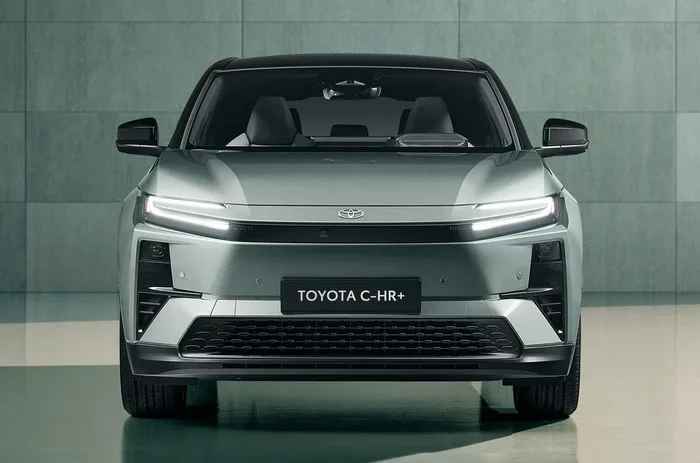
How Long Will a Toyota C-HR Last – What Owners Want to Know
The Toyota C-HR is a stylish compact SUV that can last for many years with proper care. Most owners report that a well-maintained Toyota C-HR can easily reach 200,000 miles or more. Regular maintenance and smart driving habits are the keys to maximizing your Toyota C-HR’s lifespan.
The Toyota C-HR is a compact SUV that turns heads. It offers a unique design and great fuel economy. Many buyers wonder, how long will a Toyota C-HR last? The answer depends on several factors. With regular care, a Toyota C-HR can serve you well for many years. You can expect a C-HR to easily surpass 200,000 miles. Some owners even push past 300,000 miles with diligent maintenance. This guide explores the Toyota C-HR lifespan and what owners need to know. We will cover maintenance, common issues, and real-world mileage data. By the end, you will understand how to make your Toyota C-HR last.
When you buy a car, longevity matters. You want a vehicle that stays reliable for a long time. The Toyota C-HR has a strong reputation for durability. It uses a simple, proven powertrain. The engine and transmission are not overly complex. This helps the Toyota C-HR avoid major failures. Still, no car lasts forever without attention. You must follow a few basic rules. This article breaks down everything you need to know. Let us dive into the Toyota C-HR lifespan and what keeps it running strong.
Key Takeaways
- Toyota C-HR longevity: With proper care, a Toyota C-HR can last 200,000+ miles or 15+ years.
- Maintenance is key: Sticking to the service schedule prevents costly repairs.
- Common issues: Watch for brake wear, suspension parts, and occasional transmission concerns.
- Driving habits matter: Gentle driving extends engine and transmission life.
- Resale value: A well-kept C-HR holds its value well over time.
- Parts availability: Toyota parts are widely available, keeping repair costs manageable.
- Owner satisfaction: Many C-HR owners report high reliability and long-term satisfaction.
📑 Table of Contents
How Long Will a Toyota C-HR Last?
The Toyota C-HR lifespan depends on how you treat it. Most experts agree that a well-maintained Toyota C-HR can last 15 to 20 years. The key is regular maintenance and gentle driving. Many owners report hitting the 200,000-mile mark without major issues. Some C-HRs even reach 300,000 miles. This is impressive for a compact SUV. The Toyota C-HR reliability rating is solid across the board. Consumer reports often give it high marks for dependability. The vehicle has fewer complex electronics than many rivals. This reduces the chance of expensive electrical failures.
Expected Mileage for a Toyota C-HR
So, what is a realistic C-HR longevity goal? Here are some benchmarks to keep in mind.
- 100,000 miles: This is just the halfway point. Most Toyota C-HR models are still in great shape here.
- 150,000 miles: You may need to replace some wear items. Brake pads, suspension parts, and tires are common.
- 200,000 miles: A well-cared-for Toyota C-HR can reach this milestone. The engine and transmission should still be strong.
- 250,000+ miles: This is the realm of dedicated owners. Regular fluid changes and prompt repairs make this possible.
Your driving style plays a big role. City driving with lots of stops can wear brakes faster. Highway cruising is easier on the engine. Cold climates can also affect longevity. Salt and road grime cause rust. A garage-kept C-HR will last longer. Overall, the Toyota C-HR is built to go the distance.
What Affects the Lifespan of a Toyota C-HR?
Several factors determine how many miles your Toyota C-HR will see. Understanding these helps you take control. Some factors are within your control. Others are just part of the car’s design. Let us look at the main elements that shape Toyota C-HR longevity.
Engine and Transmission Durability
The Toyota C-HR uses a 2.0-liter four-cylinder engine. This engine is known for its simplicity. It has a direct injection system that works well. The transmission is a traditional CVT or an automatic. Both are reliable when maintained properly. The engine block and internals are made from durable materials. Toyota designs its engines for long service life. The transmission also benefits from regular fluid changes. A healthy transmission is vital for the Toyota C-HR lifespan. It ensures smooth power delivery for years.
Driving Habits and Conditions
How you drive directly impacts C-HR longevity. Aggressive driving wears out parts faster. Hard acceleration strains the engine and transmission. Late braking overheats the brake rotors. Gentle acceleration and smooth stops help a lot. Road conditions matter too. Driving on smooth highways is easier on the car. Potholes and rough roads stress the suspension. Short trips can also be harmful. The engine does not reach full operating temperature. This leads to moisture buildup in the oil. Try to take your C-HR on longer drives occasionally. It keeps all parts healthy and functioning well.
Maintenance and Service History
This is the most important factor you can control. A strict maintenance schedule keeps the Toyota C-HR running strong. Oil changes are the foundation of engine health. Fresh oil lubricates moving parts and removes debris. The Toyota C-HR maintenance schedule is straightforward. Follow it closely and you will avoid major problems. Here is a quick look at what affects lifespan.
| Factor | Impact on Toyota C-HR Lifespan | Owner Control Level |
|---|---|---|
| Regular oil changes | High positive impact | Full control |
| Transmission fluid changes | High positive impact | Full control |
| Brake maintenance | Moderate impact | Full control |
| Coolant system flushes | High positive impact | Full control |
| Driving habits | High impact | Full control |
| Climate and road conditions | Moderate impact | Low control |
| Manufacturing quality | Baseline reliability | No control |
As you can see, most factors are within your control. Taking charge of maintenance is the best way to ensure C-HR longevity. The Toyota C-HR reliability rating stays high when owners stay on top of service.
Common Issues That Can Shorten a C-HR’s Life
No car is perfect. The Toyota C-HR has a few known issues. Most are minor and easy to fix. Catching them early prevents bigger problems. Here are the common concerns that owners should watch for.
Brake Wear and Suspension Components
The C-HR is a stylish car, but its suspension can be stiff. This leads to faster wear on shocks and struts. Brake pads also wear down over time. City drivers may need to replace brakes more often. The good news is that these are normal wear items. Replacing them on time keeps the Toyota C-HR safe and stable. Ignoring worn brakes can damage rotors and calipers. That leads to more expensive repairs. Stay on top of brake inspections. This simple step protects the Toyota C-HR lifespan.
Transmission Concerns
The CVT transmission in some C-HR models can be a topic of discussion. Some owners report a slight hesitation during acceleration. This is often related to transmission fluid condition. Old or low fluid causes rough operation. Regular fluid changes prevent this issue. Toyota uses a robust transmission design overall. The Toyota C-HR transmission reliability is generally very good. If you notice any unusual behavior, get it checked right away. Early detection saves money and stress. A healthy transmission is essential for the C-HR longevity.
Electrical and Interior Wear
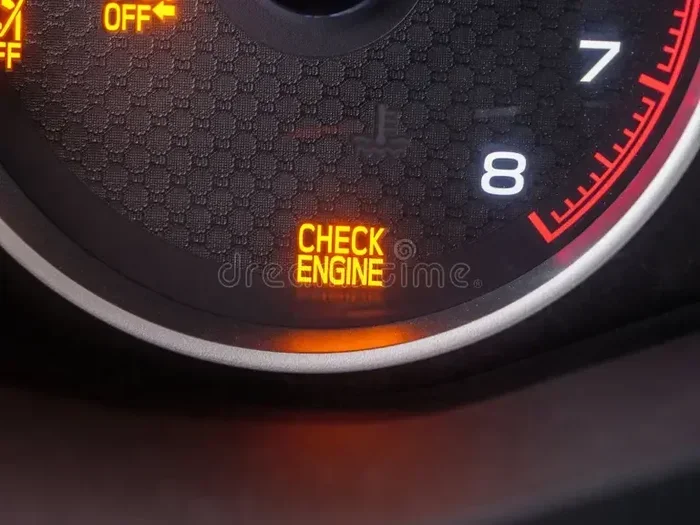
As the C-HR ages, some electrical gremlins may appear. A faulty sensor or a loose connection can trigger a warning light. These are usually minor and inexpensive to fix. The interior also shows wear over time. The seats and dashboard can fade or crack. This depends on sun exposure and care. Using a sunshade helps protect the interior. Overall, these issues do not threaten the Toyota C-HR reliability. They are more about comfort than safety. Address them as they come up to keep the car feeling new.
Quick Tips for Avoiding Common Issues
- Check brake pads every 15,000 miles.
- Change transmission fluid at 60,000 miles.
- Use a sunshade when parked in direct sunlight.
- Address any warning lights immediately.
- Keep the coolant system flushed on schedule.
Maintenance Schedule to Keep Your C-HR Running Strong
Following the Toyota C-HR maintenance schedule is the best investment you can make. A well-serviced car lasts far longer than a neglected one. The schedule is simple and affordable. Let us break down the key service intervals.
Essential Service Intervals
Here is what you need to do to protect your Toyota C-HR lifespan.
- Every 5,000 to 7,500 miles: Change the engine oil and filter. Use the grade recommended in the owner manual.
- Every 15,000 miles: Inspect the brake pads and rotors. Replace them if they are worn thin.
- Every 30,000 miles: Replace the engine air filter and cabin air filter. This keeps the engine breathing clean air.
- Every 60,000 miles: Change the transmission fluid. This is crucial for C-HR longevity.
- Every 100,000 miles: Perform a major service. This includes a coolant flush and a thorough inspection of all belts and hoses.
Sticking to this plan keeps the Toyota C-HR reliability high. It also prevents small issues from becoming big expenses. The Toyota C-HR maintenance cost is reasonable compared to many rivals. Parts are widely available and not overly expensive. This is another reason the C-HR holds up so well over time.
DIY Tips for C-HR Owners
You can do some simple tasks at home to extend your Toyota C-HR’s life. Checking the tire pressure is a great start. Proper inflation improves fuel economy and tire wear. You can also inspect the brake fluid level yourself. Low fluid can indicate a leak. Keep an eye on the coolant reservoir too. Top it off with the correct type of coolant. These small habits add up. They help the Toyota C-HR last for many miles. Always refer to the owner manual for guidance. It is your best friend for car care.
Real-World Mileage: What Owners Report
Real-world data gives us the best picture of Toyota C-HR longevity. Many owners share their high-mileage stories online. These accounts are very encouraging. They show that the C-HR can go the distance with proper care.
High-Mileage C-HR Stories
There are countless examples of Toyota C-HR models surpassing 200,000 miles. One owner reported driving their C-HR for 250,000 miles with only routine maintenance. Another owner shared a story of 300,000 miles on the original engine. These cars required no major engine or transmission work. The secret was consistent oil changes and prompt attention to small issues. These stories prove that the Toyota C-HR is built to last. The C-HR reliability rating is backed by real-world experience.
Owner Satisfaction and Long-Term Reviews
Owner satisfaction surveys consistently rate the Toyota C-HR highly. People love the car’s unique styling and fuel economy. They also appreciate its long-term reliability. A well-kept C-HR becomes a dependable daily driver. The resale value remains strong even after many years. This is a testament to the Toyota C-HR lifespan. When you buy a used C-HR with high mileage, you often get a car that still has plenty of life left. The Toyota C-HR holds its value better than many competitors.
Is the Toyota C-HR Worth the Long-Term Investment?
Buying a Toyota C-HR is a smart choice for long-term ownership. The car offers a blend of style, efficiency, and reliability. But is it worth keeping for many years? The answer is a clear yes for most buyers. Let us look at the cost of ownership and resale value.
Cost of Ownership Over Time
The Toyota C-HR maintenance cost is reasonable. Routine services like oil changes and brake jobs are affordable. The parts are not overly expensive. Toyota has a wide network of dealerships and independent shops. You can find a qualified mechanic easily. The engine and transmission are also very durable. Major repairs are rare before the 150,000-mile mark. This keeps the overall cost of ownership low. A Toyota C-HR is a financially sound choice for those who want a car that lasts.
Resale Value and Depreciation
Depreciation is a concern for many car buyers. The Toyota C-HR depreciates at a moderate rate. It holds its value better than many non-luxury compact SUVs. After five years, a C-HR may lose about 30-40% of its value. This is average for the segment. The strong Toyota C-HR reliability rating helps keep resale prices stable. Buyers look for used C-HRs with clean maintenance records. A well-documented car will sell faster and for more money. This makes the Toyota C-HR a smart long-term investment.
In the end, the Toyota C-HR offers great long-term value. The upfront cost is fair. The ongoing expenses are manageable. And the car itself can last for many years. It is a vehicle that rewards attentive owners. If you take care of your Toyota C-HR, it will take care of you. The Toyota C-HR lifespan is a testament to Toyota’s engineering. You can feel confident that your C-HR will be a reliable companion for a long time.
Conclusion
The Toyota C-HR is a compact SUV that can last for many years. Most owners can expect a Toyota C-HR to easily reach 200,000 miles or more. The key factors are regular maintenance, gentle driving, and prompt attention to small issues. The Toyota C-HR reliability rating is strong, and the cost of ownership remains low. By following the recommended service schedule, you protect your investment and enjoy a worry-free driving experience. The C-HR longevity is well within reach for anyone willing to put in a little effort. So, how long will a Toyota C-HR last? With your care, it can last a very long time indeed.
Frequently Asked Questions
What is the average Toyota C-HR lifespan?
With proper maintenance, a Toyota C-HR can last 15 to 20 years or more. Many owners reach the 200,000-mile mark without major issues. The Toyota C-HR lifespan depends heavily on how well you care for it.
How many miles can a Toyota C-HR last?
A well-maintained Toyota C-HR can easily last 200,000 miles. Some owners report pushing past 300,000 miles. Regular oil changes and transmission fluid changes are the biggest factors in reaching high mileage.
What are the common problems that affect Toyota C-HR longevity?
The most common issues are brake wear and suspension component wear. Some models may show minor transmission hesitation if the fluid is old. Electrical gremlins and interior wear can also appear as the car ages. These are generally minor and do not threaten the core Toyota C-HR reliability.
Is the Toyota C-HR expensive to maintain?
No, the Toyota C-HR maintenance cost is reasonable. Toyota parts are widely available and priced competitively. Routine services like oil changes and brake jobs are affordable. The overall cost of ownership is low compared to many rivals.
Does the Toyota C-HR hold its value over time?
Yes, the Toyota C-HR holds its value better than many compact SUVs. The strong reliability rating helps keep resale prices stable. A well-documented C-HR with a clean service history sells faster and for more money.
Can I extend my Toyota C-HR’s life with DIY maintenance?
Absolutely. Simple tasks like checking tire pressure, inspecting brake fluid, and topping off coolant can make a big difference. Following the recommended service schedule and addressing small issues promptly are the best ways to ensure your Toyota C-HR lasts a long time.