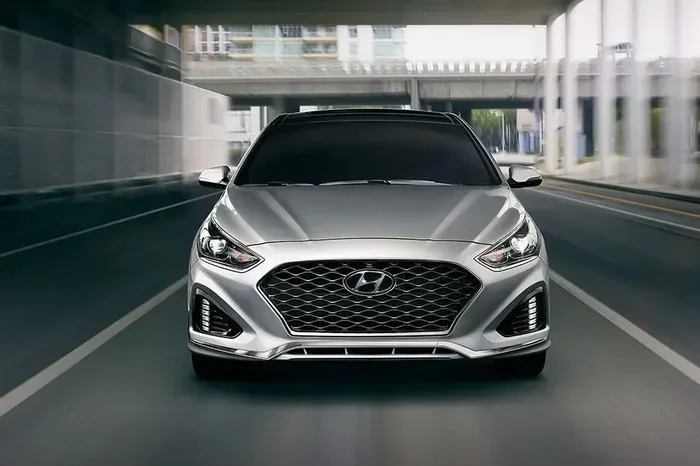
How Many Gallons Does a Hyundai Sonata Fuel Tank Hold
The Hyundai Sonata fuel tank capacity varies by generation and trim, typically holding between 14.8 and 16.3 gallons of gas. This means most Sonata models can travel 450 to 600 miles on a full tank depending on driving conditions. Whether you own a Sonata SE, Limited, or Hybrid, understanding your fuel tank size helps you plan trips and budget for gas.
If you have ever pulled up to a gas station and wondered exactly how much fuel your car can take, you are not alone. Many Hyundai Sonata owners want to know the fuel tank size. It matters for road trips, daily commutes, and even resale value. The answer to how many gallons does a Hyundai Sonata fuel tank hold depends on the model year, trim level, and engine type.
This guide breaks down everything you need to know about the Hyundai Sonata fuel tank capacity. We will look at every generation, compare gas and hybrid models, and share tips to get the most out of every gallon. Whether you just bought a Sonata or are thinking about making the switch, this article has you covered.
Key Takeaways
- Standard Tank Size: Most Hyundai Sonata models carry between 14.8 and 16.3 gallons in the fuel tank.
- Hybrid Option: The Sonata Hybrid uses a smaller 1.76-gallon gasoline tank paired with an electric battery for extended range.
- Fuel Economy Varies: City MPG ranges from 27 to 36, while highway MPG can reach 40 to 52 depending on the trim and engine.
- Model Year Matters: Newer Sonata generations feature slightly larger tanks and improved fuel efficiency compared to older models.
- Maximizing Range: Simple driving habits can push your Sonata closer to 600 miles per full tank on the highway.
- Knowing Your Capacity: Understanding your fuel tank size helps with trip planning and avoiding running out of gas.
📑 Table of Contents
- How Many Gallons Does a Hyundai Sonata Fuel Tank Hold?
- Fuel Tank Capacity by Hyundai Sonata Generation
- Hyundai Sonata Fuel Economy: What to Expect
- How Far Can a Hyundai Sonata Go on a Full Tank?
- Tips to Maximize Your Hyundai Sonata Fuel Efficiency
- Common Mistakes That Drain Your Sonata’s Gas Tank
- Expert Insights on Hyundai Sonata Fuel Capacity
- Comparing Hyundai Sonata Fuel Tank to Competitors
- How to Check Your Exact Hyundai Sonata Fuel Tank Capacity
- Final Thoughts
How Many Gallons Does a Hyundai Sonata Fuel Tank Hold?
The standard Hyundai Sonata fuel tank holds between 14.8 and 16.3 gallons. This range covers most model years from 2015 through the latest 2024 lineup. The exact number depends on the specific trim and generation you are driving.
For example, the 2024 Hyundai Sonata base SE trim comes with a 14.8-gallon fuel tank. The higher trims like the Limited and Ultimate may use a slightly larger 16.3-gallon tank. These differences might seem small, but they add up when calculating your total driving range.
Here is a quick breakdown of the typical fuel tank sizes across recent Sonata models:
- 2015-2019 Sonata: 14.8 to 15.3 gallons
- 2020-2022 Sonata: 14.8 to 16.3 gallons
- 2023-2024 Sonata: 14.8 to 16.3 gallons
- Sonata Hybrid: 1.76 gallons (gasoline portion only)
Knowing your exact tank size helps you estimate fuel costs and plan long drives. You can find the official number in your owner’s manual or on the manufacturer’s website. Always double-check before relying on third-party sources.
Why Tank Size Matters
The size of your fuel tank directly affects how far you can drive between fill-ups. A larger tank means fewer trips to the gas station. For drivers who cover long distances daily, this is a big deal. It also affects the overall weight of the vehicle, which can influence fuel efficiency slightly.
When shopping for a new Sonata, pay attention to the tank capacity. A model with a 16.3-gallon tank gives you roughly 15% more range than one with 14.8 gallons. That extra range can make a real difference on road trips or commutes through areas with few gas stations.
Fuel Tank Capacity by Hyundai Sonata Generation
The Hyundai Sonata has gone through several generations since its debut. Each generation brought changes to the fuel tank design. Let us walk through the major generations and their fuel capacities.
Seventh Generation (2015-2019)
The seventh-generation Sonata featured a fuel tank capacity of 14.8 gallons in most trims. Some models with the larger engine option used a 15.3-gallon tank. This generation was popular for its sleek design and solid fuel economy. Many drivers still rely on these Sonatas today, and knowing the tank size helps with maintenance and parts shopping.
Eighth Generation (2020-2023)
The eighth-generation Sonata introduced a slightly larger fuel tank in higher trims. The base models kept the 14.8-gallon capacity, while top-tier trims expanded to 16.3 gallons. This generation also brought improved engine technology, which boosted the Sonata fuel economy numbers. The 2020 Sonata was a standout year for combining style with efficiency.
Ninth Generation (2024 and Beyond)
The latest Sonata generation continues the trend of offering generous fuel capacity. The 2024 models carry between 14.8 and 16.3 gallons depending on the trim. Hyundai also refined the aerodynamics of the ninth-generation Sonata, which contributes to better gas mileage. If you are buying a new Sonata today, you are getting one of the most fuel-efficient versions ever made.
Sonata Hybrid Fuel Tank Size
The Hyundai Sonata Hybrid is a different beast entirely. It uses a much smaller gasoline tank of just 1.76 gallons. This is because the hybrid system relies on both a gasoline engine and an electric motor. The small gas tank is supplemented by a high-voltage battery pack that stores energy for electric driving. Together, the hybrid system delivers an impressive total range of over 600 miles on a single charge and fill-up.
If you are considering the Sonata Hybrid, do not let the small gas tank fool you. The combination of electric power and gasoline gives you excellent range without needing frequent fill-ups. It is one of the best fuel-efficient sedans on the market today.
Hyundai Sonata Fuel Economy: What to Expect
Fuel tank size and fuel economy go hand in hand. A bigger tank means more range, but the engine efficiency determines how far each gallon takes you. Let us look at the expected MPG figures for different Sonata configurations.
City vs Highway MPG
The Hyundai Sonata delivers different fuel economy numbers depending on driving conditions. City driving typically yields lower MPG because of stop-and-go traffic. Highway driving allows the engine to maintain a steady speed, which improves efficiency.
Here are the general fuel economy estimates for recent Sonata models:
- Base 2.5L Engine (City): 27 to 30 MPG
- Base 2.5L Engine (Highway): 37 to 40 MPG
- Turbocharged 1.6L Engine (City): 27 to 30 MPG
- Turbocharged 1.6L Engine (Highway): 35 to 38 MPG
- Sonata Hybrid (Combined): 50 to 52 MPG
These numbers can vary based on driving habits, road conditions, and vehicle maintenance. Keeping your tires properly inflated and following the recommended maintenance schedule helps you stay close to these estimates.
How to Calculate Your Real-World Fuel Economy
Your actual fuel economy may differ from the EPA estimates. The best way to know your real MPG is to track it yourself. Here is a simple method:
- Fill your tank completely and reset the trip odometer.
- Drive normally until you need to refuel.
- Record the number of gallons it takes to fill up and the miles driven.
- Divide miles by gallons to get your MPG.
Repeat this process over several fill-ups for an accurate average. Many modern Sonata models also display real-time fuel economy on the dashboard display. Use this feature to monitor your driving habits and adjust accordingly.
How Far Can a Hyundai Sonata Go on a Full Tank?
One of the most common questions Sonata owners ask is about driving range. How far can you really go before the gas light comes on? And how far can you push it after that warning light appears?
Estimated Range by Trim
The driving range depends on both tank size and fuel economy. Here are some realistic estimates for a full tank:
- Sonata SE with 14.8-gallon tank at 35 MPG highway: Approximately 518 miles
- Sonata Limited with 16.3-gallon tank at 38 MPG highway: Approximately 620 miles
- Sonata Hybrid with 1.76-gallon tank at 52 MPG combined: Approximately 550+ miles (including electric range)
- City driving average at 28 MPG with 14.8 gallons: Approximately 414 miles
These numbers show why the Hyundai Sonata is such a popular choice for road trips. Even with city driving, you can comfortably cover 400 miles or more on a single tank. The hybrid version pushes that number even higher thanks to its electric assist.
When Does the Low Fuel Light Come On?
Most Hyundai Sonata models trigger the low fuel warning when approximately 2.5 to 3 gallons of fuel remain. This gives you a buffer of roughly 80 to 100 miles of highway driving. However, do not rely on this as a precise measure. Driving habits, terrain, and speed all affect how far you can go on those remaining gallons.
Pro tip: When the low fuel light comes on, try to find a gas station within 20 to 30 miles. Running your tank completely dry can damage the fuel pump over time. It is always better to refuel early and avoid any risk.
Does the Sonata Tell You Exact Range?
Yes, most recent Sonata models include a trip computer that estimates remaining driving range. This feature takes your current fuel level and average fuel economy to give you a real-time estimate. It is a handy tool for planning stops on long drives. If your Sonata has this feature, make sure to keep an eye on it during road trips.
Tips to Maximize Your Hyundai Sonata Fuel Efficiency
Want to squeeze every last mile out of each gallon? Small changes in how you drive and maintain your Sonata can make a big difference. Here are proven strategies to improve your fuel economy.
Drive Smoothly and Steadily
Aggressive driving kills fuel efficiency. Rapid acceleration and hard braking waste gas. Instead, accelerate gently and maintain a steady speed. Use cruise control on highways to keep your speed consistent. These simple changes can improve your MPG by 10 to 15 percent over time.
Keep Your Tires Properly Inflated
Underinflated tires create more rolling resistance, which forces the engine to work harder. Check your tire pressure at least once a month. The recommended pressure for the Sonata is typically listed on a sticker inside the driver’s door jamb. Keeping tires at the correct pressure is one of the easiest ways to boost fuel economy.
Reduce Excess Weight
Extra weight in your trunk makes the engine work harder. Remove any unnecessary items from your vehicle. A heavy load of golf clubs, tools, or luggage can reduce your MPG noticeably. Travel light whenever possible to keep your Sonata running efficiently.
Use the Right Motor Oil
Using the manufacturer-recommended motor oil reduces engine friction. Check your owner’s manual for the correct viscosity grade. Switching to a high-quality synthetic oil can also improve long-term engine health and efficiency. This is a small change that pays off over thousands of miles.
Keep Up with Regular Maintenance
A well-maintained engine runs more efficiently. Replace your air filter on schedule. Keep the fuel system clean with periodic fuel injector cleaning. Fresh spark plugs also contribute to better combustion and fuel economy. Follow the maintenance schedule in your owner’s manual to keep your Sonata running at its best.
Avoid Excessive Idling
Idling wastes fuel without moving the car forward. If you expect to stop for more than 30 seconds, turn off the engine. Modern Sonata models have auto start-stop features that handle this automatically. If your model does not, make it a habit to shut off the engine when parked for extended periods.
Common Mistakes That Drain Your Sonata’s Gas Tank
Even the most fuel-efficient cars lose MPG when drivers make avoidable mistakes. Here are the most common errors that waste gas in a Hyundai Sonata.
Ignoring the Check Engine Light
A glowing check engine light can signal problems that reduce fuel efficiency. Issues like a loose gas cap, faulty oxygen sensor, or malfunctioning catalytic converter all hurt your MPG. Address these warnings promptly to avoid wasting fuel and costly repairs down the road.
Using the Wrong Fuel Grade
Most Sonata models run perfectly fine on regular unleaded gasoline. Using premium fuel when it is not required wastes money without improving performance. Check your owner’s manual to confirm the recommended fuel grade. Stick with what the manufacturer specifies and save your extra cash.
Skipping Oil Changes
Dirty or low oil increases engine friction and reduces efficiency. Skipping oil changes is one of the fastest ways to hurt your fuel economy. Follow the recommended oil change interval for your Sonata, and use the correct grade of oil. Your engine and your gas tank will thank you.
Overusing the Air Conditioning
Running the AC at full blast puts extra load on the engine, which increases fuel consumption. At lower speeds, consider rolling down the windows instead. On the highway, closed windows with moderate AC use is actually more efficient than open windows due to reduced aerodynamic drag. Finding the right balance makes a difference.
Rapid Acceleration from Stoplights
Jackrabbit starts are a major fuel waster. Gentle acceleration from traffic lights and stop signs can improve your city MPG significantly. Try to anticipate traffic flow and ease off the gas pedal early when you see lights ahead. Smooth driving saves gas and reduces wear on your brakes.
Expert Insights on Hyundai Sonata Fuel Capacity
Automotive experts consistently praise the Hyundai Sonata for its balanced fuel tank design. The 14.8 to 16.3-gallon range strikes a sweet spot between range and vehicle weight. According to industry reviews, the Sonata competes well with other midsize sedans like the Toyota Camry and Honda Accord in terms of fuel capacity and efficiency.
Car and Driver and Edmunds have both noted that the Sonata Hybrid offers the best real-world fuel economy among its competitors. The combination of a small gas tank and electric motor gives drivers exceptional range without the need for frequent charging. For drivers who want to minimize trips to the pump, the Sonata Hybrid is a standout choice.
Maintenance professionals also emphasize the importance of knowing your fuel tank capacity. When scheduling fuel system services or replacing fuel filters, technicians need to know the exact tank size. This information ensures proper diagnostics and prevents unnecessary work. Always keep your owner’s manual handy for reference.
Comparing Hyundai Sonata Fuel Tank to Competitors
How does the Sonata fuel tank stack up against other popular midsize sedans? Here is a quick comparison of fuel tank capacities across the segment:
- Hyundai Sonata: 14.8 to 16.3 gallons
- Toyota Camry: 15.8 to 16.0 gallons
- Honda Accord: 14.8 to 15.3 gallons
- Kia K5: 14.8 to 15.3 gallons
- Ford Mustang (Fastback): 15.5 to 19.0 gallons
The Sonata holds its own against the competition. The Camry and Sonata offer very similar fuel capacity, while the Accord comes in slightly lower on some trims. The Kia K5, being a sister vehicle to the Sonata, shares the same platform and tank design. This shows Hyundai and Kia share engineering resources to deliver consistent quality across their lineup.
How to Check Your Exact Hyundai Sonata Fuel Tank Capacity
If you want to confirm the exact fuel tank size for your specific Sonata, there are a few reliable methods. The owner’s manual is the most accurate source. Look in the specifications section for the fuel tank capacity in gallons. This number is specific to your exact model year and trim.
You can also visit the official Hyundai website and enter your Sonata’s year and trim. The vehicle details page will list the fuel tank capacity along with other specifications. For the most precise information, your local Hyundai dealer can look up your vehicle using the VIN number.
Some owners also check the fuel filler door itself. On certain Sonata models, a label near the fuel cap displays the recommended fuel type and tank capacity. This is a quick reference if you do not have access to the manual or website.
Final Thoughts
Understanding how many gallons your Hyundai Sonata fuel tank holds is essential for smart driving. Whether you have a 14.8-gallon tank or a 16.3-gallon tank, knowing your capacity helps you plan trips, budget for fuel, and avoid running out of gas. The Sonata delivers impressive range across all its trims, and the hybrid version takes efficiency to another level entirely.
Take a few minutes to look up your specific model’s fuel tank capacity. Combine that knowledge with the fuel-saving tips in this article, and you will get the most out of every gallon. Your Sonata is a well-engineered vehicle, and with proper care, it will keep you moving efficiently for miles to come.
Drive smart, maintain your vehicle, and enjoy the confidence that comes with knowing exactly what your fuel tank can hold. The Hyundai Sonata is built to go the distance, and now you have the knowledge to make every tank of gas count.
Frequently Asked Questions
What is the fuel tank size for a 2024 Hyundai Sonata?
The 2024 Hyundai Sonata fuel tank holds between 14.8 and 16.3 gallons depending on the trim level. The base SE trim uses a 14.8-gallon tank, while higher trims like Limited and Ultimate feature a 16.3-gallon tank. Check your owner’s manual for the exact number for your specific configuration.
Can you fit 20 gallons in a Hyundai Sonata?
No, the Hyundai Sonata cannot hold 20 gallons of fuel. The maximum tank capacity across all model years is 16.3 gallons. The smallest tank is 14.8 gallons. The Sonata Hybrid uses an even smaller 1.76-gallon gasoline tank, supplemented by its electric battery system for extended range.
How many miles can a Hyundai Sonata drive on a full tank?
A Hyundai Sonata can drive between 450 and 620 miles on a full tank depending on the model and driving conditions. Highway driving at steady speeds yields the best range. The Sonata Hybrid can exceed 550 miles thanks to its combined electric and gasoline powertrain. City driving typically reduces the range to around 400 to 450 miles.
Does the Hyundai Sonata Hybrid have a bigger fuel tank?
No, the Sonata Hybrid actually has a smaller gasoline tank at just 1.76 gallons. However, it compensates with an electric motor and battery pack that work alongside the gasoline engine. This hybrid system delivers exceptional fuel efficiency and a total range that surpasses many conventional Sonata models.
How often do you need to fill up a Hyundai Sonata?
For most drivers, filling up every 7 to 10 days is typical with a Hyundai Sonata. This depends on your daily mileage, driving habits, and whether you drive mostly city or highway. A Sonata with a 16.3-gallon tank and good highway MPG can go over 500 miles between fill-ups.
Is it bad to run a Hyundai Sonata on empty?
Yes, running your Sonata on empty is not recommended. It can cause the fuel pump to overheat and wear out prematurely. Sediment from the bottom of the tank can also get pulled into the fuel system, causing clogs. When the low fuel light comes on, refuel as soon as possible to protect your engine.
=== CONCLUSION ===
The Hyundai Sonata fuel tank capacity ranges from 14.8 to 16.3 gallons for gas models and 1.76 gallons for the hybrid version. This makes the Sonata a versatile and efficient choice for daily commuting and long road trips alike. Understanding your specific fuel tank size helps you plan better, save money, and drive with confidence.
Combine this knowledge with smart driving habits and regular maintenance, and your Sonata will reward you with excellent fuel economy and reliability for years to come. The next time you pull into a gas station, you will know exactly how much fuel your tank can hold and how far you can go on every gallon.