Why Is My Hybrid System Not Working And How To Fix It
Your hybrid system can stop working for many reasons, from a weak 12-volt battery to a failing hybrid battery or faulty inverter. Understanding the root cause helps you save money and avoid costly repairs. This guide walks you through every common problem and shows you exactly how to fix it yourself or when to call a pro.
You turn the key or press the start button, and nothing happens. Or maybe your car starts but the hybrid system warning light glows on the dash like a red flag. A hybrid system not working can feel scary, especially when you rely on your vehicle every day.
The good news is that most hybrid problems have simple causes and even simpler fixes. Whether it is a dead auxiliary battery, a worn-out hybrid battery, or a glitch in the power electronics, you can figure it out. This guide breaks down every common reason your hybrid system might fail and gives you clear steps to get back on the road.
We will cover everything from basic troubleshooting to advanced diagnostics. You do not need to be a mechanic to understand what is going on. Just read through the sections that match your situation, and you will know exactly what to do next.
Key Takeaways
- Dead or weak 12-volt battery: This is the most common reason a hybrid system fails to start or operate correctly.
- Degraded hybrid battery: Over time, the high-voltage hybrid battery loses capacity and triggers warning lights.
- Faulty inverter or power electronics: A bad inverter can cut power to the electric motor entirely.
- Coolant system leaks: Hybrid systems rely on coolant, and leaks cause overheating and shutdowns.
- Check engine light and DTCs: Diagnostic trouble codes give you fast clues about what is wrong.
- Regenerative braking issues: Problems with regenerative braking reduce efficiency and can trigger system faults.
- Regular maintenance prevents most issues: Staying on top of hybrid vehicle maintenance keeps your car running smoothly.
📑 Table of Contents
- Why Is My Hybrid System Not Working?
- Dead or Weak 12-Volt Auxiliary Battery
- Degraded Hybrid Battery
- Inverter and Power Electronics Failure
- Coolant System Problems
- Diagnostic Trouble Codes and OBD-II Scanning
- How to Fix Common Hybrid System Problems at Home
- When to Call a Professional
- Preventing Hybrid System Problems
- Final Thoughts on Fixing Your Hybrid System
Why Is My Hybrid System Not Working?
When your hybrid system stops working, the first thing to do is stay calm. Most issues fall into a few common categories. Once you understand the categories, you can narrow down the cause quickly.
Hybrid vehicles use both an electric motor and a gasoline engine. They also rely on a complex network of sensors, computers, and power electronics. When any one of these parts fails, the whole system can shut down. This is your car’s way of protecting itself from further damage.
The most frequent culprits include a weak 12-volt auxiliary battery, a degraded high-voltage hybrid battery, inverter failure, coolant leaks, and faulty sensors. Each of these problems shows different symptoms. Learning to recognize those symptoms saves you time and money.
Common Symptoms of a Failing Hybrid System
Before you start diagnosing, it helps to know what to look for. Here are the most common signs that something is wrong with your hybrid powertrain:
- Warning lights on the dashboard: The hybrid system light, check engine light, or red power mode indicator may illuminate.
- Car will not start: You press the button and get nothing, or the car clicks but does not crank.
- Reduced power: The car feels sluggish and struggles to accelerate, even on the highway.
- Poor fuel efficiency: Your gas mileage drops suddenly, which is a telltale sign of hybrid system problems.
- Strange noises: Grinding, whining, or buzzing sounds coming from the engine bay or under the car.
- Battery warning light: A battery-shaped icon or “check hybrid system” message appears on the display.
- Car goes into limp mode: The vehicle limits speed and power to protect the drivetrain from damage.
If you notice any of these symptoms, do not ignore them. Early detection often means a cheaper repair. Waiting too long can turn a small issue into a major one.
Dead or Weak 12-Volt Auxiliary Battery
This is the number one reason hybrid systems fail to start. Unlike regular cars, hybrids have two batteries. The high-voltage hybrid battery powers the electric motor. The smaller 12-volt auxiliary battery runs the car’s computers, lights, and starter system.
When the 12-volt battery dies, your hybrid system simply cannot function. The car will not start, and all the electronics go dark. This happens more often than people think, especially in cars that sit unused for a while.
How to Check Your 12-Volt Battery
You can test the 12-volt battery yourself with a simple multimeter. Here is what to do:
- Turn off the car and all accessories.
- Set your multimeter to DC voltage.
- Touch the red probe to the positive terminal and the black probe to the negative terminal.
- A healthy battery reads 12.6 volts or higher.
- If it reads below 12.0 volts, the battery is weak and needs charging or replacement.
If the battery is dead, try jump-starting it with another car or a portable jump starter. Once the car starts, let it run for at least 30 minutes to recharge. If the battery keeps dying, replace it. A new 12-volt battery costs between $100 and $200 and is one of the easiest hybrid battery replacements to do yourself.
Quick Tip: If your hybrid sits idle for more than two weeks, use a battery maintainer. It keeps the 12-volt battery topped off and prevents this very common problem.
Degraded Hybrid Battery
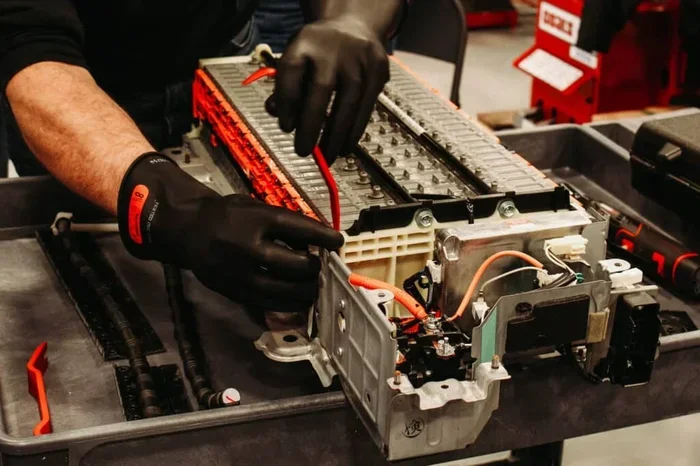
Your hybrid battery is the heart of the system. Over thousands of miles, the battery cells lose their ability to hold a full charge. This degradation is natural, but it can cause serious hybrid system issues when it gets bad enough.
A failing hybrid battery often shows these signs:
- The battery health indicator on your dashboard drops below normal levels.
- The car relies more on the gasoline engine than usual.
- You notice a significant drop in fuel efficiency.
- The check engine light or hybrid warning light comes on.
- The car struggles to start or shuts off unexpectedly.
Can You Fix a Bad Hybrid Battery?
In many cases, you do not need to replace the entire hybrid battery pack. Often, just one or two cells are weak, and the whole pack suffers. A hybrid battery specialist can test individual cells and replace only the bad ones.
This cell-level repair costs much less than a full pack replacement. A full hybrid battery replacement can run anywhere from $2,000 to $8,000 depending on the vehicle model. Cell replacement might cost you a few hundred dollars instead.
Expert Insight: Always get a hybrid battery health check before committing to a full replacement. Many shops offer free or low-cost diagnostics. You might save thousands of dollars with a simple repair.
Inverter and Power Electronics Failure
The inverter is a critical part of your hybrid system. It converts the direct current (DC) from the hybrid battery into alternating current (AC) that the electric motor needs to run. When the inverter fails, the electric motor cannot work, and your car loses its hybrid power.
Inverter problems often show up as sudden power loss, error messages on the dashboard, or the car switching to gasoline-only mode without warning. Some vehicles also make a buzzing or clicking noise from the inverter when it starts to fail.
What Causes Inverter Failure?
Several factors can damage the inverter over time:
- Overheating: The inverter generates heat during operation. If the cooling system fails, the inverter can overheat and burn out.
- Moisture intrusion: Water or condensation inside the inverter housing causes corrosion and short circuits.
- Age and wear: Like all electronic components, inverters have a lifespan. After 100,000 to 150,000 miles, failure becomes more likely.
- Voltage spikes: Jump-starting incorrectly or using a faulty charger can send voltage spikes that damage sensitive electronics.
If you suspect an inverter problem, have a qualified technician run a diagnostic scan. They can read the diagnostic trouble codes and pinpoint the exact issue. Replacing an inverter typically costs between $1,500 and $3,000, but some repairs are covered under warranty.
Coolant System Problems
Hybrid systems generate heat, and they need a properly functioning coolant system to stay cool. When the coolant level drops or a leak develops, the system can overheat and shut down to prevent damage.
Coolant issues are especially common in older hybrid vehicles or cars that have not had regular maintenance. A low coolant level triggers warning lights and can cause the hybrid system to go into protective mode.
How to Spot a Coolant Leak
Look for these signs of a coolant leak in your hybrid vehicle:
- Fluid puddles under the car, especially green, orange, or pink colored liquid.
- The temperature gauge reads higher than normal.
- You smell a sweet, syrupy odor near the engine bay.
- The heater inside the car stops blowing warm air.
- The hybrid system light comes on after the car warms up.
If you find a leak, do not ignore it. Top off the coolant temporarily and have a mechanic inspect the system. Common leak points include the radiator, hoses, water pump, and heater core. Fixing a small leak early prevents expensive engine damage later.
Quick Tip: Check your coolant level once a month. It takes only a minute and can prevent many hybrid system problems before they start.
Diagnostic Trouble Codes and OBD-II Scanning
Modern hybrid vehicles are packed with sensors and computers. When something goes wrong, the car stores a diagnostic trouble code (DTC) in its memory. Reading these codes is the fastest way to find out exactly what is wrong with your hybrid system.
You can buy an OBD-II scanner for under $50 at any auto parts store. Plug it into the diagnostic port under your dashboard, and it will pull up the stored codes. Each code tells you which system or component triggered the fault.
Common Hybrid DTCs You Should Know
Here are some diagnostic trouble codes you might see when your hybrid system is not working:
- P0A0F: Hybrid battery performance issue.
- P0AA6: Hybrid battery voltage sensor malfunction.
- P0EB7: Battery energy control module issue.
- P0A80: Replace hybrid battery pack.
- P0A7F: Hybrid battery cell voltage mismatch.
- P0A6F: Hybrid battery pack temperature sensor fault.
Once you have the code, you can look it up online or share it with a mechanic. This saves you from guessing and spending money on unnecessary parts. Many auto parts stores will read the codes for free if you bring the car in.
How to Fix Common Hybrid System Problems at Home
Not every hybrid problem requires a trip to the mechanic. Some fixes are simple enough to do at home with basic tools. Here are the most common issues you can handle yourself.
Reset the Hybrid System
Sometimes the hybrid system just needs a reset. This clears temporary glitches and refreshes the system. To reset, follow these steps:
- Turn off the engine and remove the key or press the start button to shut down.
- Disconnect the 12-volt battery negative terminal.
- Wait for at least 15 minutes.
- Reconnect the negative terminal and tighten it securely.
- Start the car and let it idle for a few minutes.
This simple reset clears many minor faults and can restore normal hybrid operation. It works like restarting a computer. If the problem persists after a reset, move on to the next step.
Check and Replace Fuses
Hybrid vehicles have multiple fuse boxes, both inside the cabin and under the hood. A blown fuse can cut power to the hybrid system or specific components like the inverter or battery management module. Check your owner’s manual to locate the fuse box and identify the hybrid-related fuses.
Use a fuse tester or visual inspection to check each fuse. Replace any blown fuses with the correct amperage rating. If a fuse blows again after replacement, there is a deeper electrical issue that needs professional attention.
Update Software and Firmware
Some hybrid system problems are caused by outdated software. Manufacturers occasionally release updates that fix bugs and improve system performance. Check with your dealer to see if a software update is available for your vehicle model.
Dealers can often perform the update for free or at a low cost. This is a quick fix that many car owners overlook when troubleshooting hybrid problems.
When to Call a Professional
While many hybrid issues can be fixed at home, some problems require a trained professional. Here are the situations where you should definitely call a mechanic:
- The hybrid battery health is below 40% and declining rapidly.
- You see the red power mode or serious hybrid warning light.
- The car shuts off while driving or will not restart.
- You smell burning plastic or electrical insulation near the powertrain.
- The inverter or power electronics need replacement.
- You have checked all the simple fixes and the problem still persists.
Hybrid systems operate at very high voltages, typically between 200 and 400 volts. Working on the high-voltage components without proper training and equipment is dangerous. Always leave high-voltage repairs to certified hybrid technicians.
Expert Insight: Ask your mechanic if they are ASE-certified in hybrid repair. Not all technicians have the training or equipment to work safely on hybrid systems. A certified professional ensures the job is done right and safely.
Preventing Hybrid System Problems
The best way to deal with a hybrid system not working is to prevent the problem in the first place. Regular maintenance and good driving habits go a long way in keeping your hybrid system healthy and reliable.
Maintenance Tips for Hybrid Vehicles
- Follow the maintenance schedule: Stick to the manufacturer’s recommended service intervals for oil changes, coolant flushes, and inspections.
- Monitor hybrid battery health: Use your car’s built-in display or an aftermarket app to track battery health over time.
- Keep the 12-volt battery charged: Drive your car regularly or use a battery maintainer if it sits idle.
- Check coolant levels monthly: Top off as needed and watch for leaks.
- Drive smoothly: Avoid aggressive acceleration and hard braking, which put extra stress on the hybrid battery and regenerative braking system.
- Keep software up to date: Ask your dealer about available updates at each service visit.
Taking care of your hybrid vehicle does not require a lot of time or money. A few simple habits can add years of reliable service and keep your fuel efficiency high.
Understanding Hybrid Battery Lifespan
Most hybrid batteries are designed to last between 100,000 and 150,000 miles. Some last even longer with proper care. The key factors that affect hybrid battery lifespan include driving habits, climate, and maintenance frequency.
Hot climates tend to degrade batteries faster because heat accelerates chemical breakdown inside the cells. If you live in a warm area, pay extra attention to your cooling system and battery health. Using seat cooling instead of blasting the AC can also reduce the load on the hybrid system.
Cold climates present a different challenge. Low temperatures reduce battery efficiency and can cause the car to rely more on the gasoline engine. Keeping your car garaged or using a battery blanket in winter helps maintain performance.
Final Thoughts on Fixing Your Hybrid System
A hybrid system not working does not mean your car is done for. In most cases, the problem is something simple and fixable. Start with the basics: check the 12-volt battery, look for warning lights, and try a system reset. If those steps do not work, move on to checking the hybrid battery health, coolant levels, and fuses.
Use an OBD-II scanner to read diagnostic trouble codes. These codes give you a clear direction for your next step. And when the problem is beyond your skill level, do not hesitate to call a professional. Hybrid systems are complex, but they are also well-understood by trained technicians.
The most important thing is to act quickly. Ignoring a hybrid system problem can lead to bigger issues and higher repair costs. The sooner you diagnose and fix the issue, the sooner you get back to enjoying the fuel savings and smooth driving that make hybrids so appealing.
Keep this guide bookmarked. The next time your hybrid system acts up, you will know exactly what to do. And with regular maintenance and smart driving habits, you can keep your hybrid running strong for many miles to come.
Frequently Asked Questions
Why did my hybrid system suddenly stop working?
The most common reason is a dead or weak 12-volt auxiliary battery. When this small battery dies, the hybrid system cannot power on or communicate with the car’s computers. Other causes include a degraded hybrid battery, inverter failure, or a blown fuse in the hybrid system circuit.
How much does it cost to fix a hybrid system not working?
Costs vary widely depending on the cause. A 12-volt battery replacement costs $100 to $200. A hybrid battery cell repair might run $200 to $500. A full hybrid battery replacement can cost $2,000 to $8,000. Inverter repairs typically range from $1,500 to $3,000. Always get a proper diagnosis before committing to a repair.
Can I still drive my hybrid if the hybrid system light is on?
In most cases, yes, but with limitations. The car may switch to gasoline-only mode or enter limp mode to protect the drivetrain. You will have reduced power and lower fuel efficiency. Drive to a safe location or mechanic and have the issue diagnosed as soon as possible.
How do I reset my hybrid system?
You can reset the hybrid system by disconnecting the 12-volt battery negative terminal for 15 minutes. Reconnect it and start the car. This clears temporary faults and resets the hybrid control module. If the problem is real, the warning light will return after the reset.
Is it safe to work on a hybrid system myself?
Working on the 12-volt battery, fuses, and coolant system is generally safe. However, the high-voltage hybrid battery and inverter operate at 200 to 400 volts, which can be lethal. Leave all high-voltage component repairs to certified hybrid technicians with the proper tools and training.
How long does a hybrid battery last before needing replacement?
Most hybrid batteries last between 100,000 and 150,000 miles. Some last longer with proper maintenance. Factors like extreme temperatures, aggressive driving, and irregular maintenance can shorten the lifespan. Monitoring battery health regularly helps you catch degradation early and plan for replacement.
=== CONCLUSION ===
A hybrid system not working can stem from many different causes, but the fix is almost always within reach. The most common issues like a dead 12-volt battery, degraded hybrid battery, or inverter failure all have clear symptoms and proven solutions. By following the steps in this guide, you can diagnose the problem yourself and decide whether to fix it at home or visit a professional.
Remember that regular hybrid vehicle maintenance is your best defense against unexpected breakdowns. Check your 12-volt battery, monitor coolant levels, and keep an eye on hybrid battery health. These small habits prevent big problems.
Use the diagnostic trouble codes and OBD-II scanning to get precise answers when the check engine light comes on. And when the problem is beyond your expertise, trust a certified hybrid technician to get the job done safely and correctly.
Now you have the knowledge to tackle hybrid system issues with confidence. Apply what you learned here, and you will keep your hybrid vehicle running smoothly for years to come.