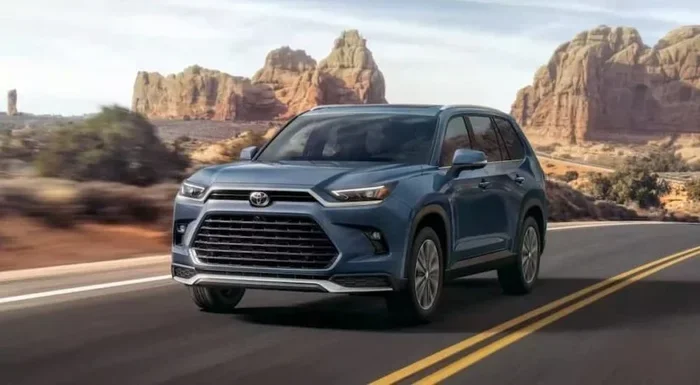
How Many Miles Can a Toyota Highlander Last on the Road
The Toyota Highlander is built to last, with most models reaching 200,000 to 300,000 miles when properly maintained. This midsize SUV earns a reputation for exceptional durability, strong resale value, and low ownership costs. Regular maintenance and smart driving habits play a huge role in extending your Highlander’s lifespan. Let’s dive into everything you need to know about Toyota Highlander mileage and longevity.
The Toyota Highlander stands out as one of the most reliable SUVs on the road today. When people ask about Toyota Highlander mileage and lifespan, the answer is almost always impressive. This midsize SUV has earned a loyal following thanks to its durability, comfort, and long-term value.
So how many miles can a Toyota Highlander last? The short answer is that most Highlander models can run well past 200,000 miles. With consistent care, many owners push their Highlanders beyond 300,000 miles. That kind of longevity makes it one of the best choices for anyone looking for a dependable family SUV.
In this article, we will break down everything about Toyota Highlander longevity. We will cover engine reliability, maintenance needs, common issues, and tips to help your Highlander last as long as possible. Whether you own one now or are thinking about buying one, this guide has you covered.
Key Takeaways
- Long Lifespan: A well-maintained Toyota Highlander can easily surpass 200,000 miles and reach 300,000 miles with proper care.
- Reliable Engine Options: Both the V6 and hybrid powertrains are known for durability and long-term performance.
- Low Maintenance Costs: Toyota Highlander repair costs are below average for the midsize SUV class.
- Strong Resale Value: Highlander models hold their value remarkably well over time.
- Hybrid Advantage: The hybrid version offers better fuel economy and reduced engine wear, contributing to longer life.
- Proven Track Record: Many owners report crossing the 250,000-mile mark without major issues.
- Simple Ownership: Following the recommended maintenance schedule is the single biggest factor in Highlander longevity.
📑 Table of Contents
- How Many Miles Can a Toyota Highlander Last?
- What Makes the Toyota Highlander So Durable?
- Toyota Highlander Maintenance Schedule
- Toyota Highlander Repair Costs Over Time
- Toyota Highlander Hybrid vs Gas Mileage
- How to Maximize Your Toyota Highlander’s Lifespan
- Toyota Highlander Resale Value and Ownership Cost
- Toyota Highlander Common Problems by Mileage Range
- Is the Toyota Highlander Worth Buying for Long-Term Ownership?
- Final Thoughts on Toyota Highlander Mileage and Longevity
How Many Miles Can a Toyota Highlander Last?
Toyota builds its vehicles with longevity in mind, and the Highlander is no exception. The average Toyota Highlander lifespan falls between 200,000 and 300,000 miles. Some dedicated owners have even pushed their Highlanders past the 300,000-mile mark with no major engine or transmission failures.
Several factors determine exactly how far your Highlander will go. Driving habits matter a lot. Regular oil changes and timely repairs also play a huge role. Road conditions, climate, and how well you follow the maintenance schedule all add up over the years.
Average Mileage Expectations by Generation
Each generation of the Toyota Highlander has its own track record for durability. Here is a quick look at what owners typically experience across different model years.
- First Generation (2001-2007): Many owners report reaching 200,000 to 250,000 miles with basic maintenance.
- Second Generation (2008-2013): This generation saw improvements in build quality. Owners commonly hit 250,000 miles.
- Third Generation (2014-2019): Strong reliability continues. The 2014-2019 Highlander mileage expectations often reach 250,000 to 300,000 miles.
- Fourth Generation (2020-Present): Too early to judge long-term, but early data looks very promising for Toyota Highlander longevity.
Real-World Mileage Records
Toyota Highlander owners have shared some remarkable stories online. Several forum posts document Highlanders surpassing 300,000 miles without needing a major engine rebuild. One common report from Highlander owners is that the transmission holds up incredibly well past the 200,000-mile mark.
The Highlander’s reliability record places it among the top midsize SUVs for longevity. When compared to competitors like the Honda Pilot, Ford Explorer, and Chevrolet Traverse, the Toyota Highlander mileage record often comes out ahead.
What Makes the Toyota Highlander So Durable?
Toyota engineers design the Highlander with durability as a core goal. Several key factors contribute to the Highlander’s impressive lifespan. Understanding these elements helps you appreciate why this SUV earns such strong trust from buyers.
Engine Reliability
The Toyota Highlander engine options have a strong reputation for lasting a long time. The 3.5-liter V6 engine, found in most generations, is known for smooth power delivery and robust construction. Toyota uses high-quality materials and precision manufacturing to build these engines.
The 2.4-liter turbocharged four-cylinder engine in newer models also shows promise for long-term reliability. Both powertrain options benefit from Toyota’s proven engineering philosophy. The engines are designed to handle regular use for many years without major issues.
Transmission Durability
The Toyota Highlander transmission is another area where this SUV shines. Older models use a six-speed automatic, while newer versions feature an eight-speed automatic. Both transmissions are built to handle the Highlander’s weight and power output.
Toyota Highlander transmission problems are relatively rare compared to competitors. Regular fluid changes go a long way in keeping the transmission running smoothly. Most owners never face a major transmission repair during the vehicle’s lifetime.
Build Quality and Materials
Toyota uses high-grade steel and durable materials throughout the Highlander’s body and frame. The unibody construction provides strength while keeping weight manageable. This balance helps the SUV handle years of driving without structural fatigue.
The interior materials also hold up well over time. Seat fabrics resist wear, and the dashboard plastics do not crack easily. This attention to material quality contributes to the Highlander’s long Toyota Highlander lifespan.
Toyota Highlander Maintenance Schedule
Keeping up with the Toyota Highlander maintenance schedule is the most important thing you can do to extend its life. Regular service keeps small problems from turning into expensive repairs. A disciplined maintenance routine pays off big time over the long run.
Essential Maintenance Tasks
Here are the key maintenance tasks every Highlander owner should follow:
- Oil Changes: Change the engine oil every 5,000 to 7,500 miles. Use Toyota-recommended synthetic oil for the best protection.
- Tire Rotations: Rotate tires every 5,000 to 7,500 miles to ensure even wear and extend tire life.
- Brake Inspections: Check brake pads and rotors every 15,000 miles. Replace them when worn to avoid damage to other components.
- Transmission Fluid: Change the transmission fluid every 60,000 miles to keep the transmission running smoothly.
- Coolant Flush: Flush and replace the coolant every 100,000 miles to prevent overheating and corrosion.
- Timing Belt: Replace the timing belt at the manufacturer’s recommended interval, usually around 90,000 to 105,000 miles.
Quick Tips for Maintenance
Here are some quick tips to make maintenance easier and more effective:
- Keep a detailed service log for your Highlander. This helps track what has been done and what is coming next.
- Use genuine Toyota parts or OEM-equivalent replacements. Aftermarket parts vary widely in quality.
- Do not skip fluid checks between scheduled services. Top off coolant, brake fluid, and power steering fluid as needed.
- Address warning lights immediately. Ignoring a check engine light can lead to bigger problems down the road.
- Find a trusted mechanic who knows Toyota vehicles well. A good relationship with your service provider saves money and headaches.
Common Mistakes That Shorten Highlander Lifespan
Avoiding these common mistakes will help your Highlander reach its full mileage potential:
- Skipping Oil Changes: This is the number one killer of engines. Old oil loses its lubricating properties and causes internal wear.
- Ignoring Small Sounds: A small squeak or rattle today can become a major repair tomorrow. Always investigate unusual noises.
- Overloading the Vehicle: Exceeding the towing capacity or cargo limit puts extra stress on the engine, transmission, and suspension.
- Neglecting Tire Care: Underinflated or misaligned tires cause uneven wear and reduce fuel economy. They also affect handling and safety.
- Using Low-Quality Fuel: Always use the recommended octane rating. Lower-quality fuel can cause engine knock and reduce performance over time.
Toyota Highlander Repair Costs Over Time
One of the reasons the Toyota Highlander is so popular is its affordable ownership cost. Compared to other midsize SUVs, the Toyota Highlander repair costs stay relatively low even as the vehicle ages. This is a huge advantage for long-term owners.
According to data from RepairPal and owner reports, the average annual repair cost for a Toyota Highlander is around $440 to $500. This is below the average for midsize SUVs, which sits around $550 to $650. The lower repair costs reflect Toyota’s reliable engineering and the availability of affordable parts.
As the Highlander ages, some common repairs may come up. These include brake pad replacements, suspension components, and water pump failures. None of these are typically expensive, and they are common across many vehicle brands, not just Toyota.
Cost Breakdown by Major Component
| Component | Average Repair Cost | Typical Mileage Range |
|---|---|---|
| Brake Pads and Rotors | $300 – $500 | 30,000 – 70,000 miles |
| Water Pump | $400 – $700 | 80,000 – 120,000 miles |
| Transmission Service | $150 – $300 | 60,000 – 120,000 miles |
| Suspension Components | $200 – $600 per part | 60,000 – 150,000 miles |
| Timing Belt | $500 – $900 | 90,000 – 105,000 miles |
| Alternator | $400 – $700 | 100,000+ miles |
| Battery | $150 – $250 | 3 – 5 years |
These costs are manageable and predictable. They are far lower than what owners of many competing SUVs face. This predictability is a big part of why the Toyota Highlander holds its value so well.
Toyota Highlander Hybrid vs Gas Mileage
The Toyota Highlander hybrid has become a popular choice for families who want better fuel economy without sacrificing power. The hybrid version offers several advantages that can contribute to a longer overall vehicle lifespan.
Fuel Economy Comparison
The hybrid Highlander delivers significantly better fuel economy than the gas-only version. Here is a quick comparison:
- Hybrid V6: The 2024 Toyota Highlander Hybrid delivers an estimated 36 mpg combined. This is a big jump from the gas version.
- Gas V6: The standard 3.5-liter V6 gets around 22 mpg combined in the newer models.
- Four-Cylinder Gas: The 2.4-liter turbo four-cylinder achieves around 24 mpg combined.
Better fuel economy means less wear on the engine over time. The hybrid system also reduces strain on the braking system through regenerative braking. These factors contribute to lower overall maintenance costs and a potentially longer vehicle life.
Hybrid Battery Longevity
One concern many buyers have is the Toyota Highlander hybrid battery life. Toyota designs its hybrid batteries to last the lifetime of the vehicle. Most owners do not need to replace the hybrid battery within the first 150,000 to 200,000 miles.
Toyota also offers an eight-year or 100,000-mile warranty on the hybrid battery, whichever comes first. This warranty provides peace of mind for new owners. In practice, many Highlander hybrid batteries last well beyond the warranty period.
How to Maximize Your Toyota Highlander’s Lifespan
Want your Highlander to hit 300,000 miles or more? Following a few proven strategies will help you get the most out of your vehicle. These tips come from experienced Highlander owners and automotive experts alike.
Drive Smoothly
Aggressive driving wears out a vehicle faster. Rapid acceleration, hard braking, and speeding put extra stress on the engine, transmission, and brakes. Smooth, steady driving reduces wear and improves fuel economy at the same time.
Try to accelerate gently from stops. Allow plenty of following distance so you can brake gradually. These simple habits add up to significant savings on repairs over the years.
Keep It Clean
Regular washing and waxing protect the Highlander’s exterior from rust and corrosion. Pay special attention to the undercarriage, especially if you live in an area that uses road salt during winter. Rust can weaken structural components and shorten the vehicle’s life.
Inside the cabin, keep surfaces clean and condition the leather seats regularly. A well-maintained interior also signals to potential buyers that the vehicle has been cared for, which helps maintain resale value.
Store It Properly
If you park your Highlander outside for long periods, consider using a car cover. Extreme heat and UV rays can damage the paint, seals, and interior materials over time. In cold climates, a garage is ideal.
For vehicles that sit unused for extended periods, start the engine and let it run for at least 15 minutes every week. This keeps the battery charged and the fluids circulating properly.
Expert Insights on Toyota Highlander Longevity
Automotive experts consistently rank the Toyota Highlander among the most reliable SUVs available. Consumer Reports and J.D. Power both give the Highlander above-average reliability ratings. These ratings reflect real-world data from thousands of vehicle owners.
Experts also point out that the Highlander’s simplicity works in its favor. Unlike some modern SUVs packed with complex technology, the Highlander keeps its systems straightforward. Fewer complex systems mean fewer things that can go wrong over time. This simplicity is a hidden advantage for longevity.
Toyota Highlander Resale Value and Ownership Cost
One of the biggest benefits of owning a Toyota Highlander is its strong resale value. Highlanders depreciate more slowly than most competitors in the midsize SUV segment. This means you lose less money when it is time to sell or trade in.
According to Kelley Blue Book, a Toyota Highlander retains about 50% to 60% of its value after five years of ownership. This is well above the average for the segment. The strong resale value reflects the vehicle’s reliability and enduring demand in the used car market.
When you combine low repair costs with strong resale value, the total cost of ownership stays very reasonable. This makes the Highlander an excellent choice for buyers who want a long-term family SUV without breaking the bank.
Toyota Highlander Common Problems by Mileage Range
While the Highlander is highly reliable, some issues tend to appear at specific mileage intervals. Knowing what to watch for helps you stay ahead of potential problems.
50,000 to 80,000 Miles
During this range, owners may notice the brake pads need replacement. Some Highlander models also experience minor suspension wear. These are normal maintenance items and not signs of a serious problem.
100,000 to 150,000 Miles
This is when the timing belt should be replaced if it has not been done already. Water pumps and alternators may also begin to show wear. Transmission fluid changes become especially important during this phase.
200,000 Miles and Beyond
At this stage, the Highlander needs more frequent attention. Exhaust manifold bolts can corrode. Fuel injectors may need cleaning. However, many Highlanders continue to run reliably well past 200,000 miles with proper care.
Is the Toyota Highlander Worth Buying for Long-Term Ownership?
The answer is a strong yes. The Toyota Highlander offers one of the best combinations of reliability, comfort, and long-term value in the midsize SUV segment. Whether you choose the gas or hybrid version, you are getting a vehicle that is built to last.
Buyers who plan to keep their SUV for 10 to 15 years will find the Highlander to be an outstanding choice. The low maintenance costs, strong resale value, and proven durability make it a smart investment for any family.
Even if you buy a used Highlander with 100,000 miles on the odometer, you are still getting many more years of reliable service ahead. The Toyota Highlander used car market is strong because buyers know these vehicles hold up well over time.
Final Thoughts on Toyota Highlander Mileage and Longevity
The Toyota Highlander proves that you do not have to spend a fortune to get a long-lasting SUV. With 200,000 to 300,000 miles as the realistic lifespan goal, this vehicle delivers outstanding value. The key is consistent maintenance, smart driving habits, and addressing small issues before they grow.
Whether you are a first-time Highlander buyer or a longtime owner, the message is clear. The Toyota Highlander is built to go the distance. Treat it well, and it will reward you with years of dependable service. Few SUVs on the road today can match the Highlander’s combination of reliability, comfort, and long-term value.
Start following the maintenance schedule today, and your Highlander will keep rolling strong for many miles to come. The road ahead looks bright for Toyota Highlander owners everywhere.
Frequently Asked Questions
What is the average lifespan of a Toyota Highlander?
The average Toyota Highlander lifespan is between 200,000 and 300,000 miles. With proper maintenance and careful driving, many Highlanders reach even higher mileage numbers. This makes it one of the longest-lasting SUVs in its class.
How often should I change the oil in my Toyota Highlander?
You should change the oil every 5,000 to 7,500 miles for the best protection. Using Toyota-recommended synthetic oil helps the engine run smoothly and last longer. Regular oil changes are the single most important maintenance task for any vehicle.
Is the Toyota Highlander hybrid more reliable than the gas version?
Both versions are highly reliable. The hybrid version offers additional benefits like better fuel economy and reduced brake wear. The hybrid system itself is designed to last the lifetime of the vehicle. Either option is a solid choice for long-term ownership.
What is the most common problem with the Toyota Highlander?
The most common issues include brake pad wear, suspension component wear, and occasional transmission fluid leaks. None of these are serious or expensive to fix. Regular maintenance catches most of these problems early before they become major concerns.
Can a Toyota Highlander last 300,000 miles?
Yes, a Toyota Highlander can absolutely last 300,000 miles. Many owners have reported reaching this milestone with no major engine or transmission work. Consistent maintenance, gentle driving, and timely repairs are the keys to achieving this level of mileage.
How much does it cost to maintain a Toyota Highlander over its lifetime?
The average annual maintenance cost for a Toyota Highlander is around $440 to $500. Over a 15-year lifespan, this adds up to roughly $6,600 to $7,500 in total maintenance costs. This is very affordable compared to many competing SUVs.
=== CONCLUSION ===
The Toyota Highlander is a proven, reliable SUV that can easily last 200,000 to 300,000 miles with proper care. Its strong engine options, durable transmission, and affordable maintenance costs make it one of the best choices for long-term ownership. The Toyota Highlander mileage record speaks for itself, with many owners crossing the 300,000-mile mark without major issues.
Following the recommended maintenance schedule is the most important thing you can do. Regular oil changes, timely fluid replacements, and addressing small problems early will keep your Highlander running strong for years to come. The Toyota Highlander is not just a vehicle. It is a long-term investment in reliability and peace of mind.