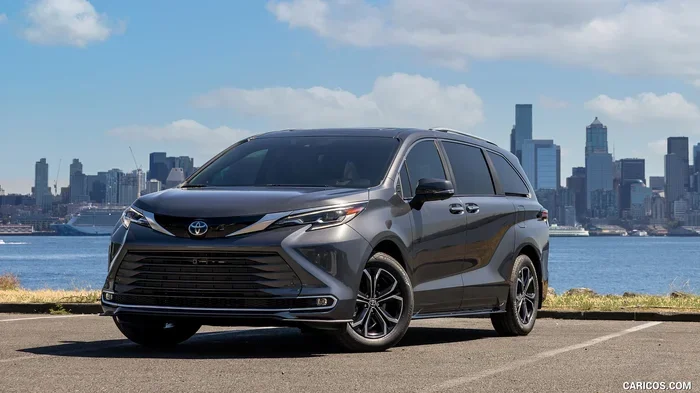
How Many Miles Can a Toyota Sienna Last Before Retirement
The Toyota Sienna is a legendary minivan that can easily surpass 250,000 miles with proper care. Many owners report pushing their Sienna past 300,000 miles, making it one of the longest-lasting family vehicles on the road. Regular maintenance, smart driving habits, and prompt repairs are the keys to maximizing your Toyota Sienna lifespan.
The Toyota Sienna has been a staple in American driveways for over two decades. Families trust this minivan for road trips, school runs, and daily commutes. But how many miles can a Toyota Sienna last before retirement? The answer might surprise you. With basic care, a Toyota Sienna can easily rack up 250,000 miles or more. Many drivers push past the 300,000-mile mark. This minivan’s reputation for reliability is well-earned. Toyota built the Sienna with a focus on durability and long-term performance. In this article, we’ll explore the factors that determine a Toyota Sienna lifespan, from engine design to maintenance habits.
You might wonder what makes the Sienna different from other minivans. The answer lies in its engineering and the way owners treat it. A Toyota Sienna mileage record often starts with a solid maintenance routine. Small things like checking the coolant level or changing the oil on time add up. These habits keep the engine and transmission healthy. They also protect the resale value. Whether you own a gasoline or hybrid model, the Sienna is designed to go the distance. Let’s look at what you can expect from this popular family vehicle.
Key Takeaways
- Toyota Sienna longevity: A well-maintained Sienna can last 250,000 to 300,000 miles or more.
- Maintenance is critical: Regular oil changes, transmission fluid flushes, and brake inspections dramatically extend mileage.
- Hybrid models last longer: The Sienna Hybrid benefits from reduced engine wear, often achieving higher mileage.
- Common issues to watch: Ignoring coolant leaks or transmission problems can shorten a Sienna’s life.
- Retirement signs: Major engine or transmission failure, rust, or costly repairs signal it’s time to retire the vehicle.
- Resale value holds up: High-mileage Siennas still command good prices due to Toyota’s reputation for reliability.
📑 Table of Contents
- How Many Miles Can a Toyota Sienna Last?
- Why the Toyota Sienna Is Built to Last
- The Maintenance Schedule That Makes the Difference
- Hybrid vs. Gasoline Sienna: Which One Goes Further?
- Common Problems That Can Cut a Sienna’s Life Short
- Knowing When It’s Time to Retire Your Toyota Sienna
- Final Thoughts: Getting the Most Miles from Your Toyota Sienna
How Many Miles Can a Toyota Sienna Last?
Most Toyota Sienna models are built to last between 200,000 and 300,000 miles. With diligent care, many owners report crossing the 300,000-mile threshold. The 2011 and newer generations are especially known for their longevity. These models feature improved engines and better cooling systems. They also use a chain-driven timing system, which rarely needs replacement. The average annual mileage for a family minivan is around 12,000 to 15,000 miles. At that rate, a Toyota Sienna can serve a family for 15 to 20 years. Some dedicated owners even reach 400,000 miles, though that is rare.
What Affects the Mileage Expectancy?
Several factors play a role in how long a Toyota Sienna lasts. Driving habits matter a lot. Stop-and-go city driving puts more stress on the engine than steady highway cruising. Climate is another factor. Extreme heat or cold can wear out components faster. The most important factor is maintenance. A car that skips oil changes will not live as long. The quality of fuel and parts used also makes a difference. Using genuine Toyota fluids and filters helps protect the engine. Even the road conditions you drive on matter. Rough roads can damage the suspension and alignment.
Why the Toyota Sienna Is Built to Last
Toyota engineers designed the Sienna with longevity in mind. The minivan uses a robust 3.5-liter V6 engine. This engine has a proven track record for durability. The V6 in the Sienna is paired with a smooth eight-speed automatic transmission. Both components are built to handle heavy loads. The Sienna also comes with an available all-wheel drive system. This system helps with traction and stability, which reduces wear on drivetrain parts. The cooling system is oversized to handle towing and hot weather. These design choices mean the Toyota Sienna can handle tough duty cycles without breaking down.
The Engine and Transmission
The 3.5-liter V6 engine uses a timing chain instead of a belt. Timing chains are designed to last the life of the engine. They do not need regular replacement like belts do. The eight-speed transmission is electronically controlled and shifts smoothly. It is also designed for high torque output. Toyota tested these components under extreme conditions. The result is a drivetrain that can handle hundreds of thousands of miles. Regular transmission fluid changes are still important. Fresh fluid keeps the gears shifting cleanly and prevents premature wear.
Toyota’s Reputation for Reliability
Toyota consistently ranks at the top of reliability surveys. J.D. Power and Consumer Reports give the Sienna high scores for long-term dependability. The brand’s reputation for building vehicles that last is not just marketing. It comes from years of real-world data. Many Toyota models are known to reach 200,000 miles with minimal issues. The Sienna carries that same DNA. When you buy a Toyota Sienna, you are buying a vehicle that was engineered for a long life. This reliability also means lower repair costs over time compared to some competitors.
The Maintenance Schedule That Makes the Difference
Following the recommended maintenance schedule is the single best way to extend a Toyota Sienna lifespan. Toyota provides a detailed service manual for every model year. Sticking to that schedule keeps the warranty valid and the car running smoothly. The most important service intervals are oil changes, tire rotations, and fluid flushes. Many owners think they can stretch these intervals. That is a common mistake. Skipping a service can lead to small problems becoming big repairs. The cost of routine maintenance is tiny compared to the cost of a new engine.
Oil Changes and Fluid Checks
Engine oil lubricates moving parts and carries heat away. Over time, oil breaks down and loses its effectiveness. For a Toyota Sienna, changing the oil every 5,000 to 7,500 miles is a good rule. Using synthetic oil can extend this interval slightly. It also provides better protection under high heat. The transmission fluid should be checked regularly. Dirty transmission fluid can cause slipping or harsh shifting. Coolant protects the engine from overheating. A coolant flush every 60,000 miles prevents corrosion inside the engine block. Brake fluid, power steering fluid, and differential fluid all need attention too.
Timing Chain and Internal Components
As mentioned, the Sienna uses a timing chain. This chain is designed to last the life of the engine. However, it still needs the engine to have clean oil. Sludge buildup from neglected oil changes can damage the chain. The water pump and thermostat are also important. These parts are relatively inexpensive to replace. Doing so before they fail prevents engine overheating. Spark plugs should be changed at the recommended interval. Fresh spark plugs ensure complete combustion and better fuel economy. These small parts keep the Toyota Sienna running efficiently for many years.
Brake and Suspension Care
The Sienna is a heavy vehicle. It carries up to eight passengers plus cargo. That weight puts extra demand on the brakes and suspension. Brake pads and rotors should be inspected at every tire rotation. Worn brakes reduce stopping power and can damage other components. The suspension system includes shocks, struts, and bushings. These parts absorb road imperfections and keep the ride smooth. Worn suspension parts can cause uneven tire wear and handling problems. Replacing them on time keeps the Toyota Sienna safe and stable. A well-maintained suspension also reduces wear on the chassis and body.
Hybrid vs. Gasoline Sienna: Which One Goes Further?
The Toyota Sienna has offered a hybrid powertrain since the 2021 model year. This hybrid system combines a 2.5-liter four-cylinder engine with electric motors. The result is excellent fuel economy and reduced engine wear. Many people wonder if a hybrid Sienna will last longer than the gasoline version. The short answer is yes, often. The electric motor handles low-speed driving and reduces the load on the gasoline engine. This means less friction and less heat inside the engine. Over time, that can translate into a longer overall lifespan. However, the hybrid system adds complexity. The battery pack and power electronics need attention too. Both versions are still built to last a very long time.
| Aspect | Gasoline Sienna | Hybrid Sienna |
|---|---|---|
| Engine Type | 3.5L V6 | 2.5L 4-cylinder with electric motors |
| Fuel Economy (Combined) | 20-24 mpg | 36 mpg |
| Engine Wear | Moderate | Reduced due to electric assist |
| Expected Mileage | 250,000-300,000 miles | 250,000-350,000 miles |
| Maintenance Cost | Lower upfront | Slightly higher due to hybrid system |
| Towing Capacity | Up to 3,500 lbs | Up to 3,500 lbs |
The Hybrid Advantage
The hybrid Sienna uses regenerative braking. This system captures energy during braking and stores it in the battery. It reduces wear on the brake pads and rotors. The electric motor also provides instant torque. This reduces the need for the gasoline engine to work hard during acceleration. Less strain on the engine means fewer repairs over the years. The hybrid battery is designed to last the life of the vehicle. Toyota hybrid batteries have a strong track record. Most last well beyond 200,000 miles. If you drive mostly in the city, the hybrid Sienna will save fuel and reduce engine wear.
Gas Sienna Longevity
The gasoline Sienna is no slouch when it comes to longevity. The 3.5-liter V6 engine is a proven workhorse. It has been used in Toyota trucks and SUVs for years. The engine is naturally aspirated, which means it does not have a turbocharger. Turbocharged engines have more components that can fail. The naturally aspirated V6 is simpler and more robust. It also runs on regular unleaded fuel, which keeps fuel costs lower. With regular maintenance, a gasoline Sienna can easily reach 300,000 miles. The key is to keep the oil clean and the cooling system in good shape.
Common Problems That Can Cut a Sienna’s Life Short
No vehicle is immune to problems. The Toyota Sienna is reliable, but it can still develop issues. Knowing what to watch for helps you prevent major damage. Some problems are common across all model years. Others are specific to certain generations. Addressing issues early is the best way to protect your investment. A small repair today can prevent a costly breakdown tomorrow. Here are the most common problems that can shorten a Toyota Sienna lifespan if ignored.
Coolant Leaks and Overheating
Coolant leaks are one of the most common issues on older Siennas. The leak often comes from the water pump or radiator hoses. A slow leak might not be visible at first. You might just see a green or orange puddle under the car. Overheating can warp the engine head or crack the block. This type of damage is very expensive to repair. Always check the coolant level monthly. If you notice a drop, investigate the cause immediately. Replacing a $50 water pump is much cheaper than a $3,000 engine repair. Keep the cooling system flushed and filled with the correct Toyota coolant.
Transmission Troubles
The eight-speed automatic transmission in newer Siennas is generally reliable. However, it can develop problems if the fluid is not changed. Dirty transmission fluid causes the gears to slip or hesitate. Some older models with the six-speed transmission had solenoid issues. These solenoids control gear shifts. A failing solenoid can cause harsh shifting or limp mode. Regular fluid changes prevent most transmission problems. If you notice any delay in engagement or slipping, get it checked right away. Transmission repairs are among the most expensive on any vehicle.
Rust and Body Damage
Rust is not usually a major issue on newer Toyota Sienna models. The 2011 and newer generations use improved corrosion protection. However, older Siennas from the early 2000s can develop rust on the rocker panels and wheel wells. Salt and road grime accelerate rust formation. Washing the undercarriage regularly helps prevent rust. If you live in a snowy climate, pay extra attention to the wheel wells. Rust can weaken the structure of the vehicle. Severe rust can even make a Sienna unsafe. Treat any rust spots as soon as you see them.
Knowing When It’s Time to Retire Your Toyota Sienna
Even with the best care, every vehicle eventually reaches the end of its useful life. Knowing when to retire a Toyota Sienna saves you money and keeps your family safe. Retirement does not always mean the car breaks down. Sometimes it is a financial decision. Other times, the cost of repairs simply does not make sense. Here are the signs that your Sienna might be ready for retirement.
Major Mechanical Failures
A blown engine or a failed transmission often signals the end. These repairs can cost $5,000 or more. At that point, you are paying for a major component in a vehicle that already has high mileage. If the Sienna has other issues on top of that, the math rarely works out. A new engine in a 250,000-mile Sienna might only buy another 50,000 miles. That may not be worth the investment. Consider the overall condition of the vehicle. If multiple major systems need work, it is often time to move on.
The Cost-Benefit Equation
A good rule of thumb is the 50 percent rule. If a single repair costs more than half the vehicle’s current value, it is time to retire the Toyota Sienna. You can use online tools like Kelley Blue Book or Edmunds to estimate the value. Factor in the mileage and overall condition. A high-mileage Sienna still has value, but it is limited. Compare the repair cost to the price of a newer model. Sometimes the monthly payment on a new vehicle is less than the cost of repeated repairs on an old one. That is a clear sign to retire the Sienna.
Emotional Attachment vs. Practicality
Many families have deep emotional ties to their Sienna. It might have carried them through cross-country moves and countless soccer games. That emotional value is real. But practicality must win out when safety is a concern. Older vehicles may lack modern safety features like blind-spot monitoring or automatic emergency braking. Newer Siennas offer these features as standard. If your current Sienna needs frequent repairs and lacks updated safety tech, upgrading can be the right choice. You can still honor the old Sienna by keeping it for parts or selling it to a trusted buyer.
Final Thoughts: Getting the Most Miles from Your Toyota Sienna
The Toyota Sienna is a minivan that can genuinely last a lifetime. With 250,000 to 300,000 miles as a realistic goal, it outlasts many vehicles on the road. The secret is simple: follow the maintenance schedule, address problems early, and drive with care. Whether you choose the hybrid or gasoline model, the Sienna is built to go the distance. A well-cared-for Toyota Sienna will reward you with years of reliable service. It will also hold its value better than most minivans. When the time does come to retire it, you can do so with confidence, knowing you got every last mile out of your investment.
Take care of your Sienna today, and it will take care of your family for years to come. Start by checking your maintenance log and scheduling any overdue services. A few small actions now can add thousands of miles to your Toyota Sienna lifespan. The road ahead is long, and your Sienna is ready for the journey.
Frequently Asked Questions
What is the average lifespan of a Toyota Sienna in miles?
A well-maintained Toyota Sienna can last between 250,000 and 300,000 miles. Some owners push past 300,000 miles with diligent care. The 2011 and newer models have the strongest longevity track record.
Does the Toyota Sienna Hybrid last longer than the gas model?
Yes, the hybrid Sienna often lasts longer because the electric motor reduces engine wear. The gasoline engine runs less frequently, which cuts down on friction and heat. Both models are durable, but the hybrid has a slight edge in mileage potential.
How often should I change the oil in my Toyota Sienna?
Change the oil every 5,000 to 7,500 miles for the best protection. Using synthetic oil can extend this interval slightly. Regular oil changes are the single most important factor in extending a Toyota Sienna lifespan.
What are the most common reasons a Toyota Sienna fails early?
Ignoring coolant leaks, skipping transmission fluid changes, and neglecting brake maintenance are the top causes. Overheating from a small leak can destroy an engine. Dirty transmission fluid leads to premature transmission failure.
Is it worth repairing a Toyota Sienna with over 200,000 miles?
It depends on the repair cost and the vehicle’s overall condition. Minor to moderate repairs are usually worth it. Major engine or transmission work may not be cost-effective. Use the 50 percent rule to decide.
How can I improve the fuel economy of my Toyota Sienna?
Keep tires properly inflated, remove excess weight, and follow the maintenance schedule. Driving smoothly and avoiding aggressive acceleration also helps. The hybrid Sienna naturally gets much better fuel economy than the gas model.