How Many Miles Can You Drive When The Gas Light Comes On In A Toyota?
Most Toyota models let you drive between 30 and 50 miles after the gas light comes on. However, the exact number depends on your Toyota model, driving habits, road conditions, and fuel tank size. Understanding your remaining range can save you from getting stranded and protect your fuel pump from costly damage.
This is a comprehensive guide about How Many Miles Can You Drive When the Gas Light Comes On in a Toyota?.
Key Takeaways
- Average Range: Most Toyotas give you 30 to 50 miles after the gas light turns on, but this varies by model.
- Know Your Model: Toyota Corolla, Camry, RAV4, and other models each have different fuel tank sizes and ranges.
- Risk of Damage: Driving on empty can harm your fuel pump and lead to expensive repairs.
- Driving Habits Matter: Speed, acceleration, and terrain all affect how far you can go on remaining fuel.
- Refuel Quickly: The best practice is to refuel as soon as the light comes on to avoid risks.
- Temperature Affects Fuel: Hot and cold weather can change your fuel efficiency and remaining range.
[FEATURED_IMAGE_PLACEHOLDER]
How Many Miles Can You Drive When The Gas Light Comes On In A Toyota?
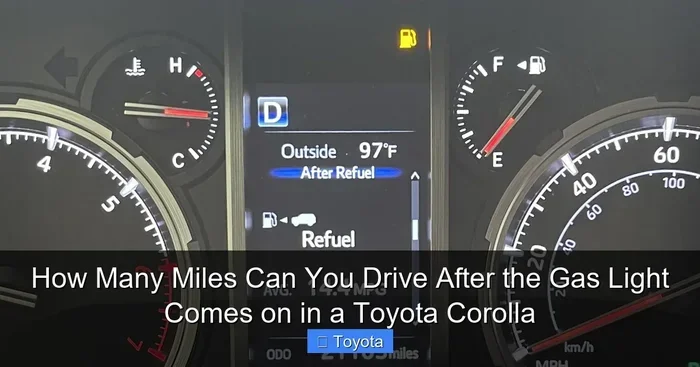
That little yellow or orange light on your dashboard can feel like a tiny panic button. You are cruising down the road, minding your own business, and suddenly your Toyota flashes a warning that you are running low on fuel. Your first thought is probably, “How many miles can you drive when the gas light comes on in a Toyota?”
The answer is not a single number. It depends on your Toyota model, your driving style, the road conditions, and even the weather. On average, most Toyota vehicles give you between 30 and 50 miles after the fuel warning light activates. But some models can stretch a bit further, while others may give you less. In this guide, we break down everything you need to know about your Toyota fuel range, the risks of pushing it, and how to stay safe on the road.
Whether you drive a compact Corolla or a larger RAV4, understanding your remaining range matters. It helps you make smart decisions about when to stop for gas and avoid situations that could leave you stranded or damage your vehicle. Let us dive in.
What Triggers the Gas Light in a Toyota?
Before we talk about miles, it helps to understand what the gas light actually means. The low fuel warning light is not a random signal. It is a carefully calibrated indicator designed to tell you that your fuel level has dropped below a certain threshold.
How the Fuel Gauge System Works
Your Toyota has a fuel level sensor inside the gas tank. This sensor sends information to your dashboard gauge. When the fuel drops to a level that the manufacturer considers low, the warning light activates. In most Toyota models, this happens when you have roughly 2.5 to 3 gallons of fuel left in the tank.
The gas tank capacity varies across Toyota models. A Toyota Corolla typically holds around 13 to 15 gallons. A Toyota Camry holds about 15 to 16 gallons. A Toyota RAV4 usually carries 15 to 19 gallons depending on the year and trim. So the amount of fuel remaining when the light comes on is fairly consistent across models, but the total tank size changes the math.
Why Toyota Uses a Warning System
Toyota designed the low fuel warning to give drivers enough notice to find a gas station. The system builds in a safety buffer so you are not caught completely off guard. However, the light is not meant to be ignored. It is a clear signal that you need to refuel soon.
Some drivers treat the gas light as a suggestion. They think, “I can still drive a few more miles.” While this is technically true, it comes with risks we will cover in detail below. The best approach is simple: when the light comes on, refuel as soon as safely possible.
How Many Miles Can You Actually Drive on a Toyota?
This is the question everyone wants answered. The truth is, there is no single magic number. But we can give you a solid range based on real-world data and Toyota specifications.
Toyota Model-by-Model Fuel Range
Different Toyota models have different fuel tank sizes and fuel efficiency ratings. Here is a general breakdown of how far you can go after the gas light comes on for popular Toyota vehicles:
- Toyota Corolla: The Corolla gets excellent fuel economy, often achieving 30 to 40 miles per gallon on the highway. With about 2.5 gallons remaining after the light comes on, you can expect roughly 75 to 100 miles of range. However, city driving with stop-and-go traffic will reduce this number significantly.
- Toyota Camry: The Camry offers a similar fuel range. With its larger tank and decent fuel economy, you may get 60 to 90 miles after the warning light activates. The hybrid Camry can stretch even further thanks to its electric motor assist.
- Toyota RAV4: The RAV4 is a larger SUV with more weight to move. After the gas light comes on, expect around 40 to 60 miles of remaining range. The RAV4 Hybrid performs better in fuel economy and may give you slightly more.
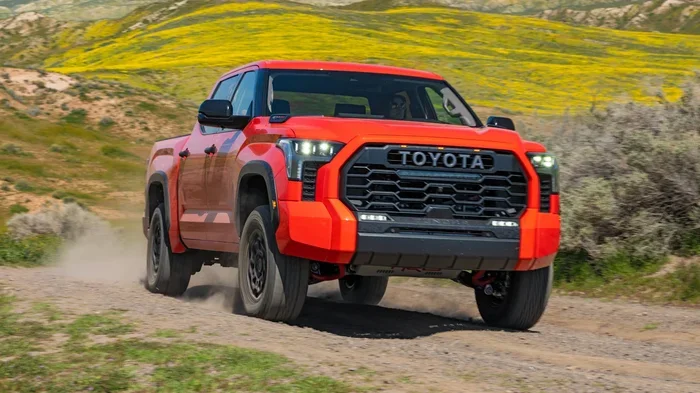
- Toyota Tacoma: The Tacoma is a pickup truck with a smaller fuel tank relative to its size. You might get only 30 to 50 miles after the light turns on, depending on whether you are towing or driving unloaded.
- Toyota Highlander: This mid-size SUV has a larger tank, so the remaining range is typically around 50 to 70 miles after the fuel warning activates.
Factors That Affect Your Remaining Miles
Several factors influence how far you can actually drive when the gas light comes on. These are important to understand because your real-world range may differ from the estimates above.
- Driving Speed: Highway driving at steady speeds uses fuel more efficiently than city driving with constant stops and starts.
- Acceleration Habits: Aggressive acceleration burns fuel fast. Smooth, gradual acceleration helps you squeeze out more miles.
- Terrain: Hilly or mountainous roads force your engine to work harder, reducing your remaining range.
- Air Conditioning Use: Running the AC puts extra load on the engine, which increases fuel consumption.
- Tire Pressure: Underinflated tires create more rolling resistance, causing your Toyota to use more fuel than it should.
- Vehicle Load: Carrying heavy cargo or towing a trailer increases fuel consumption and shortens your remaining range.
- Weather Conditions: Cold weather can reduce fuel efficiency by up to 12 percent, according to the Department of Energy. Hot weather can also affect performance, especially when using the AC.
The Dangers of Driving on Empty
It is tempting to push your luck when the gas light comes on. Maybe you are close to home. Maybe there is no gas station nearby. But driving on low fuel carries real risks that every Toyota owner should know about.
Damage to the Fuel Pump
This is the biggest danger. Your Toyota fuel pump sits inside the gas tank. It relies on the fuel surrounding it to stay cool. When the fuel level drops very low, the pump can overheat. Over time, this leads to premature fuel pump failure.
Replacing a Toyota fuel pump is not cheap. The cost can range from $400 to $800 depending on the model and labor rates in your area. All of this can be avoided simply by refueling when the warning light first appears.
Running Out of Fuel on the Road
Getting stranded is never fun. It can happen on a highway, a deserted road, or in an area with no cell service. Running out of fuel also can cause damage to the engine if debris from the bottom of the tank gets pulled into the fuel system.
When the fuel level drops very low, sediment and contaminants that settle at the bottom of the tank can get sucked into the fuel lines. This can clog filters, damage injectors, and even harm the engine over time. Keeping your tank at least a quarter full helps prevent this problem.
Safety Risks
Beyond mechanical damage, there are safety concerns. If you run out of fuel on a busy highway or in an unsafe area, you and your passengers could be at risk. A sudden loss of power steering and power braking can also occur when the engine stalls, making the vehicle harder to control.
Tips to Maximize Your Remaining Fuel
If you find yourself in a situation where the gas light has just come on and you need to stretch those remaining miles, here are some practical tips that can help.
Drive Smoothly and Steadily
The single best thing you can do is ease off the accelerator. Avoid sudden bursts of speed. Maintain a steady pace, especially on highways. Coasting to decelerate instead of braking hard saves fuel and gives you more miles from the remaining gas in your tank.
Reduce Unnecessary Weight
Your Toyota does not need extra weight. Remove any heavy items from the trunk or cargo area that you do not need for your trip. Every extra pound forces the engine to work a little harder, burning more fuel in the process.
Keep Your Windows Up at Highway Speeds
At higher speeds, open windows create aerodynamic drag. This drag forces the engine to use more fuel to maintain speed. Keeping windows up and using the fan on a low setting is more fuel-efficient than running the AC at full blast.
Watch Your Tire Pressure
Check your tire pressure if you have not done so recently. Properly inflated tires reduce rolling resistance and improve fuel economy. You can find the recommended tire pressure on the sticker inside the driver’s door of your Toyota.
Avoid Idling
If you are stuck in traffic or waiting somewhere, turn off the engine if it is safe to do so. Idling wastes fuel without moving you any closer to your destination. Even a few minutes of idling can use up fuel that you might need later.
Use Cruise Control on Flat Roads
Cruise control helps maintain a constant speed, which is more fuel-efficient than manually varying your speed on flat highways. However, avoid using cruise control on hilly terrain, as the system may increase throttle aggressively to maintain speed on inclines.
Common Mistakes People Make When the Gas Light Comes On
Many Toyota owners make avoidable mistakes when the fuel warning light appears. Here are the most common ones and how to avoid them.
Ignoring the Warning Light Entirely
Some drivers see the gas light and simply ignore it. They convince themselves they will stop “just a little further.” This habit can lead to running out of fuel unexpectedly. The warning light exists for a reason. Respect it.
Waiting Until the Last Minute to Refuel
Even if you do not run out of fuel, waiting too long to refuel puts stress on the fuel pump. The goal is to refill before the tank gets dangerously low. A good rule of thumb is to refuel when your tank hits a quarter full.
Not Knowing Your Specific Model’s Range
Every Toyota model is different. A Corolla owner and a Tacoma owner will have very different experiences when the gas light comes on. Know your vehicle. Check your owner’s manual for fuel tank capacity and estimated remaining range.
Relying Only on the Dashboard Gauge
The fuel gauge is helpful, but it is not always perfectly accurate. The needle can lag, especially on older Toyota models. Use the gauge as a guide, but also pay attention to how many miles you have on your trip and how far the nearest gas station is.
Expert Insights for Toyota Owners
We spoke with automotive experts and Toyota specialists to get their best advice on managing fuel levels and protecting your vehicle.
Keep Your Fuel Tank at Least a Quarter Full
Most Toyota service advisors recommend keeping your tank at least one-quarter full at all times. This ensures the fuel pump stays submerged and cool. It also gives you a comfortable buffer so you are never caught off guard by a gas light coming on at an inconvenient time.
Use Toyota’s Built-In Trip Computer
Many modern Toyota models come with a trip computer that displays estimated remaining range based on your current fuel level and recent fuel economy. This feature is incredibly useful. Check it regularly and use it to plan your refueling stops.
Address Fuel System Issues Promptly
If you notice any changes in your Toyota fuel gauge behavior, such as the gauge dropping unexpectedly or the gas light coming on earlier than usual, have it checked by a qualified mechanic. These could be signs of a failing fuel sensor or other fuel system issues that need attention.
Consider a Fuel Additive for Older Models
For older Toyota models, a quality fuel system cleaner can help maintain fuel pump and injector health. Clean fuel systems operate more efficiently and last longer. Just make sure the additive is compatible with your specific Toyota model.
How Fuel Efficiency Has Changed Across Toyota Model Years
Toyota has made significant strides in fuel efficiency over the years. Newer models generally offer better fuel economy than older ones, which means more miles after the gas light comes on.
The introduction of hybrid technology has been a game-changer for Toyota. Models like the Toyota Prius, Camry Hybrid, and RAV4 Hybrid deliver exceptional fuel economy. These vehicles can go even further on the remaining fuel after the warning light activates compared to their gas-only counterparts.
Even non-hybrid Toyotas have benefited from advancements in engine technology, aerodynamics, and lightweight materials. If you are shopping for a used Toyota, newer model years will generally give you a better fuel range and more miles after the gas light comes on.
Key Takeaways
- Average Range: Most Toyotas give you 30 to 50 miles after the gas light turns on, but this varies by model.
- Know Your Model: Toyota Corolla, Camry, RAV4, and other models each have different fuel tank sizes and ranges.
- Risk of Damage: Driving on empty can harm your fuel pump and lead to expensive repairs.
- Driving Habits Matter: Speed, acceleration, and terrain all affect how far you can go on remaining fuel.
- Refuel Quickly: The best practice is to refuel as soon as the light comes on to avoid risks.
- Temperature Affects Fuel: Hot and cold weather can change your fuel efficiency and remaining range.
Conclusion
So, how many miles can you drive when the gas light comes on in a Toyota? The answer typically falls between 30 and 50 miles for most models, but your actual range depends on several factors including your Toyota model, driving habits, road conditions, and weather. The safest and smartest approach is always to refuel as soon as the warning light appears.
Ignoring the gas light might seem harmless in the moment, but it can lead to fuel pump damage, engine problems, and the stress of getting stranded on the road. Your Toyota is a reliable machine, but it still needs you to treat it well. Simple habits like keeping your tank at least a quarter full and driving smoothly can go a long way in protecting your vehicle and your wallet.
Next time that little yellow light flashes on your dashboard, do not ignore it. Pull over safely, find a gas station, and refill. Your Toyota will thank you for it with years of dependable service and better fuel economy.
FAQs
Can I drive 100 miles after the gas light comes on in a Toyota?
It is possible in some Toyota models, especially fuel-efficient ones like the Corolla or Camry, but it is not recommended. Pushing your fuel this far increases the risk of running out completely and damaging the fuel pump. Always refuel as soon as the warning light appears.
What happens if I run out of gas in my Toyota?
Running out of gas can cause your engine to stall unexpectedly. It may also damage the fuel pump if the pump runs dry without fuel to cool it. In addition, you could get stranded in an unsafe location, which poses safety risks to you and your passengers.
Does the Toyota gas light mean I have exactly 2 gallons left?
Not exactly. The low fuel warning typically activates when you have approximately 2.5 to 3 gallons remaining, but this can vary slightly between Toyota models and model years. Check your owner’s manual for the specific fuel reserve capacity of your vehicle.
Is it bad to drive with the gas light on for a short distance?
Driving a short distance after the gas light comes on is generally okay in an emergency. However, making a habit of it can wear out your fuel pump over time. The best practice is to refuel promptly and avoid making low-fuel driving a routine.
Which Toyota model has the longest range after the gas light comes on?
Hybrid Toyota models like the Prius and Camry Hybrid tend to have the longest remaining range after the fuel warning light activates. Their superior fuel economy means they can stretch those last few gallons much further than gas-only models.
How can I check my exact remaining fuel range in my Toyota?
Most Toyota models from 2010 onward come equipped with a trip computer that displays estimated remaining range in miles. You can access this information through the dashboard display or the multi-information screen on the instrument cluster. Refer to your owner’s manual for specific instructions on how to view this feature in your model.
Frequently Asked Questions
What is How Many Miles Can You Drive When the Gas Light Comes On in a Toyota??
How Many Miles Can You Drive When the Gas Light Comes On in a Toyota? is an important topic with many practical applications.