How Much Does a Car Wrap Cost Get the Full Breakdown
The car wrap cost typically ranges from $1,500 to $10,000 depending on your vehicle size, material quality, and design complexity. A full car wrap usually costs between $2,500 and $5,000 for standard sedans, while larger vehicles like trucks can push the vinyl wrap cost well above $7,000. Understanding what drives the price helps you make a smart investment in your vehicle wrap.
Have you been staring at your car lately and thinking it needs a serious glow-up? Maybe the factory paint is looking dull, or you just want a fresh new look without the expense of a full paint job. If so, you are not alone. Thousands of car owners every year turn to car wraps as a smarter, more affordable way to transform their ride. But here is the big question that stops most people in their tracks: how much does a car wrap cost?
The honest answer is that car wrap cost varies quite a bit. Your sedan might cost a very different amount than a full-size truck. The type of vinyl you choose matters too. So does the design you want. In this guide, we are going to break down every single factor that influences the price. By the end, you will know exactly what to expect and how to budget for your own vehicle wrap. No surprises. No guesswork. Just clear, real numbers and practical advice.
Key Takeaways
- Full wraps cost more: A complete car wrap cost for a sedan runs $2,500 to $5,000, while SUVs and trucks can exceed $7,000.
- Material matters: Premium vinyl wrap films last longer and look better than budget options, directly affecting your total vehicle wrap price.
- Design complexity adds cost: Custom graphics, multi-color schemes, and specialty finishes like matte or chrome increase the wrap installation price.
- DIY saves money but carries risk: You can cut car wrapping cost by 40-60%, but mistakes can lead to expensive rework.
- Hidden costs exist: Removal, surface prep, and maintenance all add to the overall color change wrap investment.
- Wraps last 5-7 years: Proper care extends wrap longevity, making the vinyl wrap cost worth it over time.
- Paint vs wrap: A wrap vs paint cost comparison often favors wrapping for customization and resale value preservation.
📑 Table of Contents
- What Drives the Car Wrap Cost
- Full Car Wrap vs Partial Wrap Cost
- Breakdown of Car Wrap Costs by Vehicle Type
- DIY vs Professional Wrap Installation
- Additional Costs to Consider
- Wrap vs Paint: Which Is More Cost-Effective?
- How Long Does a Car Wrap Last and What Affects Its Lifespan
- Common Mistakes That Increase Your Car Wrap Cost
- How to Save Money on Your Car Wrap
- Final Thoughts on Car Wrap Cost
What Drives the Car Wrap Cost
Before we dive into specific dollar amounts, let us talk about what actually makes up the car wrapping cost. Many people assume the price is just about the vinyl material. But that is only part of the story. Several factors work together to determine your final bill. Understanding these will help you make informed decisions and avoid unexpected expenses.
Vehicle Size and Type
The size of your vehicle is the single biggest factor in the vehicle wrap price. A compact sedan uses far less vinyl than a full-size pickup truck. More surface area means more material and more labor hours. Here is a rough idea of how vehicle size impacts pricing:
- Compact cars: These are the most affordable to wrap. Less material and faster installation keep costs down.
- Mid-size sedans: A step up in price but still very manageable for most budgets.
- SUVs and crossovers: Larger surface area means higher material and labor costs.
- Trucks and vans: These can be expensive to wrap, especially full-size models with complex body lines.
- Commercial fleets: Wrapping multiple vehicles brings its own pricing considerations, which we will cover later.
Think of it like buying paint for a room. A small bedroom needs less paint than a large living room. The same logic applies to vinyl wrap cost. Always ask your installer for a quote based on your specific vehicle model.
Material Quality and Vinyl Type
Not all vinyl is created equal. The car wrap materials you choose have a huge impact on both the look and the wrap cost. There are three main tiers of vinyl film on the market, and each comes with a different price tag and performance level.
Budget vinyl is the most affordable option. It typically costs less per square foot and works well for short-term projects. However, it may fade, crack, or peel after a few years. Mid-range vinyl offers a good balance of quality and affordability. Most professional installers recommend this tier for everyday use. Premium vinyl is the top tier. It features advanced adhesives, UV protection, and superior conformability. Premium films can last 7 to 10 years with proper care.
Here is a quick comparison of the three tiers:
- Budget vinyl: $1.50 to $3.00 per square foot. Lifespan of 2 to 4 years.
- Mid-range vinyl: $3.00 to $5.00 per square foot. Lifespan of 4 to 7 years.
- Premium vinyl: $5.00 to $8.00+ per square foot. Lifespan of 7 to 10 years.
When you are figuring out your vinyl wrap cost, remember that cheaper materials often mean higher long-term costs. You might need to replace a budget wrap sooner, which eats into any initial savings.
Design Complexity and Custom Graphics
A simple solid-color wrap is the most affordable option. But if you want custom graphics, racing stripes, patterns, or a full vehicle livery, the price goes up. Complex designs require more design time, more precision during installation, and sometimes multiple vinyl colors or textures.
For example, a custom car wrap design with a gradient color fade or a detailed graphic will cost significantly more than a plain matte black wrap. The wrap installation time also increases because the installer needs to carefully align patterns and match edges. If you want a truly unique look, budget extra for the design and labor involved.
Finish Type: Gloss, Matte, Satin, or Chrome
The finish you choose also affects the color change wrap price. Here is how the different finishes stack up:
- Gloss finish: The most common and affordable option. It gives a shiny, showroom-like appearance.
- Matte finish: Popular for a sleek, modern look. Slightly more expensive than gloss due to the special film formulation.
- Satin finish: A middle ground between gloss and matte. It offers a subtle sheen that many car owners love.
- Chrome finish: The most expensive option. Chrome vinyl is tricky to install and requires a skilled professional.
- Color-shifting or textured finishes: These specialty options command premium prices due to the unique materials involved.
Quick tip: if you are on a budget, a gloss or matte finish gives you the most bang for your buck. They look fantastic and are easier to install, which keeps your wrap installation cost lower.
Full Car Wrap vs Partial Wrap Cost
One of the most important decisions you will make is whether to go with a full car wrap or a partial wrap. Each option serves a different purpose and comes with a different price point. Let us break down both so you can decide what makes sense for you.
Full Car Wrap Pricing
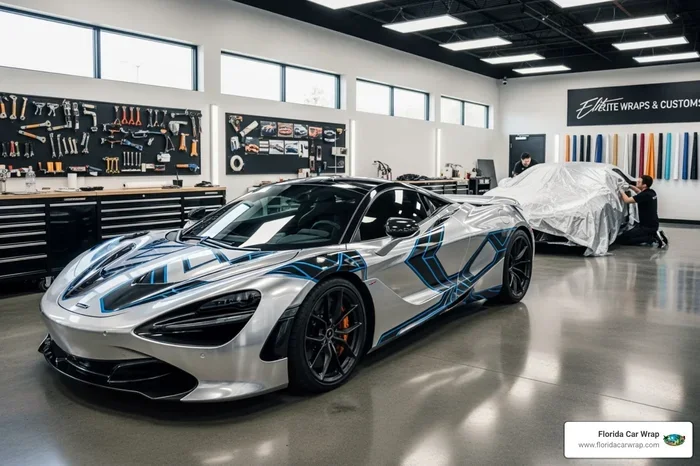
A full car wrap covers every visible surface of the vehicle. This includes the hood, roof, doors, trunk, fenders, and mirrors. It gives you a completely fresh look and is the most dramatic transformation option.
For a standard sedan, a full wrap typically costs between $2,500 and $5,000. Mid-size SUVs usually fall in the $3,500 to $6,000 range. Full-size trucks and vans can run from $5,000 to $10,000 or more, depending on the factors we discussed above.
The full vehicle wrap cost includes the vinyl material, design work (if applicable), surface preparation, and professional installation. Most installers also offer a warranty with full wraps, which adds value and peace of mind.
Partial Wrap Pricing
A partial car wrap covers only certain sections of the vehicle. Common partial wrap options include the hood, roof, deck lid, or doors. This is a great choice if you want to refresh your car’s look without spending the full amount.
Partial wrap cost typically ranges from $500 to $2,500, depending on how much surface area is covered. A hood wrap alone might cost $300 to $600. A roof wrap could run $400 to $800. If you combine multiple panels, the price goes up accordingly.
Partial wraps are an excellent entry point for first-time wrap buyers. They let you test the waters and see how you feel about wrapped vehicles before committing to a full car wrapping cost.
Breakdown of Car Wrap Costs by Vehicle Type
Every vehicle is different, and the car wrap price varies based on size, body shape, and surface complexity. Here is a detailed breakdown of what you can expect for popular vehicle types. These are national average ranges for professional installation using mid-range vinyl.
Sedans and Compact Cars
Sedans are the most affordable vehicles to wrap. Their smooth, simple body panels make installation faster and easier. A full wrap for a sedan typically costs between $2,500 and $4,500. A partial wrap might run $500 to $1,500. These are great candidates for first-time wrap projects.
Hatchbacks and Compacts
Hatchbacks are similar to sedans in terms of surface area, but their rear hatch and sometimes curved rear window can add a bit of complexity. Expect hatchback wrap costs to fall in the $2,200 to $4,000 range for a full wrap.
SUVs and Crossovers
SUVs have more surface area and often feature more complex body lines. A full SUV wrap typically costs between $3,500 and $6,000. Larger SUVs like full-size models can push toward the higher end. Partial wraps for SUVs usually run $800 to $2,500.
Trucks
Trucks are among the most expensive vehicles to wrap. Their large surface area, bed, and often complex cab designs drive up both material and labor costs. A full truck wrap can cost anywhere from $5,000 to $10,000 or more. Pickup truck wrap cost depends heavily on whether you wrap the bed as well.
Vans and Commercial Vehicles
Vans, especially cargo vans, have large flat surfaces that are actually easier to wrap. However, the total square footage is high. A full van wrap typically costs between $3,000 and $7,000. Commercial fleet owners often negotiate lower per-vehicle rates when wrapping multiple units.
DIY vs Professional Wrap Installation
One of the biggest decisions you will face is whether to wrap your car yourself or hire a professional. Both options have pros and cons, and the DIY car wrap cost can be significantly lower. But there is more to consider than just the price tag.
DIY Wrap Cost and Savings
If you have some experience with vinyl application, you can save a substantial amount by doing it yourself. DIY wrap kits typically cost between $500 and $2,500 depending on the vehicle size and vinyl quality. This can represent a 40 to 60 percent savings compared to professional installation.
However, DIY wraps come with real risks. Improper installation can lead to bubbles, wrinkles, peeling edges, and premature wear. Fixing a bad DIY wrap can end up costing more than hiring a professional in the first place. If you have never done a wrap before, the learning curve is steep.
Professional Installation: What You Pay For
Professional installers bring experience, specialized tools, and a controlled environment to the job. A professional wrap installation ensures a smooth, bubble-free finish that lasts for years. Most reputable shops also offer warranties on their work, which gives you protection if something goes wrong.
The labor cost for professional installation typically ranges from $1,000 to $3,000, depending on the vehicle and complexity. This is the price you pay for quality and peace of mind. When you factor in the wrap removal cost and potential rework from a DIY mistake, professional installation often provides better long-term value.
Expert Insight
Experienced installers often say that the first few wraps are the hardest to get right. If you are new to wrapping, investing in a professional is almost always the smarter choice. You will avoid costly mistakes and end up with a finish that looks factory-installed.
Additional Costs to Consider
The vinyl wrap cost is not the only expense you need to plan for. There are several additional costs that can catch people off guard if they are not prepared. Let us go through them so you can budget accurately.
Wrap Removal Cost
When it is time to remove your wrap, you will need to pay for removal as well. Professional wrap removal cost typically ranges from $300 to $1,500. The price depends on the wrap condition, the vehicle type, and how long the wrap has been on. Older wraps or those that have been exposed to harsh conditions can be more difficult and time-consuming to remove.
Surface Preparation
Before any wrap goes on, the vehicle surface needs to be properly cleaned and prepped. This may involve decontamination, paint correction, or addressing any existing damage. Some installers include surface prep in their quote, while others charge separately. Always ask what is included in your vehicle wrap price quote.
Design and Graphic Work
If you want a custom design, the graphic design work adds to your total cost. Simple designs with minimal text might cost an additional $100 to $300. Complex, multi-element designs with custom illustrations can add $500 to $2,000 or more to the wrap project cost.
Wrap Maintenance and Upkeep
A car wrap is not a set-it-and-forget-it investment. Regular maintenance keeps it looking great and extends its lifespan. Budget for periodic washing, waxing with wrap-safe products, and occasional touch-ups. The annual maintenance cost for a wrapped vehicle is typically $100 to $300. This is a small price to pay for keeping your color change wrap looking fresh.
Wrap Warranty and Coverage
Most professional installers offer a wrap warranty that covers defects in the vinyl material and installation work. Warranty periods typically range from 1 to 5 years. Some premium vinyl manufacturers offer extended warranties of up to 10 years. A warranty can save you significant money if issues arise, so always ask about coverage before you commit.
Wrap vs Paint: Which Is More Cost-Effective?
Many car owners wonder whether they should wrap their vehicle or just repaint it. The paint vs wrap cost comparison is not always straightforward. Let us look at the key differences.
A basic paint job for a standard sedan can cost anywhere from $2,000 to $5,000 for a good quality job. A premium custom paint job can easily exceed $10,000. In contrast, a full car wrap for the same vehicle might cost $2,500 to $4,500. The wrap is not only cheaper but also reversible, which protects your original paint and preserves resale value.
Here are some key advantages of wrapping over painting:
- Reversibility: A wrap can be removed at any time, leaving your original paint untouched.
- Lower cost: Wrapping is generally more affordable than a quality paint job.
- Faster turnaround: A wrap can be completed in a few days, while a paint job may take weeks.
- Protection: Vinyl wrap film protects your original paint from UV rays, minor scratches, and road debris.
- Flexibility: You can change your wrap design or color whenever you want, without any permanent commitment.
However, paint might be the better choice if your vehicle has significant existing paint damage or if you want a finish that wraps cannot replicate, such as a pearlescent or metallic custom blend. For most car owners looking for a fresh, new look, a car wrap is the more practical and cost-effective option.
How Long Does a Car Wrap Last and What Affects Its Lifespan
The car wrap lifespan depends on several factors, including the vinyl quality, the finish type, how well you maintain it, and the climate you live in. On average, a well-maintained wrap lasts between 5 and 7 years. Premium vinyl can push that to 10 years.
Factors That Affect Wrap Longevity
- Vinyl quality: Premium films with advanced UV inhibitors last significantly longer than budget options.
- Climate and sun exposure: Vehicles in sunny, hot climates may experience faster fading and wear.
- Maintenance habits: Regular washing with wrap-safe products and avoiding harsh chemicals extends wrap longevity.
- Installation quality: A professionally installed wrap will last longer and look better than a poorly applied one.
- Vehicle usage: Daily drivers in harsh road conditions may see more wear than garage-kept vehicles.
Quick tip: invest in a good wrap-safe soap and a microfiber drying towel. Avoid automatic car washes with harsh brushes, as they can damage the vinyl film and reduce your wrap lifespan. Hand washing is always the safest choice for maintaining your vinyl wrap.
Common Mistakes That Increase Your Car Wrap Cost
Even the most enthusiastic car owners can make mistakes that drive up their car wrapping cost. Here are some common pitfalls to avoid:
- Choosing the cheapest option: Budget vinyl and low-cost installers often lead to poor results and the need for early replacement.
- Skipping surface preparation: Applying vinyl to a dirty or damaged surface leads to adhesion problems and premature peeling.
- Ignoring design costs: Forgetting to budget for custom graphics or complex designs can surprise you at the final quote.
- Not getting multiple quotes: Prices vary between installers. Getting at least three quotes helps you find fair pricing.
- Neglecting maintenance: A poorly maintained wrap degrades faster, meaning you replace it sooner and spend more over time.
- Underestimating removal costs: Always factor in the cost of removing the old wrap before installing a new one.
Avoiding these mistakes keeps your vehicle wrap cost reasonable and ensures you get the best possible return on your investment.
How to Save Money on Your Car Wrap
Want to get the best vehicle wrap price without sacrificing quality? Here are some practical tips to help you save money.
- Get multiple quotes: Always compare at least three different installers before making a decision.
- Choose a simple design: Solid colors and minimal graphics cost less than complex custom designs.
- Consider a partial wrap: If a full wrap is out of budget, a partial wrap still gives you a fresh new look at a fraction of the cost.
- Opt for mid-range vinyl: You do not need the most expensive premium film to get great results. Mid-range vinyl offers excellent durability at a reasonable price.
- Bundle services: Some installers offer discounts when you combine wrapping with other services like paint correction or window tinting.
- Maintain your wrap properly: Regular care extends the life of your wrap, saving you money on early replacement.
These small steps can make a big difference in your final car wrap cost. The goal is to find the sweet spot between quality and affordability.
Final Thoughts on Car Wrap Cost
The car wrap cost is an investment that delivers real value. Whether you want a full color change wrap or a simple partial refresh, wrapping your car is one of the most effective ways to transform its appearance. It protects your original paint, boosts curb appeal, and can even increase resale value. The key is to understand what drives the price and to plan your budget accordingly.
Remember that the cheapest option is not always the best. Quality vinyl wrap film, professional wrap installation, and proper maintenance all contribute to a wrap that looks amazing and lasts for years. Take your time, do your research, and choose an installer you trust. The right vehicle wrap will turn heads and give you the fresh new look you have been dreaming about.
Now that you have the full car wrap cost breakdown, you are ready to make an informed decision. Set your budget, pick your favorite design, and get ready to hit the road in a car that looks as good as it feels. Your dream ride is just a wrap away.
Frequently Asked Questions
What is the average cost to wrap a car?
The average car wrap cost for a standard sedan ranges from $2,500 to $5,000 for a full professional wrap. SUVs and trucks typically cost more due to their larger surface area. The final price depends on the vehicle size, vinyl quality, and design complexity.
Is it cheaper to wrap a car or paint it?
Wrapping is generally more affordable than a quality paint job. A full car wrap costs between $2,500 and $5,000, while a good paint job can range from $2,000 to $5,000 or more for premium results. Wrapping also offers the advantage of being reversible, which preserves your original paint.
How long does a car wrap last?
A well-maintained vinyl wrap typically lasts between 5 and 7 years. Premium vinyl films can last up to 10 years with proper care. Factors like sun exposure, climate, and maintenance habits all affect wrap longevity.
Can I wrap my car myself to save money?
Yes, you can do a DIY car wrap to save on labor costs. DIY wrap kits cost between $500 and $2,500. However, DIY installation carries risks like bubbles, wrinkles, and peeling. If you have no experience, professional installation is recommended to avoid costly mistakes.
Does a car wrap damage the original paint?
No, a vinyl wrap does not damage your original paint when properly applied and removed. In fact, it protects the paint from UV rays, minor scratches, and environmental damage. The wrap acts as a clear protective layer over your factory finish.
What is the cost to remove a car wrap?
Wrap removal cost typically ranges from $300 to $1,500 depending on the vehicle size and wrap condition. Older wraps or those exposed to harsh conditions may be more difficult and expensive to remove. Some installers include removal in their total vehicle wrap price quote.
=== CONCLUSION ===
The car wrap cost is a worthwhile investment for anyone looking to transform their vehicle’s appearance. From the vinyl wrap cost of the material to the labor for wrap installation, every dollar you spend contributes to a finished product that looks professional and lasts for years. Whether you choose a full car wrap or a budget-friendly partial wrap, understanding the factors that drive the price puts you in control of your vehicle wrap project.
Remember to get multiple quotes, choose quality materials, and work with a reputable professional wrap installer. Avoid common mistakes like skipping surface prep or neglecting maintenance. With the right approach, your color change wrap will deliver stunning results and protect your car’s original paint for the long haul.
Now you have the complete car wrap cost breakdown you need to move forward with confidence. Set your budget, explore your design options, and start your journey to a fresher, more eye-catching ride today.