How Much Horsepower Does an Alfa Romeo Giulia Have
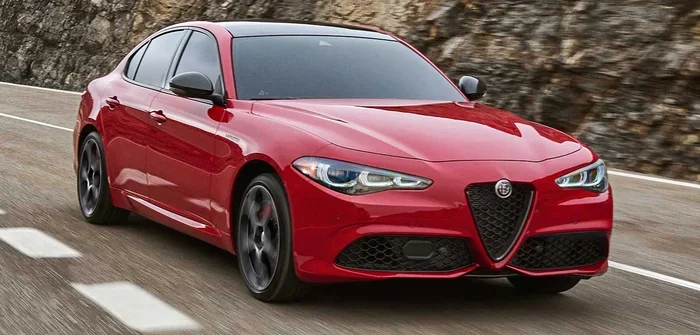
The Alfa Romeo Giulia offers a wide range of horsepower figures depending on the trim you choose. From the base Giulia Ti with around 280 horsepower to the beastly Quadrifoglio packing a stunning 505 horsepower, there is a Giulia for every type of driver. Understanding the Giulia horsepower specs helps you pick the right model for your needs, whether you want a comfortable daily driver or a track-ready sports sedan that turns heads everywhere you go.
The question of how much horsepower an Alfa Romeo Giulia has is one that car enthusiasts and buyers ask all the time. The answer is not as simple as a single number because Alfa Romeo offers several trim levels, each with different engine setups and power outputs. Whether you are shopping for a sleek sports sedan or a high-performance machine, the Giulia lineup has something for everyone.
In this guide, we will walk through every Giulia trim and its horsepower rating. We will look at the base models, the mid-range options, and the legendary Quadrifoglio. You will also learn how the Giulia compares to rival sedans and what you can do to keep your engine running strong. By the end, you will have a clear picture of what the Alfa Romeo Giulia horsepower figures mean for your driving experience.
Let us dive right in and explore the full Giulia horsepower lineup. This is everything you need to know before you sit behind the wheel or sign on the dotted line.
Key Takeaways
- Base Giulia Ti delivers 280 horsepower, making it a strong performer for daily driving.
- The Giulia Quadrifoglio produces 505 horsepower from a twin-turbo V6 engine.
- Horsepower varies significantly across Giulia trims, so choosing the right one matters.
- Torque plays a big role in real-world performance alongside raw horsepower numbers.
- Regular engine maintenance keeps your Giulia performing at its best over the years.
- The Giulia competes with BMW, Mercedes, and Lexus in the premium sports sedan segment.
- Alfa Romeo offers all-wheel drive on higher trims to put that power down effectively.
📑 Table of Contents
- Alfa Romeo Giulia Horsepower Overview
- Giulia Horsepower by Trim Level
- The Quadrifoglio: Alfa Romeo’s Flagship Powerhouse
- Horsepower vs. Torque: Understanding the Difference
- How the Giulia Horsepower Compares to Rival Sedans
- Maintaining Your Giulia Engine for Peak Performance
- Key Takeaways
- Conclusion
Alfa Romeo Giulia Horsepower Overview
The Alfa Romeo Giulia is a premium sports sedan built in Italy with a strong focus on driving feel and performance. How much horsepower does an Alfa Romeo Giulia have depends entirely on which version you pick. The brand offers a range of engines, from turbocharged four-cylinders to a roaring V6, spread across different trim levels.
Here is a quick look at the horsepower range you will find across the Giulia lineup:
- Giulia Ti (Base): 280 horsepower
- Giulia Ti Sport: 280 horsepower
- Giulia Ti AWD: 280 horsepower
- Giulia Veloce: 280 horsepower
- Giulia Veloce AWD: 280 horsepower
- Giulia GTA: 505 horsepower
- Giulia Quadrifoglio: 505 horsepower
As you can see, the Giulia splits into two main power tiers. Most trims share the same 2.0-liter turbocharged four-cylinder engine. The top-tier models switch to a massive 2.9-liter twin-turbo V6 that delivers serious track-level performance.
Understanding the Giulia Engine Options
Alfa Romeo uses two distinct engine families in the Giulia. The first is a 2.0-liter turbocharged four-cylinder engine found in the base and mid-range trims. This engine is paired with an eight-speed automatic transmission and sends power to the rear wheels. On higher trims, you can add all-wheel drive for better traction in wet or cold conditions.
The second engine option is a 2.9-liter twin-turbo V6 used in the Quadrifoglio and GTA trims. This engine is a masterpiece of Italian engineering. It is derived from Ferrari technology and produces an incredible amount of power and torque. The V6 version is rear-wheel drive only and comes with a limited-slip differential for sharp, precise handling.
What the Numbers Mean for Daily Driving
The 280 horsepower found in the base Giulia Ti is more than enough for everyday driving. You will have plenty of power for highway merging, passing, and spirited weekend drives. The car feels lively and responsive without being overwhelming. Most drivers will find this level of Giulia horsepower more than sufficient for their daily commute and road trips.
On the other hand, the 505 horsepower versions are a completely different animal. These cars are built for enthusiasts who want track-level performance on public roads. The acceleration is breathtaking, and the sound of that V6 is music to any car lover’s ears. However, with great power comes great responsibility. These models require more careful driving and a higher level of maintenance.
Giulia Horsepower by Trim Level
Each Giulia trim offers a specific set of features and a defined horsepower output. Let us break down what you get at each level so you can find the right fit for your budget and driving style.
Base Giulia Ti Engine Specs
The Giulia Ti is the entry point into the Alfa Romeo lineup. It comes with a 2.0-liter turbocharged four-cylinder engine that produces 280 horsepower and 306 pound-feet of torque. This engine is mated to an eight-speed automatic transmission. Power goes to the rear wheels as standard.
The Ti trim includes a nice set of standard features. You get leather upholstery, an 8.8-inch touchscreen infotainment system, Apple CarPlay and Android Auto, and a premium sound system. The Giulia Ti also comes with advanced driver assistance features like adaptive cruise control and lane-keeping assist.
For many buyers, the Ti trim hits the sweet spot. You get strong performance, a luxury interior, and modern technology without paying for the top-tier power of the Quadrifoglio. The 280 horsepower Giulia Ti is an excellent daily driver that still feels sporty and engaging.
Mid-Range Giulia Ti Sport and Veloce
The Giulia Ti Sport and Veloce trims sit between the base Ti and the top-tier Quadrifoglio. These models share the same 280 horsepower engine as the base Ti, but they add cosmetic and performance upgrades. You get sport-tuned suspension, larger wheels, unique styling cues, and additional interior enhancements.
The Ti Sport adds a more aggressive exterior look with larger bumpers and a sport exhaust. The Veloce goes a step further with a black mesh grille, sport seats, and aluminum interior trim. Both trims offer the same 280 horsepower figure but feel sharper and more planted on winding roads.
If you want the looks and handling feel of a performance car without the V6 price tag, these mid-range trims are a great choice. The Giulia horsepower remains the same, but the overall driving experience is elevated through better tuning and styling.
The Giulia GTA and Special Editions
Alfa Romeo has also released special edition models like the Giulia GTA and the Giulia GTAm. These are limited-production, track-focused versions of the Giulia. Both produce 505 horsepower from the same 2.9-liter V6 engine found in the Quadrifoglio.
The GTA stands for Gran Turismo Alleggerita, which means lightweight grand touring in Italian. These models are stripped of unnecessary weight and fitted with wider wheels, a more aggressive aerodynamic package, and a specially tuned exhaust. The GTAm version is even more track-oriented with a roll cage and racing seats.
These special editions are rare and highly sought after by collectors. They represent the absolute peak of what the Giulia platform can deliver in terms of horsepower output and driving dynamics.
The Quadrifoglio: Alfa Romeo’s Flagship Powerhouse
The Quadrifoglio is the crown jewel of the Giulia lineup. The name means “four-leaf clover” in Italian and it signals the highest performance variant. How much horsepower does an Alfa Romeo Giulia Quadrifoglio have? The answer is 505 horsepower, making it one of the most powerful sports sedans on the market.
The 2.9L V6 Bi-Turbo Engine
At the heart of the Quadrifoglio is a hand-built 2.9-liter V6 twin-turbo engine. This engine is developed in collaboration with Ferrari and shares its basic architecture with the engine found in the Ferrari 488 GTB. It is a masterpiece of Italian powertrain engineering.
The engine produces 505 horsepower at 6,500 RPM and 443 pound-feet of torque between 2,500 and 5,000 RPM. It is paired with a rear-wheel-drive layout and a limited-slip differential. The eight-speed automatic transmission is quick and precise, shifting gears in milliseconds.
The Quadrifoglio can accelerate from 0 to 60 mph in just 3.6 seconds. Top speed is electronically limited to 191 mph. These numbers put it in the same league as much more expensive supercars from Germany and elsewhere.
Track-Ready Performance Numbers
Alfa Romeo built the Quadrifoglio with track performance in mind. The car features adaptive suspension with magnetic dampers, carbon-ceramic brakes, and a sophisticated all-wheel-steer system. The aerodynamics are actively managed with vents and flaps that adjust to driving conditions.
On the track, the Quadrifoglio has lapped the famous Nurburgring Nordschleife in under 7.4 minutes. That is an impressive time for a four-door sedan and speaks volumes about the balance of power and handling. The Giulia horsepower figure of 505 is put to excellent use through a well-engineered chassis and drivetrain.
Horsepower vs. Torque: Understanding the Difference
When people talk about engine power, they often focus only on horsepower. But torque is just as important, especially in a car like the Giulia. Let us break down what each number means and why both matter.
Why Both Numbers Matter
Horsepower is a measure of how much work an engine can do over time. It determines your top speed and how quickly you can sustain acceleration at high speeds. Torque is a measure of rotational force. It determines how quickly you can accelerate from a stop and how much pulling power the engine has at lower RPMs.
In the base Giulia Ti, the 280 horsepower and 306 pound-feet of torque work together to deliver a smooth and responsive driving experience. The torque is available across a wide RPM range, which means the car feels strong and eager in everyday driving situations.
In the Quadrifoglio, the 505 horsepower and 443 pound-feet of torque create an explosive feeling. The car launches hard off the line and keeps pulling hard through the mid-range. Both horsepower and torque contribute to the thrilling experience of driving a high-performance Giulia.
Quick Tips
- Always consider both horsepower and torque when comparing cars.
- Higher torque usually means better low-end acceleration and towing capability.
- The Giulia’s torque curve is well-designed for real-world driving, not just numbers on paper.
- If you drive in hilly or mountainous areas, more torque makes a noticeable difference.
How the Giulia Horsepower Compares to Rival Sedans
The Alfa Romeo Giulia competes in the premium sports sedan segment. It goes head-to-head with some of the best-known names in the industry. Let us see how the Giulia horsepower figures stack up against its rivals.
BMW 3 Series
The BMW 3 Series is the perennial benchmark in the sports sedan world. The base 330i produces 255 horsepower from a 2.0-liter turbocharged four-cylinder. The higher-performance M3 variant offers 382 horsepower in its standard form and up to 473 horsepower in the Competition xDrive edition.
Compared to the base Giulia Ti at 280 horsepower, the 330i falls a bit short. But the 3 Series has a strong reputation for handling and driver engagement. The M3, however, is more powerful than the Quadrifoglio in its top form, though it comes at a higher price point.
Mercedes-Benz C-Class
The Mercedes-Benz C-Class is another strong competitor. The base C300 produces 255 horsepower, while the C43 AMG jumps to 362 horsepower from a 3.0-liter V6. The top-tier C63 AMG offers a massive 402 horsepower or even 469 horsepower in the S version.
The Giulia holds its own well against the C-Class. The base Giulia Ti has more horsepower than the base C300. The Quadrifoglio at 505 horsepower surpasses even the C63 AMG in raw power output. In terms of Giulia horsepower versus Mercedes rivals, Alfa Romeo often comes out ahead on paper.
Lexus IS
The Lexus IS is known for its reliability and smooth ride. The base IS 300 produces 241 horsepower, while the IS 350 ups the ante to 311 horsepower from a 3.5-liter V6. The IS 500 delivers 472 horsepower from a 5.0-liter V8.
The Giulia’s 280 horsepower base engine is stronger than the IS 300 but slightly below the IS 350. However, the Quadrifoglio at 505 horsepower easily beats the IS 500. Lexus focuses more on reliability and comfort, while Alfa Romeo leans into pure driving excitement.
Giulia Horsepower Comparison Table
| Model | Engine | Horsepower | 0-60 mph |
|---|---|---|---|
| Alfa Romeo Giulia Ti | 2.0L Turbo I4 | 280 hp | 5.6 sec |
| BMW 330i | 2.0L Turbo I4 | 255 hp | 5.6 sec |
| Mercedes C300 | 2.0L Turbo I4 | 255 hp | 5.7 sec |
| Lexus IS 350 | 3.5L V6 | 311 hp | 5.0 sec |
| Alfa Romeo Giulia Quadrifoglio | 2.9L Twin-Turbo V6 | 505 hp | 3.6 sec |
| BMW M3 | 3.0L Twin-Turbo I6 | 382-473 hp | 3.2-3.4 sec |
| Mercedes C63 AMG | 4.0L Twin-Turbo V8 | 402-469 hp | 3.3-3.4 sec |
Maintaining Your Giulia Engine for Peak Performance
Owning a powerful car like the Alfa Romeo Giulia comes with maintenance responsibilities. Keeping your engine in top shape ensures that your Giulia horsepower output stays consistent and that your car remains reliable for years to come.
Regular Maintenance Tips
Follow these simple steps to keep your Giulia engine running strong:
- Change your oil regularly. Alfa Romeo recommends synthetic oil changes every 7,500 to 10,000 miles. Using high-quality synthetic oil protects the turbocharged engine and keeps it running smoothly.
- Check your coolant levels frequently. The Giulia’s engines run hot, especially the V6 in the Quadrifoglio. Keeping coolant levels topped off prevents overheating.
- Replace spark plugs on schedule. Fresh spark plugs ensure proper combustion and maintain the engine’s power output.
- Inspect the turbocharger and intercooler. These components are critical to the Giulia’s forced-induction engines. Look for leaks or damage during regular service visits.
- Use the recommended fuel grade. The Giulia requires premium unleaded fuel (91 octane or higher). Using lower octane fuel can cause knocking and reduce performance.
Common Mistakes to Avoid
Giulia owners sometimes make mistakes that hurt their car’s performance and longevity. Here are a few to watch out for:
- Skipping oil changes: This is the fastest way to damage a turbocharged engine. Old oil loses its lubricating properties and can cause premature wear.
- Ignoring warning lights: If your check engine light comes on, do not ignore it. The Giulia’s engines are sophisticated and small problems can become big ones quickly.
- Using low-quality fuel: Cheap fuel can cause carbon buildup and reduce engine efficiency over time.
- Not warming up the engine: In cold weather, let the engine idle for a minute or two before driving hard. This allows the oil to circulate properly.
Expert Insights on Giulia Engine Care
Many Alfa Romeo specialists recommend treating the Giulia like a race car, even if you use it as a daily driver. The engines are tuned for performance, and they respond well to attentive care. Regular servicing at an authorized Alfa Romeo dealer or a qualified specialist will keep your warranty intact and your car running at its best.
One expert tip is to take your Giulia on a spirited drive at least once a week. This helps keep the engine internals clean and the turbocharger in good working order. Cars that sit idle for long periods can develop issues with fuel system deposits and battery drain.
Key Takeaways
- The base Giulia Ti offers 280 horsepower from a 2.0-liter turbocharged four-cylinder engine, making it a strong and capable daily sports sedan.
- The Giulia Quadrifoglio delivers 505 horsepower from a hand-built 2.9-liter twin-turbo V6, putting it among the fastest sedans in the world.
- Horsepower varies by trim, but every Giulia offers engaging driving dynamics thanks to Alfa Romeo’s rear-wheel-drive-focused chassis.
- Torque works hand-in-hand with horsepower to deliver the responsive, thrilling acceleration the Giulia is known for.
- The Giulia competes favorably with BMW, Mercedes, and Lexus in the premium sports sedan segment, often offering more power at a competitive price.
- Regular maintenance is essential to keep your Giulia’s engine producing its rated horsepower for many years to come.
- Understanding the Giulia horsepower options helps you choose the right trim for your driving needs and budget.
Conclusion
How much horsepower does an Alfa Romeo Giulia have? The answer ranges from a solid 280 horsepower in the base Ti to an astonishing 505 horsepower in the Quadrifoglio and GTA trims. No matter which version you choose, the Giulia delivers a driving experience that is hard to match in the premium sports sedan segment.
The Giulia stands out for its Italian styling, engaging handling, and powerful engine options. Whether you are commuting through city streets or carving up a mountain road, the Giulia has the performance to make every drive exciting. The wide range of Giulia horsepower figures means there is a model for almost every type of driver, from those who want a refined daily driver to those who crave track-level thrills.
Keep up with regular maintenance, use the right fuel, and treat your Giulia with the care it deserves. In return, your Alfa Romeo will reward you with years of exhilarating performance and Italian style. The Giulia is not just a car. It is a statement about what a sports sedan should be.
Frequently Asked Questions
What is the most powerful Giulia model?
The most powerful Giulia model is the Quadrifoglio, which produces 505 horsepower from a 2.9-liter twin-turbo V6 engine. The special edition GTA and GTAm models share this same engine and power output. Both variants are built for track performance and offer an unforgettable driving experience.
Is the Alfa Romeo Giulia good for daily driving?
Yes, the base Giulia Ti is an excellent daily driver. With 280 horsepower, it has more than enough power for everyday use. The ride is comfortable, the interior is well-appointed, and the car handles beautifully. Many owners use their Giulia as their primary vehicle without any issues.
How does the Giulia’s horsepower compare to the BMW M3?
The base Giulia Ti has 280 horsepower, which is less than the BMW M3’s 382 to 473 horsepower. However, the Quadrifoglio’s 505 horsepower surpasses even the top M3 Competition. The comparison depends on which trims you are looking at, but the Giulia is competitive across the board.
Does the Giulia come with all-wheel drive?
Yes, Alfa Romeo offers all-wheel drive on the Giulia Ti AWD and Veloce AWD trims. The AWD system sends power to all four wheels for better traction. However, the Quadrifoglio and GTA trims remain rear-wheel drive only, which keeps the weight balanced for optimal handling.
What type of fuel does the Giulia require?
The Alfa Romeo Giulia requires premium unleaded fuel with an octane rating of 91 or higher. Using the recommended fuel ensures the engine performs at its rated horsepower and helps prevent knocking or engine damage. Always check your owner’s manual for the specific fuel requirements of your trim.
How often should I service my Giulia’s engine?
Alfa Romeo recommends oil changes every 7,500 to 10,000 miles using synthetic oil. Other service intervals include spark plug replacements every 30,000 miles and coolant flushes every 30,000 miles. Following the recommended maintenance schedule keeps your Giulia’s engine producing its full horsepower output for years.
=== CONCLUSION ===
The Alfa Romeo Giulia offers a compelling mix of Italian style, engaging handling, and impressive horsepower across its trim lineup. Whether you choose the capable base Ti or the thunderous Quadrifoglio, you are getting a sports sedan that stands out in a crowded market. Understanding the Giulia horsepower options is the first step toward finding the perfect car for your lifestyle.
Take the time to test drive different trims and feel the difference for yourself. The Giulia is a car that rewards passionate drivers, and knowing the power under the hood helps you make the best choice. Explore the Giulia lineup today and discover what Alfa Romeo horsepower can do on the road.