How Much Is a BMW Catalytic Converter Worth in 2024
A BMW catalytic converter can be worth anywhere from $200 to over $1,500 depending on the model, precious metals inside, and current scrap prices. Understanding what affects the value helps you make smart decisions about repair, replacement, or selling. This guide covers everything from BMW converter scrap value to theft prevention and replacement costs.
If you own a BMW, you might have heard about catalytic converter thefts or expensive replacement bills. Maybe you are wondering what your converter is actually worth on the scrap market. BMW catalytic converter values can range dramatically based on several factors. This guide breaks down everything you need to know about how much your BMW converter is really worth.
The BMW catalytic converter scrap value depends on the metals inside, your specific model, and current market conditions. Whether you are dealing with a stolen converter, planning a replacement, or considering selling an old one, understanding the pricing landscape puts you in control. Let us dive into the details and help you figure out what your converter is truly worth.
Key Takeaways
- BMW catalytic converters contain valuable precious metals like platinum, palladium, and rhodium that determine scrap worth.
- Replacement costs vary widely by BMW model, ranging from $200 to over $3,000 for OEM parts.
- Converter theft is a growing problem, especially for high-value BMW models parked in public spaces.
- Scrap metal prices fluctuate daily, so timing your sale or replacement can save you significant money.
- OEM converters hold more value than aftermarket options but come at a higher purchase price.
- Regular maintenance helps extend converter life and prevents costly exhaust system failures.
- Knowing your converter’s worth empowers you to negotiate better deals with mechanics and scrap yards.
📑 Table of Contents
- What Is a BMW Catalytic Converter and Why Does It Matter
- How Much Is a BMW Catalytic Converter Worth
- Factors That Affect the Price of a BMW Catalytic Converter
- OEM vs Aftermarket BMW Catalytic Converters
- How to Protect Your BMW Catalytic Converter from Theft
- Common BMW Catalytic Converter Problems
- How to Find the Best Price for Your BMW Catalytic Converter
- Final Thoughts on BMW Catalytic Converter Value
What Is a BMW Catalytic Converter and Why Does It Matter
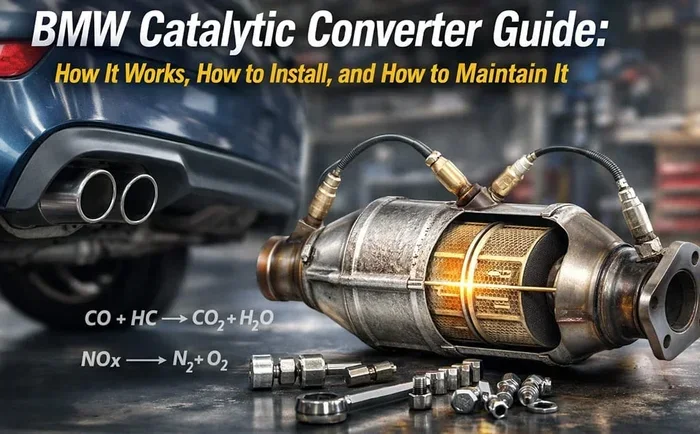
A catalytic converter is a key part of your BMW exhaust system. It reduces harmful emissions before they leave the tailpipe. Inside every converter, there are precious metals that trigger chemical reactions to clean exhaust gases. These metals include platinum, palladium, and rhodium. They are what make BMW converters valuable.
BMW vehicles are known for their performance and engineering excellence. But that same engineering means their catalytic converters contain a high concentration of precious metals. More metals mean higher scrap value. This is why thieves target BMWs specifically. Models like the BMW 3 Series, BMW X5, and BMW 7 Series are particularly attractive targets because of their rich converter content.
How Does a Catalytic Converter Work
The converter sits between the exhaust manifold and the muffler. Hot exhaust gases flow through it and contact the precious metals coated on a ceramic honeycomb structure. These metals convert carbon monoxide, nitrogen oxides, and hydrocarbons into less harmful carbon dioxide, nitrogen, and water vapor. Without a working converter, your BMW will fail emissions tests and run poorly.
Most BMWs have one or two converters depending on the engine configuration. Larger engines and V6 or V8 models typically have more converters, which increases the overall scrap value. Understanding this basic function helps you appreciate why these parts matter so much for both performance and value.
How Much Is a BMW Catalytic Converter Worth
The BMW catalytic converter worth varies a lot depending on the model year, engine type, and market conditions. On the scrap market, prices can swing from $200 to over $1,500 for a single unit. Let us look at what drives these numbers and what you can expect for popular BMW models.
Scrap Value by BMW Model
Different BMW models contain different amounts of precious metals. Here is a general breakdown of what you might expect when selling a BMW catalytic converter for scrap:
- BMW 3 Series (E90, F30): $200 to $500 depending on the year and engine
- BMW 5 Series (F10, G38): $300 to $600 based on configuration
- BMW X5 (E70, F15): $400 to $800 due to larger exhaust systems
- BMW 7 Series (F01, G11): $500 to $1,200 for models with dual converters
- BMW X3 (F25, G01): $250 to $550 depending on engine variant
- BMW M Series (M3, M5): $600 to $1,500 because of high-performance exhaust setups
These numbers are approximate and based on current average scrap prices. The actual value depends on the weight of precious metals inside your specific converter. Always check with local scrap yards for current rates. Prices change weekly based on global commodity markets.
Why BMW Converters Command Premium Prices
BMW uses high-quality converter designs with substantial precious metal loadings. The brand engineers converters for durability and efficiency, which means more metal content. Rhodium is the most expensive of the three key metals, and it is present in significant quantities in BMW converters. When rhodium prices spike, the scrap value of your converter rises too. This is why many people ask, “how much is a BMW catalytic converter worth” during periods of high commodity prices.
Factors That Affect the Price of a BMW Catalytic Converter
Not all BMW converters are created equal. Several factors influence the final price you get from a scrap yard or the cost of a replacement. Understanding these factors helps you make informed decisions whether you are buying, selling, or replacing.
Precious Metal Content
The single biggest factor in converter value is the amount of platinum, palladium, and rhodium inside. BMW uses varying amounts depending on the model year and emission standards. Newer models from 2010 onward tend to have more palladium and rhodium than older ones. The exact composition is proprietary, but scrap yards use X-ray fluorescence machines to analyze metal content quickly.
Here are the key metals and their general roles:
- Platinum: Handles oxidation of carbon monoxide and hydrocarbons
- Palladium: Converts nitrogen oxides into harmless nitrogen
- Rhodium: The most expensive metal, critical for reducing NOx emissions
Model and Engine Size
Larger engines need larger converters to handle greater exhaust volumes. A BMW M5 with a V8 engine will have a bigger converter than a BMW 320i with a four-cylinder. More converter material means more precious metals and higher scrap value. When you ask “how much is a BMW catalytic converter worth,” the engine size is one of the first things a buyer will ask about.
Model Year and Emission Standards
BMW has updated its emission systems across model generations. Vehicles built after 2007 generally meet stricter Euro 5 or Euro 6 standards, requiring more advanced converter technology. These newer converters contain more precious metals and therefore hold higher value. If you have an older BMW, the converter might still work but may not fetch as much on the scrap market.
Current Scrap Metal Prices
Global commodity markets drive precious metal prices daily. When platinum or rhodium prices rise, your converter becomes more valuable overnight. Many scrap yards update their prices weekly to reflect these changes. It pays to check prices before you sell. Websites like Kitco and JM Bullion provide real-time spot prices for these metals.
OEM vs Aftermarket BMW Catalytic Converters
When replacing a BMW catalytic converter, you have two main options: OEM (original equipment manufacturer) or aftermarket parts. Each has pros and cons that affect both performance and cost.
OEM BMW Catalytic Converters
OEM converters are made by the same supplier that provided parts for the factory. They match the exact specifications of your BMW’s exhaust system. OEM converters typically last longer and maintain proper emissions levels. They also hold resale value if you ever need to scrap them. The downside is the price tag. A new OEM BMW converter can cost anywhere from $1,000 to $3,500 depending on the model.
Aftermarket BMW Catalytic Converters
Aftermarket converters are made by third-party manufacturers. They cost less, often ranging from $200 to $800. Some aftermarket options perform well and meet emission standards. However, cheaper units may use fewer precious metals or lower-quality substrates. This can lead to reduced efficiency, check engine lights, or failed emissions tests over time.
When weighing OEM vs aftermarket, consider your BMW model and local emission laws. Some states require CARB-certified converters that only OEM parts provide. Always check your local regulations before purchasing a cheaper alternative.
Which Option Holds Better Value
If you are thinking about long-term value, OEM converters generally win. They contain more precious metals, last longer, and maintain resale value better. Aftermarket converters are a good short-term budget option but may need replacement sooner. For owners planning to keep their BMW for years, the OEM investment pays off through durability and scrap value.
How to Protect Your BMW Catalytic Converter from Theft
Catalytic converter theft has surged in recent years. BMW converters are prime targets because of their high precious metal content and relatively easy access on certain models. Taking preventive steps can save you from a costly and stressful replacement experience.
Why BMW Converters Get Targeted
Thieves can remove a BMW catalytic converter in minutes using basic tools like a reciprocating saw or wrench. The high scrap value means quick money for criminals. BMWs with higher ground clearance like the X5 and X3 are especially vulnerable because the converter is more accessible underneath the vehicle.
Effective Protection Methods
Here are proven ways to protect your BMW converter from theft:
- Install an anti-theft shield or cage: Metal guards that wrap around the converter make it much harder to cut
- Use converter locking bolts: Special bolts that require unique tools prevent quick removal
- Park in well-lit areas: Thieves avoid vehicles in bright, visible locations
- Park in a garage: Keeping your BMW inside dramatically reduces theft risk
- Engrave your VIN on the converter: This helps police identify stolen parts and deters thieves
- Install motion-sensor lights: Sudden lighting scares off potential thieves
Some BMW dealerships now offer factory-installed converter protection as an add-on service. Check with your dealer to see if this is available for your model. Spending a few hundred dollars on prevention can save you thousands in replacement costs.
Common BMW Catalytic Converter Problems
Even without theft, BMW catalytic converters can develop issues over time. Recognizing early warning signs helps you address problems before they become expensive repairs.
Signs of a Failing Converter
Watch for these common symptoms that indicate converter trouble:
- Check engine light: A glowing check engine light often signals converter issues
- Reduced engine performance: A clogged converter restricts exhaust flow and reduces power
- Rattling noise: Broken ceramic inside the converter creates a distinctive rattling sound
- Failed emissions test: Your BMW may not pass inspection with a damaged converter
- Rotten egg smell: Sulfur odors from the exhaust indicate converter failure
- Increased fuel consumption: A failing converter forces the engine to work harder
What Causes Converter Failure
Several factors lead to premature converter wear. Oil or coolant leaks contaminate the precious metal coating. Engine misfires send unburned fuel through the exhaust, overheating the converter. Aging naturally degrades the ceramic substrate over time. Regular BMW maintenance, including oil changes and spark plug replacements, helps prevent many of these issues.
If you notice any of these symptoms, get your BMW inspected promptly. A mechanic can run diagnostic tests to determine if the converter needs replacement or if another exhaust system component is the culprit. Early intervention often means a simpler and cheaper repair.
How to Find the Best Price for Your BMW Catalytic Converter
If you are selling a BMW catalytic converter for scrap, getting the best price takes a little effort. Not all scrap yards offer the same rates, and some may lowball you. Here is how to maximize what you get.
Research Local Scrap Prices
Start by checking current scrap metal prices online. Call at least three local scrap yards and ask for their BMW converter rates. Some yards specialize in precious metals and offer better prices than general scrap facilities. Recycling centers that process automotive parts often pay more than traditional junkyards.
Get Multiple Quotes
Never accept the first offer you receive. Prices vary significantly between buyers. Ask each yard how they determine the value and whether they test the precious metal content on-site. A reputable yard will be transparent about their process and pricing method.
Consider Online Buyers
Several online services now buy catalytic converters directly. Companies like Converter Specialist and AutoShredder offer shipping kits and competitive pricing. You mail your converter to them, they analyze the metal content, and they send you a check. This option often yields better prices than local scrap yards, especially for high-value BMW models.
Before shipping, make sure you own the converter legally and have documentation proving it came from your vehicle. Most reputable buyers require proof of ownership to prevent fencing of stolen parts.
Final Thoughts on BMW Catalytic Converter Value
The value of your BMW catalytic converter depends on many factors, from the model and engine size to current scrap metal prices and precious metal content. Whether you are dealing with a stolen converter, planning a replacement, or looking to sell an old part, understanding the market puts you in a stronger position. Always get multiple quotes, protect your converter from theft, and invest in quality replacement parts when needed.
Knowing how much a BMW catalytic converter is worth helps you make smarter financial decisions. It also helps you appreciate the sophisticated engineering that goes into keeping your BMW running cleanly and efficiently. Take care of your converter, and it will take care of your BMW for years to come.
Frequently Asked Questions
How much is a BMW catalytic converter worth for scrap?
The scrap value typically ranges from $200 to $1,500 depending on your BMW model, engine size, and current precious metal prices. Luxury models and larger engines tend to have higher converter values. Check with local scrap yards for real-time pricing based on your specific vehicle.
Why are BMW catalytic converters so expensive to replace?
BMW converters contain high concentrations of precious metals like platinum, palladium, and rhodium. OEM parts are engineered to exact specifications, which adds to manufacturing costs. The combination of expensive materials and precision engineering drives the replacement price higher than most other vehicles.
How can I tell if my BMW catalytic converter has been stolen?
You will notice a loud exhaust rumble when you start the engine. Your BMW may also trigger a check engine light due to incorrect oxygen sensor readings. Visually, you will see a gap in the exhaust system underneath the car where the converter used to be. If you suspect theft, get your vehicle inspected immediately.
Can I drive my BMW without a catalytic converter?
You can technically drive short distances without a converter, but it is not recommended. Your BMW will fail emissions tests, run poorly, and may trigger warning lights. Driving without a converter is also illegal in most states and can result in fines. Replace a stolen converter as soon as possible.
What BMW models have the most valuable catalytic converters?
High-performance models like the BMW M3, BMW M5, and BMW X5 M tend to have the most valuable converters. Larger engine vehicles with dual converters hold the most precious metal content. Newer models from 2010 onward also tend to have higher values due to increased rhodium content in modern emission systems.
How long does a BMW catalytic converter last?
A BMW catalytic converter typically lasts between 100,000 and 150,000 miles with proper maintenance. Factors like engine health, oil consumption, and driving habits affect lifespan. Regular BMW service appointments and prompt attention to engine warning lights help extend converter life significantly.
=== CONCLUSION ===
Understanding how much a BMW catalytic converter is worth gives you an edge whether you are buying, selling, or replacing one. The value comes down to precious metals, model specifics, and market conditions. Keep your converter protected, maintain your BMW properly, and always research before making a financial decision about this critical exhaust component.