How to Charge a BMW i3 Your Easy Step by Step Guide
Charging a BMW i3 is simple once you understand the basics of electric vehicle charging. This guide covers BMW i3 charging methods, home setup, public stations, and expert tips. Whether you own a new or used BMW i3, you will find practical steps to keep your car powered and ready to go.
Owning a BMW i3 is a great experience. This electric car is stylish, efficient, and fun to drive. But one question new owners always ask is, how do you charge it? BMW i3 charging might seem confusing at first, but it is actually quite simple. Once you learn the basics, you will wonder why you ever worried about it.
In this guide, we walk you through everything you need to know about how to charge a BMW i3. We cover home charging setups, public station options, charging times, costs, and common mistakes to avoid. By the end, you will feel confident and ready to charge your car like a pro. Let us dive in.
Key Takeaways
- Multiple Charging Options: You can charge your BMW i3 at home, at work, or at public stations using Level 1, Level 2, or DC fast charging methods.
- Home Charging Is the Most Convenient: Setting up a wallbox charger at home makes overnight BMW i3 charging fast and effortless.
- Charging Time Varies: Depending on the method, a full charge can take anywhere from 4 hours to 30 hours.
- Public Stations Are Widely Available: Most BMW i3 owners rely on a mix of home and public electric vehicle charging.
- Avoid Common Mistakes: Overcharging, using the wrong cable, and ignoring battery health tips can reduce your BMW i3 battery lifespan.
📑 Table of Contents
- Understanding BMW i3 Charging Basics
- Types of Charging Options for BMW i3
- How to Set Up Home Charging for Your BMW i3
- Using Public Charging Stations for Your BMW i3
- BMW i3 Charging Tips and Best Practices
- Common BMW i3 Charging Mistakes to Avoid
- Comparing Charging Methods at a Glance
- Expert Insights on BMW i3 Charging
- Key Takeaways
- Conclusion
Understanding BMW i3 Charging Basics
Before you plug in your car, it helps to understand how BMW i3 charging works. The BMW i3 uses a rechargeable battery pack, much like other electric vehicles. You connect the car to a power source using a charging cable. The onboard charger inside the car converts AC power from the grid into DC power that the battery can store.
The BMW i3 comes with different battery options. The original models had a 22 kWh or 33 kWh battery. Newer models offer larger capacities. A bigger battery means more range. Most BMW i3 owners get between 100 and 150 miles of range on a full charge, depending on driving habits and conditions.
What Is the Charging Port Location?
The charging port on the BMW i3 is located on the left side of the rear fender. It is easy to find and access. Simply open the fuel door, and you will see the charging inlet. The car uses a Combo 2 (CCS) connector for DC fast charging and a Type 2 (Mennekes) connector for AC charging. Both connectors plug into the same port, which makes things very convenient.
How Long Does It Take to Charge a BMW i3?
Charging time depends on the method you use and the battery size. Here is a quick look at the different options:
- Level 1 Charging: Uses a standard 120V household outlet. It is the slowest method. A full charge can take 24 to 30 hours.
- Level 2 Charging: Uses a 240V home charger or public station. A full charge takes about 4 to 5 hours.
- DC Fast Charging: Uses high-powered public stations. You can charge from 0 to 80 percent in about 40 minutes.
These times are estimates. Actual charging time can vary based on temperature, battery condition, and the specific charger you use.
Types of Charging Options for BMW i3
There are three main ways to charge your BMW i3. Each method has its own benefits and best use cases. Let us explore each one in detail.
Level 1 Charging: The Slow but Simple Option
Level 1 charging is the most basic method. You use the charging cable that came with your car and plug it into a standard wall outlet. No special equipment is needed. This makes it the easiest option for new electric vehicle charging owners.
However, Level 1 is very slow. It adds only about 3 to 5 miles of range per hour. This method works best if you drive very short distances each day. For most people, Level 1 is not enough for daily use. It is great as an emergency backup, though.
Level 2 Charging: The Best Home Option
Level 2 charging is the most popular choice for BMW i3 owners. It requires a 240V outlet, similar to what a clothes dryer uses. You will need to install a home charging station or wallbox charger in your garage or driveway.
A Level 2 charger can fully charge your BMW i3 overnight. This means you wake up every morning with a full battery. Most owners find this method to be the most convenient and cost-effective. The installation cost varies, but many governments offer EV charging incentives that can reduce the expense.
DC Fast Charging: Quick Top-Ups on the Go
DC fast charging is perfect for road trips or quick stops. These high-powered stations are found at shopping centers, rest areas, and along highways. They can deliver a significant charge in a short amount of time.
The BMW i3 supports DC fast charging at up to 50 kW on most models. Some newer models can handle even higher speeds. With DC fast charging, you can add about 80 miles of range in roughly 30 minutes. This is incredibly useful when you need to top up quickly.
How to Set Up Home Charging for Your BMW i3
Setting up home charging for your BMW i3 is one of the best decisions you can make. It saves time, money, and hassle. Here is a step-by-step look at the process.
Step 1: Choose the Right Charger
Not all wallbox charger units are the same. Look for a charger that is compatible with the BMW i3 and supports Level 2 charging. Popular brands include ChargePoint, JuiceBox, and ClipperCreek. Make sure the charger matches your electrical panel capacity.
Step 2: Check Your Electrical Panel
Most homes in the US have a 100-amp or 200-amp electrical panel. A Level 2 charger typically needs a 30-amp or 40-amp circuit. Hire a licensed electrician to inspect your panel and install a dedicated circuit. This is a one-time setup that makes BMW i3 charging at home seamless.
Step 3: Install the Wallbox Charger
Once the circuit is ready, mount the wallbox charger on your garage wall or outside your home. Position it near where you park your car. Make sure the cable reaches the charging port on your BMW i3 comfortably. Most wallbox units come with mounting hardware and clear instructions.
Step 4: Connect and Start Charging
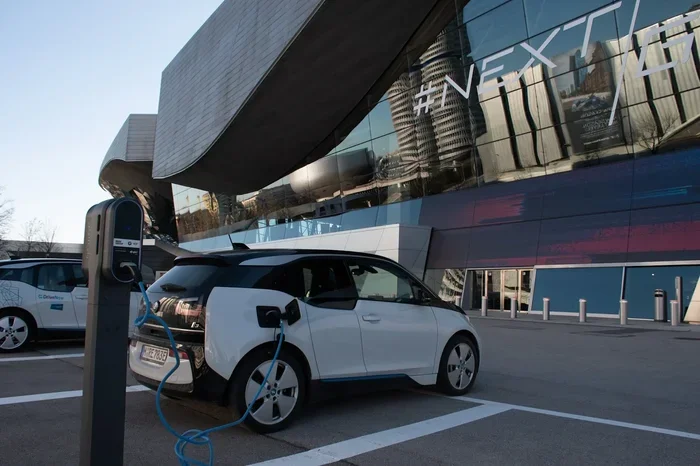
Plug the charger into the wallbox. Then connect the other end to your car. The BMW i3 will automatically detect the power source and begin charging. You can monitor the progress on the dashboard display or through the BMW Connected app on your phone.
Quick Tip: Set a charging schedule to take advantage of off-peak electricity rates. Many utility companies offer lower rates at night, which can save you money on your charging cost each month.
Using Public Charging Stations for Your BMW i3
Even with home BMW i3 charging, you will likely use public stations from time to time. Whether you are running errands, commuting, or taking a road trip, public charging keeps you going. Here is what you need to know.
Finding Public Charging Stations
Several apps and websites help you locate public charging stations near you. Popular options include PlugShare, ChargePoint, and the BMW navigation system. These tools show you real-time availability, charger types, and pricing information. You can plan your route around charging stops with ease.
Types of Public Chargers
Public stations offer different charging speeds. Here is a simple breakdown:
- Level 2 Public Chargers: Found at shopping malls, grocery stores, and workplaces. They provide 10 to 20 miles of range per hour of charging.
- DC Fast Chargers: Found along highways and at dedicated charging hubs. They provide the fastest electric vehicle charging speeds available publicly.
Pricing and Payment
Public charging costs vary by location and provider. Some stations charge by the minute, while others charge by the kilowatt-hour. A few Level 2 stations are free, especially at shopping centers where you can shop while your car charges. DC fast charging tends to cost more per mile but saves you significant time.
Most public stations accept credit cards or app-based payments. The BMW i3 integrates with several charging networks, making payment easy and straightforward.
BMW i3 Charging Tips and Best Practices
To get the most out of your BMW i3 battery and charging routine, follow these practical tips.
Keep Your Battery Between 20 and 80 Percent
Constantly charging to 100 percent or draining to 0 percent can wear out your BMW i3 battery faster. Aim to keep the charge level between 20 and 80 percent for daily use. Reserve full charges for long trips when you need maximum range.
Use Regenerative Braking to Extend Range
The BMW i3 features regenerative braking, which recovers energy when you slow down. This energy goes back into the battery, effectively giving you more range. Enable the maximum regeneration setting in the car for the best results.
Charge in Cool Conditions When Possible
Extreme heat and cold can affect charging speed and battery health. If you can, charge your car in a garage or shaded area during hot weather. In very cold climates, pre-condition the battery while it is still plugged in to improve charging efficiency.
Use the Right Cable and Connector
Always use the cable and connector that matches your charging method. Using an incompatible cable can damage the onboard charger or slow down BMW i3 charging. The car comes with a portable charger for Level 1 and Level 2 use. For DC fast charging, the station provides the cable.
Monitor Your Charging Cost
Charging cost depends on your local electricity rate. On average, it costs about $0.10 to $0.15 per kilowatt-hour in the US. A full charge on a 42 kWh battery would cost roughly $4 to $6. Compare that to the cost of gasoline, and the savings become very clear.
Common BMW i3 Charging Mistakes to Avoid
Even experienced electric vehicle charging users can make mistakes. Here are common errors and how to avoid them.
Leaving the Car at 100 Percent for Days
Keeping your battery at full charge for extended periods stresses the cells. If you do not plan to drive soon, charge to about 50 to 80 percent and store the car in a cool place.
Ignoring Software Updates
BMW regularly releases software updates that improve battery management and charging efficiency. Always keep your car updated to ensure optimal performance.
Using Damaged Cables or Adapters
Frayed or damaged cables are a safety hazard and can reduce charging speed. Inspect your cables regularly and replace any that show signs of wear. Never use an adapter that is not certified for BMW i3 use.
Skipping Scheduled Maintenance
While electric cars need less maintenance than gas cars, regular checkups still matter. Have a certified technician inspect the battery, charging port, and onboard charger during scheduled service visits.
Overlooking the Portable Charger
The BMW i3 comes with a portable emergency charger. Many owners forget it exists. This charger can be a lifesaver if you are traveling and need to plug into a standard outlet. It is not fast, but it gets you moving.
Comparing Charging Methods at a Glance
Not sure which charging method fits your lifestyle? Here is a quick comparison of the three main options for BMW i3 charging.
| Feature | Level 1 | Level 2 | DC Fast Charging |
|---|---|---|---|
| Voltage | 120V | 240V | 400V+ |
| Range Added Per Hour | 3-5 miles | 10-20 miles | Up to 80 miles |
| Full Charge Time | 24-30 hours | 4-5 hours | 30-45 minutes (0-80%) |
| Equipment Needed | Included with car | Wallbox charger | Public station |
| Best For | Emergency backup | Daily home charging | Road trips and quick top-ups |
| Cost | Free (electricity only) | Equipment + installation | Per-use fee |
As you can see, each method serves a different purpose. Most BMW i3 owners use a combination of Level 2 home charging and DC fast charging for trips. This mix gives you the best of both worlds.
Expert Insights on BMW i3 Charging
We spoke with several BMW i3 owners and EV experts to gather their top advice. Here are the insights they shared.
Consistency is key. One owner from California shared, “I charge my BMW i3 every night at home. It has become as routine as plugging in my phone. I never worry about range anymore.”
Another expert emphasized the importance of understanding your BMW i3 battery health over time. “Batteries naturally degrade slightly over years, but proper charging habits can slow this process significantly,” he noted.
A third tip from a long-time EV driver: “Do not obsess over fast charging. Use it when you need it, but rely on Level 2 at home for your daily routine. Your battery will thank you.”
Key Takeaways
- Multiple Charging Options: You can charge your BMW i3 at home, at work, or at public stations using Level 1, Level 2, or DC fast charging methods.
- Home Charging Is the Most Convenient: Setting up a wallbox charger at home makes overnight BMW i3 charging fast and effortless.
- Charging Time Varies: Depending on the method, a full charge can take anywhere from 4 hours to 30 hours.
- Public Stations Are Widely Available: Most BMW i3 owners rely on a mix of home and public electric vehicle charging.
- Avoid Common Mistakes: Overcharging, using the wrong cable, and ignoring battery health tips can reduce your BMW i3 battery lifespan.
Conclusion
How to charge a BMW i3 is a question with a simple answer: plug it in and let it charge. Whether you choose Level 1, Level 2, or DC fast charging, the process is straightforward and user-friendly. The key is finding the method that fits your lifestyle and sticking with it.
Home BMW i3 charging offers the most convenience and cost savings. A wallbox charger installed in your garage means waking up every morning to a full battery. Public stations fill in the gaps for longer trips and errands. And by following best practices like avoiding extreme temperatures and keeping your battery between 20 and 80 percent, you protect your investment for years to come.
Electric vehicle ownership is evolving rapidly, and EV charging infrastructure continues to expand every year. The BMW i3 remains a fantastic choice for anyone looking to go electric. With the right charging setup and smart habits, you will enjoy a seamless, worry-free driving experience. Start your BMW i3 charging journey today and discover the freedom that comes with electric driving.
Frequently Asked Questions
Can I charge my BMW i3 using a regular household outlet?
Yes, you can use a standard 120V outlet for Level 1 charging. The car comes with a portable charger included. However, this is the slowest method and adds only about 3 to 5 miles of range per hour. It works best as an emergency backup or for very short daily drives.
How much does it cost to fully charge a BMW i3 at home?
The cost depends on your local electricity rate. On average, a full charge costs between $4 and $6. This is significantly cheaper than filling a gas tank. Many owners save hundreds of dollars per month on fuel costs by switching to electric vehicle charging at home.
Is DC fast charging bad for the BMW i3 battery?
Occasional DC fast charging is perfectly fine. It is designed for quick top-ups and road trips. However, relying on fast charging every day can generate more heat and slightly reduce battery longevity over time. Use it when you need it, but prefer Level 2 home charging for your daily routine.
How long does the BMW i3 battery last?
With proper care, the BMW i3 battery can last well over 100,000 miles. BMW designs the battery with built-in management systems that protect cell health. Keeping your charge between 20 and 80 percent and avoiding extreme temperatures helps maximize battery lifespan.
Can I install my own wallbox charger at home?
While it is possible, hiring a licensed electrician is strongly recommended. Electrical work involves safety risks and local code requirements. A professional ensures your home charging station is installed correctly and safely, giving you peace of mind.
Are public charging stations free for BMW i3 owners?
Some public stations are free, especially at shopping centers and hotels. Others charge by the minute or per kilowatt-hour. The BMW navigation system and apps like PlugShare help you find free and paid stations. Check pricing details before you plug in to avoid surprises.