How to Charge a Volvo C40 The Ultimate Step by Step Guide
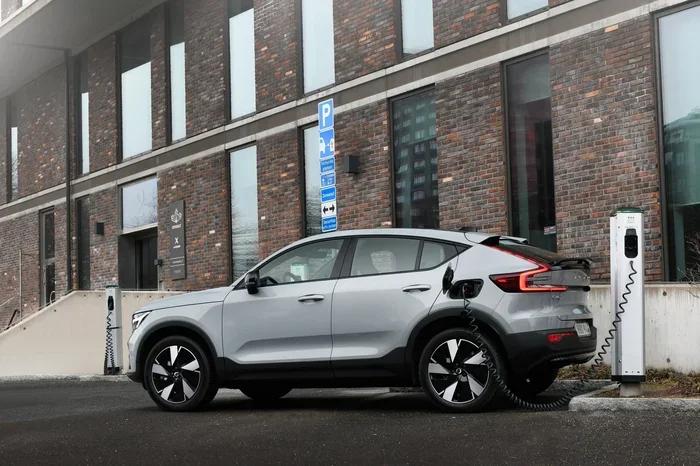
How to Charge a Volvo C40 is simple once you know the basics. This guide walks you through home charging with a wall box, public DC fast charging, and everyday tips to keep your Volvo C40 Recharge ready. You’ll learn charging times, costs, and how to avoid common mistakes.
Owning a Volvo C40 Recharge means you never need to visit a gas station again. But knowing exactly how to charge a Volvo C40 makes all the difference. Whether you plug in at home or stop at a public station, the process is simple and user-friendly. This guide breaks down every step so you can charge with confidence. You’ll learn about home setups, fast charging, and smart habits that keep your battery healthy. Let’s get started.
The Volvo C40 is a fully electric SUV coupe with a big battery and impressive range. It supports both AC and DC charging. AC charging is slower but perfect for overnight at home. DC fast charging lets you add miles quickly on road trips. Understanding these options helps you choose the right method for every situation. We’ll cover everything from the charging cable to the cost per kilowatt-hour. By the end, you’ll feel like a charging expert.
Key Takeaways
- Master How to Charge a Volvo C40 with these essential home and public charging tips.
- A wall box is the fastest and most convenient way to charge at home.
- DC fast charging can add up to 200 km of range in just 30 minutes.
- Use the Volvo On Call app to easily locate public charging stations.
- Preconditioning the battery before fast charging speeds up the process.
- Avoid charging to 100% daily to protect your battery’s long-term health.
- Home charging is the cheapest and most hassle-free option for daily use.
📑 Table of Contents
Understanding Your Volvo C40’s Charging Options
Before you plug in, it helps to know what your car can handle. The Volvo C40 Recharge comes with a portable charger and supports multiple charging speeds. The two main types are AC (alternating current) and DC (direct current). AC charging uses a wall box or a standard outlet. DC fast charging uses high-powered public stations. Both send power to the same charging port on the car.
AC vs DC Charging
AC charging is like filling a bucket with a garden hose. It’s slow but steady. You use it at home or at some workplaces. A home charger rated at 7.4 kW or 11 kW gives you the best overnight experience. DC fast charging is like using a fire hose. It pumps power directly into the battery at high speed. You’ll find these stations at shopping centers, highway rest stops, and dedicated EV hubs.
What Comes in the Box
When you buy a Volvo C40, you get a portable EVSE cable. This cable works with standard 120V or 240V outlets. It’s great for emergencies or short trips. However, for daily charging, a dedicated wall box is far better. It charges faster and is safer for long hours. The portable cable is a backup, not your main tool.
How to Charge a Volvo C40 at Home: Step-by-Step
Home charging is the heart of EV ownership. You wake up every morning with a full battery. It’s convenient, quiet, and costs less than gas. Here’s exactly how to set it up and use it.
Choosing the Right Home Charger
A wall box is the best home charger for the Volvo C40. It’s a small box mounted on your wall with a cable that plugs into the car. You can choose between 7.4 kW and 22 kW models. The 7.4 kW version works with most home electrical setups. The 22 kW model needs a three-phase power supply, which is less common in homes. Check your electrical panel before buying.
You’ll also need a charging cable that matches your car’s inlet. The Volvo C40 uses a Type 2 connector for AC charging. Most wall boxes come with a Type 2 cable included. If not, you can buy one separately. Make sure the cable is long enough to reach your parking spot comfortably.
Wall Box Installation Basics
Installing a wall box is a job for a licensed electrician. They’ll check your home’s wiring and install a dedicated circuit. The process usually takes a few hours. You’ll need a permit in some areas, so check local rules. Once installed, the wall box sits on the wall near your parking spot. It has a simple button or app to start charging.
Here are quick tips for a smooth installation:
- Place the wall box near your parking area, not too far from the electrical panel.
- Choose a model with Wi-Fi or Bluetooth for smart charging features.
- Ask your electrician about solar panel compatibility if you have rooftop solar.
- Ensure the cable length reaches your car’s charging port without stretching.
The Daily Charging Routine
Charging at home is as easy as plugging in your phone. When you park the Volvo C40, connect the cable to the car and the wall box. The car and charger talk to each other automatically. You’ll hear a click and see a light on the cable. The battery capacity of the Volvo C40 is around 78 kWh. A full charge from empty takes about 8 hours with a 7.4 kW wall box. Most owners plug in every night and top up the battery. That way, you always start the day with plenty of range.
| Charger Type | Power Output | Charge Time (0–100%) | Best For |
|---|---|---|---|
| Portable EVSE (120V) | 1.4 kW – 2.3 kW | 30–40 hours | Emergency or short trips |
| Portable EVSE (240V) | 3.6 kW – 7.2 kW | 10–12 hours | Home backup |
| Wall Box (Single Phase) | 7.4 kW | 8–9 hours | Daily home charging |
| Wall Box (Three Phase) | 11 kW – 22 kW | 4–5 hours | Fast home charging |
| DC Fast Charger | 50 kW – 150 kW | 30–40 minutes (10–80%) | Road trips and quick stops |
Public Charging Made Easy
Sometimes you need to charge away from home. Public charging stations are everywhere now. You can find them at supermarkets, malls, and highway rest areas. Using them is simple once you know the ropes.
Finding Stations with Volvo On Call
The Volvo On Call app is a great tool for EV owners. It shows you nearby public charging stations in real time. You can filter by charger type, speed, and availability. The app also lets you start a charging session and pay directly. No need to carry multiple apps or cards. Just open Volvo On Call, find a station, and plug in.
CCS Connectors and Fast Charging Speeds
The Volvo C40 uses a CCS (Combined Charging System) connector for fast charging. This is the standard in Europe and North America. You plug the CCS cable into the car’s fast charging port. The charger and car negotiate the power level automatically. A 50 kW charger can add about 100 km of range in 15 minutes. A 150 kW charger can add up to 200 km in the same time. Always check the charger’s maximum output before you plug in.
Here’s how to use a public fast charger:
- Pull into the charging bay and park the car.
- Open the charging port flap using the car’s touchscreen or the key fob.
- Take the CCS cable from the charger and connect it to the car.
- Authenticate using the Volvo On Call app, RFID card, or contactless payment.
- Start the session and wait. The car will display the charging rate and estimated time.
- When done, unplug the cable and return it to the charger holder.
Charging Times and Range: What to Expect
Knowing how long it takes to charge helps you plan your day. The Volvo C40 has a battery capacity of 78 kWh. The actual range depends on driving style, weather, and speed. In real-world conditions, you can expect around 400 to 450 km on a full charge. Charging time varies by the method you use.
From Empty to Full
A full charge from 0% to 100% takes about 8 hours on a 7.4 kW home charger. On a 50 kW DC fast charger, you can reach 80% in roughly 35 minutes. The last 20% charges more slowly to protect the battery. Most drivers stop at 80% for fast charging because it’s faster and better for battery health. You can set a charging limit in the car’s settings to stop at 80% automatically.
Maximizing Your Daily Range
Small habits can boost your daily range. Driving smoothly and avoiding hard acceleration saves energy. Keeping tires properly inflated reduces rolling resistance. Using climate control sparingly also helps. In cold weather, the battery may temporarily lose some range. Preconditioning the cabin while still plugged in keeps the battery warm and efficient. These tips help you get the most out of every charge.
Smart Charging Tips for Volvo C40 Owners
A few smart moves can make charging easier, faster, and cheaper. These habits protect your battery and save money over time.
Preconditioning the Battery
Preconditioning means warming up the battery before a fast charging stop. You can do this using the Volvo On Call app while the car is still plugged in. The car uses grid power to heat the battery to the ideal temperature. When you arrive at a DC fast charging station, the charger can deliver power at full speed. Without preconditioning, the car may slow down the charge rate to protect a cold battery. This simple step can shave 10 minutes or more off your stop.
Managing Charging Costs
Electricity is cheaper than gasoline, but costs vary by location and time of day. Many utility companies offer lower rates during off-peak hours, usually at night. Charging your Volvo C40 at home during off-peak times can save you a lot of money. You can also set a scheduled charge in the car or wall box app. The car will start charging at midnight and finish by morning. If you have solar panels, you can charge for free during the day. Home charging is the most cost-effective way to power your EV.
Common Mistakes and Troubleshooting
Even experienced EV owners run into occasional hiccups. Knowing what to avoid and how to fix small issues keeps you moving.
When the Charger Won’t Connect
If the charging cable doesn’t click into the car, check a few things. Make sure the cable is fully inserted until you hear a lock. Check that the charging port flap is open. If the car shows an error, try a different cable or outlet. Sometimes a loose connection causes the charger to stop. Unplug and reconnect firmly. If the problem persists, contact Volvo roadside assistance or your installer.
Protecting Your Battery Long-Term
Your battery is the most expensive part of the car. Keeping it healthy extends its life and range. Avoid leaving the battery at 100% charge for days. A setting of 80–90% is perfect for daily use. If you’re storing the car for a long time, charge it to 50% and plug it in periodically. Extreme heat can also affect battery longevity. Park in shade when possible and avoid fast charging immediately after a long drive. Let the battery cool down for a few minutes before plugging in.
Conclusion
How to Charge a Volvo C40 is straightforward once you have the right setup. Home charging with a wall box gives you the most convenience and the lowest cost. Public fast charging is perfect for road trips and quick top-ups. Use the Volvo On Call app to find stations and precondition your battery for faster speeds. Avoid common mistakes like charging to 100% every night or ignoring battery maintenance. With these tips, you’ll enjoy a seamless and efficient electric driving experience. Plug in, charge up, and drive with confidence every day.
Frequently Asked Questions
Can I charge my Volvo C40 with a regular household outlet?
Yes, you can use the portable EVSE cable that comes with the car. It works with a standard 120V outlet, but charging is very slow. A full charge can take over 30 hours. It’s fine for emergencies, but a wall box is much better for daily use.
How long does DC fast charging take for the Volvo C40?
A 50 kW DC fast charger can charge the Volvo C40 from 10% to 80% in about 35 minutes. A 150 kW charger can do it in under 25 minutes. The exact time depends on battery temperature, state of charge, and the charger’s maximum power output.
Is it safe to charge the Volvo C40 in the rain?
Absolutely. The charging port and cable are designed to be weatherproof. You can plug in and charge safely in rain or snow. Just make sure the connector is dry before plugging it in. The car and charger communicate to ensure a safe power transfer.
What is the best home charger for the Volvo C40?
A wall box with a 7.4 kW or 11 kW output is ideal. It charges the car overnight and supports smart features like scheduling. Choose a model with a Type 2 cable and Wi-Fi connectivity. Many wall boxes also work with solar panels and offer load balancing.
Does preconditioning really make fast charging faster?
Yes, it does. When the battery is warm, it can accept power at a higher rate. Preconditioning uses grid power to heat the battery while the car is still plugged in. This avoids the slow-down that happens when a cold battery meets a fast charger. It can save you 10–15 minutes at a charging stop.
How much does it cost to charge a Volvo C40 at home?
The cost depends on your local electricity rate. With a 78 kWh battery and an average rate of $0.15 per kWh, a full charge costs about $12. That’s far cheaper than filling a gas tank. Charging during off-peak hours can reduce the cost even further.