How to Fix Electric Parking Brake Problems in Acura TLX
Electric parking brake problems in Acura TLX can leave you stranded or unsafe on the road. This guide covers the most common causes, diagnostic steps, and practical fixes for your TLX EPB system. You will learn how to reset the system, replace faulty parts, and prevent future issues with simple maintenance tips.
Dealing with electric parking brake problems in Acura TLX models is more common than you might think. The electronic parking brake, or EPB, is a convenient feature that replaces the traditional lever or pedal. But when it starts acting up, it can cause real headaches. Whether your dashboard is flashing a warning light or the rear brakes simply will not release, this guide has you covered. We will walk you through every step to diagnose, fix, and prevent these issues. By the end, you will feel confident tackling the repair yourself or knowing exactly what a mechanic should do.
The Acura TLX has been a popular luxury sedan for years. It offers a smooth ride, strong engine options, and solid build quality. However, the electric parking brake system on these vehicles is known to develop problems over time. The good news is that most EPB issues are fixable with the right knowledge and tools. You do not need to be a master mechanic to handle many of these repairs. Let us dive into everything you need to know about fixing electric parking brake problems in Acura TLX cars.
Key Takeaways
- Most EPB issues stem from a worn motor, low brake fluid, or a faulty sensor in the Acura TLX.
- A simple reset procedure often resolves parking brake warning lights and error messages.
- Replacing the parking brake motor or rear caliper is a common repair that DIYers can handle with basic tools.
- Regular brake fluid checks and system inspections prevent costly electric parking brake problems in Acura TLX vehicles.
- Knowing when to visit a professional saves time and avoids safety risks.
- Diagnostic scan tools are essential for reading EPB error codes accurately.
- Preventive maintenance keeps your Acura TLX parking brake system reliable for years.
📑 Table of Contents
- Common Electric Parking Brake Problems in Acura TLX
- Diagnosing EPB Issues Step by Step
- How to Reset Your Electric Parking Brake
- Replacing the Parking Brake Motor and Caliper
- Preventing Future Electric Parking Brake Failures
- When to See a Professional Mechanic
- Cost Breakdown for EPB Repairs
- Key Takeaways
- Conclusion
Common Electric Parking Brake Problems in Acura TLX
Before you can fix a problem, you need to understand what is actually going wrong. The EPB system in the Acura TLX relies on several components working together. When one part fails, the whole system can malfunction. Here are the most common issues drivers experience.
Parking Brake Warning Light Stays On
The most obvious sign of a problem is the parking brake warning light on your dashboard. This light usually looks like a “P” inside a circle with parentheses. If it stays illuminated after you release the brake, something is wrong. Sometimes it is a simple sensor issue. Other times, it points to a deeper problem with the EPB motor or wiring. Ignoring this light is not a good idea. It means your parking brake may not be engaging or releasing properly.
EPB Will Not Release
Another frustrating issue is when the electric parking brake refuses to release. You press the button, but the rear brakes stay locked. This can make driving impossible or very dangerous. The most common cause is a failed brake motor inside the rear caliper. Over time, the motor wears out or gets stuck. Corrosion and grime can also build up and prevent movement. In some cases, a software glitch in the EPB control module causes this problem. A brake fluid issue can also stop the release mechanism from working correctly.
EPB Will Not Engage
On the flip side, the parking brake might not engage at all. This is just as dangerous because your car can roll on a hill. A worn brake cable, a faulty actuator motor, or a low brake fluid level can all cause this. The ABS sensor plays a role too. If the sensor is dirty or damaged, the system may not engage the parking brake when you press the button. These electric parking brake problems in Acura TLX vehicles are annoying but usually straightforward to fix.
Unusual Noises From the Rear Brakes
Grinding, clicking, or whining noises when the parking brake activates are never normal. These sounds often indicate a worn motor gear or a seized caliper. The EPB motor uses a small gear mechanism to pull the brake cable. When that gear wears down, it starts making noise. A seized caliper piston can also cause grinding. If you hear unusual sounds, do not ignore them. Address the issue early to avoid more expensive repairs down the road.
Intermittent EPB Malfunctions
Sometimes the problem comes and goes. The parking brake light flickers on and off. The brake engages sometimes but not others. Intermittent issues are tricky because they are hard to reproduce. They often point to a wiring problem, a loose connector, or a failing sensor. Moisture can get into the connectors and cause corrosion over time. This leads to intermittent electrical failures in the EPB system. These kinds of electric parking brake issues in Acura TLX cars require patient diagnosis.
Diagnosing EPB Issues Step by Step
Now that you know the common problems, let us talk about how to diagnose them properly. A systematic approach saves time and money. You do not want to replace parts that are not actually broken.
Check the Dashboard Warning Lights
Start with the obvious. Turn the ignition on and watch the dashboard lights. Does the parking brake warning light come on? Does the ABS light also illuminate? These lights give you your first clue. A parking brake light alone might mean the system needs a reset. If both lights are on, the problem is likely more serious. Write down every warning light you see. This information helps you or your mechanic narrow down the cause.
Inspect the Brake Fluid Level
Open the hood and locate the brake fluid reservoir. The fluid level should be between the minimum and maximum marks. Low brake fluid can trigger EPB errors and prevent proper operation. Check for leaks around the brake lines and calipers. If the fluid is low, top it off with the correct DOT fluid specified for your Acura TLX. After topping off, test the parking brake again. Sometimes a simple fluid top-up resolves the issue entirely.
Use a Diagnostic Scan Tool
A diagnostic scan tool is your best friend when troubleshooting electric parking brake problems in Acura TLX vehicles. Plug the tool into the OBD-II port under your dashboard. Look for any stored error codes related to the EPB system. Common codes include issues with the left rear caliper motor, right rear caliper motor, or the EPB control module. The scan tool will give you specific codes that point directly to the failing component. You can find affordable OBD-II scanners at most auto parts stores or online.
Test the EPB Motor and Actuator
If the scan tool shows a motor-related code, you need to test the motor itself. The EPB motor is located inside the rear brake caliper. You will need to remove the rear wheel and caliper to access it. Use a multimeter to check for voltage at the motor connector. If power is reaching the motor but it does not spin, the motor is bad. If no power reaches the motor, the issue is in the wiring or the control module. This step-by-step diagnosis helps you avoid replacing parts that are not the real problem.
Inspect Wiring and Connectors
Do not overlook the wiring harness. Follow the cables from the EPB motor back to the control module. Look for frayed wires, corroded connectors, or loose pins. The rear of the car takes a beating from road debris, salt, and moisture. All of these can damage the wiring over time. Clean any corroded connectors with electrical contact cleaner. Repair any damaged wires with proper crimp connectors. A thorough wiring inspection often reveals the root cause of intermittent EPB failures.
How to Reset Your Electric Parking Brake
Before you go replacing expensive parts, try a reset. Many EPB issues are resolved with a simple recalibration. This is especially true if the warning light came on after a battery disconnect or a brake service.
Soft Reset Procedure
A soft reset is the easiest first step. Start by turning the ignition to the “ON” position. Do not start the engine. Press and hold the EPB button for about five seconds. The parking brake should engage fully. Then press and hold the button again to release it. Wait about ten seconds. Turn the ignition off and then back on. Check if the warning light is gone. This simple procedure recalibrates the EPB system and clears minor error codes. Many drivers fix their electric parking brake problems in Acura TLX with just this reset.
Hard Reset with Battery Disconnect
If the soft reset does not work, try a hard reset. Disconnect the negative battery terminal. Wait at least fifteen minutes. This allows the EPB control module to fully power down and clear its memory. Reconnect the battery terminal and turn the ignition on. The system will run a self-check. The parking brake light should go off after a few seconds. If it stays on, the problem is likely hardware-related and not a simple calibration issue. A hard reset is a great first troubleshooting step before moving on to more involved repairs.
When Resetting Does Not Work
Sometimes resetting the system does not clear the problem. If the warning light comes back immediately or the brake still will not release, you have a real hardware issue. At that point, it is time to move on to inspecting and replacing components. Do not keep resetting the system hoping it will fix itself. A persistent EPB problem can compromise your safety. Address it promptly and correctly.
Replacing the Parking Brake Motor and Caliper
If diagnosis confirms a bad motor or caliper, replacement is the next step. The good news is that this repair is well within reach for most DIY enthusiasts. You need basic hand tools, a jack, and a little patience.
Tools You Will Need
Gather these tools before you start. You will need a jack and jack stands, a lug wrench, a socket set, a Torx bit set, a multimeter, and new EPB motor or caliper assembly. Having everything ready saves trips back and forth to the garage. Wear safety glasses and gloves. Working on the brakes is serious business. Never get under the car supported only by a jack. Always use jack stands for stability.
Step-by-Step Motor Replacement
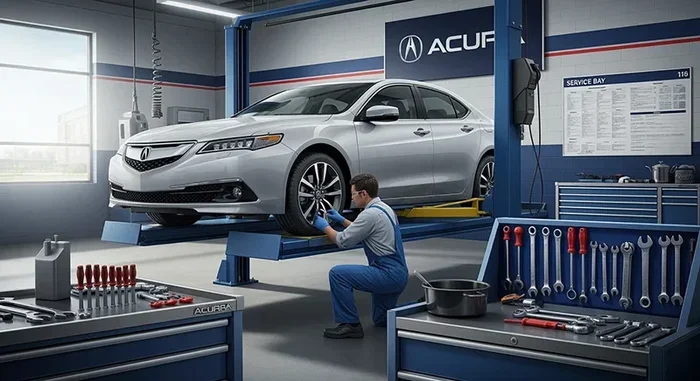
First, loosen the lug nuts on the affected rear wheel. Jack up the car and secure it on jack stands. Remove the wheel. You will see the brake caliper and rotor. Disconnect the electrical connector from the EPB motor. Remove the mounting bolts holding the caliper in place. Carefully pull the caliper assembly away from the rotor. The motor is integrated into the caliper on Acura TLX models. Unbolt the old motor from the caliper housing. Install the new motor and bolt it securely. Reassemble everything in reverse order. After installation, perform a brake system reset using the procedure described in the previous section.
Caliper Replacement vs. Motor Replacement
In some cases, the entire caliper assembly needs replacement rather than just the motor. If the caliper piston is seized or the housing is damaged, a full caliper swap is the better choice. A complete caliper assembly costs more than a motor alone, but it saves time and ensures long-term reliability. Compare the cost of a new motor versus a remanufactured caliper assembly. Often, the caliper assembly is the smarter investment for older Acura TLX models with higher mileage.
Preventing Future Electric Parking Brake Failures
Prevention is always better than repair. A few simple habits can keep your EPB system working reliably for the life of the vehicle. These tips apply to all Acura TLX owners.
Regular Brake Fluid Maintenance
Check your brake fluid level at least once a month. Top off as needed with the correct DOT fluid. Brake fluid absorbs moisture over time, which can corrode internal EPB components. Replace your brake fluid every two years or as recommended in the Acura owner manual. Fresh brake fluid keeps the entire brake system, including the EPB, running smoothly.
Keep the Rear Brakes Clean
Road salt, dirt, and grime build up on the rear brakes and can cause corrosion. This corrosion affects the EPB motor and caliper performance. Wash your car regularly, especially the undercarriage and wheel wells. After driving through salt or heavy rain, rinse the rear brakes with clean water. Keeping the rear end clean is one of the easiest ways to prevent electric parking brake problems in Acura TLX cars.
Do Not Ignore Warning Signs
If you notice a warning light, unusual noise, or sluggish brake response, address it immediately. Small problems become big problems fast. A worn motor gear can damage the caliper if left unattended. A corroded connector can cause wiring damage that spreads to other circuits. Early intervention saves money and keeps you safe on the road.
Follow the Acura Maintenance Schedule
Acura provides a detailed maintenance schedule in the owner manual. Follow it closely. Regular brake inspections, fluid flushes, and system checks catch potential issues before they become failures. Staying on top of scheduled maintenance is the single best way to avoid unexpected EPB breakdowns.
When to See a Professional Mechanic
Not every repair needs to be DIY. Knowing your limits keeps you safe and saves money in the long run. Here is when to call in the pros.
Complex Electrical Issues
If your diagnostic scan reveals a problem with the EPB control module or complex wiring issues, a professional is the right choice. Electrical problems can be difficult to trace and even harder to repair without specialized tools. A certified mechanic has access to advanced diagnostic equipment and factory service manuals. They can pinpoint the exact cause quickly and safely.
Brake System Integrity Concerns
Your brakes are the most critical safety system in your car. If you are unsure about any brake repair, do not hesitate to seek professional help. A mechanic can perform a full brake inspection, test the hydraulic system, and verify that the EPB is functioning correctly. Peace of mind is worth the cost of a professional inspection.
Warranty Considerations
If your Acura TLX is still under warranty, check with your dealer before performing any repairs yourself. DIY repairs can sometimes void the warranty on related components. A dealer or authorized Acura service center can perform the repair while keeping your warranty intact. This is especially important for newer TLX models with extended powertrain or brake system coverage.
Cost Breakdown for EPB Repairs
Understanding repair costs helps you plan and budget. Here is a general breakdown of common EPB repair costs for the Acura TLX. Prices vary by location, model year, and labor rates.
- EPB Reset and Diagnostic Scan: $0 to $100 if done yourself. A shop may charge $50 to $150 for the scan.
- Brake Fluid Flush and Top-Off: $80 to $150 at a shop. DIY cost is around $20 to $40 for fluid.
- EPB Motor Replacement (DIY): $200 to $400 for the part. No labor cost if you do it yourself.
- EPB Motor Replacement (Shop): $400 to $800 including parts and labor.
- Full Caliper Assembly Replacement (DIY): $350 to $700 for the part.
- Full Caliper Assembly Replacement (Shop): $700 to $1,200 including parts and labor.
- EPB Control Module Replacement: $500 to $1,500 depending on the vehicle year and whether you buy new or remanufactured.
These costs give you a general idea of what to expect. Always get a detailed estimate from your mechanic before authorizing any work. Ask questions and make sure you understand what is being replaced and why.
Key Takeaways
- Electric parking brake problems in Acura TLX are common and usually fixable.
- Start with simple diagnostics like checking fluid levels and performing a system reset before replacing parts.
- A diagnostic scan tool is essential for reading EPB error codes and pinpointing the exact cause.
- Replacing the EPB motor or caliper is a manageable DIY repair for those with basic automotive skills.
- Regular maintenance including brake fluid changes and rear brake cleaning prevents most EPB failures.
- Do not ignore warning lights or unusual noises. Early attention prevents costly damage.
- When in doubt, consult a professional mechanic to ensure your brake system is safe and fully functional.
Conclusion
Electric parking brake problems in Acura TLX vehicles are frustrating but rarely insurmountable. With the right diagnostic approach, most issues can be identified and fixed without breaking the bank. Start with the basics. Check the fluid, reset the system, and scan for error codes. If those steps do not resolve the problem, dig deeper into the motor, caliper, and wiring. Prevention through regular maintenance is your best long-term strategy. Keep your brake fluid fresh, clean the rear brakes, and address warning signs immediately. Your Acura TLX is a well-engineered vehicle, and with proper care, the electric parking brake will serve you reliably for many years. Take action today and enjoy the confidence that comes with a fully functioning parking brake system.
Frequently Asked Questions
What causes the electric parking brake to fail on an Acura TLX?
The most common causes are a worn EPB motor, low brake fluid, corroded wiring, or a faulty ABS sensor. Over time, the motor inside the rear caliper can wear out or seize up. Moisture and road debris can damage connectors and wiring. Regular maintenance helps prevent most of these failures.
Can I drive my Acura TLX with a faulty electric parking brake?
It is not recommended. A faulty EPB means your parking brake may not engage properly, which is a safety risk, especially on hills. In some cases, the rear brakes may stay partially engaged, causing damage to the brake components. Have the issue diagnosed and repaired as soon as possible.
How much does it cost to fix electric parking brake problems in Acura TLX?
Costs range from $0 for a simple reset to $1,500 for a control module replacement. Motor replacement typically costs $400 to $800 at a shop. Caliper assembly replacement runs $700 to $1,200. Getting a diagnostic scan first helps you avoid unnecessary expenses by identifying the exact problem.
How do I reset the electric parking brake on my Acura TLX?
Turn the ignition to the ON position without starting the engine. Press and hold the EPB button for five seconds until the brake engages, then press and hold it again to release. Wait ten seconds, then turn the ignition off and back on. If the warning light persists, try disconnecting the battery for fifteen minutes and reconnecting it.
Is it safe to replace the EPB motor myself?
Yes, if you have basic automotive tools and some mechanical experience. You need a jack, jack stands, socket set, and a Torx bit set. Follow safety procedures carefully. If you are uncomfortable working on the brakes, a professional mechanic is the safer choice. Brakes are a critical safety system.
How often should I maintain the electric parking brake system on my Acura TLX?
Inspect the EPB system at every brake service, which is typically every 15,000 to 30,000 miles. Replace brake fluid every two years. Clean the rear brake area during regular car washes. Following the Acura maintenance schedule and addressing warning signs early keeps the system working reliably.