How to Fix the BSD System on a Kia Optima Right Now
The BSD system on your Kia Optima keeps you safe by detecting vehicles in your blind spots. When it fails, you lose a critical safety feature that could prevent a serious accident. This guide walks you through every step to fix the BSD system on a Kia Optima yourself, from checking fuses and sensors to resetting the module. We also cover repair costs, prevention tips, and when to call a professional.
Your Kia Optima is a great car. It drives smooth, feels comfortable, and has smart safety features. One of those features is the BSD system, also known as the blind spot detection system. It watches the roads around you and warns you when a car is lurking in your blind spot.
But what happens when that system starts acting up? Maybe the BSD warning light stays on. Maybe you hear annoying beeps for no reason. Or maybe the system just stops working altogether. Whatever the problem, you are in the right place. This guide shows you exactly how to fix the BSD system on a Kia Optima right now.
We keep things simple. No confusing tech talk. No expensive trips to the dealer unless you truly need one. Just clear, step-by-step instructions that real people can follow. Whether you are a car beginner or a weekend wrench-turner, this guide helps you get your blind spot monitor working again.
Key Takeaways
- Quick DIY Fixes Work: Many BSD problems come from loose connections, dirty sensors, or a blown fuse. You can fix these at home in under 30 minutes.
- Know the Warning Signs: Dashboard lights, false beeping, and total system silence all point to different BSD issues.
- Reset Before You Replace: A simple BSD system reset often solves the problem without costly parts.
- Sensor Cleaning Matters: Dirt and debris on the rear bumper or side mirror sensors are the most common causes of BSD failure.
- Cost Range Is Wide: DIY fixes cost little to nothing. Professional repairs range from $100 to $500+ depending on the issue.
- Prevention Is Easy: Regular cleaning and smart driving habits keep your blind spot detection system working for years.
- Know When to Call a Pro: If basic fixes do not work, a certified mechanic can run a full BSD system diagnostic and fix complex issues.
📑 Table of Contents
What Is the BSD System on a Kia Optima?
The BSD system stands for Blind Spot Detection. It is a safety feature built into your Kia Optima that helps you stay safe while changing lanes. The system uses sensors to watch the areas beside and behind your car. When a vehicle enters your blind spot, the system gives you a visual or audible alert.
How the BSD System Works
The system relies on radar sensors mounted on the rear bumper and sometimes on the side mirrors. These Kia Optima sensors send out signals that detect nearby vehicles. When something is detected, a light on your side mirror or dashboard turns on. Some models also make a beeping sound.
The BSD module is the brain of the system. It processes the sensor data and decides when to trigger an alert. If the module detects a problem, it stores an error code. That is when the BSD system malfunction light appears on your dashboard.
Why the BSD System Matters
Blind spots are one of the leading causes of lane-change accidents. The BSD alert system adds an extra layer of protection. It catches what your mirrors might miss. Without a working blind spot detection system, you are driving with a big safety gap. That is why fixing a broken BSD system should be a top priority.
Many drivers ignore the warning signs. They assume the car will still be fine. But a non-working blind spot detection system means you are driving blind in more ways than one. Taking the time to fix it keeps you and others safe on the road.
Common Signs Your BSD System Is Failing
Before you can fix the problem, you need to know what the problem looks like. A BSD system usually gives clear warning signs before it completely fails. Here are the most common ones.
Warning Lights on the Dashboard
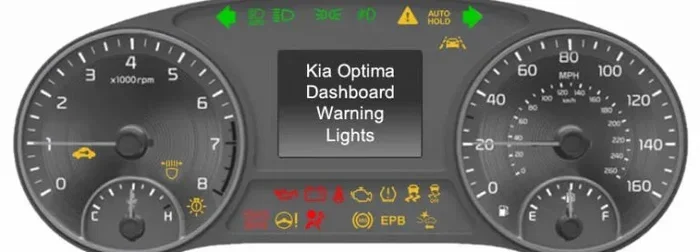
The most obvious sign is a BSD warning light on your dashboard. It often looks like a car with curved lines beside it. If this light stays on after you start the engine, the system has detected a fault. It is not something to ignore.
Sometimes the light flashes. Sometimes it stays solid. A flashing light often means a temporary issue. A solid light usually points to a deeper problem that needs attention. Either way, it is time to investigate.
Beeping Sounds and False Alerts
Another sign of BSD system malfunction is constant beeping. The system might alert you when there is no car in your blind spot. This can be very annoying and distracting. False alerts often mean the Kia Optima sensors are dirty or misaligned.
You might also notice the system beeping when you turn on the turn signal but there is no vehicle nearby. This is a clear sign the BSD system diagnostic needs attention. Do not just silence the beeps and ignore it. The system is trying to tell you something is wrong.
System Completely Dead
In some cases, the blind spot detection system just stops working. No lights. No beeps. Nothing. You might not even notice until you change lanes and realize you have no warning. A completely dead system often points to a blown fuse, a wiring issue, or a failed BSD module.
If your Kia Optima dashboard warning lights are behaving strangely, do not wait. The sooner you address the issue, the safer you are. A quick Kia Optima troubleshooting session can save you from a serious accident.
How to Fix the BSD System on a Kia Optima Step by Step
Now for the part you have been waiting for. Here is exactly how to fix the BSD system on a Kia Optima. We start with the simplest fixes and work our way up. Follow these steps in order.
Step 1: Check the BSD System Fuse
A blown fuse is the most common cause of BSD failure. It is also the easiest to fix. Here is what to do:
- Turn off the engine and remove the key.
- Open the fuse box cover. The BSD system fuse box is usually located under the dashboard on the driver side.
- Look for the fuse labeled “BSD” or “Blind Spot.” Refer to your owner manual if you are not sure which one it is.
- Pull the fuse out and inspect it. If the metal strip inside is broken, the fuse is blown.
- Replace it with a new fuse of the same amp rating.
After replacing the fuse, start the engine and check if the BSD warning light is off. If it is, you are done. If not, move on to the next step.
Step 2: Inspect the Sensors
The radar sensor Kia Optima units are located on the rear bumper, usually near the tail lights. They can get dirty, covered in ice, or damaged from road debris. Here is how to check them:
- Walk around the rear of your car and look at both sides of the bumper.
- Check for dirt, mud, snow, or any object covering the sensors.
- Clean the sensors gently with a soft cloth and warm water.
- Look for cracks, dents, or physical damage to the sensor housing.
- Also check the side mirror sensor if your model has sensors built into the mirrors.
Dirty sensors are the number one reason for blind spot detection not working. A simple cleaning can often restore full function. Make sure the sensors are completely dry before you start the car.
Step 3: Reset the BSD Module
Sometimes the BSD module just needs a reset. This clears any error codes and refreshes the system. Here is how:
- Turn off the engine and remove the key.
- Disconnect the negative battery terminal using a wrench.
- Wait at least 15 minutes. This gives the system time to fully power down.
- Reconnect the battery terminal and tighten it securely.
- Start the engine and let it idle for a few minutes.
- Check if the BSD warning light is off and the system is working.
This BSD system reset works in many cases. It is like restarting a computer. The system clears temporary errors and starts fresh. If the light comes back on after the reset, the issue is likely hardware-related.
Step 4: Update or Recalibrate the System
Sometimes the sensor calibration gets thrown off. This can happen after a bumper repair, a battery replacement, or even a minor accident. To recalibrate:
- Check if there are any software updates available for your Kia Optima. Visit a Kia dealer or use the Kia UVO app if your car supports it.
- Some BSD system diagnostic tools can recalibrate the sensors at home. These are available at auto parts stores.
- For a full recalibration, visit a Kia dealer or qualified mechanic. They have professional tools that can run a complete blind spot detection repair calibration.
Recalibration is especially important after any work done on the rear bumper or sensors. Even a small shift can throw off the entire system.
Step 5: Check Wiring and Connections
If none of the above steps work, the problem might be in the wiring. The BSD system fuse box connects to the sensors through a network of wires. Over time, these wires can corrode, loosen, or get damaged. This is more common in older Kia Optima models or cars that have been through rough weather.
You can inspect the wiring yourself if you are comfortable working under the car. Look for frayed wires, loose connectors, or rusted terminals. If you find damage, a professional repair is usually the best option.
BSD System Repair Costs and What to Expect
One of the first questions people ask is about blind spot detection cost. The answer depends on what is wrong and how you fix it. Here is a realistic breakdown.
DIY vs Professional Repair
If you handle the fix yourself, the costs are minimal. A new fuse costs a few dollars. Cleaning supplies cost almost nothing. A BSD system reset costs you nothing but about 20 minutes of your time.
Professional repairs cost more but come with a warranty. A dealer or mechanic will charge for labor and parts. Here is a rough comparison:
| Repair Type | DIY Cost | Professional Cost |
|---|---|---|
| Fuse Replacement | $2 – $5 | $50 – $100 |
| Sensor Cleaning | $0 | $0 (you do it) |
| BSD Module Reset | $0 | $50 – $100 |
| Sensor Replacement | N/A | $200 – $400 per sensor |
| BSD Module Replacement | N/A | $300 – $500+ |
| Wiring Repair | N/A | $150 – $300 |
Average Cost Breakdown
Most blind spot detection repair jobs fall in the $100 to $300 range when done professionally. The most expensive part is usually the sensor replacement. Each Kia Optima sensor can cost between $200 and $400 depending on the model year.
If the BSD module itself needs replacement, expect to pay $300 to $500 or more. This includes both the part and the labor for installation and sensor calibration.
Keep in mind that these are estimates. Actual costs vary by location, model year, and the severity of the issue. Always get a quote before committing to a major repair.
Preventing Future BSD System Problems
The best fix is prevention. A few simple habits can keep your blind spot detection system working reliably for years. Here is how to protect your investment.
Regular Maintenance Tips
- Clean the sensors monthly: Use a soft cloth and warm water. Wipe the rear bumper sensors and any mirror-mounted sensors gently.
- Check the fuses during oil changes: Make it a habit to glance at the fuse box when you are under the hood. A loose fuse can cause intermittent problems.
- Watch for warning signs: If the BSD warning light flickers or comes on briefly, do not ignore it. Address it early before it becomes a bigger problem.
- Keep software updated: Check for system updates at your Kia dealer during regular service visits.
Driving Habits That Help
How you drive affects how long your BSD system lasts. Here are a few habits that help:
- Avoid high-speed curb impacts: Potholes and speed bumps at high speed can damage the rear bumper sensors.
- Wash your car regularly: Road salt, mud, and grime can corrode sensor connections over time.
- Be gentle with the rear bumper: Parking bumps and low curbs can misalign or damage sensors.
- Address small issues quickly: A small crack in the bumper near a sensor can lead to water damage and bigger problems later.
When to See a Professional Mechanic
Not every BSD system problem is a DIY fix. Some issues require professional tools and expertise. Here is when you should make that call.
If you have tried the fuse check, sensor cleaning, and reset, but the BSD warning light is still on, it is time for a professional BSD system diagnostic. A mechanic can hook up a scan tool and read the error codes stored in the BSD module. These codes tell exactly which part is failing.
You should also see a pro if you notice physical damage to the sensors or wiring. A cracked sensor housing or corroded wire needs professional replacement. Trying to DIY a sensor replacement without the right tools can lead to more damage and higher costs.
Finally, if your Kia Optima is still under warranty, check with your dealer first. The blind spot detection system may be covered. Taking it to a dealer for warranty repairs saves you money and ensures the work is done correctly.
Conclusion
Fixing the BSD system on a Kia Optima does not have to be scary or expensive. Most problems come from simple causes like a blown fuse, dirty sensors, or a need for a reset. With the steps in this guide, you can tackle many blind spot detection repair jobs yourself. You save money, learn about your car, and get back on the road with confidence.
Remember to check your sensors regularly, keep the system clean, and never ignore warning lights. A working blind spot detection system is one of the best safety features on your Kia Optima. It watches what you cannot see and keeps you safe during every lane change.
Start with the simplest fix and work your way up. If the problem persists, do not hesitate to call a professional. Your safety on the road is always worth it. Now go out there and fix that BSD system on your Kia Optima today.
Frequently Asked Questions
Can I drive my Kia Optima if the BSD system is not working?
Yes, you can drive the car, but you lose an important safety feature. The blind spot detection system helps you see vehicles beside and behind you. Without it, you need to be extra careful when changing lanes. Always check your mirrors and look over your shoulder before merging.
How much does it cost to fix the BSD system on a Kia Optima?
The cost depends on the problem. Simple fixes like a fuse replacement cost just a few dollars. Professional repairs for sensor or module replacement range from $100 to $500 or more. Always get a quote before agreeing to a major repair.
What causes the BSD system to malfunction on a Kia Optima?
The most common causes are dirty sensors, blown fuses, loose wiring, and software glitches. Weather damage, road debris, and minor accidents can also trigger a BSD system malfunction. Regular cleaning and maintenance help prevent most of these issues.
Can I reset the BSD system myself at home?
Yes, you can. Disconnect the negative battery terminal, wait 15 minutes, and reconnect it. This resets the BSD module and clears temporary error codes. If the warning light returns after the reset, the issue is likely hardware-related and needs further attention.
How often should I clean the BSD sensors on my Kia Optima?
Clean the sensors at least once a month, or more often if you drive in dirty or snowy conditions. The sensors are located on the rear bumper near the tail lights. A simple wipe with a soft cloth and warm water keeps them working properly.
Is the BSD system covered under Kia warranty?
It depends on your warranty and the cause of the problem. If the BSD system fails due to a manufacturing defect, it is likely covered. Wear and tear or damage from accidents usually is not. Check with your Kia dealer to confirm your specific coverage.