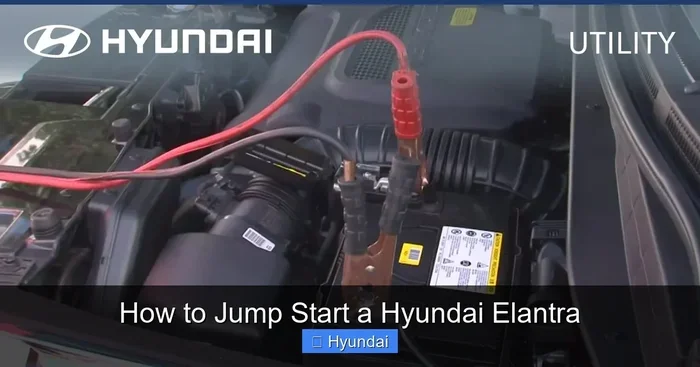
How to Jump Start a Hyundai Elantra in Just Minutes
Jump starting your Hyundai Elantra is easier than most people think. With jumper cables, a donor vehicle, and a few simple safety steps, you can bring your car battery back to life in under ten minutes. This guide gives you a clear, step-by-step process to follow every time.
There is nothing worse than turning your key and hearing nothing but silence. If you own a Hyundai Elantra, you already know this car is reliable and fun to drive. But even the best vehicles can suffer from a dead battery sometimes. The good news is that how to jump start a Hyundai Elantra is a simple skill anyone can learn. With the right tools and a few minutes of your time, you will be back on the road in no time.
Whether your battery died because of cold weather, leaving lights on, or simply old age, this guide will walk you through every step. We will cover what you need, how to connect everything safely, and what to do once your engine is running again. By the end, you will feel confident handling this situation on your own.
Jump starting a car might seem intimidating at first, but it is really just a matter of following the right steps in order. Think of it like connecting a few pieces of a puzzle. Once you have done it once or twice, it becomes second nature. Let us get into it.
Key Takeaways
- Know your tools: Keep jumper cables or a portable jump starter in your trunk at all times.
- Follow the right order: Connecting cables in the correct sequence prevents damage to your electrical system.
- Check battery health regularly: Corrosion and low voltage are early warning signs you should not ignore.
- Avoid common mistakes: Letting cables dangle or reversing polarity can cause serious harm.
- Drive after jumping: Letting your engine run for at least 20 minutes helps recharge the battery.
- Know when to replace: A battery older than three to five years may need swapping out entirely.
📑 Table of Contents
- How to Jump Start a Hyundai Elantra: What You Need Before You Start
- Step-by-Step Jump Starting Process
- Common Mistakes That Can Cause Damage
- When It Is Time to Replace Your Battery
- How to Prevent a Dead Battery in the Future
- When to Call for Professional Help
- Final Thoughts on Jump Starting Your Hyundai Elantra
How to Jump Start a Hyundai Elantra: What You Need Before You Start
Before you attempt any jump start, gather your supplies. Having everything ready saves time and keeps you safe. You do not want to be standing on the side of the road searching for tools.
The Right Jumper Cables
Jumper cables are the most common tool for this job. Look for cables that are at least gauge 6 or thicker. Thicker cables carry more power and work better in cold weather. Keep a set in your trunk at all times. You never know when you will need them.
Check your cables for any fraying or exposed wire before using them. Damaged cables can cause sparks or fail to transfer power. If your cables look worn, replace them right away. A small investment now can save you a lot of trouble later.
A Good Portable Jump Starter
Another great option is a portable jump starter. These small devices fit in your glove box and do not need a donor vehicle. They are perfect for solo drivers or anyone who parks far from help. Many models also double as USB chargers for your phone.
When choosing a portable unit, look for one with a high peak amp rating. For a Hyundai Elantra, 200 amps or more should work well. Make sure to recharge the device every few months so it is ready when you need it.
Safety Gear You Should Have
Safety should always come first. Wear gloves to protect your hands from sparks and acid. Safety glasses are a smart addition too. You should also make sure both vehicles are parked on a flat, stable surface before you begin.
Keep flammable materials away from the battery. Batteries can release small amounts of hydrogen gas, which is highly flammable. A little caution goes a long way in preventing accidents.
Step-by-Step Jump Starting Process
Now that you have your tools ready, let us walk through the actual process. Follow these steps carefully and in order. Rushing through the steps is the number one cause of mistakes.
Step 1: Position Both Vehicles
Park the donor vehicle close to your Hyundai Elantra. The front bumpers should be near each other but not touching. Turn off both engines and engage the parking brakes on both cars. This keeps everything stable and safe while you work.
Make sure both vehicles are in park or neutral. If either car is in gear, it could lurch forward when you connect the cables. This is a simple step that many people skip, and it can lead to dangerous situations.
Step 2: Identify the Battery Terminals
Open the hood of both vehicles. Locate the battery terminals on each car. You are looking for the positive and negative posts. The positive terminal is usually marked with a plus sign and often has a red cover or red cable. The negative terminal has a minus sign and typically a black cable.
On some newer Hyundai Elantra models, the battery may be located in the trunk or under a cover in the engine compartment. Check your owner manual if you are unsure. Knowing where your battery is before you need it is a smart habit.
Step 3: Connect the Positive Cables First
Take your jumper cables and connect the red clamp to the positive terminal of your dead battery. Then connect the other red clamp to the positive terminal of the donor vehicle. Always start with your own car first.
This order matters. Connecting the positive cable to your battery first reduces the risk of sparking near the dead battery. Sparks near a battery can ignite gases and cause a dangerous situation. Keep this rule in mind every single time.
Step 4: Connect the Negative Cable
Now take the black cable and connect one clamp to the negative terminal of the donor vehicle. For the other black clamp, do not attach it directly to your dead battery. Instead, clamp it to an unpainted metal surface on your engine block or chassis.
This is called grounding, and it is a critical safety step. Attaching the negative clamp directly to the dead battery can create sparks right next to the battery itself. Grounding the cable on the engine block keeps the spark away from any flammable gases.
Step 5: Start the Donor Vehicle
Start the engine of the donor vehicle and let it idle for a few minutes. This allows the alternator in the donor car to send power through the cables to your dead battery. Let the engine run at a moderate RPM for about three to five minutes.
During this time, do not touch any of the cable clamps together. Keep your hands away from the engine bay. The cables will carry current, and touching them together can cause sparks or electrical damage.
Step 6: Start Your Hyundai Elantra
Now try starting your Hyundai Elantra. Turn the ignition key or press the start button as you normally would. If the engine turns over and starts, you did it! Let your engine run for at least 20 minutes to allow the battery charger effect of the alternator to recharge the battery.
If the engine does not start on the first try, wait about two minutes and try again. Do not keep turning the key repeatedly. Each failed attempt drains the battery further. Give it a short rest between tries.
Step 7: Disconnect the Cables in Reverse Order
Once your engine is running smoothly, it is time to remove the cables. Disconnect them in the reverse order of how you connected them. Start with the black clamp on your engine block, then the black clamp on the donor vehicle. Next, remove the red clamp from the donor vehicle, and finally the red clamp from your battery.
Never let the cable clamps touch each other while any part is still connected to a running vehicle. This can cause a short circuit and damage the electrical system. Take your time and be deliberate during this step.
Common Mistakes That Can Cause Damage
Even with the best intentions, people make mistakes when jump starting a car. Knowing what to avoid can save you from expensive repairs or even injury.
Wrong Cable Order
The most common error is connecting cables in the wrong sequence. Always follow the positive-positive-negative-ground order we described above. Reversing the order can fry your electrical system and damage sensitive electronics in your Hyundai Elantra.
If you accidentally reverse the cables, disconnect them immediately. Do not try to start the car. Check both batteries for damage before trying again. When in doubt, call for roadside assistance rather than risk further damage.
Letting Cables Dangle
After disconnecting the cables, do not let the clamps hang freely where they can touch each other or metal surfaces. Store them neatly in your trunk. Loose cable clamps can cause short circuits if they come into contact with the wrong surfaces.
Ignoring Battery Corrosion
If you notice a white or bluish powdery substance on your battery terminals, that is corrosion. Corrosion prevents good electrical contact and can make jump starting difficult or impossible. Before you attempt a jump start, clean the terminals with a wire brush or a mixture of baking soda and water.
Regularly checking for corrosion can help you avoid being stranded. A quick inspection during oil changes or other routine maintenance goes a long way toward maintaining good battery health.
Jump Starting in the Rain
While it is possible to jump start a car in light rain, you should take extra precautions. Keep the cable clamps as dry as possible and avoid standing in puddles. Water and electricity are a dangerous combination. If the rain is heavy, consider waiting for it to pass or calling for help.
When It Is Time to Replace Your Battery
Sometimes a jump start is just a temporary fix. If your battery is old or damaged, it may need to be replaced entirely. Knowing the signs of a failing battery can save you from repeated trips to the mechanic.
Signs Your Battery Is Dying
Watch for these warning signs that your car battery is on its way out. Your engine cranks slowly when you turn the key. Your headlights dim when you are idling. You notice a swollen or bloated battery case. Your dashboard battery warning light stays on. These are all indicators that it is time for a replacement.
Most car batteries last between three and five years. If yours is older than that, consider having it tested at an auto parts store. Many stores offer free battery testing and can recommend the right replacement for your Hyundai Elantra.
Choosing the Right Replacement Battery
When shopping for a new battery, check your owner manual for the correct size and specifications. The battery voltage should match what your vehicle requires. For most Hyundai models, a 12-volt battery with the right cold cranking amps (CCA) rating is what you need.
Consider investing in a battery with a strong warranty. Quality brands often offer longer replacement periods and better performance in extreme temperatures. A good battery is one of the best investments you can make for your vehicle.
How to Prevent a Dead Battery in the Future
The best way to deal with a dead battery is to prevent one from happening in the first place. A few simple habits can keep your Hyundai Elantra running strong for years.
Regular Maintenance Habits
Make it a habit to turn off all lights, the radio, and accessories before you shut off the engine. Leaving these on is the number one cause of dead batteries. Also, take your car for a drive at least once a week if it sits idle for long periods. Short trips do not always give the alternator enough time to fully recharge the battery.
Using a Battery Tender
If you park your car for extended periods, a battery tender is a great investment. This small device connects to your battery and maintains a steady charge. It is especially useful for seasonal vehicles or cars stored in a garage during winter months.
Battery tenders are affordable and easy to use. Simply plug them into a wall outlet and connect the clips to your battery terminals. They do the work for you and keep your battery health in top shape.
When to Call for Professional Help
There are times when calling for help is the smartest choice. If you have tried jump starting your Hyundai Elantra two or three times and it still will not start, stop trying. Repeated attempts can damage the starter motor and other components.
Also call for help if you notice a clicking sound but the engine does not turn over. This could indicate a problem with the starter or the ignition system that a jump start will not fix. Trust your instincts. If something feels wrong, it is always better to be safe than sorry.
Keep the number for a reliable roadside assistance service saved in your phone. Many insurance plans and car manufacturers include this service for free. Having it on speed dial means you are never truly alone on the road.
Final Thoughts on Jump Starting Your Hyundai Elantra
Knowing how to jump start a Hyundai Elantra gives you confidence and independence. You do not have to wait helplessly for someone to come to your rescue. With the right tools, a clear plan, and a calm approach, you can handle this common situation like a pro.
Remember to always follow the steps in order, prioritize safety, and know when a jump start is only a temporary solution. Keep your cables or portable starter in your trunk, check your battery regularly, and drive your car often enough to keep the electrical system healthy. These small habits add up to big peace of mind.
The next time your Hyundai Elantra refuses to start, take a deep breath and follow the steps in this guide. You have got this. Stay safe, stay prepared, and enjoy the road ahead.
Frequently Asked Questions
Can I jump start a Hyundai Elantra by myself?
Yes, you can if you have a portable jump starter. These devices do not need a second vehicle and are easy to use. Simply connect the clamps to your battery terminals and press the power button on the device. Always follow the manufacturer instructions for your specific model.
How long should I let my Hyundai Elantra run after a jump start?
You should let your engine run for at least 20 minutes after a successful jump start. This gives the alternator time to recharge the battery. If your battery was completely dead, driving for 30 minutes or more is even better to ensure a full charge.
What if the cables spark when I connect them?
Small sparks when connecting cables are normal, especially when you attach the final clamp. However, large or持续 sparking is not normal. Disconnect immediately and check that you have the cables connected to the correct terminals. If you are unsure, call for professional help.
How often should I check my Hyundai Elantra battery?
You should inspect your battery at least every six months. Look for corrosion on the terminals, check the voltage with a multimeter, and inspect the cables for wear. Most auto parts stores will test your battery for free if you ask.
Is it safe to jump start in cold weather?
Yes, it is safe as long as you follow all the safety steps. Cold weather actually makes batteries work harder and die more often. Make sure your cables are dry and both vehicles are on stable ground. Let the donor vehicle run for a few extra minutes before attempting to start your Elantra.
What battery does a Hyundai Elantra use?
Most Hyundai Elantra models use a standard 12-volt lead-acid battery. The exact size and CCA rating depend on your model year. Check your owner manual or look at your current battery label for the correct specifications when replacing it.