How to Tell If Your Car Key Is Worn Out and Failing
Knowing how to tell if your car key is worn out can save you from unexpected lockouts and expensive repairs. A failing key shows clear warning signs like visible wear on the blade, sticky buttons, and intermittent ignition problems. This guide walks you through every sign, cause, and solution so you can act before your key completely fails.
You rely on your car key every single day. You use it to start the engine, lock the doors, and unlock the trunk. Over time, that daily wear adds up. But how do you know when it is time to replace your key? Many drivers ignore the early warning signs until their key completely fails. That is a frustrating and often expensive mistake.
Learning how to tell if your car key is worn out is easier than you think. You do not need to be a mechanic. A quick inspection and a few simple tests can reveal a lot. This guide covers every sign of key wear, the reasons behind it, and what you should do next. Let us walk through it together.
Key Takeaways
- Visual inspection matters: Worn teeth, bent blades, and cracked housings are obvious signs your key needs attention.
- Intermittent failure is a red flag: If your key works sometimes but not others, the internal mechanism may be wearing down.
- Don’t ignore key fob issues: Unresponsive buttons often signal a deeper problem beyond a simple battery swap.
- Prevention extends key life: Proper storage, gentle handling, and regular cleaning can add years to your key’s lifespan.
- Professional help is sometimes necessary: Transponder keys and modern immobilizer systems often require a locksmith car key specialist.
- Act early to avoid bigger costs: Replacing a worn key is far cheaper than repairing a damaged ignition switch.
📑 Table of Contents
How to Tell If Your Car Key Is Worn Out: The Warning Signs
Your car key sends signals before it completely gives out. The trick is knowing what to look for. Most drivers only notice the problem when the key stops working entirely. By then, damage to the ignition or lock mechanism may already exist. Catching the early signs saves time, money, and a lot of headache.
Visible Wear on the Key Blade
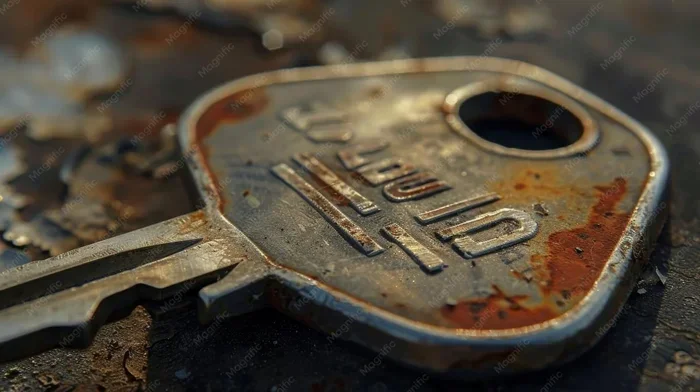
Hold your key up to the light. Look closely at the teeth and the flat blade. A healthy key has sharp, defined ridges. A worn key looks smooth and rounded in places. The grooves become shallow, and the metal thins out. This happens from thousands of insertions into the ignition lock cylinder.
Run your fingertip along the blade. You should feel distinct ridges. If the surface feels flat or polished in spots, the key is wearing down. This is one of the most obvious key wear indicators anyone can check at home. No tools needed. Just a good look and a careful touch.
Also check for bends or warping. Keys can bend over time, especially if they sit on a heavy keychain. A slightly bent key may still work, but it puts extra stress on the ignition lock. That stress leads to premature wear inside the lock cylinder.
Intermittent Ignition Problems
Here is a sign that catches almost everyone off guard. You insert your key and turn it. Nothing happens. You wiggle it a little. Try again. It starts right up. This intermittent key failure is one of the strongest signals that your key is worn.
The worn teeth no longer line up perfectly with the ignition tumblers. Sometimes they catch. Sometimes they do not. This inconsistency is not normal. A healthy key should turn the ignition smoothly every single time. If you find yourself jiggling the key or adjusting its angle, pay attention. That is your car telling you something is off.
Some drivers ignore this for months. They blame the ignition or the lock. In many cases, the real culprit is a simple worn key. Before you assume the worst, inspect the key closely. The fix might be much cheaper than you think.
Key Fob Buttons Becoming Unresponsive
Modern cars use a remote key fob for locking, unlocking, and even remote start. When the buttons start sticking or stop working, it is tempting to just change the battery. And sometimes that is the fix. But other times, the problem runs deeper.
A worn key fob has internal contacts that degrade over time. The plastic housing can crack or warp from drops and pressure. Moisture can seep in and corrode the circuit board. If replacing the battery does not solve the issue, the key fob itself may be failing.
Pay attention to which buttons stop working first. If the lock and unlock buttons respond but the trunk button does not, that points to a specific contact issue. If none of the buttons work, the entire fob mechanism may be worn out. Either way, this is a clear sign that your key fob malfunction needs attention.
Key Getting Stuck in the Ignition
A key that gets stuck or refuses to come out of the ignition is a serious warning sign. This problem often points to a combination of key wear and ignition switch damage. The worn teeth do not align properly, causing the key to jam in the lock cylinder.
Never force a stuck key. Yanking it out can break the blade inside the ignition. A broken key inside the lock is a much bigger problem. It requires professional extraction and often a full ignition replacement. If your key sticks frequently, stop and inspect it before the situation gets worse.
Quick Tip: If your key feels stiff or requires extra force to turn, do not ignore it. That resistance is an early warning of key wear and potential ignition damage.
Why Car Keys Wear Down Over Time
Understanding why keys wear out helps you prevent premature damage. Not all wear is equal. Some causes are completely within your control. Others are simply part of everyday use. Let us break down the most common reasons your key wears down.
Daily Use and Physical Friction
The most obvious reason is simple daily use. Every time you insert your key into the ignition, the teeth rub against the lock tumblers. Over thousands of cycles, that friction wears down the ridges. The key becomes smoother and less precise. This is especially true for the key blade, which does the mechanical work of turning the lock.
Think of it like a shoe sole. It wears down with every step. Your key blade wears down with every turn. The difference is that a worn shoe just gets uncomfortable. A worn key can leave you stranded.
Exposure to Heat, Moisture, and Dirt
Keys live in harsh conditions. They go in and out of pockets, bags, and cup holders. They get exposed to sweat, rain, dust, and even heat from the dashboard. Over time, moisture causes internal metal corrosion. Dirt and grime build up in the grooves of the key teeth.
This buildup changes the shape of the key slightly. Those tiny changes are enough to cause intermittent failure. Regular cleaning of your keys can help reduce this type of wear. A simple wipe-down with a dry cloth goes a long way.
Keychain Weight and Pressure
Many people carry their car key on a heavy keychain. Keys, bottle openers, flashlights, and tags all add weight. That weight puts constant pressure on the key blade. Over months and years, this pressure causes bending and micro-fractures in the metal.
A heavy keychain also puts stress on the key fob. The buttons get pressed accidentally in your pocket. The internal contacts wear out faster. If you carry a lot of keys on one ring, consider separating your car key. A lighter key lasts longer and works more reliably.
Key Housing Cracks and Internal Damage
The plastic housing around your key fob takes a beating too. Drops, sitting on it, and general pressure cause cracks. A cracked key housing exposes the internal electronics to dust and moisture. Once the circuitry gets damaged, the transponder key signal weakens or stops entirely.
Even if the key still works mechanically, a damaged housing means the electronic components are vulnerable. Water damage from a small crack can kill the transponder chip entirely. That is when you face a costly key cutting and reprogramming job.
Common Mistake: Many drivers wait until the key breaks completely before replacing it. By then, the worn key may have already damaged the ignition switch or lock cylinder. Regular inspection prevents this chain reaction of damage.
Common Problems Caused by a Worn Key
A worn key does not just fail on its own. It can cause a cascade of other problems in your vehicle. Understanding these secondary issues helps you appreciate why timely replacement matters so much.
Ignition Switch Damage
The ignition switch is one of the most expensive components to repair. When a worn key does not turn smoothly, it grinds against the switch internal contacts. That grinding wears down the switch over time. Eventually, the ignition switch fails completely.
Symptoms of ignition switch damage include the car not starting, the engine stalling, or the accessories not powering on. These symptoms often mimic other electrical problems. Many drivers spend hundreds of dollars on diagnostics before discovering the real issue is a worn key wearing out the switch.
Transponder Signal and Immobilizer Issues
Modern vehicles use an immobilizer system that communicates with the transponder key. The chip inside the key sends a unique code to the car’s computer. If the code matches, the engine starts. If it does not, the car stays locked.
A worn key can disrupt this communication. The transponder chip sits inside the key head. Physical wear can shift the chip or damage its connection. The result is a car that refuses to start even though the key turns in the ignition. This is one of the trickiest key mechanism failures to diagnose without professional help.
Lock Cylinder Wear and Key Breaking
A worn key does not just affect the ignition. It also damages the lock cylinder every time you use it. The smooth, worn teeth do not engage the tumblers properly. This causes extra friction inside the lock. Over time, the lock cylinder wears out too.
In the worst case, a severely worn key snaps inside the lock or ignition. A broken car key stuck inside a lock cylinder is a locksmith emergency. You cannot drive the car, and extracting the broken piece requires specialized tools. This is why replacing a worn key early is so important.
Expert Insight: Automotive locksmiths often see customers who waited too long to replace a worn key. By the time they come in, they need a new key, a lock cylinder replacement, and sometimes an ignition switch repair. The total cost is five to ten times higher than a simple key replacement done early.
How to Tell If Your Car Key Needs Replacement
So you have noticed some warning signs. How do you confirm that your key needs replacement? There are a few practical tests you can do at home. These tests give you a clearer picture of the key’s condition before you commit to a replacement.
The Wiggle Test
Insert your key into the ignition. Gently wiggle it side to side while turning. If the key feels loose or sloppy, the teeth are likely worn. A properly fitting key should have minimal play. It should turn with firm, consistent resistance.
Do the same test with the key in the door lock. If the key wobbles or requires wiggling to unlock the door, the blade is no longer making proper contact with the tumblers. This is a reliable indicator that the key is due for replacement.
Visual Inspection Tips
Grab a flashlight and inspect your key closely. Look at the blade under good lighting. Compare it to a spare key if you have one. The differences can be striking.
Check for these specific signs:
- Worn key teeth: The ridges are smooth or shallow instead of sharp and defined.
- Bent or warped blade: The key does not sit flat on a table surface.
- Cracks in the key head: The plastic or metal housing has visible damage.
- Discoloration: The metal looks corroded or discolored from moisture exposure.
- Loose key fob shell: The two halves of the fob do not fit tightly together.
If you notice two or more of these signs, it is time to seriously consider a car key replacement. The earlier you act, the less risk of secondary damage to your ignition or locks.
When the Key Fob Battery Isn’t the Problem
Before you assume the key is worn out, rule out the simplest explanation first. A dead battery causes many of the same symptoms as a worn key. If your remote key fob stopped working, try a fresh battery. This is an easy fix that costs almost nothing.
If the new battery does not solve the problem, the issue is likely in the key itself. The internal contacts may be worn. The transponder chip may be failing. The circuit board may have corrosion. At that point, a replacement key is the most practical solution.
Quick Tip: Always carry a spare key. If your primary key fails, a spare gets you to a locksmith or dealership without being stranded. Test your spare key regularly to make sure it still works.
DIY Tips to Prevent Key Wear and Extend Lifespan
The best way to deal with a worn key is to prevent it from wearing out in the first place. You cannot stop wear entirely, but you can slow it down significantly with a few smart habits.
Proper Storage Habits
Where you keep your key matters more than you might think. Avoid tossing it into a junk drawer with other metal objects. Keys scratch each other and wear down faster when they rub together.
Store your car key in a dedicated spot. A small fabric pouch or a key organizer works well. Keep it away from direct sunlight and heat sources. Your dashboard or a sunlit console can expose the key to temperatures that warp the plastic housing and weaken the internal electronics.
Cleaning Your Car Keys
A quick cleaning routine goes a long way. Once a month, wipe down your key with a dry microfiber cloth. For the key blade, gently brush the teeth with a soft toothbrush to remove grime buildup.
For the key fob, use a slightly damp cloth on the exterior. Avoid getting moisture inside the fob. Do not use harsh chemicals or alcohol-based cleaners. They can damage the plastic and the internal circuitry. A gentle wipe is all you need.
Avoiding Common Mistakes
Some habits quietly destroy your key faster than normal use. Here are the most common mistakes drivers make:
- Using the key as a tool: Prying open packages, scratching surfaces, or using the key as a screwdriver bends the blade.
- Overloading the keychain: Carrying too many keys puts constant pressure on both the blade and the fob.
- Forcing a stiff key: If the key does not go in smoothly, stop and check. Forcing it can damage both the key and the lock cylinder.
- Ignoring early warning signs: Stiffness, intermittent failure, and sticky buttons are all clues. Address them early.
- Exposing keys to water: Rain, spills, and humidity all contribute to internal corrosion over time.
Breaking these habits takes minimal effort. The payoff is a longer-lasting key and fewer unexpected failures.
When to Call a Professional Locksmith
Some key problems are simple enough to handle on your own. Others require professional expertise. Knowing the difference saves you time and prevents costly mistakes.
Comparing DIY Replacement vs. Professional Service
Not all key replacements are the same. The right approach depends on your vehicle type, key technology, and your comfort level with DIY projects.
| Factor | DIY Replacement | Professional Locksmith |
|---|---|---|
| Cost | Lower upfront cost | Higher but includes expertise |
| Risk of Damage | Higher if done incorrectly | Low risk with trained professionals |
| Time Required | Varies, may take longer | Quick, often same-day service |
| Transponder Programming | Not possible for most | Full programming included |
| Warranty | None | Usually includes service warranty |
| Best For | Simple mechanical keys | Smart keys, transponder keys, complex systems |
For a basic mechanical key, a DIY key cutting kit from an auto parts store works well. You provide the code or the original key, and the machine cuts a new one. This is affordable and straightforward for older vehicles.
For modern vehicles with transponder keys or smart key systems, professional service is strongly recommended. These keys require electronic programming that matches your car’s immobilizer system. A locksmith has the tools and software to handle this properly.
Cost Considerations for Key Replacement
The cost of replacing a worn key varies widely. A basic mechanical key replacement can cost as little as 10 to 30 dollars. A standard remote key fob replacement runs between 50 and 150 dollars. Smart key or proximity key replacements can range from 200 to 500 dollars or more.
These prices depend on your vehicle make and model, the key type, and whether you go through a dealership or an independent locksmith. In most cases, a locksmith car key service costs less than a dealership while providing the same quality. Always ask for a quote before committing to any replacement service.
Expert Insight: Many locksmiths offer mobile services that come to your location. This convenience alone can justify the slight cost difference compared to a dealership visit. Plus, mobile locksmiths can often program your new key on the spot, saving you hours of downtime.
Conclusion
Now you know exactly how to tell if your car key is worn out and what to do about it. The warning signs are there. Visible wear on the blade, intermittent ignition problems, unresponsive key fob buttons, and keys getting stuck all point to a key that needs attention. Ignoring these signs leads to bigger problems like ignition switch damage, lock cylinder wear, and eventually a broken key stuck inside the lock.
The good news is that prevention is simple. Regular inspection, proper storage, gentle handling, and timely replacement keep your key working reliably. When in doubt, consult a professional locksmith who can assess your key and recommend the right replacement option.
Your car key is a small component that plays a huge role in your daily life. Treat it well, and it will serve you faithfully for years. Replace it when the signs appear, and you avoid the stress and cost of a key failure on the worst possible day. Stay proactive, stay informed, and keep your key in top shape.
Frequently Asked Questions
How often should I replace my car key?
There is no set schedule for key replacement. Most mechanical keys last 5 to 10 years with normal use. Key fobs typically last 3 to 7 years depending on handling and exposure. Replace your key as soon as you notice wear signs rather than waiting for a complete failure.
Can a worn key damage my ignition switch?
Yes, absolutely. A worn key does not turn smoothly, which creates extra friction on the ignition switch internal contacts. Over time, this grinding wears down the switch and can cause it to fail. Replacing a worn key early prevents this expensive secondary damage.
How much does it cost to replace a worn car key?
The cost depends on your vehicle and key type. Basic mechanical keys cost 10 to 30 dollars. Remote key fobs range from 50 to 150 dollars. Smart keys and proximity keys can cost 200 to 500 dollars or more. Always get a quote before proceeding with any replacement.
Can I replace a transponder key myself?
DIY replacement of a transponder key is very difficult. These keys require electronic programming that matches your car’s immobilizer system. Without the proper equipment and software, a new transponder key will not start your vehicle. Professional locksmiths or dealerships handle this type of replacement reliably.
What should I do if my key breaks inside the ignition?
Do not attempt to pull the broken piece out yourself. You risk pushing it deeper or damaging the lock cylinder. Contact a professional locksmith immediately. They have specialized extraction tools and can often repair or replace the ignition cylinder on the spot.
Is it better to replace a key at a dealership or a locksmith?
For most vehicles, an independent locksmith offers better value. Locksmiths typically charge less than dealerships and provide the same quality of service. Dealerships may be necessary for certain luxury or newer vehicle models with proprietary key systems. Always compare quotes before deciding.