Is a 40-Liter V6 Engine Good Everything You Need to Know
A 4.0-liter V6 engine is a strong, versatile powerplant found in many trucks, SUVs, and sports cars. It delivers a great balance of power and efficiency, making it a favorite among drivers who want reliable performance without the thirst of a bigger engine. Whether you are towing, commuting, or hitting the trail, this engine has a lot to offer.
When you start shopping for a vehicle, the engine specs matter a lot. One engine that keeps showing up in discussions is the 4.0-liter V6. People talk about it in forums, read about it in reviews, and see it listed in vehicle descriptions. But is a 4.0-liter V6 engine actually good? The short answer is yes. The longer answer is even more interesting.
This engine has been around for decades and has earned a solid reputation. It powers some of the most popular trucks and SUVs on the road today. Whether you are looking at a Toyota, Ford, or Jeep, there is a good chance you will come across the 4.0-liter V6. Let us dive deep into what makes this engine tick and why it might be the right choice for you.
We will cover everything from horsepower numbers to real-world fuel economy. You will learn about common issues, maintenance tips, and how this engine compares to other options on the market. By the end, you will have a clear picture of whether a 4.0-liter V6 engine fits your needs.
Key Takeaways
- Solid Power Output: The 4.0-liter V6 engine provides strong horsepower and torque for most driving needs.
- Good Fuel Economy: Compared to larger engines, this V6 offers a nice balance between performance and efficiency.
- Proven Reliability: Many 4.0-liter V6 engines have long track records of durability and low repair costs.
- Versatile Applications: You will find this engine in trucks, SUVs, sedans, and even some sports cars.
- Easy Maintenance: Parts are widely available, and mechanics are familiar with this engine design.
- Towing Capability: The 4.0-liter V6 handles moderate to heavy towing with ease.
- Smart Choice: For most drivers, this engine hits the sweet spot between power and practicality.
📑 Table of Contents
What Is a 4.0-Liter V6 Engine?
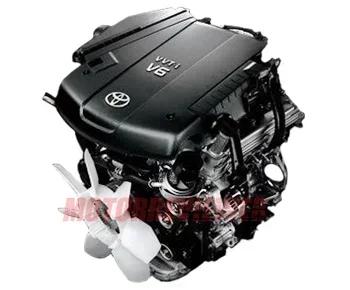
Let us start with the basics. A 4.0-liter V6 engine is an internal combustion engine with six cylinders arranged in a V shape. The “4.0-liter” part refers to the total displacement, which means the combined volume of all the cylinders. Think of it as the engine’s size or capacity.
The V6 configuration is popular because it fits well in most vehicle platforms. It is narrower than a straight-six engine but wider than a four-cylinder. This gives designers flexibility when building cars and trucks. The 4.0-liter size is considered a mid-range displacement, which means it is not too small and not too big.
How Does the V6 Configuration Work?
In a V6 engine, the six cylinders are split into two banks of three. They are angled at a specific degree, usually 60 degrees or 90 degrees. This arrangement helps balance out vibrations and creates a smoother ride. The 4.0-liter V6 uses this design to deliver power efficiently.
Each cylinder fires in a specific sequence. This firing order keeps the engine running smoothly and reduces vibration. The result is a refined power delivery that feels natural and predictable. Most drivers appreciate how a V6 engine sounds and feels compared to a four-cylinder.
Common Vehicles with a 4.0-Liter V6
You will find this engine in many well-known vehicles. The Ford Ranger and Toyota 4Runner are two of the most famous examples. The Jeep Grand Cherokee also used a version of this engine for years. Other vehicles include the Mazda BT-50, the Ford Explorer, and the Mitsubishi Montero.
These vehicles span different categories. You get trucks, SUVs, and even some mid-size sedans. The versatility of the 4.0-liter V6 engine is one of its biggest strengths. No matter what kind of vehicle you drive, there is a good chance this engine could be under your hood.
Performance and Power Output
Now let us talk about what really matters to most drivers: how much power does a 4.0-liter V6 engine actually make? The answer depends on the specific vehicle and tuning, but most versions produce between 210 and 290 horsepower. Torque numbers typically range from 260 to 300 pound-feet.
These numbers might not sound like a supercar, but for a truck or SUV, they are very capable. You get enough power for highway merging, passing, and even light off-roading. The mid-range torque delivery gives you strong acceleration from low RPMs. This means you do not need to rev the engine hard to get moving.
Horsepower and Torque Explained
Horsepower is what gets you to top speed. Torque is what gets you moving from a stop. The 4.0-liter V6 engine is known for its strong torque output. This makes it great for towing and hauling heavy loads. When you need to pull a trailer or carry gear, this engine delivers where it counts.
Some versions of this engine come with variable valve timing. This technology adjusts when the valves open and close. It helps optimize both power and efficiency. The result is a more responsive engine that feels lively without being overly thirsty.
Real-World Driving Feel
In everyday driving, the 4.0-liter V6 feels smooth and responsive. You will notice the power is there when you need it. Whether you are climbing a hill or merging onto a highway, this engine has plenty of grunt. The sound is also satisfying, with a deeper tone than a four-cylinder but not as loud as a V8.
Many drivers report that the 4.0-liter V6 engine provides a confident driving experience. It does not feel underpowered or strained. You can comfortably drive at highway speeds with cruise control engaged. The engine handles long road trips without breaking a sweat.
Fuel Economy: How Efficient Is It?
Fuel economy is a big deal for most vehicle buyers. A powerful engine that drinks gas all day will not appeal to budget-conscious drivers. The good news is that the 4.0-liter V6 engine offers respectable fuel economy for its class.
In a truck or SUV, you can expect around 16 to 20 miles per gallon in the city. On the highway, numbers climb to 22 to 26 miles per gallon. These figures vary based on the vehicle, driving habits, and engine tuning. But overall, this engine is not a gas hog.
Tips to Improve Fuel Economy
Want to get the best mileage out of your 4.0-liter V6? Here are some simple tips:
- Keep your tires properly inflated: Under-inflated tires create drag and waste fuel.
- Use cruise control on highways: Steady speeds improve efficiency.
- Avoid aggressive acceleration: Smooth driving saves gas.
- Remove excess weight: Less weight means less work for the engine.
- Keep up with oil changes: Fresh oil reduces friction and improves performance.
Comparing Fuel Economy to Other Engines
How does the 4.0-liter V6 stack up against other engine types? A four-cylinder engine will usually get better fuel economy. A V8 engine will typically use more gas. The V6 sits right in the middle, offering a sweet spot between power and efficiency.
For many drivers, this balance is exactly what they need. You get enough power for daily driving and occasional heavy-duty work. At the same time, you are not filling up the tank every other day. The 4.0-liter V6 engine delivers a practical compromise that works for most people.
Reliability and Longevity
One of the strongest points about the 4.0-liter V6 engine is its reliability. Many of these engines have crossed the 200,000-mile mark with proper maintenance. Some owners report pushing past 300,000 miles without major issues. That kind of longevity is impressive for any engine.
The design of the V6 configuration contributes to its durability. With fewer cylinders than a V8, there are fewer moving parts that can wear out. The engine block itself is robust and well-engineered. Manufacturers have spent years refining this engine design, which shows in its long-term reliability.
Common Issues to Watch For
No engine is perfect, and the 4.0-liter V6 is no exception. Here are some common issues that owners should be aware of:
- Timing chain wear: Some versions develop chain stretch over time. This can cause a rattling noise on startup.
- Oil consumption: Older models may burn oil more quickly. Regular oil level checks help catch this early.
- Valve cover gasket leaks: These can develop as the engine ages. They are usually not expensive to fix.
- Spark plug blowout: In some Ford applications, spark plugs can loosen and blow out. Using the correct torque helps prevent this.
Maintenance Schedule for Longevity
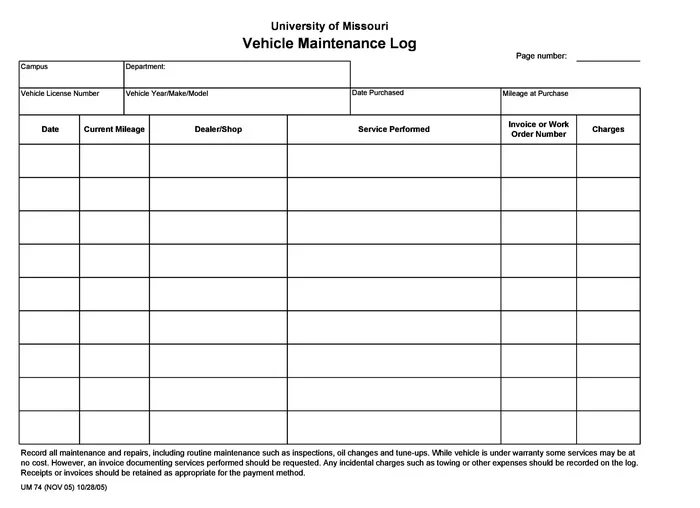
To keep your 4.0-liter V6 engine running strong for years, follow a solid maintenance routine. Change the oil every 5,000 to 7,500 miles with quality synthetic oil. Replace the spark plugs on schedule. Check the coolant level and flush the cooling system every 30,000 miles. Inspect the timing chain and tensioner as part of regular service.
Staying on top of these simple tasks will go a long way. A well-maintained 4.0-liter V6 engine can easily last 250,000 miles or more. The key is consistency and not ignoring small warning signs. Catching problems early saves money and prevents bigger headaches down the road.
4.0-Liter V6 vs. Other Engine Types
When choosing an engine, you have options. Let us compare the 4.0-liter V6 engine against some common alternatives. This will help you understand where it fits in the broader engine landscape.
V6 vs. Four-Cylinder
A four-cylinder engine is smaller and lighter than a V6. It typically gets better fuel economy. However, it has less power and torque. For small cars and compact SUVs, a four-cylinder works great. But for trucks and larger vehicles, the 4.0-liter V6 provides a noticeable improvement in hauling and towing capability.
The V6 also runs smoother than a four-cylinder. There is less vibration and a more refined feel. If you value comfort and power, the V6 is the better choice. If maximum fuel savings is your priority, the four-cylinder wins.
V6 vs. V8
A V8 engine delivers more raw power than a V6. It is the go-to choice for heavy towing and high-performance applications. But it comes with a cost. V8 engines use more fuel, cost more to maintain, and are heavier. The 4.0-liter V6 engine offers about 80 to 90 percent of the V8’s capability at a lower cost and better efficiency.
For most drivers, the V6 is the smarter choice. You get strong performance without the fuel penalty. Unless you are regularly towing very heavy loads or need maximum power, a V6 handles the job just fine.
V6 vs. Turbocharged Four-Cylinder
Modern turbocharged four-cylinder engines are getting very powerful. Some produce horsepower numbers that rival traditional V6 engines. They also offer better fuel economy. However, turbocharged engines can be more complex and expensive to repair. The 4.0-liter V6 engine is simpler and more straightforward. It is also generally more reliable over the long term.
Maintenance and Ownership Costs
Owning a vehicle with a 4.0-liter V6 engine is relatively affordable when it comes to maintenance. Parts are widely available and reasonably priced. Most mechanics are familiar with this engine and can service it without special training. This keeps labor costs down compared to more exotic engine designs.
Routine maintenance costs are similar to other engines in this class. An oil change typically runs between 40 and 80 dollars. Spark plug replacement costs around 150 to 250 dollars. A timing chain job can run 800 to 1,500 dollars depending on the vehicle. These are all reasonable costs for an engine that can last hundreds of thousands of miles.
Insurance and Resale Value
Vehicles with a 4.0-liter V6 engine tend to hold their value well. The engine’s reputation for reliability helps with resale. Insurance costs are generally moderate. Since the engine is not considered high-performance, you are not paying the premium that comes with sports car or luxury vehicle engines.
When you decide to sell, buyers often look for vehicles with proven engines. The 4.0-liter V6 checks that box. You can expect a fair resale price if you have maintained the vehicle properly. This makes it a smart financial choice as well as a practical one.
Who Should Choose a 4.0-Liter V6 Engine?
So, is this engine right for you? The 4.0-liter V6 engine is an excellent choice for several types of drivers. If you need a dependable workhorse for your truck or SUV, this engine delivers. It handles daily commuting, weekend adventures, and occasional heavy-duty work with ease.
Families will appreciate the smooth, quiet ride this engine provides. Road trips become more enjoyable when the engine is refined and responsive. The 4.0-liter V6 gives you the confidence to tackle any road, highway, or trail without worry.
Budget-minded buyers also benefit from this engine. The balance of power and efficiency keeps operating costs reasonable. You are not paying for a V8 but still getting more capability than a basic four-cylinder. It is the Goldilocks option for many vehicle buyers.
Final Verdict
So, is a 4.0-liter V6 engine good? Absolutely. It offers a winning combination of power, efficiency, reliability, and affordability. Whether you are towing a trailer, commuting to work, or heading out on a family road trip, this engine has you covered. Its long track record of durability and strong real-world performance make it one of the most respected engine designs on the market.
If you are in the market for a vehicle and the 4.0-liter V6 is an option, give it serious consideration. It is an engine that delivers where it counts. With proper maintenance, it will serve you well for many years to come. The 4.0-liter V6 engine is a proven workhorse that continues to earn its place in the automotive world.
Frequently Asked Questions
Is a 4.0-liter V6 engine good for towing?
Yes, the 4.0-liter V6 engine is well-suited for towing. Most versions produce enough torque to handle trailers weighing between 5,000 and 6,500 pounds. Always check your specific vehicle’s towing capacity before hauling.
How long does a 4.0-liter V6 engine last?
With proper maintenance, a 4.0-liter V6 engine can last 250,000 miles or more. Many owners report crossing the 300,000-mile mark without major engine repairs. Regular oil changes and timely service are key to longevity.
Is the 4.0-liter V6 engine fuel efficient?
It offers decent fuel economy for its class. You can expect around 16 to 20 MPG in the city and 22 to 26 MPG on the highway. It is more efficient than a V8 but less efficient than a modern turbocharged four-cylinder.
What vehicles come with a 4.0-liter V6 engine?
This engine has been used in many popular vehicles including the Toyota 4Runner, Ford Ranger, Ford Explorer, Jeep Grand Cherokee, and Mazda BT-50. It is a versatile engine found across multiple brands and vehicle types.
Are there any common problems with the 4.0-liter V6 engine?
The most common issues include timing chain wear, occasional oil consumption, and spark plug blowout in some Ford models. These are manageable problems that can be prevented or fixed with regular maintenance and proper care.
Should I choose a 4.0-liter V6 over a turbocharged four-cylinder?
It depends on your needs. The 4.0-liter V6 offers smoother operation and proven long-term reliability. A turbocharged four-cylinder may offer better fuel economy and similar power in some cases. Consider your driving habits and priorities when deciding.