Top Kawasaki FX730V Engine Problems You Should Know
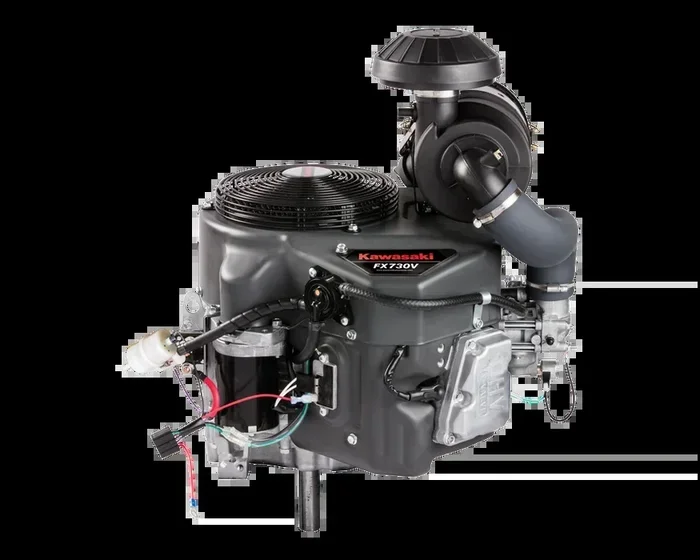
The Kawasaki FX730V is a powerful V-Twin engine used in commercial and residential mowers, but it faces several recurring issues. Common problems include engine overheating, fuel system failures, stalling, and compression loss. Most of these issues stem from poor maintenance, worn parts, or simple user errors that are easy to fix. Understanding these problems early can save you time, money, and frustration. This guide covers every major Kawasaki FX730V engine problem and gives you clear, actionable solutions.
The Kawasaki FX730V engine is a workhorse. You will find it powering zero-turn mowers, heavy-duty commercial equipment, and even some industrial machines. It is a liquid-cooled V-Twin that delivers serious horsepower and torque. But like any engine, it is not perfect. Owners run into Kawasaki FX730V engine problems more often than you might expect.
These engines are built tough, but they still need proper care. When something goes wrong, it can leave you stuck in the middle of a job. Whether you are a professional landscaper or a homeowner with a big yard, dealing with engine trouble is never fun. The good news is that most problems have simple solutions.
In this article, we will walk you through the most common Kawasaki FX730V engine problems you should know about. We will cover what causes them, how to spot the warning signs, and exactly what you can do to fix them. By the end, you will feel confident tackling these issues yourself or knowing when to call a mechanic.
Key Takeaways
- Overheating is the #1 Kawasaki FX730V engine problem: Dirty cooling fins, low oil, and blocked airflow cause most overheating issues.
- Fuel system failures are extremely common: Clogged carburetors, bad fuel filters, and stale fuel lead to stalling and poor performance.
- Regular maintenance prevents most problems: Oil changes, air filter cleaning, and spark plug replacement keep your engine running smoothly.
- Electrical issues like ignition coil failure are often overlooked: These cause hard starting and misfires that mimic other engine problems.
- Knowing when to call a pro matters: Internal engine damage like compression loss needs professional diagnosis and repair.
📑 Table of Contents
Common Kawasaki FX730V Engine Problems
The Kawasaki FX730V is reliable, but it is not immune to issues. Let us look at the problems that trip up owners the most. Each one has a clear cause and a straightforward fix.
Engine Overheating
Overheating is the single most reported Kawasaki FX730V engine problem. When the engine runs too hot, it can cause serious damage over time. You might notice the engine shutting off suddenly or running rough before it stalls.
Several things cause overheating in this engine:
- Dirty cooling fins: Debris like grass clippings and dirt build up around the cylinder fins. This blocks airflow and traps heat.
- Low oil level: The FX730V uses oil for both lubrication and cooling. Low oil means the engine cannot dissipate heat properly.
- Clogged radiator or coolant passages: If coolant cannot flow freely, the engine heats up fast.
- Faulty thermostat: A stuck thermostat prevents coolant from circulating when it should.
The fix is usually simple. Clean the cooling fins with a brush or compressed air. Check your oil level before every use. Flush the cooling system if you suspect a blockage. And always use the recommended coolant type for your engine.
Engine Stalling and Surging
Nothing is more frustrating than your engine dying mid-operation. Engine stalling and surging are very common Kawasaki FX730V engine problems. The engine might run fine at first, then suddenly lose power or shut off completely.
The most frequent culprits include:
- Clogged carburetor: Old fuel leaves behind varnish and gum that clogs the tiny jets inside the carburetor.
- Bad fuel filter: A restricted filter starves the engine of fuel at high demand.
- Air leaks in the intake manifold: Unfiltered air entering the engine disrupts the fuel-air mixture.
- Faulty fuel pump: The FX730V uses an electric fuel pump. If it fails, fuel delivery becomes inconsistent.
Start by draining old fuel and replacing the fuel filter. If the problem persists, remove the carburetor and clean it with a carburetor solvent kit. Check all gaskets and seals for cracks or gaps.
Compression Loss
Compression loss is a serious issue that affects engine performance. You may notice the engine struggling to start, running weakly, or producing less power than usual. This happens when the internal seals wear out and cannot maintain proper pressure.
Common causes of compression loss in the Kawasaki FX730V include:
- Worn piston rings: Over time, rings wear down and allow combustion gases to escape.
- Damaged cylinder head gasket: A blown gasket breaks the seal between the head and the block.
- Valve damage or improper valve clearance: Worn or bent valves cannot seal properly.
A compression test is the best way to diagnose this problem. You can buy a compression gauge for under $30. Normal compression for the FX730V should be around 100-120 PSI per cylinder. If you see readings below 80 PSI, you have a serious issue that needs attention.
Fuel System Issues and How to Fix Them
The fuel system is the heart of your engine. When something goes wrong here, the whole engine suffers. Fuel-related Kawasaki FX730V engine problems account for a huge percentage of all complaints.
Carburetor Problems
The carburetor mixes fuel and air in the perfect ratio for combustion. When this balance is off, your engine runs poorly. The FX730V uses a precision carburetor that can clog easily.
Signs your carburetor is failing:
- Engine won’t start or starts then dies
- Rough idle or inconsistent RPMs
- Black smoke from the exhaust
- Poor fuel economy
To fix carburetor issues, start with the simplest step. Drain old fuel and replace it with fresh gasoline. If that does not work, remove the carburetor bowl and clean out any debris. Use a carburetor rebuild kit if the internal components are worn. These kits cost around $20-$40 and include all the gaskets, seals, and jets you need.
Fuel Lines and Connections
Cracked or brittle fuel lines are another hidden source of Kawasaki FX730V engine problems. Old fuel breaks down the rubber over time, creating tiny cracks. These cracks let air enter the system, which disrupts fuel delivery.
Inspect your fuel lines regularly. Look for cracks, swelling, or soft spots. Replace any damaged lines immediately. Also check the fuel fittings and connections. A loose connection might seem minor, but it can cause major running problems.
Stale Fuel and Ethanol Damage
Ethanol-blended gasoline is a leading cause of fuel system issues. Ethanol attracts moisture from the air, which causes corrosion and gummy deposits. Stale fuel turns into varnish that clogs jets and passages.
Follow these tips to avoid ethanol-related engine problems:
- Use fresh fuel whenever possible. Do not keep gas in the tank for more than 30 days.
- Add a fuel stabilizer if you store the engine for extended periods.
- Consider using ethanol-free gasoline if it is available in your area.
- Drain the fuel tank and carburetor before long-term storage.
Electrical and Ignition System Problems
Electrical issues can be tricky because the symptoms often mimic other problems. A weak ignition coil might feel like a fuel problem, but it is actually an electrical fault. Understanding the electrical side of your Kawasaki FX730V helps you diagnose issues faster.
Spark Plug Issues
The spark plug creates the spark that ignites the fuel-air mixture. A worn or fouled spark plug causes misfires, hard starting, and poor performance. This is one of the easiest Kawasaki FX730V engine problems to check and fix.
Inspect your spark plug every 25 hours of operation. Look for these signs:
- Black carbon buildup: Indicates a rich fuel mixture or oil burning.
- White or light brown deposits: Suggests a lean mixture or overheating.
- Worn electrode: The gap between the electrodes widens over time.
- Wet, fuel-soaked plug: Means the plug is not firing properly.
Replace your spark plug with the recommended NGK or Denso part for the FX730V. Gap the new plug to the manufacturer specification, usually 0.028 to 0.031 inches.
Ignition Coil Failure
The ignition coil transforms battery voltage into the high voltage needed for the spark plug. When the coil fails, you get weak or no spark. This causes hard starting, rough running, and sudden stalling.
To test the ignition coil, use an ohmmeter to check the primary and secondary winding resistance. Compare your readings to the specifications in your service manual. If the readings are outside the acceptable range, replace the coil. Ignition coils for the FX730V cost between $40 and $80.
Kill Switch and Safety Circuit
Do not overlook the kill switch. A faulty kill switch or safety circuit can prevent the engine from starting or cause it to shut off unexpectedly. The kill switch grounds the ignition coil to stop the engine. If it is stuck in the grounded position, the engine will not run.
Check the kill switch wire for continuity. If there is no continuity when the switch is in the run position, replace the switch. Also inspect the safety interlock connections, especially if you have a seat switch or PTO switch that could be causing issues.
Cooling System Maintenance for Prevention
The cooling system keeps your Kawasaki FX730V from overheating. Proper maintenance of this system prevents a long list of engine problems. A well-maintained cooling system extends engine life significantly.
Radiator and Fan Inspection
The FX730V uses a radiator and fan combo to manage engine temperature. Check the radiator fins for damage or blockage. Straighten any bent fins with a fine comb or pick. Clean debris from around the fan and radiator housing.
Run your engine and watch the fan. It should kick on when the engine reaches operating temperature. If the fan does not engage, check the fan clutch or the temperature sensor. A non-functioning fan is a direct path to overheating.
Coolant Levels and Mix
Check your coolant level before every mowing season. The coolant should be at the full line when the engine is cold. Use a 50/50 mix of coolant and distilled water for optimal protection.
Never open the radiator cap when the engine is hot. Pressurized coolant can cause serious burns. Let the engine cool completely before checking or adding coolant.
Preventive Maintenance to Avoid Kawasaki FX730V Engine Problems
Prevention is always better than repair. A solid maintenance routine keeps your Kawasaki FX730V engine running strong for thousands of hours. Here is a simple maintenance schedule you can follow.
Daily and Weekly Checks
- Check engine oil level before every use
- Inspect for visible leaks or damage
- Listen for unusual sounds or vibrations
- Clean the air filter area of debris
Monthly Maintenance
- Clean or replace the air filter
- Check the spark plug condition
- Inspect fuel lines and connections
- Verify coolant level and condition
- Clean cooling fins and radiator
Seasonal Maintenance
- Change engine oil and filter
- Replace the spark plug
- Clean or rebuild the carburetor
- Run fuel stabilizer in the tank
- Store the engine in a dry, covered area
Following this schedule dramatically reduces the risk of Kawasaki FX730V engine problems. Most owners who skip maintenance end up paying more in repairs. A few minutes of care each week saves hours of troubleshooting later.
When to Call a Professional
Not every problem is a DIY fix. Some Kawasaki FX730V engine problems require professional tools and expertise. Knowing the line between what you can handle and what needs a mechanic saves you time and prevents costly mistakes.
Call a professional if you experience:
- Internal engine noise: Knocking, ticking, or grinding sounds from inside the engine block may indicate serious internal damage.
- Persistent compression loss: If your compression test shows low readings in one or more cylinders, you may need a engine rebuild or replacement.
- Repeated overheating after all fixes: This could point to a cracked head or block, which requires welding or replacement.
- Oil leaking from the crankcase: A cracked crankcase or failed gasket needs professional welding or machining.
Kawasaki authorized dealers have access to factory diagnostic tools and genuine parts. They also have trained technicians who know this engine inside and out. If you are unsure, it is always better to get a professional diagnosis before attempting major repairs.
Key Takeaways
- Overheating is the #1 Kawasaki FX730V engine problem: Dirty cooling fins, low oil, and blocked airflow cause most overheating issues.
- Fuel system failures are extremely common: Clogged carburetors, bad fuel filters, and stale fuel lead to stalling and poor performance.
- Regular maintenance prevents most problems: Oil changes, air filter cleaning, and spark plug replacement keep your engine running smoothly.
- Electrical issues like ignition coil failure are often overlooked: These cause hard starting and misfires that mimic other engine problems.
- Compression loss is a serious but fixable issue: A simple compression test can reveal internal problems early before they worsen.
- Preventive maintenance saves money and time: A consistent care routine eliminates the majority of common engine problems.
- Know your limits: Some Kawasaki FX730V engine problems need professional attention. Do not hesitate to call a dealer when needed.
Conclusion
The Kawasaki FX730V engine is a reliable and powerful machine. But it is not invincible. Kawasaki FX730V engine problems like overheating, stalling, fuel system failures, and electrical faults can and do happen. The good news is that most of these issues are preventable or easy to fix when caught early.
Stay on top of your maintenance schedule. Check your oil, clean your cooling system, use fresh fuel, and inspect your spark plug regularly. These simple habits keep your engine running at its best for years. When a problem does arise, use this guide to diagnose and address it quickly.
Remember, every engine is different, and conditions vary. What works for one owner may not work for another. Trust your instincts. If something sounds or feels wrong, investigate it. Early action is always cheaper than major repair. Keep your Kawasaki FX730V well-maintained, and it will reward you with dependable performance season after season.
Frequently Asked Questions
What causes a Kawasaki FX730V engine to overheat?
The most common causes are dirty cooling fins, low oil levels, clogged radiator passages, and a faulty thermostat. Grass clippings and debris block airflow around the cylinder fins, trapping heat. Always check your oil level and cooling system before heavy use to prevent overheating.
How often should I change the oil in my Kawasaki FX730V?
Change the oil every 50 hours of operation or at least once per season. For heavy-use commercial applications, change it more frequently, around every 25 hours. Always use the recommended Kawasaki engine oil and replace the oil filter at the same time.
Why does my FX730V engine keep stalling?
Stalling is usually caused by a clogged carburetor, bad fuel filter, or stale fuel. Old gasoline breaks down and leaves deposits that block fuel flow. Drain old fuel, replace the filter, and clean the carburetor to resolve most stalling issues.
Can I use ethanol-blended fuel in my Kawasaki FX730V?
You can use fuel with up to 10% ethanol, but it is not ideal. Ethanol attracts moisture and causes corrosion and gummy deposits in the fuel system. For best results, use ethanol-free gasoline or add a quality fuel stabilizer to protect the engine.
What should the compression reading be for a Kawasaki FX730V?
Normal compression for the FX730V should be between 100 and 120 PSI per cylinder. Readings below 80 PSI indicate a serious problem like worn piston rings or a blown head gasket. Always test compression with the engine warm and the throttle fully open.
How do I know if my ignition coil is failing?
Signs of a failing ignition coil include hard starting, misfires, and sudden stalling. Use an ohmmeter to test the primary and secondary winding resistance. If the readings are outside the factory specifications, replace the ignition coil with a genuine Kawasaki part or a quality aftermarket equivalent.