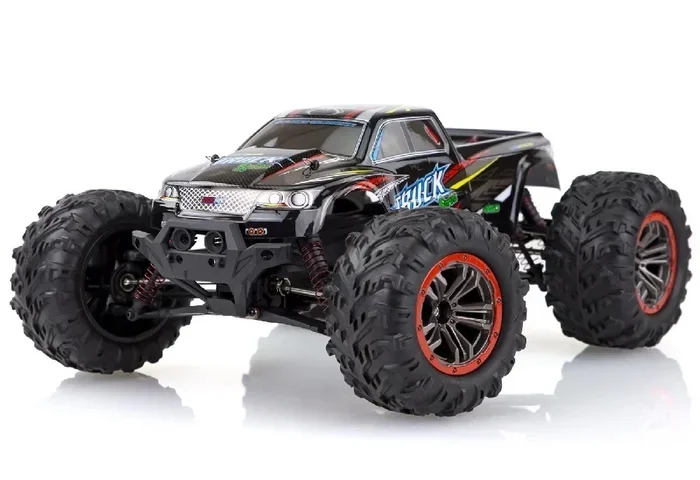
The Ultimate Guide to Radio Control Cars and Trucks
Radio control cars and trucks offer endless fun for hobbyists of all ages. This guide covers everything from choosing the right RC vehicle to maintaining it like a pro. You will learn about types, brands, speed, and essential tips to get started.
Radio control cars and trucks have captured the hearts of hobbyists for decades. Whether you are a kid or a grown-up, there is something magical about sending a vehicle zooming across your driveway with just a handheld controller. The radio control car hobby has grown into a massive world with thousands of models, brands, and styles to explore.
This guide is your one-stop resource for everything related to radio control cars and trucks. We will walk you through the different types, key features, top brands, and maintenance tips. By the end, you will feel confident picking the perfect RC vehicle for your needs. Let us dive in and explore this exciting hobby together.
Key Takeaways
- Choose the right type: Electric, nitro, or gas RC cars and trucks each suit different needs and skill levels.
- Start with a hobby-grade model: These offer better quality, durability, and performance than toy-grade options.
- Maintenance matters: Regular cleaning and part checks keep your RC vehicle running smoothly for years.
- Speed and scale vary widely: From slow crawlers to 70+ mph speed demons, there is an RC vehicle for everyone.
- Battery care is essential: Proper charging and storage extend the life of your RC car batteries significantly.
- Join a community: Local RC clubs and online forums help you learn faster and have more fun.
📑 Table of Contents
- What Are Radio Control Cars and Trucks?
- Types of Radio Control Cars and Trucks
- Key Features to Consider Before Buying
- Top Brands and Models for Radio Control Cars and Trucks
- RC Car Maintenance and Care Tips
- Radio Control Cars and Trucks for Beginners
- RC Car Racing and Community
- Comparing Electric vs. Nitro vs. Gas RC Vehicles
- Essential Accessories for Radio Control Cars and Trucks
- Final Thoughts
What Are Radio Control Cars and Trucks?
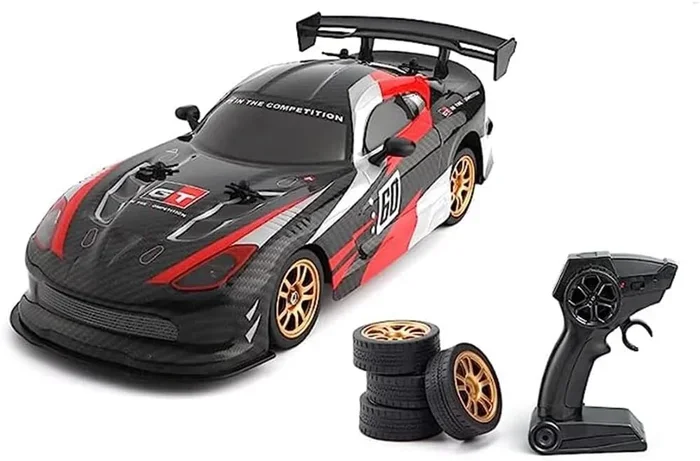
Radio control cars and trucks are model vehicles that you drive remotely using a handheld transmitter. The transmitter sends signals to a receiver inside the vehicle. That receiver then controls the motor, steering, and other functions. It is like having a real car, but much smaller and a lot more fun.
The hobby dates back to the 1960s. Early models were simple and expensive. Today, RC cars and trucks come in all shapes, sizes, and price ranges. You can find tiny micro cars that fit in your palm or huge scale trucks that look like real off-road rigs.
How Do RC Vehicles Work?
Every radio controlled vehicle has a few core parts. The transmitter is the controller you hold in your hands. The receiver sits inside the car and picks up the signal. The motor or engine makes the wheels turn. And the battery or fuel powers everything.
Electric models use rechargeable batteries. Nitro and gas models use small internal combustion engines. Each type has its own charm and benefits. We will break them all down below.
Types of Radio Control Cars and Trucks
Not all RC vehicles are the same. Different types serve different purposes. Some are built for speed. Others are built for crawling over rocks. Knowing the types helps you pick the right one.
Electric RC Cars and Trucks
Electric RC cars are the most popular choice for beginners. They run on rechargeable batteries and are quiet, clean, and easy to use. You can charge them in under an hour and start driving right away.
Electric models come in two main flavors:
- Brushed motors — These are affordable and great for starters. They need more maintenance over time.
- Brushless motors — These are faster, more efficient, and last longer. They are the go-to choice for serious hobbyists.
Electric RC cars and trucks work well indoors and outdoors. They are perfect for casual driving, backyard fun, and even competitive racing.
Nitro RC Cars and Trucks
Nitro RC cars run on a special fuel mix that contains nitromethane. They have a small engine that sounds and smells like a real race car. Many enthusiasts love the realistic experience of a nitro engine.
These vehicles need more care than electric ones. You must mix fuel, clean the engine, and handle the exhaust. But for many hobbyists, that hands-on feel is exactly what makes nitro so rewarding.
Gas RC Cars and Trucks
Gas-powered RC vehicles run on regular gasoline mixed with engine oil. They are the largest and most powerful RC cars and trucks available. Some gas models are nearly 1:5 scale, making them look incredibly realistic.
Gas RC cars are louder, heavier, and more complex. They are best suited for experienced hobbyists who want big-scale realism and raw power.
Key Features to Consider Before Buying
Picking the right RC vehicle can feel overwhelming with so many options. Focus on a few key features to narrow things down.
Scale Size
RC car scale tells you how the model compares to a real vehicle. Common scales include 1:10, 1:12, 1:16, and 1:24. A 1:10 scale truck is about one-tenth the size of a real truck. Smaller scales like 1:24 are great for indoor play and tight spaces.
Larger scales offer more detail and better performance. Smaller scales are more portable and affordable. Think about where you will drive your RC vehicle before choosing a scale.
Speed and Performance
RC car speed varies a lot. Toy-grade models might top out at 10 mph. Hobby-grade electric cars can reach 30 to 60 mph. High-performance brushless setups can push past 70 mph.
Speed is not everything. Traction, suspension, and handling matter just as much. A slow crawler truck that handles rough terrain beautifully might bring you more joy than a fast car that slips and slides.
Terrain and Use
Think about where you plan to drive. Off-road RC trucks have big tires, high ground clearance, and strong suspension. They handle dirt, grass, gravel, and rocks with ease. On-road cars have low profiles and smooth tires built for pavement and racetracks.
Some models are designed as crawlers. These move very slowly but can climb over obstacles that seem impossible. They are a blast to drive and watch.
Top Brands and Models for Radio Control Cars and Trucks
The RC car market has many reputable brands. Each brand brings its own strengths to the table. Here are some of the most trusted names in the hobby.
Traxxas
Traxxas is one of the most popular RC car brands in the world. They offer a huge lineup of electric and nitro vehicles. Their models are known for durability, speed, and ease of use. The Traxxas Rustler and Traxxas Slash are fan favorites among beginners and pros alike.
Axial
Axial specializes in scale crawlers and rock crawlers. Their RC trucks are incredibly detailed and capable of tackling tough terrain. If you love realistic-looking models that climb rocks and logs, Axial is a brand worth exploring.
ARRMA
ARRMA focuses on high-speed RC cars and trucks. Their models are built for adrenaline junkies who want serious velocity. The ARRMA Typhon and Arrma Kraton are well-known for their raw speed and strong build quality.
Team Associated
Team Associated has been around since the 1970s. They are a legend in RC car racing. Their vehicles are engineered for precision and performance. Many professional racers trust Team Associated for competition-level builds.
RC Car Maintenance and Care Tips
Owning radio control cars and trucks means taking care of them. Regular maintenance keeps your vehicle running strong and extends its lifespan. The good news is that basic care is simple and quick.
Cleaning Your RC Vehicle
Dirt, mud, and dust build up fast, especially if you drive off-road. After every session, wipe down your RC vehicle with a soft cloth. Use warm water and mild soap for tough grime. Avoid spraying water directly into the electronics. Let everything dry completely before storing.
Quick Tips for Cleaning:
- Remove the battery before cleaning.
- Use a soft brush to clean hard-to-reach spots.
- Dry all parts thoroughly to prevent rust.
- Check for loose screws and tighten them up.
Battery Care and Storage
RC car batteries are the heart of electric models. Taking care of them makes a huge difference in performance and lifespan.
Always charge batteries with the correct charger. Never overcharge or leave batteries charging unattended. Store batteries in a cool, dry place at about 50% charge when not in use. This practice, called storage voltage, prevents cell damage and keeps batteries healthy for months.
LiPo (lithium polymer) batteries are the most common type. They are powerful and lightweight but require careful handling. Never puncture or puncture a LiPo battery. Store them in a fire-safe bag when charging or storing.
Lubrication and Part Replacement
Keep all moving parts lubricated. Use silicone-based grease on gears and bearings. This reduces wear and keeps your RC vehicle running smoothly. Check for worn-out parts regularly and replace them before they cause bigger problems.
Common parts that wear out include tires, suspension arms, and drive shafts. Most brands sell replacement parts individually, so repairs are easy and affordable.
Common Mistakes to Avoid
Even experienced hobbyists make mistakes. Here are a few to watch out for:
- Skipping break-in periods — New engines and motors need gentle use at first. Avoid full throttle right out of the box.
- Ignoring waterproof ratings — Not all RC cars and trucks are waterproof. Driving through deep water can destroy electronics.
- Over-tightening screws — This can strip threads and crack plastic parts. Tighten until snug, not forced.
- Neglecting gear maintenance — Dirty gears wear out fast. Clean and re-lube them regularly.
Radio Control Cars and Trucks for Beginners
Starting the RC car hobby can feel exciting and a bit confusing. There are so many choices, and the terminology can be overwhelming. But the good news is that getting started is easier than you think.
What Should a Beginner Look For?
Start with a hobby-grade electric RC car. These are affordable, reliable, and easy to learn with. Avoid toy-grade models from department stores. They may look similar, but they lack the quality, speed control, and durability of hobby-grade vehicles.
Look for these features in a starter RC vehicle:
- A brushed or entry-level brushless motor
- A 2-channel transmitter for basic steering and throttle control
- A durable chassis that can handle minor crashes
- Easy access to the battery compartment
- Availability of replacement parts
Recommended Starter Models
Here are a few RC cars and trucks that are perfect for newcomers:
- Traxxas Stampede 4×4 — A versatile truck that handles almost any terrain. It is fast, tough, and fun.
- ARRMA Typhon 4×4 — A high-speed truck that delivers an exciting driving experience.
- Axial SCX10 II — A beautiful scale crawler perfect for those who enjoy slow, technical driving.
- Team Associated SC10 — A classic short-course truck with great handling and a smooth ride.
RC Car Racing and Community
One of the best parts of the RC car hobby is the community. Thousands of local clubs and online forums connect RC enthusiasts around the world. Racing events, meetups, and shared builds create a sense of belonging that makes the hobby even more enjoyable.
Getting Into Racing
RC car racing is thrilling and accessible. Most local tracks host races for different skill levels and vehicle types. Classes are usually divided by scale, power type, and vehicle category. You do not need the most expensive car to compete. Many club racers drive mid-range models and still win races.
To get started with racing, join a local track and talk to other members. Most clubs offer rental cars for newcomers. This lets you try the sport before investing in your own RC vehicle.
Online Communities and Resources
The internet is full of helpful RC car resources. YouTube channels, forums, and Facebook groups are packed with advice, build videos, and product reviews. Some popular communities include RCGroups.com and various subreddits dedicated to radio control cars and trucks.
These communities are welcoming and supportive. Whether you have a question about battery care or need help troubleshooting a motor issue, someone in the community has likely been there before.
Comparing Electric vs. Nitro vs. Gas RC Vehicles
Choosing between electric, nitro, and gas can be tricky. Each type has clear advantages and drawbacks. Here is a side-by-side comparison to help you decide.
| Feature | Electric | Nitro | Gas |
|---|---|---|---|
| Power Source | Rechargeable battery | Nitro fuel | Gasoline + oil mix |
| Noise Level | Quiet | Moderate | Loud |
| Maintenance | Low | Medium | High |
| Speed Range | 5-70+ mph | 20-50 mph | 20-60 mph |
| Run Time | 15-45 minutes | 10-30 minutes | 30-60 minutes |
| Best For | Beginners, indoor/outdoor | Enthusiasts, realism | Large-scale, experienced users |
| Startup | Push button | Pull starter | Pull starter |
| Cost | Low to medium | Medium | High |
As you can see, electric RC vehicles are the most convenient and beginner-friendly. Nitro offers a more realistic experience. Gas models deliver the biggest scale and the most raw power. Your choice depends on your goals, budget, and how much time you want to spend on maintenance.
Essential Accessories for Radio Control Cars and Trucks
Once you have your RC vehicle, a few accessories will enhance your experience. These extras make driving more fun, safer, and more convenient.
- Extra batteries — Having a charged backup means more driving and less waiting.
- Battery charger — A quality smart charger keeps your RC car batteries healthy and safe.
- Spare tires — Tires wear out fast, especially on rough terrain.
- Tool set — Hex drivers, screwdrivers, and pliers make on-the-go repairs easy.
- Carrying case — Keeps all your gear organized and protected during transport.
- Fuel bottle — Essential for nitro and gas models. Look for one with a narrow spout for precise filling.
- Spray paint and body clips — Customize the look of your RC vehicle with a fresh paint job.
These accessories do not cost a lot, but they make a huge difference in your overall enjoyment. A well-equipped hobbyist is a happy hobbyist.
Final Thoughts
Radio control cars and trucks are more than just toys. They are a gateway to creativity, engineering, and community. Whether you are looking for a relaxing weekend activity or an exciting competitive sport, this hobby has something for everyone.
Start simple. Pick a solid hobby-grade electric model. Learn the basics of driving and care. Then expand your collection and skills over time. The beauty of the RC car hobby is that it grows with you.
Take your time, enjoy the process, and do not be afraid to ask questions. The RC community is friendly and always ready to help. Now that you have all the knowledge from this guide, it is time to pick up a controller and hit the road. Happy driving!
Frequently Asked Questions
What is the difference between RC cars and RC trucks?
RC cars are generally lower to the ground and built for speed on smooth surfaces. RC trucks have higher ground clearance, bigger tires, and stronger suspension for off-road driving. Some models blur the line between the two and work well on both terrain types.
How fast can radio control cars and trucks go?
Speed varies widely depending on the model and power type. Entry-level electric cars reach around 10 to 20 mph. Mid-range hobby models cruise at 25 to 40 mph. High-performance brushless setups can exceed 70 mph. Gas and nitro trucks typically reach 20 to 60 mph depending on size and engine type.
Are RC cars and trucks hard to maintain?
Not at all. Electric models are the easiest to maintain. You just need to clean them after use, charge the batteries properly, and check for loose parts. Nitro and gas models require more attention, including engine tuning and fuel mixing. But with a little practice, maintenance becomes quick and routine.
What age is appropriate for radio control cars and trucks?
Most hobby-grade RC vehicles are recommended for ages 12 and up. However, younger children can enjoy simpler electric models designed for kids. Adults can enjoy this hobby at any age. Many retirees and professionals are passionate RC enthusiasts who have been in the hobby for decades.
How much does a good RC car or truck cost?
Prices vary a lot. Entry-level hobby-grade electric cars start around $100 to $200. Mid-range models with better performance typically cost $200 to $400. High-end racing and scale trucks can run $400 to $800 or more. Budget for extra batteries, a charger, and replacement parts when planning your purchase.
Can I drive RC cars and trucks in the rain?
Only if your RC vehicle is rated as waterproof or water-resistant. Most hobby-grade models are water-resistant to some degree but not fully waterproof. Check the manufacturer’s specifications before driving in wet conditions. Water damage to electronics is one of the most common and costly mistakes in the hobby.