How to Unlock a Lock With a Key Without a Locksmith
Knowing how to unlock a lock with a key is an essential skill every car owner should have. Whether you face a dead battery, a broken key fob, or a stuck lock, this guide walks you through simple methods to regain access. You will learn how car locks work, common problems, and step-by-step fixes that save you time and money.
There is nothing worse than standing next to your car, holding your keys, and realizing the lock will not turn. You are locked out, and your first thought is to call a locksmith. But wait. Before you spend money on a service call, did you know that how to unlock a lock with a key is a skill you can learn right now? Most car lock problems have simple solutions. You do not need special tools or years of experience. In this guide, we will walk you through everything you need to know about unlocking your car with a key. From understanding how the lock cylinder works to fixing a stuck key, we have you covered. By the end, you will feel confident handling lockouts and minor lock issues on your own.
Car lockouts happen to everyone. Maybe you left your key fob inside the car. Perhaps the battery died, and your keyless entry backup stopped working. Or the lock itself just feels stiff and refuses to turn. Whatever the reason, knowing how to use your manual key properly can save you hours of frustration. This article focuses on practical, easy-to-follow steps for unlock car door with key situations. We will also cover lock maintenance tips that keep your car locks working smoothly for years. Let us get started.
Key Takeaways
- Understanding your lock mechanism helps you troubleshoot problems faster and avoid unnecessary locksmith calls.
- Manual key unlock methods work reliably when electronic systems fail, making them essential backup skills.
- Regular lock maintenance prevents most common issues like stiff keys and sticking lock cylinders.
- Recognizing warning signs early, such as a key that is hard to turn, can save you from a full lockout.
- Knowing when to call a locksmith protects your car from damage caused by forced entry attempts.
- Car lockout situations are common and manageable with the right knowledge and tools.
- Using lock lubricant regularly keeps your ignition lock and door locks functioning smoothly for years.
📑 Table of Contents
Why Learning How to Unlock a Lock With a Key Matters
Modern cars come loaded with technology. Key fobs, push-button start, and wireless entry make life convenient. But technology fails. Batteries die. Sensors malfunction. Electronics short out. When that happens, your fancy key fob becomes a useless plastic brick. This is exactly when your manual key becomes your best friend.
Many car owners do not even realize they have a spare manual key hidden in their key fob. They have never used it. They do not know how it works. Learning how to unlock a lock with a key takes just a few minutes, but it can save you from a stressful car lockout situation. Plus, understanding your lock system helps you spot problems early. You can fix small issues before they become expensive repairs.
The Rise of Keyless Entry Systems
Today, most new cars use transponder keys and keyless entry systems. These systems are smart. They communicate with your car wirelessly. But they also have more parts that can fail. The lock cylinder, the spring mechanism inside the door handle, and the electronic sensors all work together. When one part fails, the whole system can stop working. That is why knowing the manual backup method is so important. It gives you a reliable fallback option every single time.
Common Situations That Lead to a Lockout
Here are the most common reasons drivers find themselves needing to unlock car door with key:
- The key fob battery dies unexpectedly
- The key fob gets damaged from water or impact
- The electronic lock actuator fails
- The door handle button sticks or breaks
- The key breaks off inside the lock cylinder
- The lock cylinder itself becomes worn or corroded
- Extreme cold freezes the lock mechanism
Notice how most of these problems are simple and fixable? You do not always need a professional. With basic knowledge, you can handle most of these situations yourself.
Understanding How a Car Lock Mechanism Works
Before you can fix a lock problem, you need to understand how the lock works. A car door lock is not as complicated as it seems. Inside the door, there is a lock cylinder that houses a series of pins and springs. When you insert your key and turn it, the ridges on the key push these pins into the correct position. Once all the pins align, the cylinder turns. This turning action releases the lock bolt. The door opens.
The lock spring mechanism inside the cylinder is what gives you the tactile feedback when you turn the key. You feel the pins click into place. If a spring is weak or a pin is damaged, the key will feel stiff or will not turn at all. This is one of the most common reasons people struggle with how to unlock a lock with a key.
The Role of the Lock Cylinder
The lock cylinder is the heart of your car door lock. It is the metal cylinder where you insert the key. Over time, the cylinder can wear out. Dirt and debris build up inside. The springs lose their tension. When this happens, the key does not turn smoothly. Regular lock maintenance keeps the cylinder clean and lubricated. This simple step prevents most lock problems before they start.
How the Ignition Lock Differs from Door Locks
Your ignition lock works on the same basic principle as your door locks. But it has additional security features. The transponder key has a small chip that communicates with the car’s computer. Without the correct chip signal, the car will not start. However, the physical lock cylinder still uses the same pin-and-spring mechanism. This means the same techniques apply whether you are unlocking a door or turning the ignition.
Step-by-Step Guide to Unlock a Lock With a Key
Now that you understand how the lock works, let us walk through the actual process. Follow these steps carefully, and you will have your door open in no time.
Step 1: Find Your Manual Key
First, locate your manual key. Most modern key fobs have a hidden mechanical key blade inside. Look for a small button or latch on the side of the fob. Press it, and the key blade slides out. If you are not sure where yours is, check your car owner’s manual. It will show you exactly how to access the manual key.
Pro tip: Always keep your manual key somewhere safe and accessible. Do not leave it buried in your junk drawer. A small key pouch in your glove box is a great spot.
Step 2: Locate the Lock Cylinder
Next, find the lock cylinder on your car door. On most vehicles, it is located on the door handle, either on the outside or the inside. Some cars have the cylinder hidden behind a small cover or cap. Gently pry off the cover with your fingernail or a flat tool. You should see the keyhole underneath.
Step 3: Insert the Key Correctly
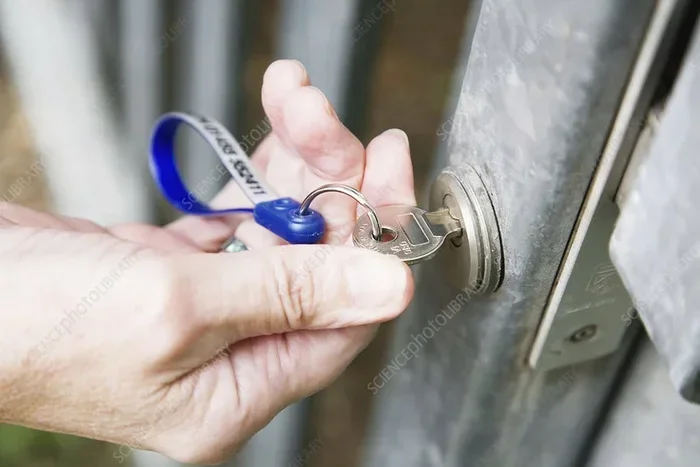
This step sounds obvious, but it is where many people make mistakes. Insert the key fully into the lock cylinder. Make sure it goes in all the way. The key should sit flush with the cylinder. If it feels loose or does not seat properly, try flipping the key over. Some keys only work in one orientation.
Step 4: Turn the Key Slowly and Steadily
Now, turn the key gently. Do not force it. Apply steady, moderate pressure in the direction that unlocks the door. If the key resists, do not push harder. Forcing a stuck key can break it inside the cylinder. Instead, try wiggling it slightly while applying gentle pressure. Often, this is enough to free up a stiff lock.
Step 5: Pull the Door Handle
Once the key turns, pull the door handle simultaneously. The lock bolt should retract, and the door will open. If the door still feels stuck, the lock actuator may need attention. But in most cases, the key turning is the only step needed.
Step 6: Lubricate the Lock After Use
After you successfully unlock the door, take a moment to spray a small amount of lock lubricant into the cylinder. This keeps the mechanism working smoothly for the next time. Use a dry graphite lubricant or a silicone-based spray. Avoid oil-based lubricants, as they can attract dirt and gum up the cylinder over time.
Common Lock Problems and How to Fix Them
Even with regular care, locks can develop problems. Here are the most common issues drivers face and how to solve them.
Stiff Key That Will Not Turn
A stiff key is the number one complaint when it comes to how to unlock a lock with a key. The most common cause is a lack of lubrication. Over time, dust and grime build up inside the lock cylinder. This creates friction that makes the key hard to turn.
Fix: Spray lock lubricant directly into the keyhole. Wait a minute for it to work its way inside. Then try turning the key again. If it still does not move, try gently wiggling the key while applying light pressure. Never use force.
Key Stuck in the Lock Cylinder
A key that breaks off or gets stuck inside the cylinder is a frustrating experience. This often happens when the key is old or worn. The metal becomes brittle, and it snaps under pressure.
Fix: If part of the key is still visible, use needle-nose pliers to gently pull it out. If the key is broken deep inside, do not try to dig it out with a pin or wire. This can push the fragments further in. Instead, use a key extraction tool or call a locksmith for safe removal.
Lock Cylinder Wears Out Over Time
Lock cylinders do not last forever. After years of daily use, the internal pins wear down. The key no longer aligns properly, and the lock becomes unreliable. You may notice the key feels loose or spins freely without engaging the lock.
Fix: A worn lock cylinder needs replacement. This is a job for a professional locksmith or a skilled mechanic. The cost is usually reasonable, and it prevents you from being stranded with a non-working lock.
Frozen Lock in Cold Weather
Cold weather can freeze your lock shut. Moisture gets inside the cylinder, and when temperatures drop, it turns to ice. The key will not turn, and the lock feels completely stuck.
Fix: Use a lock de-icer spray, which you can buy at any auto parts store. If you do not have de-icer, try warming the key with your hands first, then inserting it gently. Never use boiling water, as it can damage the lock mechanism and surrounding paint.
Preventive Maintenance Tips for Car Locks
The best way to avoid lock problems is to prevent them in the first place. A little regular maintenance goes a long way toward keeping your locks working perfectly.
Lubricate Your Locks Regularly
Spray your lock cylinders with a quality lubricant every three to six months. This keeps the internal pins and springs moving freely. It also prevents rust and corrosion from building up inside the mechanism.
Keep Your Keys Clean
Dirt and grime on your key can slowly wear down the lock cylinder. Wipe your key with a soft cloth regularly. If the key has visible wear or bent teeth, consider getting a replacement key made before it causes lock problems.
Replace Key Fob Batteries on Schedule
Do not wait for your key fob to stop working. Replace the battery every one to two years. This ensures your keyless entry backup system is always ready when you need it. Most car owners can do this themselves in under five minutes.
Inspect Your Door Locks Periodically
Every few months, check all your car doors for smooth operation. Open and close each door several times. Listen for unusual clicking or grinding sounds. These are early warning signs of a developing lock problem. Catching them early saves you from a full lockout later.
Store Your Car in a Covered Area
Extreme weather is one of the biggest enemies of car locks. Heat can warp lock components, and cold can freeze them solid. Parking in a garage or covered area protects your locks from the elements and extends their lifespan significantly.
When to Call a Locksmith Instead of DIY
There is a big difference between a minor lock issue and a serious problem that needs professional help. Knowing when to call a locksmith saves you time, money, and potential damage to your car.
Signs You Need Professional Help
Call a locksmith if you experience any of the following:
- The key is completely stuck inside the lock cylinder
- The lock cylinder is visibly damaged or cracked
- Multiple locks on the car are malfunctioning at the same time
- The key turns but the lock bolt does not move
- You have lost all keys, including the manual backup
- The ignition lock will not turn and the car will not start
How to Choose a Reliable Locksmith
Not all locksmiths are created equal. Look for licensed, insured professionals with good reviews. Ask friends or family for recommendations. Check online ratings before you hire. A good locksmith will diagnose the problem quickly, explain the cost upfront, and fix the issue without causing additional damage.
Cost Considerations for Locksmith Services
locksmith services vary in cost depending on the problem and your location. A simple lockout service typically costs between $50 and $100. Key replacement and lock cylinder repair may cost more. Always get a quote before authorizing any work. This protects you from surprise charges and helps you make an informed decision.
Key Takeaways
- Understanding your lock mechanism helps you troubleshoot problems faster and avoid unnecessary locksmith calls.
- Manual key unlock methods work reliably when electronic systems fail, making them essential backup skills.
- Regular lock maintenance prevents most common issues like stiff keys and sticking lock cylinders.
- Recognizing warning signs early, such as a key that is hard to turn, can save you from a full lockout.
- Knowing when to call a locksmith protects your car from damage caused by forced entry attempts.
- Car lockout situations are common and manageable with the right knowledge and tools.
- Using lock lubricant regularly keeps your ignition lock and door locks functioning smoothly for years.
Conclusion
Learning how to unlock a lock with a key is one of the most practical skills a car owner can develop. It saves you money, reduces stress, and gives you confidence when unexpected problems arise. Whether you are dealing with a car lockout, a stiff lock cylinder, or a frozen door lock in winter, the steps in this guide will help you get back on the road quickly.
Remember to maintain your locks regularly. Use lubricant, keep your keys clean, and replace worn components before they fail. And when a problem is beyond your skill level, do not hesitate to call a trusted locksmith. The goal is to keep your car secure and accessible at all times.
Take a few minutes today to familiarize yourself with your manual key and lock system. Practice inserting and turning the key smoothly. Store your manual key in a safe, accessible place. These small habits make a huge difference when you need them most. With the knowledge in this guide, you are now better prepared to handle any lock challenge that comes your way.
Stay proactive, stay prepared, and never let a simple lock problem ruin your day.
Frequently Asked Questions
Can I unlock my car door with a key if the key fob is completely dead?
Yes, absolutely. Most modern cars have a hidden mechanical key blade inside the key fob. Use this manual key to unlock the door directly through the lock cylinder. This is why it is important to always know where your manual key is stored.
What should I do if my key breaks off inside the car lock?
If the key breaks inside the lock, try to extract any visible pieces with needle-nose pliers. Do not use sharp tools that could push the fragments deeper. If you cannot remove the broken piece, contact a locksmith for safe extraction and lock repair.
How often should I lubricate my car locks?
You should lubricate your car locks every three to six months. Use a dry graphite lubricant or silicone-based spray. Avoid oil-based products, as they attract dirt and can cause the lock cylinder to gum up over time.
Why does my key feel stiff when I try to turn it in the lock?
A stiff key usually means the lock cylinder needs lubrication. Dirt, grime, or rust buildup inside the cylinder creates friction. Spray lock lubricant into the keyhole and wait a minute before trying again. If the stiffness persists, the lock cylinder may need professional inspection.
Is it safe to use lock picking tools on my own car lock?
Lock picking tools should only be used by trained professionals or for legal purposes on your own property. Improper use can damage the lock cylinder, break the key, or void your car warranty. Stick to the manual key method for safe and effective unlocking.
What is the difference between a transponder key and a regular manual key?
A transponder key contains a small electronic chip that communicates with the car’s computer system. This chip prevents the car from starting without the correct key. A regular manual key has no electronic components and works purely through the physical pin-and-spring mechanism inside the lock cylinder. Both types can be used to unlock the door manually.