How Do You Know When to Change Your Car Battery Today
Knowing when to change your car battery can save you from unexpected breakdowns and costly roadside repairs. This guide covers the most common battery warning signs, simple at-home testing methods, and the right time to seek professional help. You will learn how to protect your vehicle’s electrical system and extend battery life with smart maintenance habits.
There is nothing worse than turning the key and hearing nothing but a clicking sound. Your car refuses to start, and suddenly your morning plan falls apart. The culprit is often a dying battery, and the real question is whether you saw the signs coming.
How do you know when to change your car battery before it leaves you stranded? The answer is simpler than most people think. Your vehicle sends clear signals long before a battery dies completely. Learning to read those signals can save you time, money, and a lot of stress.
This guide walks you through every warning sign, testing method, and practical tip you need. Whether you are a DIY enthusiast or a complete beginner, you will walk away knowing exactly what to watch for. Let us dive in and make sure your next road trip does not end with a dead battery on the side of the road.
Key Takeaways
- Look for slow cranking, dim lights, and corroded terminals as the top signs your battery needs replacing.
- Test your battery regularly using a multimeter or free service at most auto parts stores.
- Most car batteries last 3 to 5 years, so track your purchase date to plan ahead.
- Extreme heat and cold both accelerate battery wear and shorten overall battery life.
- A jump start is only a temporary fix and does not mean your battery is healthy long-term.
- Replacing a battery yourself is doable but always follow safety steps to avoid damage or injury.
📑 Table of Contents
- Common Warning Signs Your Battery Needs Replacement
- How to Test Your Car Battery at Home
- When Age Matters: The Battery Timeline
- Environmental Factors That Shorten Battery Life
- Step-by-Step: Replacing Your Car Battery
- When to See a Professional Instead of DIY
- Key Takeaways
- Frequently Asked Questions
- Conclusion
Common Warning Signs Your Battery Needs Replacement
Your car talks to you every day. It makes sounds, shows lights, and behaves in ways that tell you what is going on under the hood. The key is paying attention. Most drivers ignore small changes until something big goes wrong. Do not be that person. Here are the clearest battery warning signs that mean it is time for a car battery replacement.
Slow Engine Crank
When you turn the key, the engine should start quickly and smoothly. If it takes longer than usual to turn over, that is a red flag. A slow engine crank means the battery is struggling to deliver enough power to the starting system. Think of it like trying to start a conversation with someone who is running out of energy. The words come out, but slowly and weakly.
This is one of the most common reasons people search for how to know when to change a car battery. Do not wait for a full failure. If your engine cranks slower than it used to, get it checked right away.
Dim or Flickering Headlights
Your headlights rely on the battery to power up, especially when the engine is off or running at low RPM. If you notice your lights are dimmer than usual or they flicker when you turn on the radio or air conditioning, your battery health is likely declining.
This happens because a weak battery cannot maintain a steady voltage supply. The electrical system in your car pulls power from the battery first, and when that supply drops, your lights pay the price. Try this test: turn on all your electronics in a parked car. If the headlights visibly dim, your battery is underperforming.
The Check Engine Light Comes On
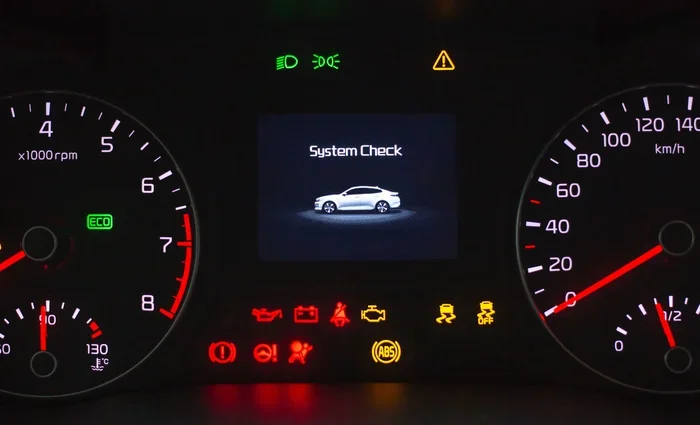
Modern cars are packed with sensors that monitor everything from fuel efficiency to battery voltage. When the check engine light illuminates, it can mean many things. One often-overlooked cause is a failing battery or a problem with the charging system.
Do not assume the check engine light is just a sensor error. Have a mechanic run a diagnostic scan or use a basic OBD-II reader yourself. Sometimes the code will point directly to a battery drain or low voltage issue. Ignoring this light could lead to a situation where your car won’t start at the worst possible moment.
Corroded or Swollen Battery Terminals
Take a look under your hood. If you see a white, blue, or greenish powdery substance on your battery terminals, that is corrosion. Corrosion creates resistance between the battery and the cables, which blocks the flow of electricity. Over time, this buildup can prevent your car from starting altogether.
In more serious cases, the battery case itself may appear swollen or bloated. This usually happens when the battery overheats or is overcharged. A swollen battery is dangerous and must be replaced immediately. Never try to open a swollen battery case. The risk of acid leaks or even explosion is real.
You Need Frequent Jump Starts
Everyone needs a jump start at least once in their driving life. It happens. But if you find yourself calling for help or using jumper cables more than once a month, your battery is telling you something important. A jump start temporarily provides power, but it does not fix the underlying problem.
Every time you jump-start your car, you put extra stress on the battery and the alternator. If you are relying on jump starts regularly, it is time to invest in a car battery replacement. Continuing to push a weak battery will eventually leave you stranded.
Unusual Smells or Sounds
A healthy battery should be silent and odorless. If you smell a rotten egg or sulfur-like odor near the battery, that is a sign of an internal leak. This is a serious issue and requires immediate attention. Similarly, if you hear a grinding or whining noise when you turn the key, the starting system may be struggling against a weak battery.
Any strange smell or sound coming from the battery area should never be ignored. These are clear signals that something is wrong, and a battery test should be your next step.
How to Test Your Car Battery at Home
You do not need to be a mechanic to check your battery’s health. With a few simple tools and about five minutes, you can get a clear picture of where your battery stands. Regular battery maintenance like this can help you replace the battery on your schedule rather than on the side of a highway.
Using a Multimeter for a Voltage Test
A multimeter is an affordable tool that measures voltage, and it is the easiest way to check battery voltage at home. Set your multimeter to DC voltage (20 volts range). Touch the red probe to the positive terminal and the black probe to the negative terminal.
Here is what the readings mean:
- 12.6 volts or higher: Your battery is fully charged and healthy.
- 12.4 to 12.6 volts: Your battery is about 75% charged. It is still usable but worth monitoring.
- 12.2 to 12.4 volts: Your battery is around 50% charged. It is time to recharge or consider a replacement.
- Below 12.2 volts: Your battery is weak and likely needs to be replaced soon.
Always test the battery when the engine has been off for at least an hour. Testing right after driving gives a falsely high reading because the alternator is still charging the battery.
Free Testing at Auto Parts Stores
Most major auto parts stores offer free battery testing. You simply bring your car in, and a technician will test your battery health and charging system in minutes. They will tell you if your battery needs replacement and can often install a new one on the spot. This is the easiest and most convenient option for most drivers.
The Headlight Test
This is a simple no-tool test you can do anywhere. Turn on the headlights and let the car idle. Then press the accelerator pedal gently. If the headlights brighten noticeably when you rev the engine, your alternator is working and the battery is holding a charge. If the headlights stay dim or get dimmer when you rev, your battery is likely failing.
When Age Matters: The Battery Timeline
Time is the most honest judge of a battery. No matter how well you maintain it, every battery has a limited battery life. Understanding the typical timeline helps you plan ahead and avoid surprises.
Average Battery Lifespan
Most automotive batteries last between three and five years. Some premium batteries can stretch to six years with excellent care, but that is the exception, not the rule. After the three-year mark, it is wise to have your battery tested at every oil change or service visit.
If you bought your car used and do not know the battery age, look for a date sticker on the battery case. It usually shows the month and year of manufacture. If there is no sticker, a battery test at any parts store will reveal the manufacturing date and current condition.
Why Batteries Wear Out Over Time
Inside your battery, chemical reactions create the electrical energy your car needs. Over time, these reactions become less efficient. The lead plates inside the battery accumulate sulfate buildup, which reduces their ability to hold a charge. This process is natural and unavoidable, which is why age is such a reliable indicator of when to replace your battery.
Tracking Your Battery Purchase Date
Make it a habit to write the purchase date on your battery with a permanent marker. Or take a photo of it with your phone. This simple step takes five seconds and gives you a clear timeline for when to plan a car battery replacement. Set a reminder on your phone for the three-year mark, and have the battery tested professionally at that point.
Environmental Factors That Shorten Battery Life
Where you live and how you drive both play a big role in how long your battery lasts. Two drivers with the same battery can experience very different battery life based on their environment and driving habits.
Extreme Heat
Hot weather is one of the biggest enemies of car batteries. High temperatures cause the electrolyte fluid inside the battery to evaporate faster. This damages the internal plates and accelerates corrosion. If you live in a warm climate, your battery may only last three years or even less.
During summer months, park in the shade whenever possible. Consider using a battery charger or maintainer if your car sits parked for long periods. These small steps go a long way in preserving your battery’s health.
Extreme Cold
Cold weather does not damage your battery the same way heat does, but it certainly tests it. Low temperatures slow down the chemical reactions inside the battery, reducing its ability to deliver power. This is why cold cranking amps (CCA) matter. CCA measures how well a battery can start an engine in cold conditions.
If you live in a cold climate, make sure your battery has a high CCA rating. A battery that works fine in summer may struggle to start your car on a freezing January morning. This is also why seasonal battery care is so important, especially before winter arrives.
Short Trips and Infrequent Driving
If your daily commute is only a few minutes, your battery may never fully recharge. The alternator needs time to replenish the energy used during startup. Short trips mean the battery stays partially drained, which slowly degrades its overall capacity over time.
If you mostly drive short distances, consider taking your car on a longer drive once a week to give the battery a full charge cycle. Alternatively, a smart battery charger or maintainer can keep your battery topped up when the car is not in use.
Step-by-Step: Replacing Your Car Battery
If you are comfortable working under the hood, replacing a battery is one of the easiest maintenance tasks you can do. It requires no special tools and usually takes less than 20 minutes. Here is a simple walkthrough.
What You Will Need
- A new battery that matches your vehicle’s specifications (check your owner’s manual for group size and CCA rating)
- A wrench set (usually 10mm or 13mm)
- Battery terminal cleaner or a wire brush
- Anti-corrosion spray or petroleum jelly
- Safety gloves and safety glasses
Step 1: Disconnect the Old Battery
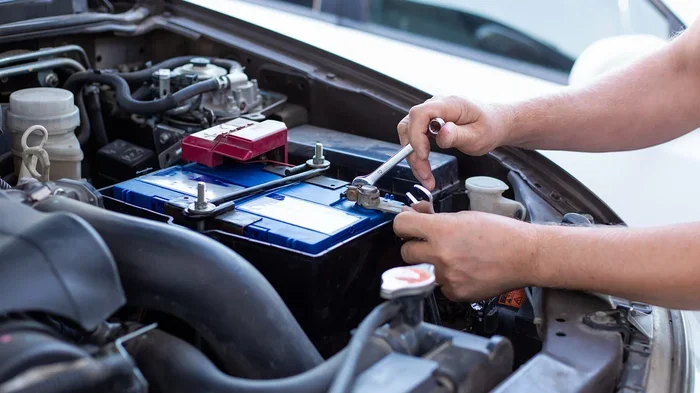
Always disconnect the negative terminal first. This prevents accidental short circuits. Use your wrench to loosen the nut on the negative cable and carefully lift it off the terminal. Repeat the same process with the positive terminal. The battery should now be free from any electrical connections.
Step 2: Remove the Old Battery
Batteries are heavy, so lift with your legs, not your back. Most batteries are held in place by a metal bracket or clamp. Remove the bracket and carefully take the old battery out of the tray. Dispose of it properly at a recycling center or auto parts store. Never throw a car battery in the regular trash.
Step 3: Clean and Prepare
Before installing the new battery, clean the tray and terminal posts. Use a battery terminal cleaner or a wire brush to remove any corrosion or debris. This ensures a solid connection and prevents future buildup.
Step 4: Install the New Battery
Place the new battery in the tray and secure it with the bracket. Connect the positive terminal first, then the negative terminal. Tighten the nuts firmly but do not over-tighten. Apply a thin layer of anti-corrosion spray or petroleum jelly to both terminals to protect against future corrosion.
Step 5: Test the New Battery
Start your car and make sure everything powers up normally. Turn on the headlights, radio, and air conditioning to confirm the electrical system is working properly. If everything looks good, you are all set. If not, double-check the terminal connections and try again.
When to See a Professional Instead of DIY
Replacing a battery is straightforward, but not every situation is DIY-friendly. There are times when it is smarter and safer to let a professional handle the job. Knowing when to call for help is just as important as knowing how to do it yourself.
If your battery is located in a hard-to-reach spot under the hood or in the trunk, a professional can save you the hassle. Some vehicles, especially luxury models and modern SUVs, have batteries that are difficult to access and require special procedures to reset electronic systems after a replacement.
Also, if you notice repeated battery drain even after installing a new battery, there may be a deeper electrical issue in your vehicle. A mechanic can test the alternator, voltage regulator, and wiring to find the root cause. Replacing a battery will not fix a parasitic draw or a failing alternator, and trying to do so will only waste your money.
Finally, if you are uncomfortable working with car batteries, there is no shame in seeking professional help. Batteries contain sulfuric acid and can deliver high currents that are dangerous if mishandled. A trained technician ensures the job is done safely and correctly every time.
Key Takeaways
- Watch for slow cranking, dim lights, and corroded terminals as the top signs your battery needs replacing.
- Test your battery regularly using a multimeter or free service at most auto parts stores.
- Most car batteries last 3 to 5 years, so track your purchase date to plan ahead.
- Extreme heat and cold both accelerate battery wear and shorten overall battery life.
- A jump start is only a temporary fix and does not mean your battery is healthy long-term.
- Replacing a battery yourself is doable but always follow safety steps to avoid damage or injury.
Frequently Asked Questions
How long does a car battery typically last?
Most automotive batteries last between three and five years. The exact lifespan depends on your driving habits, climate, and the quality of the battery you choose. Regular battery maintenance and testing can help you get the most out of your battery.
Can a dying battery be recharged instead of replaced?
Sometimes, a deeply discharged battery can be revived with a battery charger. However, if the battery is old or physically damaged, recharging is only a temporary solution. A professional battery test will tell you whether recharging is worth the effort or if a replacement is the better choice.
What causes a car battery to die quickly?
Common causes include leaving lights or accessories on, short driving trips that never fully recharge the battery, extreme temperatures, and a faulty alternator. A parasitic electrical draw from a damaged wire or component can also cause rapid battery drain. Identifying the root cause is essential before installing a new battery.
Is it safe to drive with a weak battery?
It is not recommended. A weak battery can leave you stranded at any moment and put extra strain on the alternator, which is a much more expensive repair. If your battery health is in question, get it tested and replace it if needed. Staying proactive keeps you safe and saves money in the long run.
Does the type of battery I buy matter?
Yes, it matters a great deal. Always choose a battery that matches your vehicle’s group size, cold cranking amps rating, and terminal configuration. Using the wrong battery can lead to poor performance, electrical issues, or even damage to your car’s electrical system. Check your owner’s manual or ask a professional for the right fit.
How can I make my car battery last longer?
Keep your terminals clean and free of corrosion, avoid short trips when possible, turn off all accessories when the engine is off, and park in a garage during extreme weather. Using a battery charger or maintainer for vehicles that sit unused for long periods is also a great way to protect your investment and extend battery life.
Conclusion
How do you know when to change your car battery does not have to be a mystery. Your vehicle gives you plenty of warning signs if you know where to look. From slow cranking and dim headlights to corroded terminals and frequent jump starts, the signals are there. The key is to notice them early and act before you are left stranded.
Regular testing, smart maintenance, and understanding your battery’s age are the best tools you have. Whether you choose to replace the battery yourself or visit a professional, the most important step is simply being proactive. Do not wait for a cold morning or a busy day when a dead battery would be the last thing you need.
Take five minutes today to check your battery. Look at the terminals, note the age, and if it has been more than three years, get it tested. That small act of attention can save you from a world of trouble down the road. Your car will thank you, and so will your schedule.