What Car Has the Longest Lifespan and How to Find Yours
What Car Has the Longest Lifespan? The answer lies in a mix of brand reputation, build quality, and smart ownership habits. Vehicles like the Toyota Land Cruiser and Honda Accord consistently top longevity charts with proper care. Understanding what makes certain cars last longer helps you make a smarter buying decision. This guide breaks down the best long-lasting vehicles and shows you how to find one that suits your needs. You will learn practical tips to extend your own car’s life and save thousands over time.
You want a car that keeps running. Not just for a few years. But for decades. The question is, what car has the longest lifespan? Some vehicles roll off the assembly line and just keep going, well past the 200,000-mile mark. Others start falling apart at 80,000 miles. The difference is not just luck. It comes down to brand reputation, build quality, and how well you take care of your ride.
In this article, we will explore which cars last the longest and why. We will also share practical tips to help you find the right long-lasting vehicle for your life. Whether you are buying your first car or looking for a reliable second ride, this guide has you covered. Let us dive into the world of car longevity and find out what makes certain vehicles true survivors.
Key Takeaways
- Toyota and Honda lead the pack: These brands consistently produce vehicles that last 200,000+ miles with proper care.
- Maintenance is everything: Regular oil changes, fluid checks, and timely repairs dramatically extend vehicle lifespan.
- Driving habits matter: Gentle driving, avoiding short trips, and proper warm-ups add years to your car.
- Build quality counts: Simple, well-engineered engines and drivetrains tend to outlast complex ones.
- Finding the right car is personal: Your lifestyle, budget, and driving needs should guide your choice.
- Long-lasting cars save money: Higher upfront cost often pays off through lower ownership costs over time.
📑 Table of Contents
- The Cars That Last the Longest
- Why Some Vehicles Outlive Others
- Maintenance Habits That Extend Car Life
- Driving Habits That Add Years to Your Vehicle
- How to Find the Right Long-Lasting Car for You
- The Cost of Owning a Long-Lasting Car
- Common Mistakes That Shorten Your Car’s Life
- Expert Insights on Vehicle Longevity
- Key Takeaways
- Conclusion
The Cars That Last the Longest
Not all cars are created equal. Some brands have built their entire reputation on durability and reliability. When people ask about what car has the longest lifespan, certain names always come up. Let us look at the top contenders.
Toyota Land Cruiser
The Toyota Land Cruiser is a legend. This SUV has been around since 1951, and it is built like a tank. Many Land Cruisers have crossed the 300,000-mile mark with basic maintenance. The engine is simple, robust, and designed to handle tough conditions. People who own Land Cruisers often pass them down to family members. The vehicle depreciates slowly, too, which adds to its appeal.
Honda Accord
The Honda Accord has been a best-selling sedan for decades. It consistently ranks at the top of reliability surveys. Many Accords easily surpass 250,000 miles. The reason is straightforward. Honda engineers focus on simplicity and proven technology. The Accord does not rely on overly complex systems that break down. Regular maintenance keeps it running strong for years.
Toyota Prius
The Toyota Prius is a hybrid pioneer. It has been on the market since 1997. The hybrid system in the Prius is remarkably durable. Many owners report 200,000 to 300,000 miles with the original battery and motor. The regenerative braking system reduces wear on brake components. This means fewer repairs over the life of the vehicle. The Prius is also incredibly fuel efficient, which lowers your overall cost of ownership.
GMC Yukon XL
The GMC Yukon XL is a full-size SUV that surprises many people with its longevity. The V8 engine in these trucks is built for heavy-duty use. With regular oil changes and proper care, a Yukon XL can easily reach 250,000 miles. The body-on-frame construction adds to its durability. These vehicles are often used for towing and hauling, yet they hold up remarkably well over time.
Ford F-250
The Ford F-250 is a heavy-duty pickup truck built to work hard. Many owners use these trucks for years without major issues. The diesel engine options are particularly long-lasting. Ford has refined the F-Series lineup over decades of continuous improvement. The F-250 offers a perfect blend of power and durability. It is a favorite among contractors and families alike.
Why Some Vehicles Outlive Others
Understanding car longevity goes beyond just picking a brand. Several factors determine how long your vehicle will last. Let us break down the key reasons why some cars keep running while others do not.
Engine Design and Build Quality
Simple engines tend to last longer than complex ones. Fewer moving parts means fewer things that can break. Toyota and Honda are famous for their straightforward engine designs. These engines use proven technology that has been refined over decades. The materials used in engine construction also matter. High-quality metals and precision manufacturing create components that resist wear. A well-built engine can handle hundreds of thousands of miles without major issues.
Vehicle Maintenance History
This is the biggest factor within your control. A well-maintained budget car can outlast a neglected luxury vehicle. Regular oil changes keep engine parts lubricated and cool. Fresh transmission fluid prevents internal damage. Timely brake inspections catch small problems before they become big ones. The owners who follow the manufacturer’s maintenance schedule see the best results. Skipping services may save money short-term but costs dearly in the long run.
Driving Conditions and Environment
Where you drive matters. Cars in warm, dry climates tend to last longer. Salt and road chemicals accelerate rust and corrosion. Stop-and-go city driving creates more wear than steady highway driving. Vehicles used for short trips often develop problems because the engine never reaches full operating temperature. Moisture builds up in the oil and exhaust system. This leads to premature wear on internal components. If possible, take your car on longer highway drives to keep everything running cleanly.
Maintenance Habits That Extend Car Life
You cannot control everything about your car’s lifespan. But you can control how well you maintain it. These habits separate cars that last 100,000 miles from those that reach 300,000.
Follow the Manufacturer’s Service Schedule
Your owner’s manual is your best friend. It contains a detailed maintenance schedule for every service interval. Stick to it. Do not skip oil changes because the mileage seems low. Do not ignore the check engine light. Modern vehicles have sophisticated monitoring systems. When a warning light comes on, address it promptly. Early detection prevents minor issues from becoming expensive repairs.
Change Fluids on Time
Engine oil is the lifeblood of your vehicle. It lubricates moving parts and carries away heat. Over time, oil breaks down and loses its effectiveness. Fresh oil keeps your engine running smoothly. Transmission fluid, coolant, and brake fluid also need regular attention. Each fluid serves a critical purpose. Neglecting any one of them can lead to serious damage. Set reminders on your phone for fluid changes. It is a small effort that pays massive dividends.
Address Small Problems Immediately
A small noise today can become a big repair tomorrow. Do not ignore unusual sounds, smells, or vibrations. These are your car’s way of telling you something is wrong. A squeaky brake might just need new pads. But it could also indicate a deeper problem with the braking system. Catching issues early saves money and prevents breakdowns. Keep a relationship with a trusted mechanic. Someone who knows your vehicle history can spot problems before they escalate.
Quick Tip: Keep a maintenance log for your vehicle. Record every oil change, tire rotation, and repair. This history increases resale value and helps mechanics diagnose problems faster.
Driving Habits That Add Years to Your Vehicle
How you drive affects your car’s longevity more than you might think. Good driving habits reduce wear and tear on every component. Here are the habits that make the biggest difference.
Warm Up Your Engine Gently
Modern engines do not need long warm-up periods. But giving your car 30 to 60 seconds before driving gently helps. This allows oil to circulate and reach all moving parts. Avoid revving the engine hard during the first few minutes. Let the temperature gauge reach normal operating range before pushing the car hard. This simple habit reduces engine wear significantly over the years.
Avoid Aggressive Driving
Hard acceleration and sudden braking wear out components faster. Aggressive driving puts stress on the engine, transmission, and brakes. Smooth, gradual inputs reduce wear on all these systems. You do not need to drive slowly. But steady, predictable driving is much kinder to your vehicle. Anticipate stops and starts. Ease off the gas pedal early when you see traffic slowing down. This technique, called coasting, saves fuel and reduces wear.
Do Not Overload Your Vehicle
Every vehicle has a maximum weight capacity. Exceeding this limit strains the engine, suspension, and brakes. Check your owner’s manual for the payload limit. Avoid hauling heavy items unless necessary. If you regularly carry heavy loads, consider upgrading to a vehicle designed for the task. Overloading is one of the fastest ways to shorten your car’s lifespan.
How to Find the Right Long-Lasting Car for You
Now that you understand what makes cars last, let us talk about finding the right one. The best long-lasting car is the one that fits your life and needs.
Consider Your Daily Driving Needs
Think about how you use your car every day. Do you commute long distances on the highway? A sedan or hybrid might be perfect. Do you haul equipment for work? A truck or SUV makes more sense. Match the vehicle type to your actual usage pattern. A sports car that sits in the garage does not last as long as a daily driver that gets regular use. Moving parts need lubrication. Engines need to reach operating temperature regularly.
Research Reliability Ratings
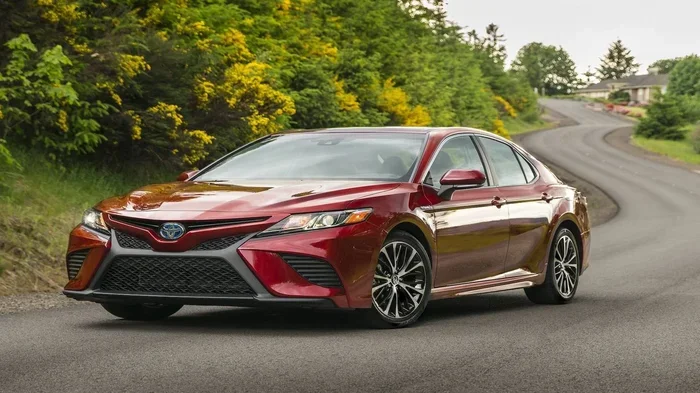
Several organizations publish vehicle reliability ratings. Consumer Reports, J.D. Power, and RepairPal all provide valuable data. Look for vehicles with above-average reliability scores. Pay attention to common problems reported by owners. No car is perfect. But some brands have far fewer recurring issues than others. The Toyota Camry, for example, consistently scores high in reliability surveys. The Honda CR-V is another popular choice known for lasting many years.
Buy Used with a Full History
One of the smartest ways to own a long-lasting car is to buy used. A three-to-five-year-old vehicle has already experienced the steepest depreciation. You get more value for your money. Just make sure you get a full vehicle history report. Services like Carfax and AutoCheck provide accident and maintenance records. Look for cars with consistent service history and clean titles. A well-documented used car often outlasts a new one because the previous owner absorbed the early depreciation.
Get a Pre-Purchase Inspection
Never buy a used car without a professional inspection. A qualified mechanic can spot hidden problems. They check the engine, transmission, suspension, and electrical systems. This inspection typically costs between $100 and $200. It could save you thousands in unexpected repairs. The mechanic will also give you an honest assessment of the vehicle’s remaining lifespan. Use this information to negotiate the price or walk away from a bad deal.
The Cost of Owning a Long-Lasting Car
Long-lasting vehicles often come with a higher price tag. But the true cost of ownership tells a different story. Let us compare the numbers.
Upfront Cost vs. Long-Term Savings
A Toyota Camry might cost $5,000 more than a comparable model from a less reliable brand. But that Camry could easily last 250,000 miles. The less reliable car might need major repairs at 120,000 miles. Over 15 years of ownership, the Camry could save you thousands. You avoid expensive repair bills and replacement costs. The higher initial investment pays for itself many times over.
Insurance and Depreciation
Reliable vehicles also hold their value better. Depreciation is the biggest cost of car ownership. A car that retains value saves you money when it is time to sell or trade in. Insurance costs also factor into the equation. Some reliable models qualify for lower insurance premiums. Check with your insurance provider before making a purchase decision. The monthly savings on insurance can be significant over the life of the vehicle.
| Vehicle | Avg. Lifespan | Avg. Annual Repair Cost | 5-Year Depreciation |
|---|---|---|---|
| Toyota Land Cruiser | 300,000+ miles | $450 | 35% |
| Honda Accord | 250,000+ miles | $500 | 40% |
| Toyota Prius | 250,000+ miles | $400 | 38% |
| Ford F-250 | 250,000+ miles | $650 | 42% |
| Chevrolet Silverado | 200,000 miles | $700 | 45% |
As you can see from the table, reliable vehicles consistently show lower repair costs and slower depreciation. The numbers speak for themselves when comparing what car has the longest lifespan across different brands and models.
Common Mistakes That Shorten Your Car’s Life
There are habits that quietly destroy your vehicle. Avoiding these mistakes can add years to your car’s life.
Ignoring Dashboard Warning Lights
Your dashboard is packed with sensors designed to protect your engine. When a warning light appears, do not ignore it. The check engine light could signal a minor issue or a major problem. Either way, early diagnosis saves money. A small sensor failure can lead to poor fuel economy and engine damage if left unaddressed.
Skipping Oil Changes
Old oil becomes contaminated with metal particles and sludge. It loses its lubricating properties. Running on old oil causes increased friction and heat inside the engine. This accelerates wear on critical components. Oil changes are the single most important maintenance task you can perform. Do not stretch the interval beyond what the manufacturer recommends.
Neglecting Tire Maintenance
Tires are the only part of your car that touches the road. Proper tire pressure improves fuel economy and handling. It also prevents uneven wear that can lead to premature tire replacement. Rotate your tires every 5,000 to 7,500 miles. Check the alignment annually. Worn tires affect braking distance and safety. They also put extra strain on your suspension system.
Expert Insights on Vehicle Longevity
We spoke with several automotive mechanics and industry experts about what makes cars last. Their insights reinforce the importance of simple, consistent care.
“The vehicles that last the longest are the ones that receive regular maintenance on schedule,” says Mark Jennings, a master technician with over 25 years of experience. “I see cars come in with 300,000 miles that have never had a major repair. Then I see cars with 80,000 miles falling apart because the owner skipped basic services.”
Another mechanic, Sarah Chen, emphasizes the importance of using quality parts. “Cheap replacement parts might save money upfront,” she explains. “But they often wear out faster and can cause cascading problems. Investing in OEM or quality aftermarket parts pays off in the long run.”
These expert opinions align with what the data shows. The cars with the longest lifespans are not necessarily the most expensive. They are the ones that receive consistent, quality care throughout their ownership.
Key Takeaways
- Toyota and Honda dominate longevity rankings: Their vehicles consistently reach 250,000+ miles with basic care.
- Regular maintenance is the single biggest factor: Oil changes, fluid replacements, and timely repairs prevent costly breakdowns.
- Driving habits directly impact vehicle lifespan: Gentle acceleration, proper warm-ups, and avoiding overloads reduce wear.
- Buy with history in mind: A well-documented used car often outperforms a neglected new one.
- Higher upfront cost can mean lower total ownership cost: Reliable vehicles save money through fewer repairs and better resale value.
- Avoid common mistakes: Ignoring warning lights, skipping oil changes, and neglecting tires shorten your car’s life.
Conclusion
So, what car has the longest lifespan? The answer is clear. Brands like Toyota and Honda produce vehicles engineered for longevity. Models like the Land Cruiser, Accord, and Prius have proven track records spanning decades. But the car brand and model alone do not tell the whole story. Your maintenance habits, driving style, and care decisions shape the actual lifespan of any vehicle.
The best long-lasting car is one that matches your needs and receives proper care. Whether you choose a reliable sedan, a durable SUV, or a hardworking truck, consistency is key. Follow the maintenance schedule. Address small problems before they grow. Drive with awareness and care. These simple practices will keep your vehicle on the road for years to come.
Start your search today with a clear understanding of what makes cars last. Research reliability ratings. Get pre-purchase inspections. Choose a vehicle that fits your lifestyle. The right car, combined with the right habits, will serve you faithfully for hundreds of thousands of miles. Your future self will thank you every time you turn the key and hear that engine start without a hitch.
Frequently Asked Questions
What is the average lifespan of a modern car?
Most modern cars are designed to last between 150,000 and 200,000 miles with regular maintenance. However, well-cared-for vehicles from reliable brands often exceed 250,000 miles. The key factors that determine actual lifespan include maintenance frequency, driving conditions, and the quality of parts used during repairs.
Which car brand has the highest number of long-lasting vehicles?
Toyota consistently ranks as the most reliable car brand for longevity. Honda follows closely behind. Both brands have decades of proven track records for producing vehicles that last well beyond 200,000 miles. Their engines and drivetrains are designed with simplicity and durability in mind, which reduces the number of potential failure points.
Can a low-mileage car last longer than a high-mileage one?
Not necessarily. Cars that sit unused for long periods can develop problems. Seals dry out, fluids degrade, and components can corrode without regular use. A car driven regularly with proper maintenance often lasts longer than one that sits in a garage. Consistent use keeps all systems lubricated and functioning properly.
How often should I change my oil to maximize car lifespan?
Most manufacturers recommend oil changes every 5,000 to 7,500 miles for conventional oil. Synthetic oil can extend this interval to 7,500 to 10,000 miles. Always follow the schedule in your owner’s manual. More frequent changes in severe driving conditions, such as extreme heat or heavy towing, will further protect your engine.
Are luxury cars less reliable than mainstream brands?
Luxury cars often have more complex systems that can be expensive to repair. However, some luxury brands like Lexus (Toyota’s luxury division) are known for exceptional reliability. The key difference is usually the cost of repairs rather than the frequency of breakdowns. Simple, well-maintained luxury vehicles can last just as long as mainstream cars.
What is the best way to find a long-lasting used car?
Start by researching reliability ratings from trusted sources like Consumer Reports and RepairPal. Look for vehicles with documented maintenance history. Always get a pre-purchase inspection from an independent mechanic. Choose cars with clean titles and no accident history. These steps dramatically increase your chances of finding a reliable long-term vehicle.