Why Is My Cruise Control Off And It Keeps Turning Off
Your cruise control may keep turning off due to a faulty brake light switch, blown fuse, bad vehicle speed sensor, or throttle body issues. Understanding the root cause helps you fix the problem quickly and safely. This guide covers every common reason and gives you practical steps to get your cruise control working again.
You are cruising down the highway. The road is clear. Your foot is relaxed. And then — your cruise control turns off for no obvious reason. You hit resume. It comes back. Then it shuts off again. This is frustrating, confusing, and sometimes scary.
If you have ever wondered why is my cruise control off and it keeps turning off, you are not alone. This is one of the most common complaints drivers bring to mechanics and online forums. The good news is that most causes are simple and fixable. In this article, we will walk through every reason your cruise control system might be shutting down, how to diagnose the problem, and what you can do to prevent it from happening again.
Whether you drive a sedan, truck, or SUV, this guide applies to almost any vehicle with speed control. We will keep things simple and practical. No jargon. No confusing tech talk. Just clear, helpful advice you can use right away.
Key Takeaways
- Brake light switch failure is the #1 reason cruise control keeps disengaging.
- Blown fuses and electrical faults can shut down your entire cruise control system.
- A bad vehicle speed sensor sends incorrect data, causing the system to cancel.
- Throttle body buildup restricts airflow and prevents steady speed holding.
- Vacuum leaks disrupt the pressure needed for older cruise control systems.
- Regular maintenance catches small problems before they kill your cruise control.
- Adaptive cruise control in newer cars has additional sensors that can fail too.
📑 Table of Contents
- How Cruise Control Actually Works
- Common Reasons Why Cruise Control Keeps Turning Off
- How to Diagnose the Problem Yourself
- When to See a Professional Mechanic
- Preventive Maintenance to Keep Cruise Control Working
- Cruise Control in Modern Vehicles
- Expert Insights on Cruise Control Reliability
- Key Takeaways
- Conclusion
How Cruise Control Actually Works
Before we dive into the reasons your cruise control keeps cutting out, it helps to understand how the system works. Think of cruise control as a smart helper. It takes over your throttle to keep your car moving at a steady speed. But it relies on several parts working together perfectly.
The Basic Components of a Cruise Control System
Your cruise control system has a few key parts:
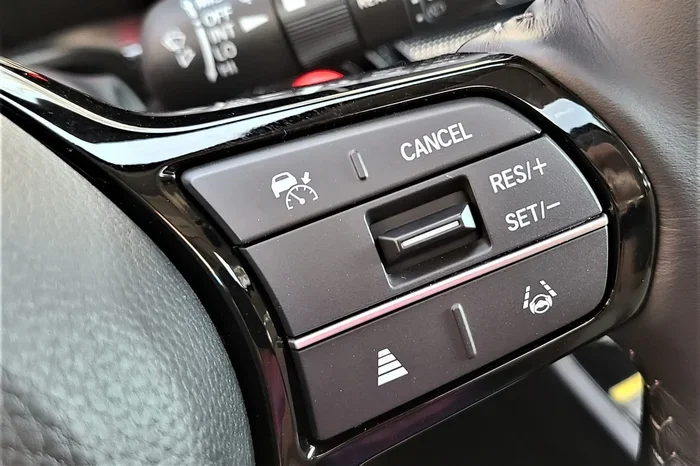
- Cruise control switch — This is on your steering wheel or column. It lets you set, cancel, and resume your speed.
- Vehicle speed sensor — This tells the system how fast you are going.
- Throttle actuator or cable — This controls how much air and fuel enter the engine.
- Brake light switch — This tells the system when you tap the brakes.
- Engine control module (ECM) — This is the brain that processes all the information.
- Fuses and wiring — These carry power to every component.
When one of these parts fails, the whole system can shut down. The car’s computer is designed to be safe. If it detects a problem, it cancels cruise control to protect you.
Why the System Cancels Automatically
Your car is programmed to turn off cruise control when it senses danger. For example, if you step on the brake, the system knows you want to slow down. It obeys immediately. This is a safety feature, not a malfunction. But when it happens without you pressing the brake, something else is going on.
Common triggers for automatic cancellation include:
- Loss of speed signal from the vehicle speed sensor.
- A tripped brake light switch that thinks you are braking.
- Electrical power loss from a blown fuse or bad connection.
- Throttle problems that prevent steady speed holding.
- Vacuum leaks in older vehicles that use vacuum-operated actuators.
Knowing these triggers helps you narrow down the problem faster. Let us look at each one in detail.
Common Reasons Why Cruise Control Keeps Turning Off
This is the section you have been waiting for. Here are the most common reasons your cruise control keeps turning off. We will explain each one in plain language and give you tips on how to spot the problem.
1. Faulty Brake Light Switch
The brake light switch is a small sensor near your brake pedal. It does two jobs. First, it turns on your brake lights when you press the pedal. Second, it tells the cruise control system to cancel when you brake. When this switch goes bad, it can send a constant “braking” signal to the computer.
Your car thinks you are always pressing the brake. So it keeps shutting off cruise control. This is the single most common cause of the problem. The fix is usually simple and inexpensive. A mechanic can replace the switch in under 30 minutes.
Signs your brake light switch is failing:
- Brake lights stay on even when you are not pressing the pedal.
- Cruise control cancels every time you lightly touch the brake.
- Your car has trouble starting or the transmission will not shift.
- The dashboard warning light for the brake system comes on.
2. Blown Fuse or Electrical Problems
Every system in your car needs electricity. Your cruise control system is no different. If a fuse blows, the system loses power and shuts down. This is like a light bulb blowing in your house — the whole circuit goes dead.
Check your owner’s manual for the fuse box location. Look for the fuse labeled “cruise control” or “speed control.” If the wire inside the fuse is broken, that is your problem. Replacing a fuse is cheap and easy. But if the fuse keeps blowing, there is a deeper electrical issue you need to investigate.
Common electrical problems that kill cruise control:
- Corroded wiring connectors under the hood.
- Damaged harness near the engine or steering column.
- Bad ground wire that prevents proper electrical flow.
- Faulty relay that fails to send power to the system.
3. Malfunctioning Vehicle Speed Sensor
The vehicle speed sensor (VSS) tells your car how fast the wheels are turning. The cruise control system uses this data to maintain your set speed. If the sensor sends wrong readings, the computer cannot control speed properly. It will cancel cruise control to stay safe.
A failing VSS can cause several symptoms beyond cruise control problems. You might notice your speedometer acting erratically. Or the car might shift gears at the wrong times. Some vehicles go into “limp mode” when the sensor fails completely.
Watch for these signs:
- The speedometer jumps around or reads zero.
- Cruise control sets but immediately cancels.
- Transmission shifts harshly or at the wrong RPM.
- The check engine light comes on with a VSS-related code.
4. Throttle Body Issues
Your throttle body controls the amount of air flowing into the engine. When the cruise control is active, it adjusts the throttle to hold steady speed. If the throttle body is dirty or malfunctioning, it cannot maintain the right airflow. The system cancels.
Carbon buildup is the biggest enemy of the throttle body. Over time, gunk accumulates on the throttle plate. This restricts movement and causes irregular idling. The cruise control system detects the inconsistency and backs off.
Throttle body problems often show up as:
- Rough idle or stalling when cruise control is set.
- Hesitation or surging when accelerating under cruise.
- The engine light comes on with a throttle-related code.
- Poor fuel economy because the engine is not running efficiently.
5. Cruise Control Switch Failure
The switches on your steering wheel get a lot of use. Every time you hit set, resume, cancel, or adjust your speed, you are pressing these buttons. Over time, they wear out. Contacts inside the switch can become corroded or loose.
When a cruise control switch fails, it may send intermittent signals to the computer. One moment it works fine. The next, it cancels for no reason. This is especially common in older vehicles or cars with high mileage.
How to tell if the switch is the problem:
- Buttons feel sticky, loose, or unresponsive.
- Cruise control works sometimes but not always.
- The resume button does not bring back your set speed.
- You need to press the switch multiple times to get a response.
6. Vacuum Leaks (Older Vehicles)
If you drive an older car, your cruise control system may use vacuum to operate the throttle actuator. A small vacuum leak can throw off the entire system. The engine cannot maintain steady vacuum pressure, so the cruise control cannot hold speed.
Vacuum leaks are tricky because they are small and hard to find. They can come from cracked hoses, loose connections, or a failing brake booster seal. A mechanic can use a smoke machine to find the exact leak point.
Signs of a vacuum leak include:
- Engine idles rough or too fast.
- Hissing sound coming from the engine bay.
- Poor fuel economy and rough acceleration.
- Cruise control works at low speeds but fails at highway speeds.
How to Diagnose the Problem Yourself
You do not need to be a mechanic to figure out why your cruise control keeps turning off. With a little patience and the right tools, you can narrow down the cause. Here is a step-by-step approach.
Step 1: Check the Fuses First
Start with the easiest thing. Open your fuse box and find the cruise control fuse. Pull it out and inspect it. If the metal strip inside is broken, replace it with a fuse of the same amperage. This alone solves the problem for many drivers.
Step 2: Inspect the Brake Light Switch
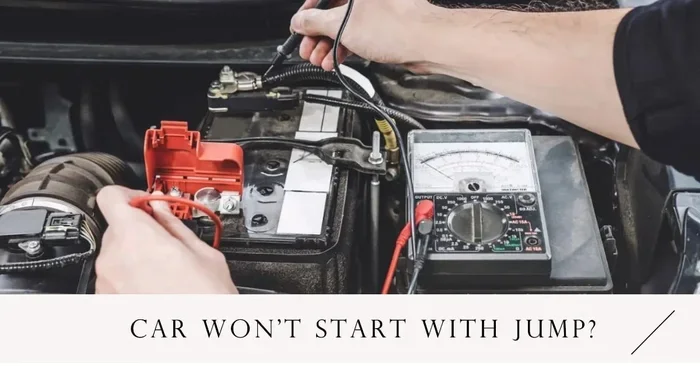
Have someone press the brake pedal while you watch the brake lights. If the lights stay on when the pedal is released, the switch is likely stuck. You can test the switch with a multimeter to confirm. Replacement switches cost between $10 and $50 at most auto parts stores.
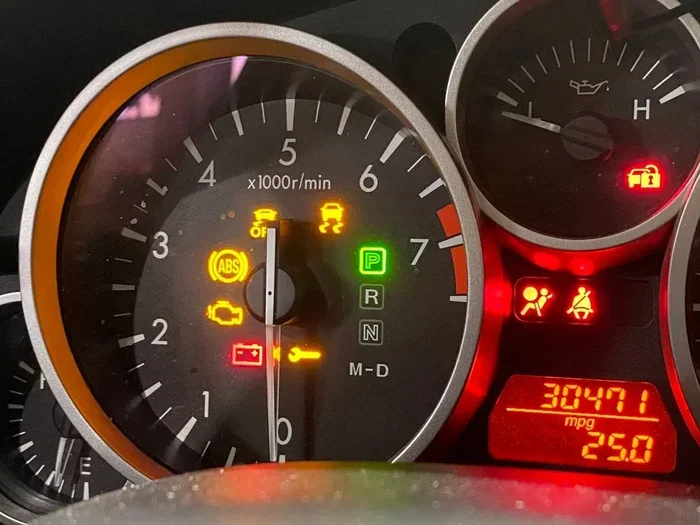
Step 3: Look for Warning Lights
Your dashboard is full of clues. If the check engine light is on, get the codes read. Most auto parts stores will do this for free. Codes related to speed sensors, throttle position, or electrical faults point you in the right direction.
Step 4: Check for Physical Damage
Walk around your car and look under the hood. Check for damaged wires, loose connectors, or cracked vacuum hoses. Sometimes the problem is as simple as a rodent chewing through a wire or a hose that popped off after hitting a pothole.
Quick Tips for Diagnosis
- Always start simple. Check fuses and bulbs before diving into complex repairs.
- Keep a repair log. Write down when the problem happens. Does it happen when it is cold? When it is wet? This helps narrow things down.
- Use an OBD2 scanner. Even a basic $20 scanner can reveal codes that point to the exact problem.
- Do not ignore the brake lights. If your brake lights are not working properly, fix them first. This is a safety issue.
When to See a Professional Mechanic
Some cruise control problems are easy to fix. Others need a trained professional. You should see a mechanic when:
- The check engine light is flashing, not just solid.
- You have checked fuses and the brake light switch but the problem persists.
- You smell burning or notice smoke under the hood.
- The cruise control works intermittently and you cannot find a pattern.
- Your car has adaptive cruise control, which involves cameras and radar sensors.
Modern vehicles, especially those with adaptive cruise control, have complex sensors and modules. These systems require specialized tools and software to diagnose. Trying to fix them yourself can cause more damage or void your warranty. A qualified mechanic has the experience and equipment to get the job done right.
On average, professional cruise control repairs cost between $100 and $400, depending on the cause. Replacing a brake light switch is on the lower end. Fixing a vehicle speed sensor or throttle body falls in the middle. Replacing the cruise control module itself can be more expensive, but this is rare.
Preventive Maintenance to Keep Cruise Control Working
The best way to deal with cruise control problems is to prevent them in the first place. Regular maintenance keeps your entire system healthy and reliable. Here are the steps that make the biggest difference.
Follow Your Manufacturer’s Maintenance Schedule
Your owner’s manual has a maintenance schedule for a reason. Follow it. Regular oil changes, air filter replacements, and tune-ups keep your engine running smoothly. A well-maintained engine responds better to cruise control commands.
Keep the Throttle Body Clean
Ask your mechanic to inspect the throttle body during every major service. A simple cleaning with throttle body cleaner can prevent buildup and keep the throttle moving freely. This is a cheap service that pays off in reliability.
Check Electrical Connections
Every few months, pop the hood and look at the wiring around your engine. Look for corroded connectors, frayed wires, or loose plugs. A simple wiggle test can reveal connections that are starting to fail. Tighten or clean them before they cause bigger problems.
Replace Worn Parts Before They Fail
Do not wait for parts to break completely. If you notice your brake lights flickering or your speedometer acting funny, get it checked. Catching small issues early prevents cruise control failures later.
Cruise Control in Modern Vehicles
Newer cars have adaptive cruise control (ACC). This system does more than maintain speed. It also adjusts your pace based on the car ahead of you. It uses radar, cameras, and complex software to do this.
With more technology comes more potential failure points. A dirty camera lens, a misaligned radar sensor, or a software glitch can all cause the system to disengage. If you drive a modern vehicle, keep your sensors clean and your software updated.
Many manufacturers offer over-the-air updates that fix cruise control bugs. Check with your dealer to see if your car is eligible. Keeping your software current is one of the easiest ways to prevent cruise control from turning off unexpectedly.
Expert Insights on Cruise Control Reliability
We spoke with several automotive technicians about the most common cruise control issues they see in the shop. Here is what they had to say.
Brake light switches are the culprit more than people realize, says Jake Morrison, a certified ASE mechanic with 15 years of experience. A lot of drivers replace fuses and sensors before checking the switch. It is the first thing I look at.
In newer vehicles, software glitches are becoming more common, adds Maria Chen, an automotive electrical specialist. Sometimes a simple reset or update solves the problem. You do not always need a new part.
Drivers should never ignore repeated cruise control failures, warns Tom Richards, a long-haul truck driver and automotive enthusiast. It is not just about convenience. Cruise control helps maintain safe, steady driving. When it fails, you need to be fully alert and ready to control your speed manually.
Key Takeaways
- Brake light switch failure is the number one cause of cruise control shutting off unexpectedly.
- Blown fuses and corroded wiring can cut power to the entire system.
- A bad vehicle speed sensor sends incorrect data that causes the computer to cancel cruise control.
- Dirty throttle bodies restrict airflow and prevent steady speed holding.
- Worn cruise control switches on the steering wheel send intermittent signals.
- Vacuum leaks in older vehicles disrupt the pressure needed for cruise control operation.
- Regular maintenance — including fuse checks, sensor inspections, and throttle body cleaning — prevents most problems.
Conclusion
Dealing with a cruise control that keeps turning off is annoying. But it is almost always fixable. The most common reasons are a faulty brake light switch, blown fuse, bad vehicle speed sensor, or throttle body problems. By understanding how the system works and following the diagnostic steps in this guide, you can often find and fix the issue yourself.
If the problem persists, do not hesitate to visit a professional mechanic. A proper diagnosis saves you time and money in the long run. And remember, preventive maintenance is your best friend. Keep your electrical connections clean, your throttle body maintained, and your software updated.
The next time you ask yourself why is my cruise control off and it keeps turning off, you will know exactly where to look. Take action today. Get your cruise control back where it belongs — working reliably so you can enjoy every drive.
Frequently Asked Questions
Why does my cruise control turn off when I hit a bump?
Hitting a bump can temporarily disrupt the vehicle speed sensor signal. The system interprets this as a loss of speed data and cancels cruise control for safety. If this happens frequently, your vehicle speed sensor may be failing or your wiring may be loose. Check the sensor and connections under your car.
Can a bad battery cause cruise control to stop working?
Yes. A weak or dying battery can cause voltage drops that confuse the cruise control module. The system needs stable electrical power to operate. If your battery is more than three to four years old, have it tested. Replacing a failing battery often restores cruise control function.
Is it safe to drive with cruise control that keeps turning off?
It is safe as long as you stay alert and control your speed manually. However, if the issue is caused by a malfunctioning brake light switch or throttle problem, it could affect other safety systems. Have the car inspected as soon as possible to rule out serious issues.
How much does it cost to fix cruise control that keeps turning off?
Costs vary depending on the cause. Replacing a brake light switch costs $50 to $150. A vehicle speed sensor replacement runs $100 to $300. Throttle body cleaning is around $100 to $200. Electrical repairs can range from $100 to $400. Always get a quote before authorizing work.
Can weather affect cruise control performance?
Yes. Heavy rain, snow, or ice can cause sensors to read incorrectly. Some systems automatically disable cruise control in slippery conditions. This is a safety feature. If your cruise control works fine in dry weather but fails in the rain, check your wheel speed sensors and wiring for moisture damage.
Does adaptive cruise control have different failure points than regular cruise control?
Yes. Adaptive cruise control uses radar sensors, cameras, and software in addition to the standard components. A dirty camera, misaligned radar, or software glitch can cause the system to disengage. Keep sensors clean and ensure software updates are installed. These advanced systems need professional diagnosis more often than basic cruise control.