What Does It Mean If Your Car Wont Let You Turn the Key
When your car won’t let you turn the key, it usually points to a steering lock, ignition issue, or transmission problem. This frustrating situation can happen to anyone, but most causes are simple and fixable at home. Understanding the root reason saves time, money, and unnecessary stress.
Key Takeaways
- Steering wheel lock is the most common reason your key won’t turn in the ignition.
- A worn or damaged key can physically prevent the lock cylinder from engaging.
- Transmission position matters — if your car isn’t fully in Park, the key won’t turn.
- Ignition switch failure is a more serious issue that may need professional repair.
- Anti-theft immobilizer systems can block the key if the system doesn’t recognize it.
- Simple fixes like jiggling the wheel or checking the gear shift solve most problems.
- Knowing when to call a locksmith or mechanic prevents costly DIY mistakes.
📑 Table of Contents
- What Does It Mean If Your Car Wont Let You Turn the Key
- The Steering Wheel Lock Is Engaged
- The Key Is Worn or Damaged
- The Transmission Isn’t in the Right Position
- The Ignition Switch or Cylinder Is Failing
- The Anti-Theft Immobilizer Is Blocking the Key
- A Dead Battery Can Cause Key Turn Problems
- Comparison Table: Common Causes and Fixes
- Expert Insights on Ignition Problems
- When to Call a Professional
- Key Takeaways
- Conclusion
What Does It Mean If Your Car Wont Let You Turn the Key
You’re standing by your car, ready to head out. You put the key in the ignition and push down — nothing. The key simply won’t turn. It’s one of those moments that can ruin your morning before it even starts. So what does it mean if your car won’t let you turn the key?
The short answer is that several things could be going on. Some are easy fixes you can handle yourself. Others point to a deeper mechanical issue that needs professional attention. This guide walks you through every possible reason, gives you practical solutions, and helps you figure out exactly what to do next.
Whether you drive a sedan, SUV, or truck, this problem doesn’t care about your vehicle type. It can strike any car at any time. The good news? You’re in the right place to understand why it happens and how to fix it.
Why Your Car Might Not Let You Turn the Key
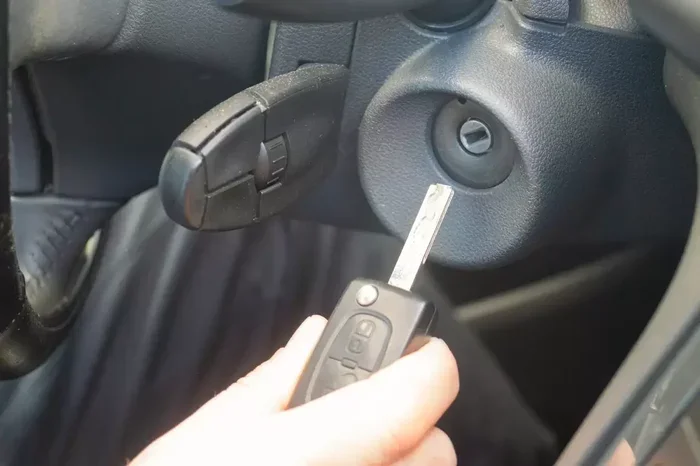
Before diving into each cause, it helps to understand the basic system at work. When you insert your key and turn it, you’re engaging the ignition lock cylinder. This cylinder connects to the ignition switch, which sends power to your car’s electrical systems. A steering column lock also engages when the key is removed, preventing theft.
When something goes wrong in this chain, the key won’t turn. The problem could be mechanical, electrical, or even user-related. Let’s break down each possibility.
The Steering Wheel Lock Is Engaged
This is the number one reason people can’t turn their key. When you remove the key from the ignition, a steering wheel lock engages automatically. It’s a security feature designed to make your car harder to steal. But sometimes it locks up too tightly, and the key gets stuck.
Here’s what to do. First, try gently wiggling the steering wheel left and right while simultaneously trying to turn the key. You should feel the wheel “pop” free after a few moments. Once the lock releases, the key turns normally.
Quick Tip: Never force the key. If the steering wheel is locked hard, pushing too hard on the key can bend or break it inside the cylinder. That creates a much bigger problem.
How to Tell If the Steering Lock Is the Issue
- The steering wheel feels rigid and won’t move at all.
- You hear a clicking sound when you try to turn the key.
- The key goes in but won’t rotate.
- The problem started after you turned off the car and removed the key.
If any of these sound familiar, the steering lock is almost certainly your culprit. This is one of the most common ignition problems drivers face, and it’s also one of the easiest to resolve.
The Key Is Worn or Damaged
Keys wear out over time. Every time you insert and turn your key, the ridges grind against the ignition lock cylinder. After years of use, those ridges flatten out. A worn key simply doesn’t match the cylinder’s tumblers anymore, and it can’t turn.
Look at your key closely. Do you see any bends, cracks, or worn-down teeth? If the key looks different from when you first got it, that’s a strong sign the key itself is the problem.
Quick Tip: Keep a spare key on hand. If your primary key is worn, a fresh spare often solves the issue immediately. Just make sure the spare is a genuine duplicate, not a cheap copy from a hardware store.
When a Worn Key Needs Replacement
If wiggling the key gently makes it turn sometimes but not always, the key is on its way out. Ignoring this will eventually leave you stranded. A key replacement from a dealer or locksmith costs much less than repairing a damaged ignition cylinder.
Also, avoid using keys with heavy keychains or attachments. The extra weight puts stress on the key’s internal structure and accelerates wear. Your key should hang loosely in the ignition without any extra weight pulling on it.
The Transmission Isn’t in the Right Position
Many cars have a neutral safety switch that prevents the key from turning unless the transmission is in Park or Neutral. If your gear shift isn’t fully seated in Park, the ignition won’t engage. This is a simple fix that catches a lot of people off guard.
Try this: push the gear shift firmly into Park, then try turning the key again. If you have a manual transmission, make sure the clutch pedal is fully pressed down.
Quick Tip: Always shift to Park before turning off your engine. This prevents the gear from being stuck in a position that blocks the key later.
Common Gear Shift Problems That Cause This Issue
- The shifter feels loose or doesn’t click firmly into Park.
- The car was parked on a slope, and the gear shifted slightly overnight.
- The neutral safety switch is faulty and needs replacement.
- You have a manual transmission and didn’t fully depress the clutch.
If jiggling the gear shift while turning the key solves the problem, the transmission position sensor might be wearing out. A mechanic can check this for you affordably.
The Ignition Switch or Cylinder Is Failing
The ignition switch is the electrical component behind the lock cylinder. When it fails, it can prevent the key from turning or stop power from reaching your car’s systems. This is a more serious issue than a steering lock or worn key.
Signs of a failing ignition switch include:
- The key turns partially but gets stuck.
- Your dashboard lights flicker or don’t come on.
- The car starts sometimes but not consistently.
- You need to jiggle the key aggressively to get it to work.
If you notice these symptoms, don’t ignore them. A failing ignition switch can leave you stranded unexpectedly. Car ignition repair or ignition switch replacement is usually straightforward for a qualified mechanic.
Ignition Switch vs. Ignition Lock Cylinder
People often confuse these two parts. The lock cylinder is the physical hole where you insert the key. The ignition switch is the electrical component behind it. A problem with the cylinder affects the key physically. A problem with the switch affects the electrical system.
Telling them apart matters for repair costs. A lock cylinder replacement is generally less expensive than an ignition switch replacement. A professional can diagnose which part is failing and recommend the right fix.
The Anti-Theft Immobilizer Is Blocking the Key
Modern cars come equipped with immobilizer systems that prevent the engine from starting unless the key is recognized. If your car has this system and it doesn’t recognize the key, it may physically prevent you from turning it.
This usually happens when:
- The key fob battery is dead (in push-button start vehicles).
- The key’s transponder chip is damaged or unprogrammed.
- The immobilizer module has a glitch after a battery change.
- You’re using a duplicate key that wasn’t properly programmed.
Quick Tip: For push-button start cars, hold the key fob directly against the start button. Even with a low battery, the car can often read the fob this way. Check your owner’s manual for the exact location.
What to Do When the Immobilizer Blocks Your Key
First, try replacing the key fob battery. This is a cheap and easy fix that solves the problem in many cases. If that doesn’t work, try a spare key. If the spare key works, the original key’s transponder chip may need reprogramming.
In rare cases, the immobilizer module itself needs professional attention. This is more common in older vehicles or after a recent battery disconnect. A dealership or qualified auto electrician can reset or reprogram the system.
A Dead Battery Can Cause Key Turn Problems
While a completely dead battery usually prevents starting rather than turning the key, a low battery can cause electrical gremlins. The ignition switch needs power to operate certain components. Without enough juice, the system may resist the key turning.
If your dashboard lights are dim or flickering, and the key feels stiff, a weak battery might be contributing to the problem. Car battery replacement is inexpensive and often prevents a cascade of electrical issues.
Other Electrical Issues That Affect Key Turning
- Corroded wiring in the ignition system.
- A blown fuse related to the ignition circuit.
- Loose connections under the steering column.
- Damaged wiring harness from previous repairs.
These issues are less common but worth considering if none of the simpler fixes work. An experienced mechanic can trace electrical problems with diagnostic tools and resolve them efficiently.
Comparison Table: Common Causes and Fixes
| Cause | Difficulty to Fix | Cost Range | DIY Friendly? |
|---|---|---|---|
| Steering wheel lock engaged | Very Easy | Free | Yes |
| Worn or damaged key | Easy | $10-$50 | Yes |
| Transmission not in Park | Very Easy | Free | Yes |
| Faulty ignition switch | Moderate | $100-$300 | No |
| Worn ignition lock cylinder | Moderate | $150-$400 | No |
| Anti-theft immobilizer issue | Moderate | $20-$200 | Sometimes |
| Dead or weak battery | Easy | $50-$150 | Yes |
Expert Insights on Ignition Problems
Prevention is always better than repair. Experienced mechanics recommend a few habits that keep your ignition system healthy for years.
First, don’t use your ignition key as a bottle opener or tool. It puts unnecessary stress on the key’s shape and the cylinder’s internal tumblers. Second, address stiffness or resistance early. If your key starts feeling harder to turn, don’t wait. Get it checked before it becomes a full lockout situation.
Pro Tip: Spray a small amount of graphite lubricant into the ignition cylinder once or twice a year. This keeps the internal mechanisms smooth and reduces wear. Never use WD-40 or oil-based lubricants, as they can attract dust and gum up the cylinder over time.
Another common mistake is forcing the key when it won’t turn. This is the fastest way to break a key inside the ignition. If the key isn’t turning, stop and work through the troubleshooting steps above. Patience saves you from expensive repairs.
When to Call a Professional
Most of the causes we’ve covered can be handled at home. But some situations call for expert help. If you’ve tried wiggling the steering wheel, checking the gear shift, and using a spare key with no success, it’s time to call in reinforcements.
Also seek professional help if:
- The key is broken inside the ignition cylinder.
- You notice a burning smell or smoke near the steering column.
- The car starts but immediately stalls.
- Multiple electrical systems are failing alongside the key issue.
A qualified locksmith or mechanic has the tools and expertise to extract broken keys, replace cylinders, and diagnose electrical faults safely. Trying to force a broken key out yourself can damage the cylinder further and increase repair costs significantly.
Key Takeaways
- Steering wheel lock is the most common reason your key won’t turn in the ignition.
- A worn or damaged key can physically prevent the lock cylinder from engaging.
- Transmission position matters — if your car isn’t fully in Park, the key won’t turn.
- Ignition switch failure is a more serious issue that may need professional repair.
- Anti-theft immobilizer systems can block the key if the system doesn’t recognize it.
- Simple fixes like jiggling the wheel or checking the gear shift solve most problems.
- Knowing when to call a locksmith or mechanic prevents costly DIY mistakes.
Conclusion
So what does it mean if your car won’t let you turn the key? In most cases, it means something simple is blocking the ignition — a locked steering wheel, a worn key, or the wrong gear position. These issues are quick to identify and easy to fix once you know what to look for.
More serious causes like a failing ignition switch or immobilizer problem are less common but still manageable with professional help. The key is to stay calm, work through the possibilities systematically, and avoid forcing anything.
Understanding your car’s ignition system gives you confidence the next time this happens. You’ll know exactly what to check and what to fix. And when the problem is beyond a simple solution, you’ll know precisely when to call for help.
Keep this guide saved for the next time your key refuses to turn. A little knowledge goes a long way toward getting back on the road quickly and safely.
Frequently Asked Questions
Why won’t my key turn when I try to start my car?
The most common reason is an engaged steering wheel lock. Try wiggling the steering wheel gently while turning the key. If that doesn’t work, check that your transmission is fully in Park. These two fixes solve the problem in most cases.
Can a dead car battery prevent the key from turning?
A dead battery usually prevents starting rather than key turning. However, a weak battery can cause electrical issues that make the ignition feel stiff. If your dashboard lights are dim and the key is hard to turn, the battery may be contributing to the problem.
How much does it cost to replace an ignition lock cylinder?
The cost typically ranges from $150 to $400 depending on your vehicle make and model. Labor makes up most of the cost. Some locksmiths offer mobile services that can replace the cylinder at your location, which adds convenience and sometimes saves money.
Is it safe to force the key if it won’t turn?
No, forcing the key is never safe. It can bend, break, or damage the ignition cylinder. A broken key inside the cylinder creates a much more serious problem that requires professional extraction. Always troubleshoot gently first.
What should I do if my key breaks off in the ignition?
Don’t panic and don’t try to pull it out with tweezers or pliers. Call a locksmith or mechanic who has specialized tools for key extraction. They can remove the broken piece and either repair or replace the cylinder without causing further damage.
How can I prevent my car from not letting me turn the key in the future?
Use your key gently, avoid heavy keychains, and shift to Park before turning off the engine. Spraying graphite lubricant into the ignition cylinder once or twice a year keeps the mechanism smooth. Address any stiffness or resistance immediately before it becomes a full lockout.