What Does Transmission Malfunction Mean on Your BMW
A transmission malfunction warning on your BMW means the system has detected a problem with your gearbox or its electronic components. This alert can appear for many reasons, from low transmission fluid to a faulty sensor. Understanding what triggers this warning and how to respond quickly can save you from expensive repairs and keep your BMW running smoothly.
You are driving your BMW down the highway, and suddenly a yellow or red warning light pops up on your dashboard. The message reads “Transmission Malfunction.” Your heart drops. What does this mean? Is your car about to break down? Should you pull over right now?
Don’t panic just yet. A transmission malfunction warning on a BMW does not always mean disaster. In many cases, it signals a problem that can be fixed relatively easily if you address it quickly. But here is the thing: you should never ignore this warning. Your BMW’s transmission is one of the most complex and expensive components to repair. Understanding what this message means can save you time, money, and a lot of stress.
This guide will walk you through everything you need to know. We will cover the common causes, the symptoms to watch for, and the best steps to take when this warning appears. Whether you drive a BMW 3 Series, 5 Series, or X5, this article has you covered. Let us dive in.
Key Takeaways
- Transmission malfunction on a BMW signals a detected issue within the gearbox or its electronic systems.
- Common causes include low transmission fluid, faulty sensors, and worn clutch packs.
- Limp mode is a safety feature that limits your speed when a transmission problem is detected.
- BMW transmission warning lights should never be ignored, as they can indicate serious underlying issues.
- Regular BMW maintenance including fluid changes can prevent many transmission problems.
- DIY fixes like resetting the system may help minor issues, but professional diagnosis is often needed.
- Ignoring the warning can lead to complete transmission failure and very expensive repairs.
📑 Table of Contents
- What Does Transmission Malfunction Mean on a BMW?
- Common Causes of Transmission Malfunction Warnings
- Warning Signs and Symptoms to Watch For
- What to Do When the Warning Appears
- Preventing Transmission Problems in Your BMW
- BMW Transmission Maintenance Schedule
- How Much Does BMW Transmission Repair Cost?
- When to See a Professional vs. DIY Fixes
- Key Takeaways
- Conclusion
- FAQs
What Does Transmission Malfunction Mean on a BMW?
When your BMW displays a “Transmission Malfunction” message, it means the car’s computer has detected a problem within the transmission system. The BMW uses an advanced electronic control unit to monitor every aspect of your gearbox. When something goes wrong, the system triggers a warning to alert you.
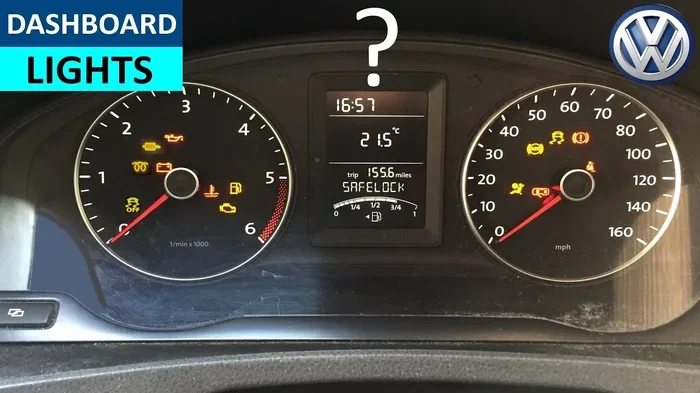
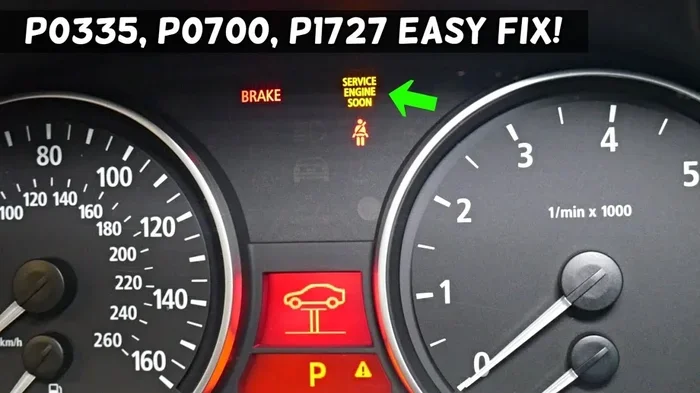
The warning can appear in different forms. Sometimes it shows up as a text message on the dashboard display. Other times, it appears as a yellow or red warning light shaped like a gear. The color of the light often indicates how serious the problem is.
A yellow light usually means there is a non-critical issue. You can still drive, but you should get your BMW checked soon. A red light is more serious. It means you should stop driving immediately and seek help. Either way, this warning deserves your attention.
How the BMW Transmission System Works
To understand the malfunction message, it helps to know a little about how your BMW transmission works. Most modern BMWs use an automatic transmission made by ZF. These are 8-speed automatic gearboxes that are known for being smooth and efficient.
The transmission control module is the brain behind the system. It uses sensors to monitor things like gear position, fluid temperature, and clutch engagement. When the module receives data that falls outside normal parameters, it stores an error code and triggers the warning light.
Think of it like a check engine light, but specifically focused on your gearbox. The BMW transmission system is designed to protect itself. When it detects a problem, it may activate limp mode. This limits your car to a lower gear so you can drive to a safe location or a repair shop without causing further damage.
Common Causes of Transmission Malfunction Warnings
There are many reasons why your BMW might display a transmission malfunction message. Some causes are minor and easy to fix. Others are more serious and require professional attention. Let us look at the most common culprits.
Low Transmission Fluid
This is the number one cause of transmission problems in BMWs. Transmission fluid lubricates the gears, clutch packs, and other internal components. It also helps cool the system and transfer power smoothly.
When fluid levels drop, the transmission cannot operate properly. You might notice delayed shifting, grinding gears, or overheating. Low fluid is often caused by a leak somewhere in the system. Common leak points include the transmission pan, seals, and cooler lines.
BMW owners should check their transmission fluid regularly. The fluid should be a clear red color. If it looks dark brown or smells burnt, it is time for a change. Fresh transmission fluid can do wonders for the health of your gearbox.
Faulty Transmission Sensors
Your BMW relies on many sensors to manage the transmission. The transmission speed sensor, input shaft sensor, and output shaft sensor all send data to the control module. When one of these sensors fails, the system cannot read the gear position correctly.
A faulty sensor will often trigger a malfunction warning even if the transmission itself is fine. This is actually good news because sensor replacements are usually inexpensive and straightforward. A BMW diagnostic scan can pinpoint exactly which sensor is causing the problem.
Worn Clutch Packs
Automatic transmissions in BMWs use clutch packs to engage and disengage gears. Over time, these clutches wear down. When they wear too much, you may experience gear slipping, harsh shifting, or the transmission failing to hold a gear.
Worn clutch packs are a sign of a transmission that has seen a lot of mileage or has been subjected to hard driving. This is more common in older BMWs or vehicles that have been used for towing or heavy loads.
Transmission Control Module Issues
The transmission control module, or TCM, manages all the shifting logic in your BMW. If the TCM develops a software glitch or electrical fault, it can trigger a malfunction warning even when the transmission hardware is perfectly fine.
In some BMW models, TCM issues have been known to cause erratic shifting or the transmission getting stuck in one gear. Software updates from the dealer can often resolve these problems. In rare cases, the module itself needs to be replaced.
Torque Converter Problems
The torque converter connects the engine to the transmission. It allows the engine to keep running while the car is stopped. When the torque converter starts to fail, you might notice shuddering, overheating, or a loss of power.
Torque converter problems can be expensive to repair. They often require removing the transmission from the vehicle. This is why it is so important to address transmission warnings early before small issues become big problems.
Transmission Overheating
BMW transmissions generate a lot of heat, especially during heavy use. Towing, driving in hot weather, or stop-and-go traffic can all cause the transmission to overheat.
When the temperature rises too high, the transmission fluid breaks down and loses its protective properties. The system will trigger a malfunction warning to protect the gearbox from further damage. If you notice this warning during hot weather or heavy driving, pull over and let the car cool down.
Warning Signs and Symptoms to Watch For
The “Transmission Malfunction” message is not the only sign of trouble. Your BMW will often give you other clues that something is wrong with the transmission. Learning to recognize these signs early can help you avoid major repairs.
Delayed shifting is one of the most common symptoms. When you accelerate or decelerate, the gears take longer than usual to change. This can feel like a hesitation or a lag between your pedal input and the gear response.
Gear slipping is another red flag. You might feel the transmission briefly lose engagement while driving. The engine may rev higher without a corresponding increase in speed. This is dangerous and should be addressed immediately.
Harsh or jerky shifts can also indicate a problem. A healthy BMW transmission should shift smoothly and seamlessly. If you feel a hard jolt or bang during a gear change, something is not right.
Unusual noises like grinding, whining, or buzzing should never be ignored. These sounds often point to internal damage within the gearbox.
Fluid leaks under your parked BMW are a clear sign of a transmission issue. Transmission fluid is usually red or brown and has a slightly sweet smell. If you see puddles under your car, check the fluid level right away.
The Limp Mode Explained
When your BMW detects a serious transmission problem, it may activate what is commonly called limp mode. This is a protective feature designed to limit your vehicle’s performance and prevent further damage.
In limp mode, your BMW will typically restrict you to second or third gear. The engine RPM will be limited, and the car will not accelerate beyond a certain speed. You will still be able to drive to a repair shop, but you should not push the car hard.
Limp mode can be triggered by a variety of issues, including sensor failures, low fluid, or internal mechanical problems. Once the underlying issue is fixed, limp mode will usually deactivate on its own or after a transmission reset.
What to Do When the Warning Appears
Seeing the transmission malfunction message can be stressful, but knowing what to do will help you handle the situation calmly. Here is a step-by-step approach.
Step 1: Stay Calm and Assess the Situation
First, do not slam on the brakes or make any sudden moves. Check your dashboard to see if there are any other warning lights. Note the color of the transmission warning light. Yellow means proceed with caution. Red means stop safely and turn off the engine.
Step 2: Check Your Transmission Fluid
If it is safe to do so, pull over and check your transmission fluid level. Low fluid is the easiest fix and the most common cause of this warning. If the fluid is low, top it off with the correct type of BMW transmission fluid. You can find the recommended fluid type in your owner’s manual.
Step 3: Reset the System
Sometimes a simple reset can clear the warning, especially if it was triggered by a temporary sensor glitch. Turn the ignition off, wait for about 30 seconds, and then restart the car. If the message disappears, the issue may have been minor. However, do not assume the problem is gone forever.
Step 4: Get a Diagnostic Scan
This is the most important step. Take your BMW to a qualified mechanic or dealer and have them run a diagnostic scan. The scan will read the error codes stored in the transmission control module. These codes will tell you exactly what is wrong and help the technician pinpoint the fix.
Step 5: Do Not Ignore It
This cannot be stressed enough. Do not keep driving with a transmission malfunction warning. Even if the car seems to drive fine, the underlying problem will likely get worse over time. What starts as a simple sensor issue can turn into a full transmission failure if left unchecked.
Preventing Transmission Problems in Your BMW
The best way to deal with a transmission malfunction is to prevent one from happening in the first place. Regular maintenance is the key to a long-lasting BMW transmission.
Change your transmission fluid on schedule. BMW recommends changing the fluid every 30,000 to 60,000 miles, depending on your driving conditions. Check your owner’s manual for the exact interval. Fresh fluid keeps the gears lubricated and the system cool.
Check for leaks regularly. Look under your parked BMW for any fresh puddles. Catching a leak early can prevent fluid loss and subsequent transmission damage.
Avoid aggressive driving. Hard acceleration and sudden braking put extra stress on the transmission. Smooth, gentle driving will extend the life of your gearbox significantly.
Do not ignore small symptoms. If you notice slight delays in shifting or minor noises, get your BMW checked. Catching a small problem early is always cheaper than fixing a big one later.
Keep the transmission filter clean. The filter prevents debris from circulating through the transmission fluid. A clogged filter can restrict fluid flow and cause overheating. Replace the filter during regular service intervals.
BMW Transmission Maintenance Schedule
Following a regular maintenance schedule is one of the best investments you can make for your BMW. Here is a simple overview of what to expect.
- Every 10,000 miles: Check transmission fluid level and condition.
- Every 30,000 miles: Replace transmission fluid and filter.
- Every 60,000 miles: Inspect transmission seals and connections for leaks.
- Every 100,000 miles: Consider a full transmission flush and professional inspection.
Sticking to this schedule will keep your BMW transmission in great shape for years. It will also help you avoid unexpected breakdowns and costly repairs.
How Much Does BMW Transmission Repair Cost?
The cost of repairing a BMW transmission varies widely depending on the problem. A simple sensor replacement might cost between $200 and $400. A transmission fluid change typically runs $150 to $300.
More serious repairs can be much more expensive. Replacing a torque converter can cost anywhere from $1,000 to $2,500. A full transmission rebuild or replacement can range from $3,000 to $7,000 or more.
This is exactly why early detection and regular maintenance matter so much. A small repair bill today can save you thousands of dollars tomorrow. The cost of prevention is always far less than the cost of a major repair.
When to See a Professional vs. DIY Fixes
Not every transmission issue requires a trip to the shop. Some problems can be handled at home if you have basic mechanical skills and the right tools.
DIY-friendly fixes include checking and topping off transmission fluid, resetting the transmission system, and replacing easily accessible sensors. These are relatively simple tasks that most BMW owners can handle with a basic repair manual and some online tutorials.
However, you should always leave complex repairs to the professionals. Internal transmission work, torque converter replacements, and TCM repairs require specialized tools and expertise. Attempting these repairs without proper knowledge can make the problem worse and end up costing more in the long run.
Key Takeaways
- Transmission malfunction on a BMW means the car’s computer has detected a problem in the gearbox or its electronic systems.
- Common causes include low transmission fluid, faulty sensors, worn clutch packs, and torque converter issues.
- Limp mode is a safety feature that limits your speed when a transmission problem is detected.
- BMW transmission warning lights should never be ignored, as they can indicate serious underlying issues.
- Regular BMW maintenance including fluid changes can prevent many transmission problems.
- DIY fixes like resetting the system may help minor issues, but professional diagnosis is often needed.
- Ignoring the warning can lead to complete transmission failure and very expensive repairs.
Conclusion
A transmission malfunction warning on your BMW is a message you should take seriously, but not panic over. It is your car’s way of telling you that something in the gearbox or its electronic system needs attention. By understanding the common causes and symptoms, you can respond quickly and effectively.
Remember that regular BMW maintenance is your best defense against transmission problems. Keep your fluid fresh, check for leaks, and never ignore warning signs. When the malfunction light comes on, follow the steps outlined in this guide. Check the fluid, reset the system, and get a professional diagnostic scan if the warning persists.
Your BMW’s transmission is a sophisticated and expensive component. Treating it with care and attention will keep your car shifting smoothly for many miles to come. Stay proactive, stay informed, and your BMW will reward you with years of reliable performance.
FAQs
Can I keep driving my BMW if the transmission malfunction light is yellow?
Yes, you can drive a short distance if the light is yellow, but you should head to a repair shop as soon as possible. A yellow warning is less urgent than a red one, but it still means something needs attention. Continuing to drive without addressing the issue could make the problem worse and lead to more expensive repairs.
How much does it cost to fix a transmission malfunction on a BMW?
The cost depends entirely on what is causing the problem. Simple fixes like sensor replacements or fluid changes can cost between $150 and $400. More serious repairs like clutch pack replacements or torque converter work can range from $1,000 to $5,000. A diagnostic scan will give you a clearer picture of the actual repair cost.
What is limp mode on a BMW?
Limp mode is a safety feature that limits your BMW’s performance when a serious problem is detected. In limp mode, the car will restrict gear shifts to lower gears and limit engine RPM. This protects the transmission from further damage while you drive to a repair shop. The mode usually deactivates once the underlying issue is fixed.
Can low transmission fluid cause a malfunction warning?
Yes, absolutely. Low transmission fluid is one of the most common causes of the malfunction warning on BMWs. When fluid levels drop, the transmission cannot operate properly, and the system will trigger a warning. Checking and topping off the fluid is always a good first step when this message appears.
How often should I change the transmission fluid in my BMW?
BMW generally recommends changing the transmission fluid every 30,000 to 60,000 miles. However, this can vary based on your driving conditions. If you drive in heavy traffic, tow frequently, or operate in hot climates, you may need to change the fluid more often. Always refer to your owner’s manual for the manufacturer’s specific recommendation.
Will resetting the transmission system fix the malfunction warning?
A reset may temporarily clear the warning if it was triggered by a minor sensor glitch or temporary error. However, if the underlying problem still exists, the warning will likely return. A reset should never be used as a permanent fix. Always get a proper diagnostic scan to identify and address the real cause of the malfunction.