How Do I Find the Country of Origin of My Car Step by Step
Finding the country of origin of your car is easier than you think. Whether you want to verify a vehicle’s history, understand import regulations, or simply satisfy your curiosity, this step-by-step guide will show you exactly how to do it. You will learn how to decode the VIN number, check official documents, use online lookup tools, and identify whether your car was built for a domestic or export market.
Have you ever wondered where your car was really built? The country of origin of a vehicle tells a lot about its history, quality standards, and even its resale value. Whether you bought a used car, imported a vehicle, or just got curious about your daily driver, knowing how to trace its roots is a valuable skill.
The good news is that finding this information is not as hard as it sounds. You do not need to be a mechanic or a car expert. With a few simple steps and the right tools, you can uncover where your car was manufactured. This guide walks you through every method, from reading the VIN to checking official documents and using online databases. By the end, you will feel confident about identifying the country of origin of any vehicle.
Key Takeaways
- VIN decoding is your best starting point: The vehicle identification number holds key clues about where your car was built.
- Check the vehicle documents: The title, registration, and build sheet often reveal the country of origin.
- Use free online tools: VIN lookup websites can quickly identify the manufacturer and assembly plant location.
- Look for the manufacturer label: The compliance label on the door jamb lists the country of manufacture.
- Export and import vehicles differ: Cars built for different markets may have different features and origins.
- Professional services help when stuck: If you cannot find the origin yourself, experts can run a full vehicle heritage check.
📑 Table of Contents
Why Knowing Your Car’s Country of Origin Matters
Before diving into the methods, it helps to understand why this information is so important. The country of origin is not just a fun fact. It has real implications for your vehicle’s value, legality, and maintenance.
What Does Country of Origin Mean?
The country of origin refers to the nation where the vehicle was primarily manufactured or assembled. This is not always the same as the brand name. For example, a Toyota might be built in Japan, the United States, or Mexico depending on the model and year. The vehicle identification number, or VIN, is the single most powerful tool for uncovering this detail.
Why It Affects Value and Compliance
Cars built in certain countries may meet different safety and emissions standards. This affects whether the vehicle can be legally registered in your state or country. Additionally, import market vehicles sometimes have different features, trim levels, or specifications than domestic versions. Understanding the auto origin check helps you make smarter buying decisions and avoid costly compliance issues.
Quick Tip: Always Check Before Buying
If you are shopping for a used car, especially one that seems priced unusually low, always verify the country of manufacture. A vehicle that was imported from another country may have hidden issues or missing documentation. A quick vehicle origin identification check can save you from expensive surprises down the road.
How to Decode the VIN Number
The VIN number is like a fingerprint for your car. Every vehicle manufactured since 1981 has a unique 17-character code that contains a wealth of information. Learning how to read it is the fastest way to find the country of origin.
Understanding the VIN Structure
The VIN is divided into three main sections. The first section is the World Manufacturer Identifier, or WMI. This is the first three characters of the VIN. The first character tells you the country of origin or the region where the manufacturer is based.
The second section is the Vehicle Descriptor Section, which covers characters 4 through 8. This part describes the vehicle type, platform, and body style. The third section is the Vehicle Identifier Section, which includes the check digit, model year, assembly plant code, and serial number.
What Each Section Reveals
Here is what the first character of the VIN tells you about the car factory location:
- 1, 4, or 5: United States
- 2: Canada
- 3: Mexico
- J: Japan
- K: South Korea
- L: China
- W: Germany
- Y: Sweden or Finland
- S: United Kingdom
- T: Switzerland
This VIN country code is the quickest way to identify where a vehicle was built. However, it tells you where the manufacturer is based, not always where the specific car was assembled. For that, you need to look at the assembly plant code, which is usually found in the 11th position of the VIN.
Using a VIN Decoder Tool
If you do not want to memorize all the codes, you can use a VIN decoder tool. These free online services break down every character of the VIN and present the information in an easy-to-read format. Simply enter your 17-character VIN and the tool will show you the manufacturer, country, plant, and model details.
Some of the best VIN lookup tools include the National Highway Traffic Safety Administration (NHTSA) VIN decoder, which is free and government-run. You can also try manufacturer-specific decoders from brands like Ford, Toyota, or Honda. These often provide more detailed information about the specific model and production run.
Common Mistakes When Reading a VIN
- Confusing the WMI with the assembly plant code: The first three characters identify the manufacturer and region, not the specific factory.
- Ignoring the 11th character: This character identifies the assembly plant, which is crucial for pinpointing the exact car assembly plant location.
- Assuming the brand equals the country: A Ford built in Mexico has a different origin than a Ford built in the United States.
- Using an incomplete VIN: Always make sure you have all 17 characters. Missing or incorrect characters will give you wrong results.
Checking Vehicle Documents and Labels
The VIN is not the only way to find the country of origin. Your vehicle’s paperwork and physical labels also contain valuable clues. This section covers the most important documents and labels to check.
The Vehicle Title and Registration
The vehicle title is one of the first places to look. In many countries, the title lists the country of manufacture or the original market for the vehicle. The car registration details may also include information about where the vehicle was first registered, which can hint at its origin.
If you are buying a used car, always ask the seller for the original title. A clean title with clear vehicle documentation makes the origin identification process much easier. Be cautious of titles that show multiple countries or frequent transfers, as this may indicate an import vehicle with a complex history.
The Compliance Label on the Door Jamb
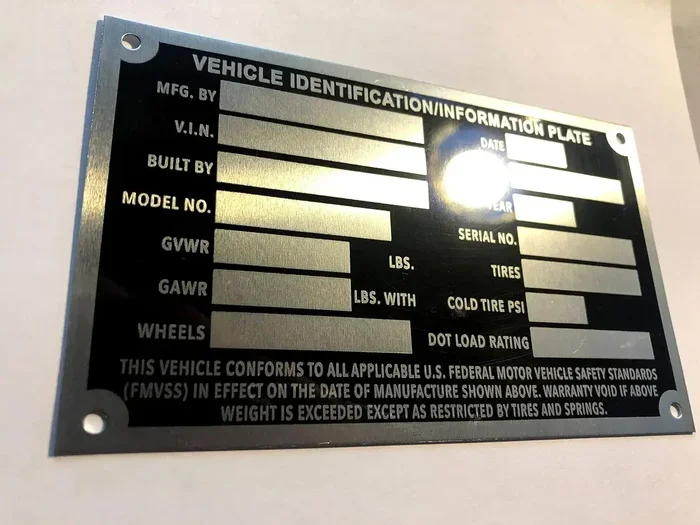
Open the driver’s side door and look for a sticker or metal plate on the door jamb. This is the compliance label, and it is one of the most reliable sources for finding the country of manufacture. The label typically lists the manufacturer name, the country of origin, the model year, and the assembly plant.
For vehicles sold in the United States, this label must also include information about the percentage of domestic and imported parts, as required by law. This is a great way to understand not just where the car was built, but also how much of it is locally sourced.
The Vehicle Build Sheet
A vehicle build sheet is a document that lists every option, feature, and specification of the car as it left the factory. Not all vehicles have a build sheet, but many do, especially for American and European cars. The build sheet often includes the date of production and the factory where the vehicle was assembled.
You can sometimes find the build sheet in the original owner’s manual, glove box, or under the carpet. Some owners also keep digital copies. If you cannot find the original build sheet, online forums and enthusiast communities may have databases where you can look up build information by VIN.
Import and Export Documents
If your car was imported from another country, there will be a paper trail. Import export records include customs declarations, bill of lading documents, and clearance certificates. These documents explicitly state the vehicle origin identification details.
For vehicles that were privately imported, you may need to contact the customs authority in your country. They can often provide records of when the vehicle entered the country and where it was originally manufactured. This is especially useful for older vehicles or classic cars that have changed hands multiple times.
Using Online Tools and Databases
The internet has made it incredibly easy to trace a vehicle’s origin. There are many free and paid tools available that can quickly identify the country of origin based on the VIN or other details.
Free VIN Lookup Websites
Several websites offer free VIN lookups that include country of origin information. The NHTSA VIN decoder is the most trusted government resource. It provides basic manufacturer and country information without any cost.
Other popular free tools include:
– Carfax (basic VIN check)
– AutoCheck (free summary report)
– VINDecoder.net
– VINPit.com
These tools are great for a quick check. However, they may not always provide the specific assembly plant or detailed automotive origin research that some vehicles require.
Manufacturer-Specific Databases
Many car manufacturers maintain their own databases where you can look up vehicle details by VIN. Toyota, Honda, Ford, BMW, and other major brands often offer VIN lookup tools on their official websites. These databases can tell you the exact factory where your vehicle was built.
For example, if you enter a VIN that starts with “J” (Japan), a Toyota-specific decoder might show that the vehicle was assembled at the Tsutsumi plant in Toyota City, Aichi, Japan. This level of detail is invaluable for vehicle heritage research.
Government and Customs Databases
Some countries maintain government databases of imported vehicles. In the United States, the Environmental Protection Agency (EPA) and the National Highway Traffic Safety Administration (NHTSA) keep records of vehicles that were imported and certified for sale. These databases can confirm the country of manufacture and whether the vehicle meets local safety and emissions standards.
For vehicles imported into the European Union, the EU Type Approval database can provide similar information. These government resources are especially helpful for verifying the legitimacy of an imported vehicle.
Paid Services Worth Considering
While free tools are great for basic checks, paid services often provide more comprehensive vehicle history reports. Services like Carfax and AutoCheck offer detailed reports that include the country of origin, previous ownership history, accident records, and service history.
For classic or rare vehicles, specialized services like Classic Data or the Historic Vehicle Association can provide in-depth auto origin check reports. These are especially useful for vintage cars where documentation may be incomplete or missing.
Understanding Export and Import Market Vehicles
Not all cars are built the same way for every market. Understanding the difference between domestic and export market vehicles is key to finding the country of origin.
Domestic vs Export Market Cars
A domestic market vehicle is built for sale in the manufacturer’s home country. An export market vehicle is built for sale in a different country. These vehicles can differ in features, specifications, and even the vehicle market code embedded in the VIN.
For example, a car built for the Japanese domestic market may have right-hand drive, different lighting, and different emission controls than the same model built for the left-hand drive American market. Both vehicles share the same brand name but may have different car assembly plant locations and production dates.
How to Spot an Export Vehicle
There are several clues that a vehicle was built for an export market. Look for:
– Right-hand drive configuration in a left-hand drive country
– Different language on the owner’s manual and labels
– Unusual feature combinations not available in the domestic market
– A VIN that does not match the expected pattern for the domestic market
The export market vehicle designation is important because it affects parts availability, service options, and resale value. Export vehicles may require specialized parts that are harder to find locally.
Why Market Differences Matter
When you know the car production date and the target market, you can better understand the vehicle’s specifications. An export vehicle may have been built with different materials, different safety features, or different engine options than the domestic version. This knowledge helps you make informed decisions about maintenance, parts sourcing, and insurance.
| Feature | Domestic Market Vehicle | Export Market Vehicle |
|---|---|---|
| Steering Side | Matches local driving side | May differ from local standard |
| Emissions Standards | Built to local regulations | Built to origin country standards |
| Parts Availability | Easily available locally | May require special ordering |
| Warranty Coverage | Full local warranty | May have limited or no warranty |
| VIN Pattern | Matches domestic WMI codes | May show different WMI or plant codes |
When to Seek Professional Help
Sometimes, finding the country of origin on your own is not enough. If the documentation is missing, the VIN is damaged, or the vehicle has a complex import history, professional help may be the best option.
Hiring a Vehicle History Service
Professional vehicle history services can run comprehensive checks that go beyond what free online tools offer. They access multiple databases, cross-reference records, and provide a detailed report on the vehicle’s background, including its country of manufacture.
Services like Carfax, AutoCheck, and the National Motor Vehicle Title Information System (NMVTIS) are reliable options. For a small fee, you get a detailed report that can confirm the origin, title status, and any reported issues with the vehicle.
Consulting a Customs or Import Specialist
If your vehicle was imported from another country, a customs or import specialist can help trace its history. These professionals understand the regulations and documentation requirements for importing vehicles. They can help you verify the vehicle origin identification and ensure that all paperwork is in order.
This is especially important for vehicles that were imported through informal channels or that lack proper documentation. A specialist can often fill in the gaps and provide a clear picture of the vehicle’s background.
What to Expect From a Professional Inspection
A professional inspection typically includes a physical examination of the vehicle, a VIN verification, and a review of all available documentation. The inspector will check the compliance label, the dashboard VIN stamp, and the door jamb label to confirm the car factory location and country of origin.
They may also use specialized equipment to read hidden or worn VINs. The result is a comprehensive report that gives you confidence in the vehicle’s history and origin. For high-value or classic cars, this investment is well worth the cost.
Common Mistakes to Avoid
- Relying on a single method: Always cross-reference the VIN, documents, and physical labels for the most accurate results.
- Ignoring the 11th VIN character: This character identifies the assembly plant and is crucial for pinpointing the exact factory location.
- Assuming all Toyotas are Japanese: Many Toyota models are built in the United States, Canada, and Mexico. Always verify the specific plant.
- Skipping the compliance label check: The door jamb label is one of the most reliable sources for country of origin information.
Conclusion
Finding the country of origin of your car does not have to be complicated. By using the methods outlined in this guide, you can trace your vehicle’s roots with confidence. Start with the VIN number, check the compliance label and vehicle documents, and use online tools to verify your findings.
Whether you are a car buyer, an importer, or simply a curious owner, understanding where your vehicle was built adds depth to your ownership experience. The vehicle origin identification process empowers you to make better decisions about maintenance, parts sourcing, and resale value.
Remember, every vehicle has a story. The country of origin is the first chapter of that story. Use the tools and methods in this guide to uncover it, and you will be a more informed and confident car owner.
Frequently Asked Questions
What is a VIN number and where can I find it?
The VIN, or vehicle identification number, is a unique 17-character code assigned to every vehicle. You can find it on the dashboard near the windshield, on the driver’s side door jamb, and on the vehicle title and registration documents. It is the most reliable way to trace the country of origin of any car.
Can I find the country of origin from the car title alone?
Sometimes yes, but not always. The title may list the country of manufacture or the original registration country. However, for vehicles that have been imported or have a complex history, the title alone may not be enough. Always cross-reference with the VIN and physical labels for the most accurate results.
What does the 10th character in a VIN tell me?
The 10th character of the VIN represents the model year of the vehicle. It does not directly indicate the country of origin. However, when combined with the first character (the WMI code), it helps paint a complete picture of the vehicle’s manufacturer plant codes and production timeline.
Are export market cars different from domestic cars?
Yes, they can be quite different. Export market vehicles may have different features, specifications, and safety equipment than domestic versions. They may also have different emissions standards and parts availability. Understanding these differences is important for maintenance and resale.
How much does a professional vehicle history report cost?
Basic vehicle history reports from services like Carfax or AutoCheck typically cost between $40 and $60. More comprehensive reports or specialized services for classic cars may cost more. The investment is worthwhile for high-value vehicles or when buying a car with an unclear history.
Can I find the country of origin for classic or vintage cars?
Yes, but it may require more effort. For vintage cars, the VIN system was not standardized until 1981. You may need to rely on the compliance label, build sheet, factory records, and expert consultations. Classic car forums and specialist services can help you trace the vehicle heritage of older models.