What Happens If You Drive on Low Transmission Fluid
Driving with low transmission fluid is one of the fastest ways to destroy your vehicle’s drivetrain. Without enough fluid, your transmission cannot shift gears properly, overheats quickly, and may fail completely. This guide covers every warning sign, the real cost of ignoring the problem, and simple steps to keep your transmission healthy for years to come.
Your transmission is the unsung hero of your car. It takes the power from the engine and delivers it to the wheels so you can move. And just like any hardworking part, it needs the right amount of fluid to do its job. But what happens if you drive on low transmission fluid? The short answer is: bad things. Really bad things.
Many drivers don’t think about their transmission until something goes wrong. They check the oil, they check the coolant, but transmission fluid often gets forgotten. That neglect can lead to repairs that cost thousands of dollars. In this article, we will walk you through exactly what low fluid does to your transmission, how to spot the warning signs, and what you can do right now to protect your car.
Let’s get into it, because your transmission will thank you.
Key Takeaways
- Low fluid kills transmissions: Running on low transmission fluid causes overheating, gear slipping, and grinding that leads to expensive repairs.
- Early signs are easy to spot: Delayed shifting, strange noises, and burning smells all point to low fluid levels.
- Cost of ignoring it is huge: A full transmission replacement can cost $3,000 to $7,000, while a fluid top-off costs under $50.
- Checking fluid is simple: You can check your transmission fluid at home with just the engine running and the dipstick.
- Prevention beats repair: Regular fluid changes and leak checks keep your transmission running smoothly for 150,000+ miles.
- Act fast when you notice symptoms: The longer you drive on low fluid, the more damage builds up silently.
📑 Table of Contents
- What Does Transmission Fluid Actually Do?
- What Happens If You Drive on Low Transmission Fluid?
- Common Signs of Low Transmission Fluid
- Why Does Transmission Fluid Drop?
- How to Check Your Transmission Fluid Level
- The Cost of Ignoring Low Transmission Fluid
- How to Prevent Low Transmission Fluid Problems
- Expert Insights and Final Thoughts
What Does Transmission Fluid Actually Do?
Before we talk about what goes wrong, let’s understand what the fluid does right. Transmission fluid is not just a lubricant. It is a multi-tasking liquid that keeps your entire transmission system working as it should. Think of it as the lifeblood of your drivetrain.
Here is what transmission fluid does:
- Lubricates gears and components: It reduces friction between moving parts inside the transmission.
- Cools the system: Transmission fluid absorbs heat and carries it away from internal parts.
- Transmits power: In automatic transmissions, fluid pressure is what allows the gears to shift.
- Cleans and protects: Quality fluid contains additives that prevent sludge buildup and corrosion.
- Seals and conditions gaskets: It keeps rubber seals soft and flexible so they do not crack or leak.
Without enough of this fluid, every single one of these jobs suffers. The system starts to break down from the inside out. And because the transmission sits inside the casing of your vehicle, much of the damage happens where you cannot see it.
What Happens If You Drive on Low Transmission Fluid?
So let’s get to the big question. What really happens when you keep driving with low transmission fluid? The effects get worse the longer you ignore the problem. Here is a close look at each stage of damage.
Gear Slipping and Rough Shifting
One of the first things you will notice is gear slipping. This happens when your transmission unexpectedly jumps out of gear or fails to hold gear properly. You might feel the RPMs spike while your car stays at the same speed. Or you might notice the car surges forward unexpectedly.
The reason is simple. Low fluid means low pressure. Your automatic transmission relies on fluid pressure to engage and hold each gear. When the fluid level drops, the system cannot maintain that pressure. The result is rough, jerky shifts or gears that slip in and out on their own.
For manual transmissions, low fluid means the clutch components inside the gearbox do not get proper lubrication. This leads to grinding when you try to shift.
Transmission Overheating
Heat is the number one enemy of any transmission. Transmission fluid pulls heat away from the internal components and dissipates it through the transmission cooler. But when fluid levels drop too low, there is not enough fluid to absorb and carry away that heat.
An overheating transmission can reach temperatures above 250 degrees Fahrenheit. At that point, the fluid breaks down and loses its lubricating properties. The internal components start to warp, swell, and seize. Once the fluid is burned off or degraded, the damage accelerates rapidly.
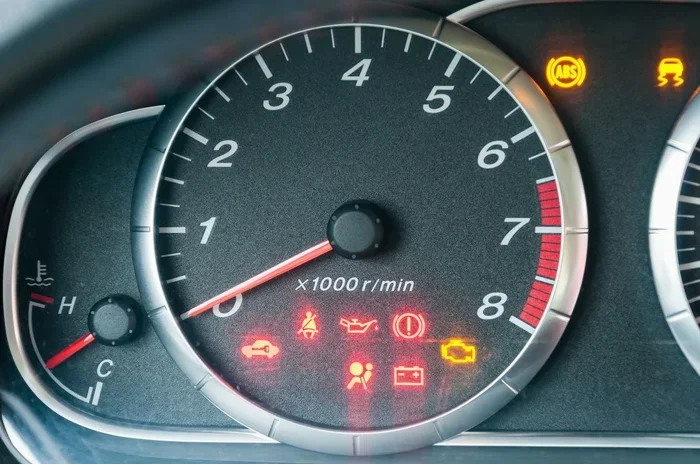
Many modern cars have a transmission temperature warning light. If you see it come on, pull over immediately. Continuing to drive at that point can cause irreversible damage.
Grinding and Strange Noises
Your transmission should be nearly silent when you drive. If you start hearing grinding, whining, or buzzing sounds, that is a red flag. These noises usually mean metal parts are rubbing against each other without proper lubrication.
In automatic transmissions, you might hear a buzzing or humming sound that gets louder as you accelerate. In manual transmissions, grinding noises when shifting are a classic sign of low fluid.
Do not ignore these sounds. They are your transmission literally telling you it needs help.
Delayed Engagement
Delayed engagement is when you shift from Park to Drive, and the car takes a few seconds before it starts moving. Sometimes the RPMs rev up, but the wheels do not respond right away. This delay happens because there is not enough fluid pressure to engage the clutch packs or bands inside the transmission.
This symptom often gets worse over time. What starts as a one-second delay can become a three- or four-second wait. And eventually, the transmission may fail to engage at all.
Complete Transmission Failure
This is the worst-case scenario. When you drive for a long time on low transmission fluid, the internal components wear out completely. The gears strip, the bearings fail, and the clutch packs burn up. At this point, the transmission needs to be rebuilt or replaced entirely.
Transmission failure is one of the most expensive repairs a car owner can face. A full replacement typically costs between $3,000 and $7,000, depending on the vehicle. Rebuilds are slightly cheaper but still run $1,500 to $3,500.
The tragic part is that most of these failures are completely preventable with simple maintenance.
Common Signs of Low Transmission Fluid
Catching low fluid early can save you a fortune. Here are the most common signs that your transmission fluid is running low.
- Dashboard warning light: Many cars have a transmission or check engine light that triggers when fluid pressure drops.
- Burning smell: A sweet or acrid smell coming from under the hood often means the fluid is overheating.
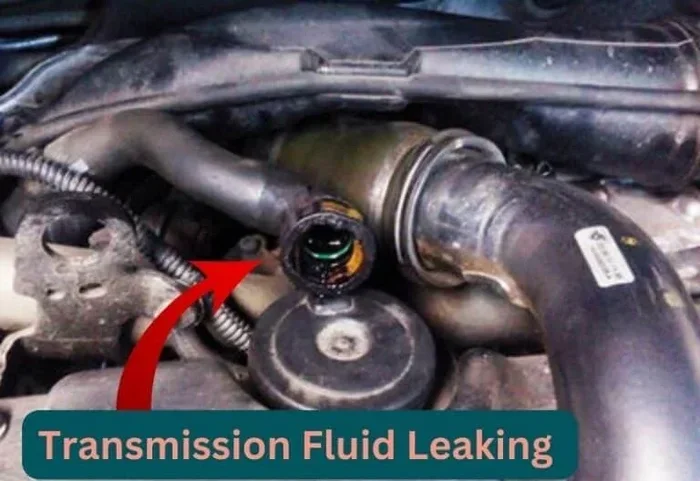
- Fluid leaks underneath the car: Transmission fluid is usually red or pink and slick to the touch.
- Delayed or harsh shifting: Any change in how your car shifts is worth investigating.
- Fluid looks dark or smells burnt: Healthy transmission fluid is bright red and smells slightly sweet.
If you notice any of these signs, check your fluid level right away. Do not wait for the problem to get worse.
Why Does Transmission Fluid Drop?
Transmission fluid does not just disappear on its own. Something is causing the level to drop, and finding the root cause is important.
Leaks and Seals
The most common reason for low fluid is a leak. Transmission seals and gaskets can wear out over time. The pan gasket, output shaft seal, and front input seal are all common leak points. A small leak might not seem like a big deal at first, but even a slow drip can lower your fluid level enough to cause damage over weeks or months.
Look for red or pink puddles under your car, especially near the middle or front of the vehicle.
Normal Burn-Off and Evaporation
In some vehicles, a small amount of fluid loss is normal. The transmission vent allows a tiny amount of fluid vapor to escape over time. This is more common in older vehicles or those with high mileage. But even so, the loss should be minimal.
Neglected Maintenance
Many drivers simply forget to check or change their transmission fluid. Most manufacturers recommend a transmission fluid change every 30,000 to 60,000 miles. Skipping these service intervals means old, degraded fluid that cannot protect the transmission properly. Over time, the fluid level can drop as the quality deteriorates.
How to Check Your Transmission Fluid Level
Checking your transmission fluid is easier than you might think. Here is a quick step-by-step guide.
- Park the car on a level surface and turn the engine on. Most vehicles need the engine running to get an accurate reading.
- Warm up the car for a few minutes. Transmission fluid expands when hot, so a cold reading can be inaccurate.
- Find the transmission dipstick. It usually has a red or yellow handle and is located near the back of the engine bay.
- Pull the dipstick out, wipe it clean, then reinsert it fully.
- Pull it out again and read the level. The fluid should fall between the “Full” and “Add” marks.
- Check the color and smell. Bright red and slightly sweet-smelling is good. Dark brown or black with a burnt smell means the fluid needs to be replaced.
If the level is low, add the type of fluid specified in your owner’s manual. Using the wrong fluid can cause additional problems.
The Cost of Ignoring Low Transmission Fluid
Let’s talk numbers, because they really put things into perspective.
| Repair | Estimated Cost | Cause |
|---|---|---|
| Fluid top-off | $20 – $50 | Early detection of low fluid |
| Transmission fluid change | $100 – $250 | Degraded or burnt fluid |
| Transmission flush | $150 – $350 | Contaminated fluid system |
| Seal replacement | $200 – $600 | Leaking seals causing fluid loss |
| Transmission rebuild | $1,500 – $3,500 | Internal damage from low fluid |
| Transmission replacement | $3,000 – $7,000 | Complete failure from prolonged neglect |
As you can see, the cost goes up dramatically the longer you wait. A simple fluid check that takes five minutes can save you thousands of dollars in repairs.
How to Prevent Low Transmission Fluid Problems
Prevention is always easier and cheaper than repair. Here are some simple habits that will keep your transmission fluid at the right level and your transmission running strong.
- Check your fluid monthly: Make it part of your regular car maintenance routine.
- Change fluid on schedule: Follow the manufacturer’s recommended interval for transmission fluid changes.
- Fix leaks immediately: Even a small leak will get worse over time and lead to low fluid levels.
- Use the right fluid: Always use the type of transmission fluid recommended for your vehicle.
- Watch for warning signs: Do not ignore strange noises, slipping gears, or delayed shifting.
- Get regular inspections: Have a mechanic check your transmission as part of routine service visits.
A little prevention goes a long way. Your transmission is built to last over 150,000 miles, but only if you take care of it properly.
Expert Insights and Final Thoughts
We asked a few experienced transmission mechanics about the most common mistakes they see with low fluid. Here is what they had to say.
Mike T., ASE-certified mechanic with 20 years of experience: “I see cars come into the shop every week with transmission damage from low fluid. The owner had no idea anything was wrong until it was too late. Nine times out of ten, a simple fluid top-off could have prevented the entire disaster.”
Sarah L., transmission specialist: “The biggest mistake drivers make is ignoring the early warning signs. A slight delay in shifting or a faint buzzing sound might seem minor, but those are your transmission’s way of telling you the fluid is low. Act on those signs early, and you will save yourself a huge headache.”
The bottom line is clear. Your transmission fluid is critical to the health and longevity of your vehicle. Driving on low transmission fluid is a risk you simply cannot afford to take. The damage builds quietly, often without any dramatic warning, until the transmission is already in serious trouble.
Stay on top of your fluid levels. Check regularly. Fix leaks promptly. And never ignore the signs your car is trying to tell you. A few minutes of attention today can save you from a major repair tomorrow.
Take care of your transmission, and it will take care of you for hundreds of thousands of miles. That is a deal worth keeping.
Frequently Asked Questions
Can you drive a car with low transmission fluid?
You should not drive a car with low transmission fluid. Even a short drive can cause overheating and internal damage. If you must move the car, check the fluid level first and add fluid if needed. Continuing to drive on low fluid will only make the problem worse and more expensive to fix.
How do I know if my transmission fluid is low?
Common signs include delayed shifting, gear slipping, grinding noises, a burning smell, and a red or pink fluid leak under your car. You can also check the fluid level using the dipstick. If the fluid is below the “Full” line or looks dark and burnt-smelling, you need to add or replace it right away.
How much does it cost to fix low transmission fluid damage?
If caught early, simply topping off the fluid costs $20 to $50. A full fluid change runs $100 to $250. But if low fluid has caused internal damage, a transmission rebuild can cost $1,500 to $3,500, and a full replacement can range from $3,000 to $7,000. The earlier you address low fluid, the less you will pay.
How often should I check my transmission fluid?
You should check your transmission fluid at least once a month. It is also a good idea to check it before any long road trip. Regular checks help you catch leaks or fluid degradation early before they turn into expensive transmission problems.
What causes transmission fluid to run low?
The most common cause is a leak from worn seals, gaskets, or transmission lines. Normal evaporation can also cause a small drop over time. Neglected maintenance, where fluid changes are skipped, can also lead to low fluid levels as the old fluid breaks down and loses its volume and protective properties.
Will adding transmission fluid fix a slipping transmission?
If the slipping is caused by low fluid levels, adding the correct fluid may fix the problem. However, if the slipping is caused by worn internal components from prolonged low-fluid driving, adding fluid alone will not solve it. In that case, you will need a professional inspection and likely a rebuild or replacement.
=== END ===