What Is VLR Visible Light Reflection and Why It Matters
VLR stands for Visible Light Reflection, and it measures how much light bounces off your car’s surface. Understanding VLR helps car owners choose better paints, coatings, and window tints that reduce glare and protect against UV damage. This guide breaks down everything you need to know about VLR in simple, practical terms.
Have you ever noticed how some cars seem to glow in the sunlight while others look matte and subtle? That difference comes down to VLR, which stands for Visible Light Reflection. It is a simple concept with big implications for how your car looks, feels, and performs on the road.
If you have ever driven into a sunset and been blinded by your own dashboard or windshield glare, you have experienced the effects of light reflection on cars firsthand. VLR Visible Light Reflection measures exactly how much visible light bounces off your vehicle’s surface. This number matters more than most people realize, from paint choice to window tinting decisions.
In this article, we will walk through everything you need to know about VLR in the automotive world. We will cover what it is, why it matters, how it affects your car’s paint and coatings, and what you can do to manage it. Whether you are a car enthusiast or just someone who wants a more comfortable drive, this guide has you covered.
Key Takeaways
- VLR measures light bounce: It tells you how much visible light reflects off your car’s surface.
- It affects driver safety: High VLR can cause dangerous glare, especially at night or in bright sun.
- Paint and coatings matter: Different finishes and reflective coatings change how much light bounces back.
- Window tinting helps control VLR: The right tint reduces glare and blocks harmful UV rays.
- Thermal comfort improves: Lower VLR means less heat buildup inside your vehicle.
- Spectral reflectance is key: Understanding how different wavelengths reflect helps you pick better automotive finishes.
- Regular care makes a difference: Proper washing and coating maintenance keeps VLR levels optimal over time.
📑 Table of Contents
- What Is VLR Visible Light Reflection?
- How VLR Affects Driver Safety
- The Role of VLR in Automotive Paint and Coatings
- VLR and Thermal Comfort Inside Your Car
- Window Tinting and VLR: A Perfect Match
- Common Mistakes Car Owners Make About VLR
- Expert Insights on VLR in Modern Automotive Design
- How to Measure VLR on Your Car
- Conclusion
What Is VLR Visible Light Reflection?
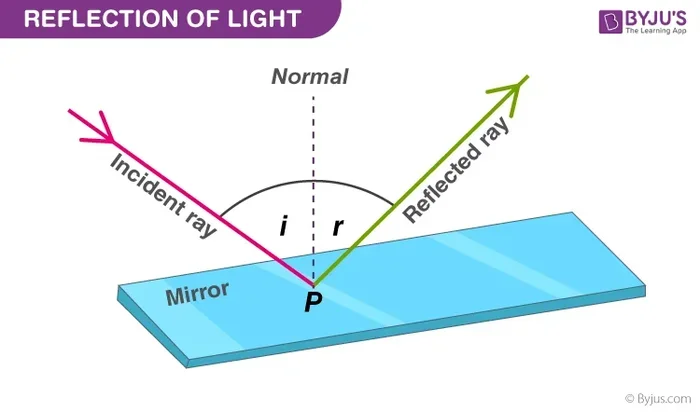
Visible Light Reflection, or VLR, is the percentage of visible light that bounces off a surface rather than passing through or being absorbed. When sunlight hits your car, some light goes through the glass, some gets absorbed by the paint, and some reflects back. VLR measures that reflected portion specifically within the visible light spectrum, which is the range of light our eyes can see.
The visible light spectrum covers wavelengths from about 380 nanometers to 700 nanometers. Different colors of light fall within this range. When we talk about spectral reflectance, we are looking at how much light reflects at each specific wavelength. A car with high VLR reflects more of this visible light back toward your eyes and the eyes of other drivers.
Think of it like a mirror. A perfectly reflective surface has a VLR of 100 percent. A completely black matte surface might have a VLR of 5 percent or less. Most car paints fall somewhere in between, typically ranging from 10 to 80 percent depending on the color, finish, and type of coating used.
Why VLR Differs Across Car Surfaces
Not all car surfaces reflect light the same way. Several factors play a role:
- Paint color: Lighter colors like white and silver reflect more light than dark colors like black or navy.
- Paint finish: Glossy finishes reflect more light than matte or satin finishes because of their smooth, polished surface.
- Clear coat layers: Multiple layers of clear coat increase the surface smoothness and boost reflection.
- Metallic or pearl additives: These special particles in the paint create extra reflective surfaces that scatter light in unique ways.
- Surface condition: Scratches, oxidation, and dirt reduce reflection in some areas and increase it in others, creating an uneven look.
Understanding these factors helps you make smarter choices about your car’s appearance and functionality. A high-VLR paint job might look stunning at a car show but could cause problems during bright daytime driving.
How VLR Affects Driver Safety
Safety is the biggest reason to pay attention to VLR Visible Light Reflection. When light bounces off your car and into your own eyes or the eyes of other drivers, it creates glare. Glare is more than just an annoyance. It can seriously impair vision and increase the risk of accidents.
Studies on automotive safety have shown that glare from reflective surfaces contributes to thousands of accidents each year. When the sun hits a highly reflective car hood or windshield, it can temporarily blind drivers for a fraction of a second. That fraction of a second is all it takes to miss a pedestrian, a stop sign, or a lane change.
Glare Reduction Strategies
Managing VLR is one of the most effective ways to reduce glare. Here are some practical strategies:
- Choose lower-VLR paint colors: Matte or satin finishes in darker shades reflect less light than high-gloss lighter colors.
- Use anti-reflective coatings: These specialized coatings reduce the amount of light that bounces off the car’s surface.
- Keep your car clean: A dirty or oxidized surface scatters light unevenly, creating patchy glare zones.
- Apply quality window tint: Tinted windows reduce the amount of light entering the cabin and lower interior reflections.
- Use sun visors effectively: They block direct sunlight from hitting reflective surfaces inside the car.
These small steps add up to a significantly safer driving experience, especially during peak sunlight hours.
The Role of VLR in Automotive Paint and Coatings
The automotive paint industry takes VLR very seriously. Paint engineers design formulations with specific reflection goals in mind. A luxury sedan might use a deep gloss paint with controlled VLR to look rich and luxurious without creating excessive glare. A sports car might use a high-gloss metallic finish that turns heads but requires careful management to avoid blinding other drivers.
Reflective coatings have come a long way in recent years. Modern ceramic coatings, for example, can be tuned to reflect certain wavelengths of light while absorbing others. This means manufacturers can create finishes that look incredible and still maintain safe reflection levels.
Understanding Visible Light Transmission and Reflection
It helps to understand the relationship between visible light transmission (VLT) and VLR. When light hits a surface, three things happen:
- Some light reflects off the surface (this is VLR).
- Some light absorbs into the material.
- Some light transmits through the material (this is VLT, relevant mostly for glass and transparent coatings).
For opaque surfaces like car paint, transmission is essentially zero. So the relationship is simple: VLR plus absorption equals 100 percent. The more light a paint absorbs, the less it reflects, and vice versa.
This is why dark-colored cars absorb more light and heat up more in the sun. They are taking in more energy rather than bouncing it back. This connects directly to thermal comfort in vehicles, which we will cover in the next section.
VLR and Thermal Comfort Inside Your Car
Here is something most car owners do not think about. The light that reflects off your car’s exterior is light that does not enter the cabin. Conversely, the light that gets absorbed by the paint turns into heat. This heat then radiates inward, making your car hotter on the inside.
This is where heat rejection becomes important. A car with low VLR paint absorbs more visible light, converts it to thermal energy, and that heat passes through the glass into the interior. A car with high VLR reflects more light away, keeping less heat from entering the vehicle in the first place.
Wait, that seems backwards. If high VLR reflects light away, should the car stay cooler? Yes, but there is a twist. The infrared radiation that comes with sunlight is not visible light. It carries a lot of the heat energy. A paint might have high VLR but still absorb infrared radiation, which heats the car up anyway.
This is why modern coating technology focuses on the full solar spectrum, not just visible light. The best ceramic and nano-coatings reflect both visible light and infrared radiation, providing superior solar heat gain reduction. This keeps the interior cooler and reduces the load on your air conditioning system.
Quick Tips for Managing Heat and VLR
- Pick ceramic coatings: They reflect infrared and visible light better than traditional wax or sealant.
- Choose lighter exterior colors: White and silver cars naturally reflect more light and stay cooler.
- Combine tint with reflective coatings: This double layer blocks both visible and infrared heat effectively.
- Park in the shade: Even the best coatings work better when the car is not in direct sunlight for hours.
- Use a sunshade on the windshield: It prevents heat buildup even when your coating is doing its job.
These tips work together to create a more comfortable driving environment and reduce fuel consumption from excessive air conditioning use.
Window Tinting and VLR: A Perfect Match
Window tinting is one of the most effective ways to control VLR in and around your car. A good tint film reduces the amount of visible light that passes through your windows, which directly lowers interior reflections and glare.
When shopping for window tint, you will encounter the term visible light transmission (VLT). This is the percentage of visible light that passes through the glass. A tint with 50 percent VLT lets in half the light and blocks the other half. A tint with 5 percent VLT is very dark and blocks most light.
Higher VLT means higher VLR inside the car because more light bounces around the cabin. Lower VLT reduces interior reflections and creates a darker, more comfortable cabin environment.
Choosing the Right Tint for VLR Control
Here are some factors to consider when selecting a window tint:
- Legal limits: Different states and countries have different laws about how dark a tint can be. Check local regulations before tinting.
- UV protection: Quality tints block up to 99 percent of UV rays, protecting your skin and preventing interior fading.
- Heat rejection ratings: Look for tints that specifically mention infrared rejection, not just visible light reduction.
- Color stability: Cheap tints fade over time and can create uneven reflections that increase VLR in certain areas.
- Installation quality: Poor installation creates bubbles and wrinkles that scatter light and increase glare.
The right tint does more than just look good. It actively manages light bounce on surfaces inside your car, making the cabin more comfortable and your drive safer.
Common Mistakes Car Owners Make About VLR
Even enthusiastic car owners make mistakes when it comes to managing VLR. Here are the most common ones:
1. Choosing Gloss Without Thinking About Glare
A high-gloss finish looks amazing in photos, but it can be a nightmare on bright sunny days. Many car owners choose gloss paint for its deep shine without considering how much it will reflect into their own eyes while driving.
2. Ignoring Infrared Radiation
Visible light is only part of the solar spectrum. If your coating only addresses VLR and ignores infrared, you are missing a huge chunk of the heat problem. Always look for products that address the full spectrum.
3. Skipping Maintenance
A fresh ceramic coating has predictable VLR properties. But over time, oxidation, scratches, and contamination change the surface. The VLR of a neglected car can fluctuate unpredictably, creating hot spots of glare.
4. Using the Wrong Tint Darkness
Some people tint their windows too dark for legal driving conditions. This reduces visibility at night and can actually make glare worse in certain lighting situations. Balance is key.
5. Not Considering Paint Color holistically
People often pick a car color based on looks alone. But the optical properties of paint affect VLR, heat absorption, and even resale value. A thoughtful color choice pays off in the long run.
Avoiding these mistakes keeps your car looking great and performing well for years to come.
Expert Insights on VLR in Modern Automotive Design
Automotive designers and material scientists are paying more attention to VLR than ever before. Modern cars use advanced coating technology that goes far beyond simple paint. Ceramic clear coats, nano-ceramic layers, and spectral-selective finishes all play a role in managing how light interacts with a vehicle’s surface.
According to industry experts, the future of automotive finishes lies in smart reflective coatings. These coatings can adjust their reflection properties based on conditions. In bright sunlight, they reflect more light to keep the cabin cool. In low light, they allow more light through to improve visibility. This technology is still emerging but is expected to become standard in premium vehicles within the next decade.
Another exciting development is the use of UV protection layers integrated directly into the paint system. These layers reduce the amount of ultraviolet radiation that reaches the car’s interior, protecting both passengers and the car’s interior materials from sun damage.
Car manufacturers are also studying driver visibility in relation to exterior reflection. A car that reflects too much light onto the driver’s own windshield creates a washout effect, reducing the ability to see the road clearly. Engineers are working on paint formulations that maintain a beautiful appearance while keeping VLR within safe limits for the driver.
The Bottom Line from Experts
Experts agree that VLR is not just a cosmetic concern. It is a safety and comfort factor that affects every driver. Choosing the right paint finish, maintaining your coatings, and using quality window tinting are all practical steps that any car owner can take to manage VLR effectively.
How to Measure VLR on Your Car
You might wonder how to actually measure the VLR on your own vehicle. The process involves a device called a spectrophotometer, which measures how much light reflects off a surface at different wavelengths.
Professional detailers and paint shops use these tools to assess the condition of a car’s finish. They can tell you exactly how much visible light your car reflects and whether the surface is performing as it should. You can also find handheld reflection meters that give a general VLR reading, though they are less precise than full spectrophotometer analysis.
For most car owners, simply understanding that glossy light-colored paint has higher VLR and matte dark paint has lower VLR is enough to make informed decisions. You do not need lab equipment to apply the principles of visible light reflection to your daily driving.
Conclusion
VLR Visible Light Reflection is a concept that touches every aspect of car ownership, from paint choice to safety to comfort. When you understand how light bounces off your vehicle, you can make smarter decisions about coatings, tints, and maintenance routines. A car with well-managed VLR looks better, drives safer, and keeps the cabin more comfortable.
The key is to think beyond just aesthetics. Your car’s exterior is a complex optical system, and managing how it interacts with visible light is part of being a responsible car owner. Whether you are choosing a new paint job, applying a ceramic coating, or tinting your windows, always consider the VLR implications.
Take what you have learned here and apply it. Your car, your eyes, and your passengers will thank you. VLR might seem like a technical topic, but at its core, it is about making your driving experience better and safer every single day.
Frequently Asked Questions
What does VLR stand for in the automotive context?
VLR stands for Visible Light Reflection. It measures the percentage of visible light that bounces off a car’s surface. This measurement affects glare, heat buildup, and overall driver comfort on the road.
How does VLR differ from VLT?
VLR measures light reflected off a surface, while VLT (Visible Light Transmission) measures light that passes through a material like glass or window tint. For car paint, VLR is the main concern since paint is opaque and does not transmit light.
Does car color affect VLR?
Yes, absolutely. Lighter colors like white and silver have higher VLR because they reflect more visible light. Darker colors like black and dark blue have lower VLR because they absorb more light. The paint finish (gloss, matte, satin) also plays a big role.
Can window tinting reduce VLR inside the car?
Yes. Window tint reduces the amount of visible light entering the cabin, which lowers interior reflections and glare. This directly helps manage VLR inside the vehicle and creates a more comfortable driving environment.
Is high VLR bad for driving safety?
High VLR can cause problematic glare, especially when sunlight bounces off the hood, windshield, or other reflective surfaces into the driver’s eyes. Managing VLR through proper coatings and tints improves driver visibility and reduces accident risk.
How often should I reapply ceramic coating to maintain optimal VLR?
Most quality ceramic coatings last between 2 and 5 years depending on care and exposure. Over time, oxidation and contamination change the surface VLR. Regular washing and periodic coating refreshment help maintain consistent reflection control and UV protection.