A Car Runs at a Constant Speed and What You Need to Know
When a car runs at a constant speed, it maintains a steady velocity without acceleration or deceleration. This driving state improves fuel efficiency, reduces engine wear, and enhances overall driving safety. Understanding how constant speed works helps drivers save money, protect their vehicles, and enjoy smoother rides on every trip.
Have you ever noticed how smooth and relaxed a drive feels when your car runs at a constant speed? There is something almost meditative about cruising down an open road with your foot off the pedal. But beyond the pleasant feeling, driving at a steady pace carries real benefits for your vehicle, your wallet, and your safety.
When a car runs at a constant speed, it moves at a fixed velocity without speeding up or slowing down. This concept might sound simple, but it touches on physics, engineering, fuel economy, and even how we drive every day. Whether you use cruise control on long highway trips or just prefer a relaxed driving style, understanding this topic can change the way you get behind the wheel.
In this article, we will explore everything you need to know about constant speed driving. We will break down how it works, why it matters, and what you can do to make the most of it. Let us dive in.
Key Takeaways
- Constant speed means steady motion: Your car maintains the same velocity with no acceleration or braking.
- Fuel savings are real: Driving at a fixed speed can improve fuel economy by up to 15% compared to stop-and-go driving.
- Cruise control is your best friend: This feature helps maintain a steady speed effortlessly on highways and long drives.
- Engine health improves: Consistent speed reduces unnecessary strain on the engine and transmission components.
- Safety matters most: While constant speed has benefits, staying alert and adjusting for road conditions is essential.
- Know when to slow down: Constant speed driving becomes risky in heavy traffic, bad weather, or unfamiliar roads.
📑 Table of Contents
- What Does It Mean When a Car Runs at a Constant Speed?
- How Cruise Control Helps Maintain a Steady Speed
- The Impact of Constant Speed on Fuel Efficiency
- Common Myths About Driving at a Fixed Speed
- How to Safely Maintain a Consistent Speed on Highways
- When Constant Speed Driving Becomes a Problem
- Key Takeaways
- Conclusion
What Does It Mean When a Car Runs at a Constant Speed?
At its core, constant speed means your vehicle covers equal distances in equal time periods. The speedometer reading stays the same. There is no pressing of the gas pedal and no braking. Your car simply rolls forward at a uniform velocity.
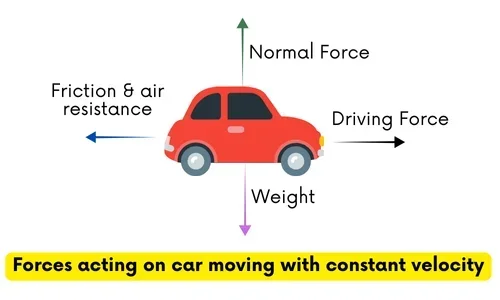
From a physics perspective, this is called uniform motion. When the net force acting on the vehicle is zero, it maintains a steady pace. The engine produces just enough power to overcome friction, air resistance, and rolling resistance. Nothing more, nothing less.
In everyday driving, constant speed usually happens in two situations. First, you are cruising on a highway with a light foot. Second, you have activated cruise control, and the car is managing the throttle for you. Both scenarios result in the same outcome: your vehicle moves at a fixed speed regulation.
Many drivers do not realize how often their car accelerates and decelerates during a typical trip. Stop-and-go traffic, hill climbing, and even slight turns on the road all cause changes in speed. A truly constant speed drive is actually quite rare in city environments. It shines most on open roads and long highway stretches.
Why Constant Speed Matters for Your Car
Your engine is designed to work hardest during acceleration. Every time you press the gas pedal, the engine burns more fuel and experiences more internal stress. When a car runs at a constant speed, the engine operates at a stable engine load. This steady state is much gentler on all the moving parts inside.
Think of it like running on a treadmill versus sprinting. The treadmill pace is steady and manageable. Sprinting requires bursts of intense effort. Over time, the steady pace is far easier on your body. The same principle applies to your car’s engine, transmission, and drivetrain.
Constant speed driving also keeps your automatic transmission in a single gear for longer periods. This reduces the number of shift cycles, which translates to less wear on the transmission bands and clutch packs. Over thousands of miles, this can add years to the life of your transmission.
How Cruise Control Helps Maintain a Steady Speed
Most modern vehicles come equipped with cruise control. This feature is essentially a computer that manages your car’s throttle to keep a set speed regulation. When you activate cruise control, the system adjusts the engine power automatically to maintain your chosen pace.
But cruise control does more than just save you from resting your foot. It promotes fuel efficiency by eliminating unnecessary acceleration and deceleration. The system makes micro-adjustments that a human driver might not even notice. The result is a smoother, more efficient ride.
Adaptive cruise control takes things a step further. This advanced system uses sensors and radar to adjust your speed based on the vehicle ahead of you. If the car in front slows down, your car eases off the throttle. When the road clears, it returns to your preset speed. This technology makes long-distance driving safer and less tiring.
Tips for Using Cruise Control Effectively
Here are some practical tips to get the most out of cruise control when your car runs at a constant speed:
- Use it on highways: Cruise control works best on flat, open roads with steady traffic flow.
- Avoid using it in hilly terrain: On steep hills, the system may downshift aggressively or struggle to maintain speed, which can hurt fuel economy.
- Set a reasonable speed: Driving at 60 to 65 mph on highways typically offers the best balance of speed and fuel economy.
- Stay alert: Cruise control does not replace your attention. Always keep your hands on the wheel and your eyes on the road.
- Cancel when needed: In wet or icy conditions, manually control your speed to prevent wheel spin or loss of traction.
Limitations of Cruise Control
While cruise control is a fantastic tool, it has limits. The system cannot read road conditions, weather changes, or unexpected obstacles. It simply follows the speed you set. In heavy rain, fog, or icy conditions, you should always take manual control. Safety must always come first when your car runs at a constant speed, even with cruise control engaged.
The Impact of Constant Speed on Fuel Efficiency
One of the biggest reasons drivers care about constant speed is fuel savings. When your car runs at a constant speed, the engine operates at its most efficient engine load range. This is the sweet spot where fuel injection is optimized and energy waste is minimized.
Studies have shown that driving habits play a huge role in fuel consumption. Aggressive acceleration and hard braking can reduce your gas mileage by up to 30% in city driving. On the highway, maintaining a steady pace can improve fuel economy by 10 to 15% compared to frequent speed changes.
The physics behind this is straightforward. Every time you accelerate, the engine must produce extra power to increase the vehicle’s kinetic energy. When you brake, that energy is wasted as heat. Constant speed driving eliminates these energy cycles, allowing the engine to work at a consistent output level.
How Speed Affects Fuel Consumption
Not all constant speeds are equally efficient. Aerodynamic drag increases significantly at higher speeds. Here is a quick look at how different speeds affect fuel use:
- 45 mph: Very efficient but may be too slow for highway driving and could irritate other drivers.
- 55 to 65 mph: The sweet spot for most vehicles. Aerodynamic drag is manageable, and the engine operates in its optimal range.
- 70 to 75 mph: Fuel consumption starts to rise noticeably due to increased air resistance.
- 80 mph and above: Fuel economy drops significantly. The engine works much harder to overcome drag.
Finding the ideal speed for your specific vehicle takes some experimentation. Check your owner’s manual for recommended speed regulation practices and monitor your fuel gauge during long trips at different steady speeds.
Common Myths About Driving at a Fixed Speed
There are several misconceptions about constant speed driving that can confuse even experienced drivers. Let us clear up a few of the most common ones.
Myth 1: Constant Speed Damages the Engine
Some drivers believe that keeping your car at one speed for a long time is bad for the engine. This is simply not true. Engines are designed to run at steady RPM ranges for extended periods. In fact, constant speed driving reduces engine wear compared to stop-and-go driving where the engine constantly cycles between high and low loads.
Myth 2: You Save More Fuel by Driving Slower
Driving too slowly can actually hurt your fuel economy. Extremely low speeds keep the engine in a less efficient gear and increase the time spent on the road. The key is finding a steady, moderate speed that keeps the engine in its optimal operating range. For most cars, this falls between 50 and 65 mph.
Myth 3: Electric Cars Do Not Benefit from Constant Speed
Electric vehicles actually benefit even more from constant speed driving. EVs recover energy through regenerative braking, but every time you brake, you lose momentum that the motor must rebuild. Steady speed driving maximizes the distance an EV can travel on a single charge.
Myth 4: Cruise Control Always Saves Fuel
Cruise control saves fuel on flat highways but can hurt economy on hilly terrain. On steep inclines, the system may hold full throttle to maintain speed, which burns more fuel than a skilled driver who would ease off the throttle on the climb.
How to Safely Maintain a Consistent Speed on Highways
Constant speed driving offers many benefits, but safety must always be your top priority. Here is how to maintain a steady pace without compromising your safety or the safety of others on the road.
Choose the Right Speed for the Road
Always obey posted speed limits. Driving at a constant speed does not mean driving at any speed you choose. The speed limit exists to ensure safe driving safety for everyone on the road. Pick a speed that is legal, comfortable, and appropriate for the conditions.
Monitor Traffic Flow
Even on highways, traffic speed varies. When your car runs at a constant speed in heavy traffic, you risk becoming a hazard. If you are going 60 mph in a 70 mph flow, faster vehicles will need to pass you constantly, creating dangerous merge situations. Match your steady speed to the general flow of traffic when it is safe to do so.
Watch for Road Conditions
Road surfaces change. Construction zones, potholes, wet pavement, and gravel all require adjustments. A car that runs at a constant speed on a dry highway handles very differently than one doing the same speed on a rain-slicked road. Always reduce your speed and increase your following distance when conditions worsen.
Take Breaks on Long Trips
Driving at a constant speed for hours can become monotonous. Fatigue is a serious safety risk. Take a break every two hours or so. Get out of the car, stretch your legs, and refresh your focus. This simple habit can prevent accidents caused by drowsy driving.
Keep Your Vehicle Properly Maintained
A well-maintained car handles constant speed driving much better. Make sure your tires are properly inflated, your brakes are in good condition, and your engine is tuned up. Poorly maintained vehicles waste fuel and may not hold a steady speed as smoothly. Regular vehicle maintenance ensures your car performs at its best during long, steady drives.
When Constant Speed Driving Becomes a Problem
While constant speed driving has many advantages, there are times when it can create issues or become unsafe. Recognizing these situations helps you stay safe and make smart decisions behind the wheel.
In Heavy City Traffic
City driving involves constant stops, starts, and speed changes. Trying to maintain a fixed speed regulation in traffic is not only impractical but also dangerous. You need to match your speed to the flow of vehicles around you, which means constantly adjusting.
During Bad Weather
Rain, snow, ice, and fog all demand a more cautious driving approach. A car that runs at a constant speed on a wet road may not have enough time to stop if traffic suddenly slows. In these conditions, manual speed control and frequent adjustments are essential for safety.
On Winding or Mountain Roads
Constant speed works well on straight highways, but it does not suit curvy mountain roads. You need to slow down for turns and accelerate on straights. Using cruise control on winding roads can be hazardous because the system may not react quickly enough to changing road geometry.
When You Feel Drowsy
Ironically, the very calmness of constant speed driving can make some drivers drowsy. The lack of stimulation from braking and accelerating can lull you into a relaxed but unsafe state. If you feel sleepy, pull over and rest. No steady speed is worth the risk of a drowsy driving accident.
During Emergency Situations
Sometimes the road demands immediate action. A sudden obstacle, a stopped vehicle ahead, or a road closure requires you to brake or swerve instantly. A car moving at constant speed has momentum that must be managed quickly in these situations. Always be prepared to react.
When Your Vehicle Has a Mechanical Issue
If your car struggles to maintain a steady speed, it could signal a problem. Rough idling, surging, or stalling at constant speed may indicate issues with the fuel system, sensors, or transmission. Do not ignore these signs. Have a mechanic check your vehicle promptly to prevent more serious damage.
Expert Insight: The Science Behind Steady Driving
According to automotive engineers, the most fuel-efficient way to drive is at a constant speed within the engine’s peak efficiency band. This is typically between 1,500 and 2,500 RPM for most gasoline engines. Electric vehicles have an even narrower optimal range, making constant speed driving especially beneficial for EV owners. The key is finding that sweet spot and staying in it as much as possible.
Key Takeaways
- Constant speed means steady motion: Your car maintains the same velocity with no acceleration or braking.
- Fuel savings are real: Driving at a fixed speed can improve fuel economy by up to 15% compared to stop-and-go driving.
- Cruise control is your best friend: This feature helps maintain a steady speed effortlessly on highways and long drives.
- Engine health improves: Consistent speed reduces unnecessary strain on the engine and transmission components.
- Safety matters most: While constant speed has benefits, staying alert and adjusting for road conditions is essential.
- Know when to slow down: Constant speed driving becomes risky in heavy traffic, bad weather, or unfamiliar roads.
Conclusion
When a car runs at a constant speed, something magical happens. The ride becomes smoother, the engine works less hard, and your fuel tank lasts longer. It is one of the simplest yet most effective ways to improve your driving experience and protect your vehicle.
But constant speed driving is not a one-size-fits-all solution. It works best on open highways, in good weather, and when traffic flows steadily. In cities, on winding roads, or during bad weather, you need to adapt your speed to the situation. The goal is not to drive at a fixed pace no matter what. The goal is to understand when steady speed helps and when you need to adjust.
Use cruise control wisely. Keep your vehicle well-maintained. Stay alert and aware of your surroundings. These habits will help you get the most out of constant speed driving while keeping you and others safe on the road.
Next time you hit the highway, try setting a steady pace and feel the difference. Your car, your fuel gauge, and your tired feet will all thank you. Safe travels and happy driving!
Frequently Asked Questions
What happens to your car when it runs at a constant speed?
When a car runs at a constant speed, the engine operates at a stable load with minimal fluctuation. This reduces internal wear, improves fuel efficiency, and creates a smoother driving experience. The transmission stays in a consistent gear, and the vehicle experiences less stress overall.
Is driving at a constant speed better for fuel economy?
Yes, driving at a constant speed generally improves fuel economy by 10 to 15 percent compared to stop-and-go driving. The engine works at its most efficient operating range, avoiding the extra fuel burn that comes with repeated acceleration and braking.
Should you use cruise control all the time?
Cruise control is best used on highways and open roads with steady traffic. Avoid using it in city traffic, on hilly terrain, or during bad weather. Manual speed control gives you better responsiveness in these situations and keeps you safer on the road.
Can constant speed driving damage your engine?
No, constant speed driving does not damage your engine. In fact, it reduces engine wear because the internal components experience fewer stress cycles. Engines are designed to run at steady RPM ranges for extended periods without issue.
What is the most fuel-efficient constant speed for most cars?
Most cars achieve peak fuel efficiency when driven at a steady 55 to 65 mph. This range balances aerodynamic drag with engine load, keeping the vehicle in its most efficient operating band. Your specific vehicle may have a slightly different optimal speed.
How does constant speed driving affect your brakes?
Constant speed driving reduces brake wear significantly because you are not frequently applying the brakes to slow down or stop. Less braking means brake pads and rotors last longer, saving you money on maintenance over time.