Why Cant Hybrids Tow as Much as Their Gas Truck Counterparts
Why cant hybrids tow as much as their gas truck counterparts comes down to fundamental engineering differences. Hybrid systems add battery weight, limit torque output, and face thermal challenges that reduce overall towing capacity. Understanding these limitations helps truck buyers make smarter decisions for their hauling needs.
So you have been eyeing a hybrid truck and the fuel savings look amazing. But then you check the towing numbers and your jaw drops. Why cant hybrids tow as much as their gas truck counterparts? This question keeps popping up in truck forums and social media groups.
The short answer is simple. Hybrid systems add weight, limit sustained power output, and create thermal challenges that all work against heavy towing. But the full story is more interesting than that. Let us break it all down so you understand exactly what is going on under the hood.
When you compare a hybrid truck to a gas-powered version of the same model, the towing capacity gap can be significant. Some trucks lose hundreds of pounds of towing ability just by switching to a hybrid powertrain. This is not a design flaw. It is physics and engineering working together in ways that limit what hybrid trucks can safely haul.
In this article, we will explore every major reason behind this gap. You will learn how hybrid powertrains work, why battery weight matters, what happens to cooling systems under load, and what the future might hold for hybrid towing. Whether you are a contractor who needs to haul equipment or a weekend camper, this guide will help you make the right choice.
Key Takeaways
- Battery weight reduces payload: Hybrid battery packs add significant weight that eats into your available towing capacity.
- Electric motors have torque limits: While electric motors deliver instant torque, sustained towing power still falls short of large gas engines.
- Cooling systems play a big role: Hybrids struggle more with heat buildup during long towing sessions.
- Gas trucks still lead in towing numbers: The numbers speak clearly when you compare towing specs side by side.
- Hybrid efficiency shines in other areas: Hybrids save fuel in daily driving even if towing capacity takes a hit.
- Technology is improving: Future hybrid trucks are closing the gap with better cooling and powertrain designs.
- Know your needs before buying: Match the truck type to your actual towing requirements.
📑 Table of Contents
How Hybrid Powertrains Work and Their Towing Limits
To understand towing limits, you need to understand how a hybrid powertrain actually works. A hybrid truck uses two power sources. There is a traditional gas engine and one or more electric motors. These work together to move the truck and power accessories.
The electric motor gives you instant torque. That means quick acceleration from a stop. It also improves fuel economy during normal driving. But when it comes to towing, the story gets more complicated.
The Role of Electric Motors in Towing
Electric motors are great for short bursts of power. They deliver maximum torque right from zero RPM. This makes them excellent for getting a load moving from a standstill.
But towing is not just about getting started. It is about maintaining steady power over long distances, up steep grades, and through tough terrain. Here is where electric motors fall short.
- Sustained power output is lower: Electric motors can overheat during prolonged heavy towing.
- Battery drain happens fast: Pulling a heavy trailer drains the hybrid battery quickly.
- Gas engine takes over under load: When towing hard, the system relies more on the gas engine anyway.
The hybrid system is designed for efficiency first. Towing is a secondary use case. So the powertrain does not prioritize sustained maximum power the way a gas-only truck does.
Battery Weight and Its Impact on Towing
Here is a key fact. Hybrid trucks carry heavy battery packs. These packs can weigh anywhere from 300 to 600 pounds depending on the model. That weight is always there, whether you are towing or not.
Every pound of battery weight is a pound that cannot be used for payload or towing capacity. Truck makers calculate towing limits based on the total vehicle weight. More weight from the battery means less capacity left for your trailer.
Think of it like a budget. Your truck has a maximum weight limit. The battery takes a big chunk of that budget before you even hook up a trailer. This is one of the biggest reasons why cant hybrids tow as much as gas trucks.
Also, the placement of the battery pack matters. Most hybrid batteries sit low in the chassis. This is good for handling in normal driving. But it also means the truck carries that heavy weight in the middle rather than distributing it more evenly for towing stability.
Towing Capacity: Hybrids vs Gas Trucks
Let us look at the numbers. Comparing towing capacities between hybrid and gas versions of the same truck model tells a clear story. The gas truck almost always wins when it comes to raw towing power.
Side-by-Side Comparison Table
| Truck Model | Hybrid Towing Capacity | Gas Towing Capacity | Difference |
|---|---|---|---|
| Ford F-150 | 12,700 lbs | 13,500 lbs | 800 lbs less |
| Toyota Tundra i-FORCE MAX | 12,000 lbs | 12,000 lbs | Similar |
| Chevy Silverado Hybrid | 13,300 lbs | 13,300 lbs | Similar |
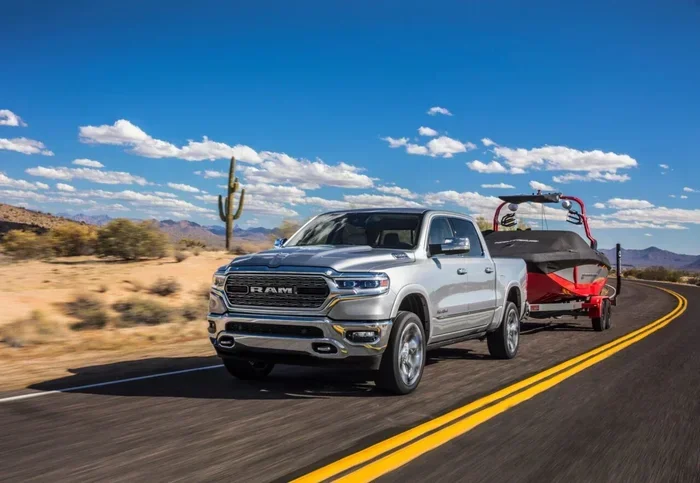
| RAM 1500 eTorque | 8,700 lbs | 8,700 lbs | Similar |
| Ford Maverick Hybrid | 4,000 lbs | 4,000 lbs | Similar |
As you can see, the gap varies by model. Some trucks show almost no difference. Others lose significant towing capacity. The pattern depends on the specific hybrid system design and how much the battery weighs.
Why Gas Engines Have More Towing Power
Gas engines are built for sustained power output. They run at high RPMs for long periods without overheating as quickly as hybrid systems. Large displacement engines produce consistent torque and horsepower throughout the towing range.
Gas trucks also benefit from simpler cooling systems. Without a hybrid battery and electric motor to manage, the cooling system focuses entirely on the engine. This gives gas trucks an advantage during long towing trips.
Another factor is the transmission. Many hybrid trucks use eCVT or automatic transmissions optimized for fuel economy. Gas truck transmissions are often geared specifically for towing performance. The gear ratios make a real difference when you are hauling heavy loads up mountain passes.
The Thermal Challenge: Cooling Systems and Towing
Heat is the enemy of any powertrain. But hybrid trucks face a unique thermal challenge. They have to cool both a gas engine and an electric motor and a battery pack. That is a lot of heat to manage.
Why Overheating Matters When Towing
When you tow a heavy trailer, every system in the truck works harder. The engine works harder. The transmission works harder. And in a hybrid, the battery and electric motor also work harder.
All of that extra work generates extra heat. If the cooling system cannot keep up, the truck will reduce power. This is called thermal throttling. Some hybrid trucks actually limit their towing capacity specifically to prevent overheating.
Gas trucks have a simpler thermal management job. They only need to cool the engine and transmission. This gives them more thermal headroom for sustained towing. It is one of the hidden reasons behind the towing gap.
Quick Tips for Hybrid Towing
If you own a hybrid truck and need to tow, these tips can help you stay safe and get the most out of your setup.
- Check your coolant levels before every trip. Hybrid cooling systems have more components to monitor.
- Take breaks on long hauls. Let the system cool down every 90 minutes or so.
- Do not exceed the hybrid towing limit. Even if the gas version can tow more, your hybrid has its own limits.
- Use the right towing mode. Many hybrids have a specific towing setting that optimizes power distribution.
- Monitor battery temperature. Some trucks let you check battery health in real time on the dashboard.
Hybrid Towing Packages and What They Offer
Some truck makers offer towing packages specifically designed for hybrid models. These packages can include upgraded cooling, reinforced transmissions, and special towing modes. They help bridge the gap between hybrid and gas towing performance.
But even with these packages, hybrids still cannot match the towing capacity of gas trucks in most cases. The physical limitations of the hybrid system create a ceiling that packages can raise but not eliminate.
Common Mistakes to Avoid
Truck buyers sometimes make mistakes when choosing between hybrid and gas for towing. Here are the most common ones to avoid.
- Assuming the hybrid number is the same as the gas number. Always check the specific towing capacity for the hybrid trim you are buying.
- Ignoring payload weight. The battery weight reduces your available payload. Do not overload the truck.
- Skipping the towing package. If your hybrid offers a towing package, get it. The extra cooling and gearing make a real difference.
- Towing at maximum capacity regularly. This puts extra strain on the hybrid system and shortens its lifespan.
- Not checking the hitch setup. Hybrid trucks sometimes have different hitch mounting points. Make sure your hitch is compatible.
The Future of Hybrid Towing Technology
The gap between hybrid and gas towing is not going to stay the same forever. Truck makers are investing heavily in hybrid and electric truck technology. The future of hybrid towing looks promising.
Expert Insights
According to automotive engineers, the next generation of hybrid trucks will use more advanced battery technology. These batteries will be lighter and more energy-dense. That means less weight penalty and more available towing capacity.
Some manufacturers are also working on dual-motor hybrid systems that can deliver more sustained power. Improved cooling systems will also help hybrid trucks handle towing loads better. The goal is to get the fuel efficiency of a hybrid without sacrificing towing performance.
We are already seeing early signs of this progress. Newer hybrid trucks are closing the gap with each model year. Within a few years, the towing difference between hybrid and gas trucks may be minimal for most models.
However, for now, if maximum towing capacity is your top priority, a gas truck still makes the most sense. Hybrid trucks shine in other areas like fuel economy, daily driving comfort, and environmental impact.
Key Takeaways
- Battery weight reduces payload: Hybrid battery packs add significant weight that eats into your available towing capacity.
- Electric motors have torque limits: While electric motors deliver instant torque, sustained towing power still falls short of large gas engines.
- Cooling systems play a big role: Hybrids struggle more with heat buildup during long towing sessions.
- Gas trucks still lead in towing numbers: The numbers speak clearly when you compare towing specs side by side.
- Hybrid efficiency shines in other areas: Hybrids save fuel in daily driving even if towing capacity takes a hit.
- Technology is improving: Future hybrid trucks are closing the gap with better cooling and powertrain designs.
- Know your needs before buying: Match the truck type to your actual towing requirements.
Conclusion
The question of why cant hybrids tow as much as their gas truck counterparts comes down to a mix of engineering trade-offs and physical limitations. Battery weight, thermal management challenges, and powertrain design all play a role in keeping hybrid towing numbers lower than their gas counterparts.
That said, hybrid trucks offer real benefits for buyers who do not need maximum towing capacity. The fuel savings are significant. The driving experience is smooth and quiet. And the environmental benefits are clear.
If your towing needs fall within the hybrid truck’s limits, a hybrid can be a great choice. You get excellent fuel economy for your daily commute and still have enough towing power for a small trailer or boat. Just know your numbers before you buy.
On the other hand, if you regularly haul heavy loads, travel long distances with a trailer, or need the absolute maximum towing capacity, a gas truck remains the better option. The technology is not there yet for hybrids to compete on raw towing power.
The truck market is evolving fast. Hybrid and electric trucks are improving every year. The day may come when hybrids match or even exceed gas trucks in towing capacity. Until then, understanding the trade-offs helps you make the smartest choice for your needs.
So before you make your next truck purchase, sit down and write out what you actually need the truck to do. If towing is a major part of your life, let the numbers guide you. If daily driving and fuel savings matter more, a hybrid might be your perfect match. Either way, you now have the full picture on why hybrids and gas trucks differ in towing performance.
FAQs
Why do hybrid trucks have lower towing capacity than gas trucks?
Hybrid trucks carry heavy battery packs that reduce available payload and towing capacity. The hybrid powertrain also faces thermal management challenges that limit sustained towing power. These engineering trade-offs result in lower towing numbers compared to gas-only trucks.
Can a hybrid truck tow a travel trailer?
Yes, most hybrid trucks can tow a travel trailer within their rated capacity. The key is to stay under the hybrid towing limit, which is often lower than the gas version. Always check your specific truck model’s towing specs before hitting the road.
Do hybrid towing packages make a difference?
Yes, hybrid towing packages can help. They include upgraded cooling systems, reinforced components, and optimized towing modes. However, they still cannot close the gap entirely between hybrid and gas towing capacity.
Are there any hybrid trucks that tow as much as gas trucks?
A few models show similar towing numbers between hybrid and gas versions. But these are exceptions rather than the rule. Most hybrid trucks still trail their gas counterparts in towing capacity due to battery weight and powertrain design.
Will future hybrid trucks match gas truck towing capacity?
The industry is working hard to close the gap. Lighter batteries, better cooling, and more powerful electric motors are all in development. Within the next few years, the difference may become much smaller or even negligible for some models.
Is it worth buying a hybrid truck if I tow occasionally?
Absolutely. If you tow lightly or only a few times per year, a hybrid truck can be a great choice. You get the fuel savings for daily driving and enough towing capacity for occasional loads. Just make sure your towing needs fit within the hybrid truck’s rated limits.