Why Did My Pre-Collision System Turn Off While Driving
Your pre-collision system can turn off for several reasons, from dirty sensors to a low battery. Understanding why this safety feature shuts down helps you stay protected on the road. This guide covers the top causes, easy fixes, and when to see a mechanic.
You are cruising down the highway, feeling confident and safe. Suddenly, a message pops up on your dashboard. It says your pre-collision system has turned off. Your heart skips a beat. What just happened? Why did my pre-collision system turn off while driving? This is a question many car owners face, and it can be really scary.
The pre-collision system is one of the most important safety features in modern vehicles. It helps you avoid or reduce the severity of crashes. When this system goes offline, you lose a layer of protection. The good news is that most causes are easy to fix. In this article, we will explore every reason your system might have shut off. We will also cover simple steps you can take right now.
Whether you drive a Toyota, Honda, Ford, or any other brand, this guide applies to you. Let us dive into the world of pre-collision safety and find out what went wrong.
Key Takeaways
- Dirty or blocked sensors are the most common reason your pre-collision system shuts off while driving.
- Low battery voltage can disable safety features like the pre-collision system unexpectedly.
- Camera or radar misalignment after a windshield replacement often triggers a system shutdown.
- Software glitches are usually fixed with a simple restart or system reset.
- Ignoring the warning light can leave you without critical safety assistance on the road.
- Regular maintenance keeps the pre-collision system working properly all year long.
- Professional diagnosis is the best step if simple fixes do not restore the system.
📑 Table of Contents
- What Is a Pre-Collision System?
- Why Did My Pre-Collision System Turn Off While Driving?
- How to Tell If Your Pre-Collision System Is Off
- Quick Tips to Keep Your Pre-Collision System Working
- Common Mistakes People Make
- When to See a Professional
- How Does the Pre-Collision System Work?
- Is It Safe to Drive With the System Off?
- How Much Does It Cost to Fix?
- Expert Insights on Pre-Collision System Maintenance
- Key Takeaways
- Conclusion
What Is a Pre-Collision System?
Before we look at why the system turns off, let us understand what it does. A pre-collision system is an advanced safety feature. It uses sensors, cameras, and radar to detect potential crashes. When it senses danger, it warns you. Sometimes it even applies the brakes automatically.
This system works alongside other features like forward collision warning and auto emergency braking. Together, they form a safety net. They help you stay safe on busy roads. Many modern cars come with this technology standard. It is also called a collision avoidance system or an accident prevention system.
The system relies on several components working together. These include a front-facing camera, radar sensors, and control modules. If any one of these parts fails, the whole system can shut down. That is when you see the warning message appear.
Why Did My Pre-Collision System Turn Off While Driving?
There are many reasons your pre-collision system might deactivate. Some are simple. Others need professional attention. Let us go through the most common causes one by one.
1. Dirty or Blocked Sensors
This is the number one reason. Your car has sensors located near the front bumper and behind the windshield. These sensors need a clear view of the road. When they get dirty, they cannot do their job properly.
Common culprits include:
- Mud and dirt buildup after off-road driving
- Snow and ice covering the sensor area
- Bug splatter on the front bumper
- Water pooling after heavy rain
- Adhesive from a new bumper or trim
When the sensors cannot see clearly, the system shuts itself off. It does this to avoid giving you false readings. A simple car wash often fixes this problem. Just make sure to clean the sensor areas gently.
2. Low Battery Voltage
Your car’s electrical system powers all the safety features. If your battery is weak or old, the voltage can drop. When this happens, the car prioritizes essential systems. The pre-collision system may be shut down to save power.
Signs of a low battery include:
- Dim headlights
- Slow engine cranking
- Dashboard lights flickering
- Electrical accessories working slowly
If your battery is more than three years old, consider testing it. A simple voltage check at any auto parts store can tell you if it needs replacement. Keeping your battery healthy keeps all your safety systems running.
3. Camera or Radar Misalignment
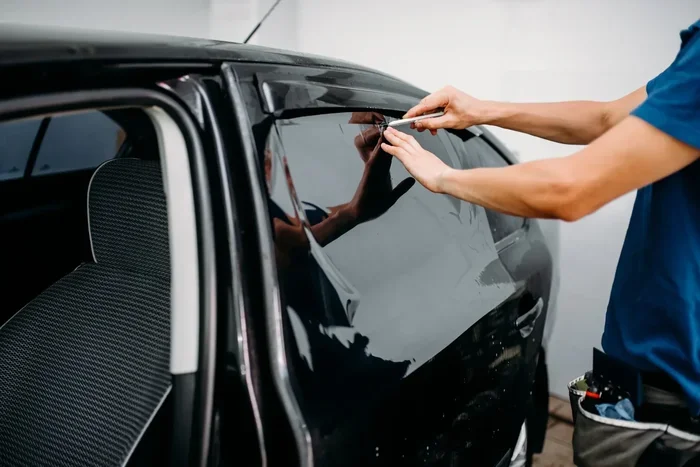
Have you recently had a windshield repair or replacement? This is a very common trigger. The front camera is usually mounted behind the rearview mirror. During a windshield change, the camera can get bumped or misaligned.
Even a slight shift in position can cause the system to deactivate. The car needs a calibration process after any windshield work. This process tells the system where the camera is pointing now. Without calibration, the pre-collision system will stay off.
The same issue can happen after:
- A front-end collision or fender bender
- Replacing a front bumper
- Installing a new roof rack or sensor guard
- Aftermarket accessory installation
4. Software Glitches and Updates
Modern cars run on complex software. Sometimes the system needs a reboot. A temporary software error can cause the pre-collision system to shut down. This is similar to your phone restarting when an app freezes.
Software updates from the manufacturer can also trigger a temporary shutdown. The car may restart the system as part of the update process. If the system does not come back online, a reset may be needed.
You can try a simple restart. Turn off the engine. Wait for at least two minutes. Then restart the car. This clears temporary errors in most cases. If the problem continues, a dealer visit may be necessary.
5. Faulty Wiring or Connectors
Your car has a network of wires connecting all the safety components. Over time, these wires can become loose or corroded. Vibration from driving can slowly work connectors free.
Moisture can also enter connectors and cause corrosion. This disrupts the signal between the sensors and the control unit. When the signal drops, the system shuts off to prevent errors.
This issue is more common in older vehicles or cars that have been in accidents. A mechanic can inspect the wiring harness and connectors. They can repair or replace damaged parts quickly.
6. System Override by the Driver
Some vehicles have a manual button to turn off the pre-collision system. You might have pressed it accidentally. This is more common than you think. Many drivers do not realize they have this option.
Check your owner’s manual for the location of the system controls. In some Toyota models, there is a pre-collision system off switch. In others, it is part of the driving mode settings. Always make sure the system is set to auto or on mode.
7. Extreme Weather Conditions
Weather plays a big role in how your safety systems work. Heavy rain, fog, and snow can confuse the sensors. The system may temporarily turn off when it cannot distinguish real obstacles from weather interference.
High temperatures can also affect sensor performance. Extreme heat can cause electronic components to behave unpredictably. Most systems reactivate once weather conditions improve.
8. ABS or Braking System Issues
The pre-collision system works closely with your ABS and braking system. If there is a problem with your brakes, the pre-collision system may shut off too. This is a safety measure. The car does not want to rely on a compromised braking system for automatic emergency braking.
Common brake-related issues include:
- Worn brake pads
- Low brake fluid level
- Faulty ABS module
- Air in the brake lines
If you notice any brake-related warning lights, address them immediately. They are connected to your pre-collision system.
9. Aftermarket Modifications
Have you added any aftermarket accessories to your car? Things like aftermarket bumpers, grilles, or sensor guards can interfere with the pre-collision system. These modifications can block or alter the sensor’s field of view.
Even something as simple as a front-mounted phone holder can cause issues if it is placed near the camera area. Always check with your dealer before installing accessories that go near sensor locations.
How to Tell If Your Pre-Collision System Is Off
It is not always obvious when the system has deactivated. Here are the most common signs to watch for:
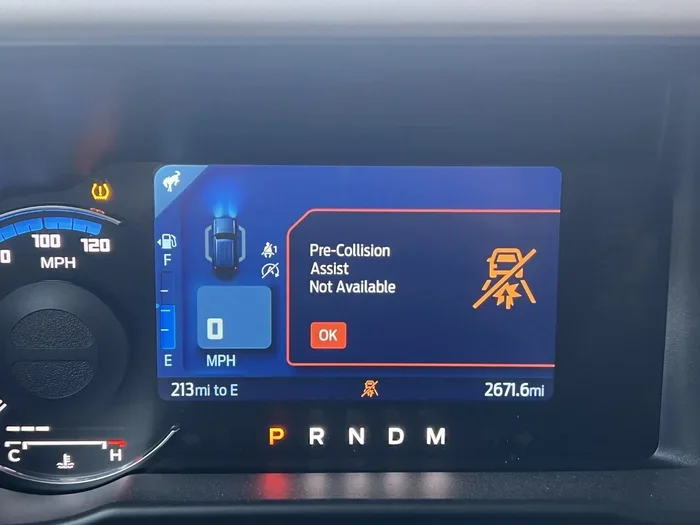
- A warning light on the dashboard shaped like a car with collision lines
- A message on the display screen saying the system is unavailable
- The forward collision warning feature stops working
- Auto emergency braking no longer activates
- The adaptive cruise control also turns off in some models
If you see any of these signs, pull over safely. Check the sensor areas for dirt or debris. Try restarting the car. If the system does not come back, schedule a service appointment.
Quick Tips to Keep Your Pre-Collision System Working
Prevention is always better than repair. Here are some simple tips to keep your system running smoothly:
- Keep your sensors clean. Wash the front of your car regularly. Pay special attention to the sensor areas near the bumper and windshield.
- Check your battery health. Test your battery every year. Replace it before it fails completely.
- Get calibration after repairs. Always request sensor calibration after any front-end work.
- Keep software updated. Visit the dealer for software updates when available.
- Avoid aftermarket modifications near sensor locations.
- Read your owner’s manual. Know where the system controls are and how to use them properly.
- Address warning lights immediately. Do not ignore any dashboard warnings related to safety systems.
Common Mistakes People Make
Here are mistakes that many drivers make when dealing with a pre-collision system issue:
- Ignoring the warning light. Some drivers just clear the message and keep driving. This leaves them without a critical safety feature.
- Trying DIY fixes without knowledge. Opening up sensor housings or connectors without proper training can cause more damage.
- Delaying service appointments. The longer you drive without the system, the higher your risk on the road.
- Assuming it will fix itself. While sometimes a restart works, persistent issues need professional diagnosis.
- Not checking the simple things first. A dirty sensor or low battery is often the cause, not a major repair.
Avoid these mistakes and you will stay safer on the road. A little attention goes a long way when it comes to your car’s safety systems.
When to See a Professional
Some issues you can handle on your own. Others need a trained technician. Here is when you should seek professional help:
- The system stays off after a restart and cleaning the sensors
- You see multiple warning lights on the dashboard
- Your car has been in an accident, even a minor one
- You recently had a windshield replacement
- The system turns off and on randomly while driving
- You hear clicking sounds or buzzing from the sensor area
A professional mechanic or dealer technician has the right tools. They can run diagnostic scans and check sensor alignment. They can also update software and replace faulty components. Do not hesitate to get help when you need it.
How Does the Pre-Collision System Work?
Understanding how the system works helps you appreciate why it shuts off. The system uses two main types of sensors:
Radar sensors are usually hidden in the front bumper. They send out radio waves that bounce off objects ahead. The system calculates the distance and speed of those objects.
Camera sensors are mounted behind the windshield near the rearview mirror. They use image recognition to detect vehicles, pedestrians, and road signs. The camera also reads lane markings and traffic signals.
Both sensors send data to a central control unit. The control unit processes the information in milliseconds. If it detects an imminent collision, it first alerts you with a warning beep and a visual signal. If you do not respond, it can apply the brakes automatically.
This entire process happens in a fraction of a second. It is one of the most impressive safety technologies in modern cars. Keeping it active should be a top priority for every driver.
Is It Safe to Drive With the System Off?
The short answer is yes, but with caution. Your car will still function normally for basic driving. You can accelerate, steer, and brake manually. However, you lose the extra safety net that the pre-collision system provides.
Without the system, you are more vulnerable in situations like:
- Sudden stops in heavy traffic
- Distracted driving moments
- Low visibility conditions like fog or rain
- Unexpected obstacles in the road
If your system is off, drive more defensively. Keep a greater following distance. Stay extra alert. And get the system fixed as soon as possible. Safety should always come first.
How Much Does It Cost to Fix?
The cost varies widely depending on the cause. Here is a rough breakdown:
- Sensor cleaning: Usually free if you do it yourself. A professional cleaning costs around 50 to 100 dollars.
- Battery replacement: Typically 100 to 250 dollars depending on the vehicle model.
- Camera recalibration: This can cost anywhere from 100 to 400 dollars.
- Sensor replacement: If a sensor is damaged, replacement can cost 300 to 800 dollars per sensor.
- Wiring repair: Costs depend on the extent of the damage, usually 150 to 500 dollars.
These are estimates and can vary by location and vehicle model. Always get a quote before authorizing repairs. Many insurance policies cover safety system repairs, especially after an accident.
Expert Insights on Pre-Collision System Maintenance
Automotive experts agree that regular maintenance is key. The pre-collision system is only as good as its components. Here is what seasoned mechanics recommend:
Check your sensors during every oil change. A quick visual inspection can catch dirt buildup early. Keep your windshield clean around the camera area. A dirty windshield can block the camera’s view even if the sensor itself is clean.
Do not ignore software recalls. Manufacturers sometimes issue recalls for software issues that affect safety systems. Stay informed by checking your manufacturer’s website or contacting your dealer.
Treat your car’s electrical system well. Avoid draining the battery by leaving lights on. Use a battery maintainer if your car sits for long periods. A healthy electrical system supports all your safety features.
Key Takeaways
- Dirty sensors are the most common reason for a system shutdown.
- Low battery voltage can disable safety features unexpectedly.
- Windshield replacement often requires sensor recalibration.
- Software glitches usually resolve with a simple restart.
- Wiring issues and corrosion need professional inspection.
- Regular cleaning and maintenance prevent most problems.
- Professional diagnosis is essential for persistent issues.
Conclusion
Now you know the answer to the question, why did my pre-collision system turn off while driving. The reasons range from simple dirt buildup to more complex electrical or software issues. The good news is that most problems are easy to fix and do not cost a lot of money.
Your pre-collision system is a vital safety feature. It works hard to keep you and your passengers safe every time you drive. Taking care of it should be part of your regular vehicle maintenance routine. Keep the sensors clean, maintain your battery, and address warning lights promptly.
Do not ignore the warning when the system shuts off. Pull over safely, check the basics, and restart the car. If the problem persists, seek professional help. A working pre-collision system gives you peace of mind on every trip. Stay safe, stay informed, and keep your car in top shape.
Is it safe to drive with the pre-collision system off?
Yes, it is safe in the short term, but you lose important crash prevention features. Drive more carefully and get the system fixed as soon as possible.
Can a dirty car cause the pre-collision system to turn off?
Absolutely. Mud, snow, or dirt covering the sensors can block their view and cause the system to deactivate. A simple wash usually fixes this.
How much does it cost to recalibrate the pre-collision camera?
Recalibration costs typically range from 100 to 400 dollars depending on your vehicle and the service provider.
Will the pre-collision system turn back on by itself?
Sometimes yes. A simple restart can clear temporary glitches. But if the underlying issue is not fixed, it will turn off again.
Does the pre-collision system need regular maintenance?
Yes. Regular cleaning of sensors and keeping your battery healthy are the best ways to maintain the system.
Can aftermarket accessories affect the pre-collision system?
Yes. Accessories installed near sensor areas can block or interfere with the system. Always check with your dealer before installing such accessories.
Frequently Asked Questions
What is Why Did My Pre-Collision System Turn Off?
Why Did My Pre-Collision System Turn Off is an important topic with many practical applications.