Why Is My Car Key Locked in the Ignition and Stuck Now
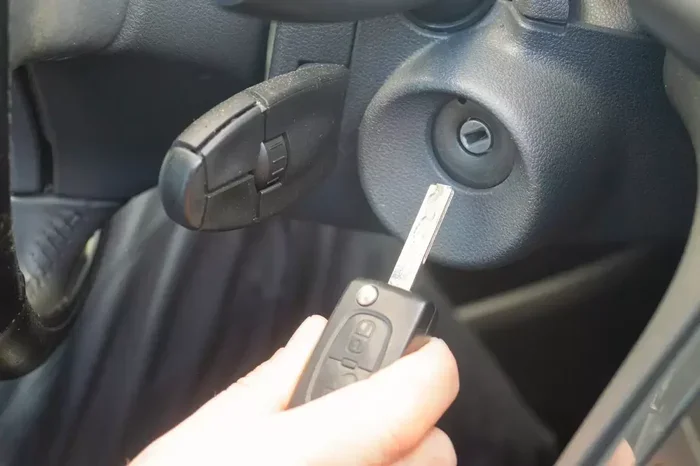
Why Is My Car Key Locked in the Ignition is a frustrating problem many drivers face. The most common causes include a steering wheel lock engagement, a faulty ignition lock cylinder, or the transmission not being in the right position. You can often fix this issue at home with simple techniques, but some situations require a professional locksmith. This guide walks you through every possible reason and solution step by step.
Key Takeaways
- Steering wheel lock is the #1 culprit: It engages automatically and jams the ignition barrel, making the key impossible to turn.
- Transmission position matters: If your gear selector is not fully in Park, the ignition switch will prevent key removal.
- Try gentle jiggling and wiggle techniques first: Many stuck key situations resolve with simple home tricks before calling a pro.
- Worn ignition lock cylinders need replacement: Over time, internal pins wear down and the key can no longer move freely.
- Call a locksmith when DIY methods fail: Forcing the key can break it inside the cylinder, creating a much bigger problem.
- Prevention is simple: Regular maintenance and good daily habits can prevent your car key from getting stuck again.
📑 Table of Contents
- Why Is My Car Key Locked in the Ignition and What to Do About It
- Common Reasons Why Your Key Stays Stuck in the Ignition
- How to Remove a Key Stuck in the Ignition
- Comparison: DIY Fixes vs Professional Help for a Stuck Key
- Ignition Switch Problems and Warning Signs
- Prevention Tips to Avoid Future Lockouts
- When to Call a Professional Locksmith
- What Happens If the Key Breaks Off Inside the Ignition
- How Cold Weather Affects Your Ignition Key
- Key Differences Between Older and Newer Ignition Systems
- Conclusion
Why Is My Car Key Locked in the Ignition and What to Do About It
You turn the car off. You reach for the key. And then… nothing. The key is stuck. The ignition won’t budge. You’re standing in your driveway, parking lot, or roadside feeling completely stuck. This is one of those moments that throws off your entire day. Why is my car key locked in the ignition? There are actually several reasons this happens, and most of them are much simpler to fix than you might think.
The good news is that you are not alone. This is one of the most common car troubles drivers experience. Whether you drive a sedan, truck, or SUV, a stuck ignition key can happen to anyone. The key might be jammed because of a steering wheel lock, a worn-out ignition cylinder, or even a simple gear position issue. Understanding the root cause is the first step toward getting your key back and your day back on track.
This guide covers every reason your key might be stuck, gives you proven fixes you can try right now, and tells you exactly when to call in a professional. No fluff. No guesswork. Just clear, actionable advice that actually works.
Why This Problem Happens More Than You Think
Most drivers assume a stuck key means something is seriously broken. That is rarely true. In the majority of cases, the fix takes less than two minutes. The ignition lock mechanism is a simple mechanical system. It has moving parts, and like any moving parts, it can get stuck. Understanding how the system works helps you stay calm and figure out the solution faster.
Car manufacturers design the ignition lock to work with the steering column lock. When you turn off the engine and remove the key, the steering column lock engages automatically. This is a security feature. But sometimes, the steering wheel shifts slightly after the car shuts off, and the lock presses against the ignition barrel. The result? Your key won’t turn or come out. It is a small mechanical conflict that causes a big headache.
The ignition lock cylinder itself can also wear down over time. Every time you insert and turn your key, tiny internal pins move. After thousands of uses, those pins wear smooth. The key no longer engages properly, and it gets stuck. This is especially common in older vehicles or cars with high mileage. Knowing this helps you take better care of your ignition system and avoid future problems.
Common Reasons Why Your Key Stays Stuck in the Ignition
There are several reasons your car key locked in the ignition situation might be happening. Each one has a different fix, so it is important to identify the right cause before you try anything. Here are the most common reasons drivers find themselves dealing with a stuck key.
Steering Wheel Lock Engagement
This is the number one reason keys get stuck. When you turn off the engine and the steering wheel locks into place, it can put pressure on the ignition barrel. The key cannot turn or slide out because the steering column lock is blocking the mechanism. This happens naturally, especially if you turned the steering wheel slightly while shutting off the car.
The fix is usually simple. Gently wiggle the steering wheel left and right while trying to turn the key. You will feel the lock release. Once it releases, the key should turn freely. This is a quick fix that works in most cases. Do not force the wheel or the key. Gentle pressure is all you need.
Transmission Position Not in Park
Many cars have a safety feature that prevents the key from being removed unless the transmission is fully in Park. If your gear selector is even slightly between Park and Neutral, the ignition lock will not release. This is common in automatic transmissions and can happen when the car is on a slight incline.
To fix this, press the brake pedal firmly and move the gear selector all the way into Park. You should feel it click into place. Then try removing the key again. If the key still does not move, the problem is likely something else. But this is an easy check that many drivers skip entirely.
Worn or Damaged Ignition Lock Cylinder
The ignition lock cylinder is the actual mechanism where the key turns. Over time, the internal components wear down. The key grooves no longer match the worn pins perfectly, and the key gets stuck. This is especially common in vehicles that are 10 years old or older. If you have been turning the key roughly or using a worn key, this wear happens even faster.
Signs of a worn ignition cylinder include a key that is hard to turn, a key that feels loose in the ignition, or a key that jams at certain positions. If you notice these symptoms, it is best to address them early before the key breaks off inside the cylinder. A key cylinder replacement is a straightforward repair that a mechanic or locksmith can handle quickly.
Key Fob Battery and Transponder Issues
Modern cars use electronic key fobs with built-in transponders. The car’s computer needs to recognize the key before the ignition will release. If the key fob battery is dead or low, the car might not recognize the key, and the ignition lock stays engaged. This is a common issue with newer vehicles that have push-button start or smart key systems.
Replacing the battery in your key fob is usually the fix. Most fobs use a small CR2032 coin battery. Open the fob, swap the battery, and try again. If the key still does not work, the transponder chip inside the fob might be damaged. In that case, you will need a replacement fob programmed to your vehicle.
Broken or Bent Key
A key that is physically damaged can get stuck in the ignition. If the key is bent, cracked, or has worn-down teeth, it will not turn properly inside the cylinder. Keys wear out over time, especially if they are used daily. Metal fatigue from constant use can cause a key to snap inside the ignition, which is an even worse scenario.
If your key looks worn or damaged, have a locksmith for car keys cut a new one before it breaks off in the ignition. A new key matched to your ignition cylinder will turn smoothly and reduce the risk of getting stuck. It is a small investment that saves a lot of trouble down the road.
How to Remove a Key Stuck in the Ignition
Now that you know the common causes, let us talk about solutions. Here are the best methods for removing a stuck ignition key. Try them in order, starting with the simplest techniques.
Step-by-Step Home Fixes
Step 1: Wiggle the steering wheel gently left and right while attempting to turn the key. The steering column lock is the most common culprit, and this simple motion usually releases it.
Step 2: Press the brake pedal firmly and shift the transmission into Park. Make sure you hear the click. Then try pulling the key out again.
Step 3: Jiggle the key gently while turning it. Do not force it. Use a gentle rocking motion, pushing the key slightly inward while turning it back and forth.
Step 4: Try spraying a small amount of graphite lubricant or a silicone-based spray into the ignition cylinder. This can help reduce friction on stuck internal pins. Do not use oil-based lubricants, as they can attract dust and make the problem worse over time.
Step 5: If the key is partially stuck and you can grip it, pull it straight out with a steady, gentle motion. Do not yank or twist violently.
Quick Tip
Keep a spare key in a safe place at home. If your primary key gets stuck and you cannot remove it, having a backup means you can still drive your car to a repair shop without waiting for a locksmith.
When Home Fixes Do Not Work
Sometimes the key is truly stuck and none of the home tricks work. This usually means the ignition lock cylinder has a deeper mechanical problem. The internal pins might be broken, the cylinder might be seized, or the key might have broken inside the lock. In these situations, it is time to stop trying and call for professional help.
Forcing the key out is the worst thing you can do. You risk breaking the key inside the cylinder, which turns a simple fix into an expensive repair. A broken key inside the ignition requires special tools to extract and a full cylinder replacement. What might have cost $50 to fix now costs $200 or more.
Comparison: DIY Fixes vs Professional Help for a Stuck Key
| Method | Cost | Time | Risk Level | Best For |
|---|---|---|---|---|
| Wiggle steering wheel | Free | 1 minute | Very Low | Steering lock engagement |
| Shift to Park | Free | 30 seconds | Very Low | Transmission position issue |
| Jiggle key gently | Free | 1-2 minutes | Low | Slightly stuck key |
| Graphite lubricant | $5-$10 | 2 minutes | Low | Sticky or stiff ignition |
| Call a locksmith | $50-$150 | 15-30 minutes | Very Low | Key broken in cylinder, deep jam |
| Visit a mechanic | $100-$300 | 30-60 minutes | Low | Ignition switch replacement |
As you can see, most DIY fixes cost nothing and take just a couple of minutes. Professional help is worth the cost when the problem is beyond a simple fix. The key is knowing when to stop trying and when to call for backup.
Ignition Switch Problems and Warning Signs
A stuck key is not always the only problem. Sometimes the ignition switch itself is failing, and the key getting stuck is just one symptom. Ignition switch problems can affect your entire vehicle, from the starting system to the electrical components.
Signs Your Ignition Switch Is Failing
Watch for these warning signs that your ignition switch might be going bad:
- The key turns but the engine does not start
- The dashboard lights flicker or go completely dead when you turn the key
- The key gets stuck in the “Off” position and will not return to the “On” position
- You notice grinding or clicking sounds when turning the key
- The car stalls randomly while driving
- Electrical accessories like power windows or the radio stop working intermittently
If you notice any of these signs alongside a stuck key, the ignition switch is likely the root cause. Ignition switch failure is a serious issue that should be addressed promptly. A failing switch can leave you stranded unexpectedly.
Ignition Switch Replacement Cost
The cost to replace an ignition switch varies depending on your vehicle make and model. For most cars, the parts cost ranges from $20 to $150, and labor adds another $50 to $150. Luxury vehicles and newer models with advanced security systems can cost more. Overall, you are looking at $70 to $300 for a full ignition switch replacement in most cases.
Expert Insight
Automotive technicians recommend addressing ignition switch problems early. A switch that is starting to fail will only get worse over time. What begins as a slightly stiff key can turn into a complete ignition failure that leaves you unable to start your car. Catching the problem early saves money and prevents roadside breakdowns.
Prevention Tips to Avoid Future Lockouts
The best way to deal with a stuck key is to prevent the problem from happening in the first place. A few simple daily habits can keep your ignition system working smoothly for years.
Daily Habits That Help
- Always come to a complete stop before turning the key to the Off position
- Make sure the steering wheel is straight when you shut off the engine
- Shift the transmission fully into Park before removing the key
- Do not turn the key with excessive force
- Keep your key clean and free of debris
- Replace your key when you notice wear on the teeth
- Change your key fob battery once a year
Maintenance Schedule for Your Ignition
Treat your ignition system like any other part of your car. It needs regular attention. Here is a simple maintenance schedule:
- Every month: Check that the key turns smoothly. If it feels stiff, apply a small amount of graphite lubricant.
- Every 6 months: Inspect your key for wear. Look for bent teeth or a bent key shaft.
- Every 2 years: Replace the key fob battery even if it still works. This prevents sudden failure.
- Every 5 years: Have a mechanic inspect the ignition lock cylinder for internal wear.
- As needed: Replace the key itself every 5-7 years or when you notice turning difficulty.
Following this simple schedule dramatically reduces the chance of finding yourself with a car key locked in the ignition. Prevention is always easier and cheaper than repair.
Common Mistakes to Avoid
- Forcing the key out: This is the number one mistake. Yanking or twisting the key violently can snap it inside the cylinder.
- Using oil-based lubricants: WD-40 and similar products attract dust and grime, which makes the problem worse over time.
- Ignoring warning signs: A key that is getting harder to turn is telling you something. Address stiffness early before it becomes a full jam.
- Using the wrong key: If you have duplicate keys made at a hardware store, they might not match your ignition perfectly. Always use keys cut by a professional locksmith.
- Turning the key while the car is still rolling: This can damage the ignition lock mechanism and the steering column lock.
When to Call a Professional Locksmith
There is no shame in calling a professional. In fact, knowing when to call for help is a sign of smart car ownership. Some situations are simply beyond what a DIY fix can handle.
DIY vs Professional Help
Try the home fixes first. If the steering wheel wiggle, the Park shift, and the gentle jiggling do not work within a few minutes, it is time to call a locksmith. Also call a professional if:
- The key is broken inside the ignition cylinder
- The key will not go in at all
- You hear grinding or clicking when turning the key
- The ignition feels completely stuck and unresponsive
- You have tried everything and the key still will not move
A professional locksmith has the right tools and expertise to extract a broken key and replace the ignition cylinder without causing additional damage. They can also reprogram your key fob if the transponder is the issue.
Choosing the Right Locksmith
Not all locksmiths are the same. Look for a licensed and insured locksmith who specializes in automotive services. Check online reviews and ask for recommendations from friends or family. A good locksmith will arrive quickly, diagnose the problem on the spot, and give you a clear price estimate before starting any work.
Ask about ignition lock repair cost upfront. Most locksmiths offer free estimates over the phone. Knowing the cost before the repair begins helps you make an informed decision and avoids surprise bills.
What Happens If the Key Breaks Off Inside the Ignition
This is the worst-case scenario, but it does happen. If your key breaks inside the ignition cylinder, you will not be able to turn the ignition or remove the remaining piece. The broken key fragment blocks the cylinder mechanism entirely. In this situation, you cannot start the car, and you cannot remove the broken piece without professional tools.
Do not try to extract the broken key yourself with tweezers or other tools. You risk pushing the fragment deeper into the cylinder, which makes the extraction much harder. A locksmith has specialized extraction tools designed to remove broken key pieces safely. They can then cut a new key and, if needed, replace the ignition cylinder.
The cost for this type of repair is higher than a simple stuck key situation, but it is still manageable. Most locksmiths can handle a broken key extraction and replacement for $100 to $250, depending on the vehicle and the extent of the damage.
How Cold Weather Affects Your Ignition Key
Cold weather is another common cause of a stuck ignition key. In freezing temperatures, the metal of the key and the ignition cylinder contract at different rates. This can cause the key to swell slightly or the internal pins to freeze in place. Moisture inside the cylinder can also freeze, creating a blockage.
If you live in a cold climate, there are a few things you can do. Keep your car in a garage whenever possible. Apply a small amount of graphite lubricant to the key shaft before winter sets in. If the key is stuck on a cold morning, warm the key gently with your hands or breathe warm air around the ignition before trying to turn it.
Never use boiling water or a heat gun on the ignition cylinder. Extreme heat can damage the plastic components and the internal wiring of the ignition system. Gentle warming is always the safest approach.
Key Differences Between Older and Newer Ignition Systems
Understanding the difference between older and newer ignition systems helps you troubleshoot more effectively. Older vehicles use a traditional mechanical key and cylinder system. Newer vehicles often have electronic ignition systems, push-button start, and smart key technology.
In older vehicles, a stuck key is usually a mechanical problem. The cylinder wears out, the key bends, or the steering lock engages. In newer vehicles, a stuck key is more often an electronic issue. The transponder chip fails to communicate with the car’s computer, the key fob battery dies, or the electronic ignition module malfunctions.
Both systems have their own set of common problems and solutions. The fixes outlined in this guide apply to both, but the approach may differ slightly depending on your vehicle type.
Conclusion
Finding your car key locked in the ignition is stressful, but it is almost always fixable. The most common causes are a steering wheel lock, a transmission position issue, or a worn ignition cylinder. Most of the time, you can resolve the problem at home with simple techniques like wiggling the steering wheel, shifting to Park, or applying graphite lubricant.
When home fixes do not work, do not force the key. Call a professional locksmith who can safely extract the key and repair or replace the ignition cylinder. Prevention is your best long-term strategy. Keep your key in good condition, lubricate the cylinder regularly, and address stiffness early before it becomes a full lockout.
Remember, a stuck ignition key is a common, manageable problem. You have the knowledge now to handle it confidently. The next time your key gets stuck, stay calm, work through the steps, and you will be back on the road in no time.
Frequently Asked Questions
Can I use WD-40 to lubricate my ignition cylinder?
It is best to avoid WD-40 and other oil-based lubricants for your ignition. These products attract dust and grime over time, which can make the lock stickier. Use a dry graphite lubricant or a silicone-based spray instead. These products reduce friction without leaving a residue that builds up inside the cylinder.
How much does it cost to replace an ignition lock cylinder?
The cost typically ranges from $100 to $300 for parts and labor combined. The exact price depends on your vehicle make and model, the locksmith or mechanic you choose, and whether you need a new key cut as well. Luxury vehicles and newer models with advanced security features may cost more.
What should I do if my key breaks off in the ignition?
Do not try to extract the broken piece yourself. Call a professional locksmith who has specialized extraction tools. They can safely remove the broken key fragment, cut a new key, and replace the ignition cylinder if needed. Attempting DIY extraction risks pushing the fragment deeper and causing more damage.
Why does my key get stuck in the ignition when the car is on a hill?
On an incline, the transmission may not settle fully into Park, which prevents the ignition lock from releasing. Always press the brake pedal firmly and shift the gear selector all the way into Park before removing the key. This ensures the transmission lock engages properly and allows the key to turn freely.
Is a stuck ignition key a sign of a bigger problem with the car?
Usually, a stuck key is a simple mechanical issue like a steering lock engagement or a worn cylinder. However, if you also notice flickering dashboard lights, difficulty starting the engine, or the car stalling, the ignition switch may be failing. These additional symptoms warrant a professional inspection to rule out a more serious electrical problem.
How can I prevent my car key from getting stuck in the ignition again?
Maintain good daily habits: always shift fully into Park, keep the steering wheel straight when shutting off, and avoid forcing the key. Apply graphite lubricant to the key shaft every few months, replace the key fob battery annually, and have the ignition cylinder inspected every couple of years. These simple steps go a long way in preventing future lockouts.