Can You Manually Release an Electronic Parking Brake Now
Yes, you can manually release an electronic parking brake in an emergency. This guide shows you how to safely override the system using a release cable or release button. Learn the steps, tools, and safety tips to handle a stuck parking brake without a mechanic.
Yes, you can manually release an electronic parking brake. It might sound tricky, but the process is simpler than you think. Most modern cars have a hidden backup system for exactly this situation. Whether your e-brake is stuck because of a dead battery or a glitchy brake module, you have options. This guide will walk you through each step with clear instructions and safety tips.
A stuck parking brake can turn a quick errand into a headache. You might be in a hurry, and suddenly your car won’t move. Before you call a tow truck, take a breath. Many drivers face this problem every day. The good news is that you can often fix it yourself. I’ll show you how to handle a stuck parking brake without a mechanic. You’ll learn the tools you need, the methods that work, and when it’s time to seek help.
Understanding your electronic parking brake gives you confidence. It also saves you time and money. Let’s dive into the details of manual release and get you back on the road safely.
Key Takeaways
- Manual release is possible: Most electronic parking brakes have a backup cable or button for emergencies.
- Safety first: Always park on a flat surface and use wheel chocks before attempting a manual release.
- Locate the release mechanism: Check under the trunk floor or near the center console for a cable or override switch.
- Use the right tools: A flashlight, pliers, and a small wrench may be needed to access the release.
- Reset after release: Once freed, drive to a mechanic to inspect the brake system and fix the root cause.
- Prevent future issues: Regular maintenance, checking brake fluid, and avoiding moisture can keep your electronic parking brake working smoothly.
📑 Table of Contents
- What Is an Electronic Parking Brake and Why It Gets Stuck
- Can You Manually Release an Electronic Parking Brake? Yes, Here’s How
- Step-by-Step Guide to Manual Release
- Common Mistakes to Avoid When Manually Releasing an Electronic Parking Brake
- Preventing Future Electronic Parking Brake Issues
- Expert Insights and Final Thoughts
What Is an Electronic Parking Brake and Why It Gets Stuck
An electronic parking brake (often called an e-brake) is a modern upgrade from the traditional lever or pedal. Instead of a cable you pull by hand, a button or switch sends a signal to a motor. That motor engages the rear brakes. It’s clean, easy, and works with the touch of a finger. But like any electronic system, it can fail. Understanding how it works helps you troubleshoot problems.
How Electronic Parking Brakes Work
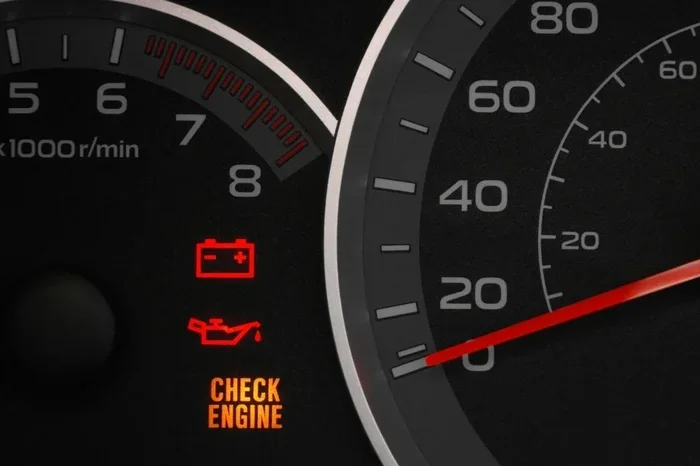
The system relies on a brake module and electric motors. When you press the parking brake button, the module sends power to the motors. The motors then pull the parking brake cable or directly apply the brake pads. A parking brake light on your dashboard confirms the system is active. When you release the button, the motors retract the cable. This whole process happens in seconds.
But what happens when the power fails? A dead car battery is the most common culprit. Without power, the motors can’t move. The e-brake stays engaged. Other times, a faulty sensor or corroded connector causes the issue. Moisture can get inside the brake module and cause corrosion. This leads to a stuck electronic parking brake. In rare cases, a software glitch freezes the system. No matter the cause, you need a way out.
Common Causes of a Stuck Electronic Parking Brake
- Dead or weak car battery: The system loses power and can’t release the brake.
- Corroded brake module connectors: Moisture causes rust, blocking the signal.
- Faulty brake motor: The electric motor burns out or gets stuck.
- Broken parking brake cable: The cable snaps or stretches beyond adjustment.
- Software error: The brake module needs a reset or update.
- Worn brake pads: Excessive wear triggers the parking brake light and locks the system.
Each of these issues can lead to a stuck parking brake. Knowing the cause helps you choose the right fix. But first, let’s answer the big question: Can you manually release an electronic parking brake? The short answer is yes. And I’ll show you exactly how.
Can You Manually Release an Electronic Parking Brake? Yes, Here’s How
The short answer is yes. Almost all cars with an electronic parking brake have a manual override. Car manufacturers know that electronics can fail. That’s why they build a backup into the system. You can use a release cable or an override button to free the brakes. Both methods are safe and effective. Let’s look at each one in detail.
Before you start, make sure your car is parked on a flat surface. Turn off the engine and engage the regular brake pedal. If you’re on a hill, use wheel chocks. Safety comes first. A sudden release can cause the car to roll.
The Manual Release Cable Method
Many vehicles have a manual release cable hidden under the trunk or rear seat. This cable connects directly to the parking brake cable. Pulling it disengages the electronic brake. Here’s how to find and use it.
- Open the trunk and look under the carpet on the floor.
- You might see a small cover or a rubber plug near the center.
- Remove the cover to reveal a metal cable with a hook or handle.
- Pull the cable firmly toward you. You may need to use pliers if the handle is hard to grip.
- You should hear a click or feel the brake release.
This method works on many Honda, Toyota, Ford, and Chevrolet models. The release cable is a simple mechanical backup. It bypasses the electric motor entirely. If you can’t find the cable, check your owner’s manual. It will show the exact location for your car.
Using the Override Button
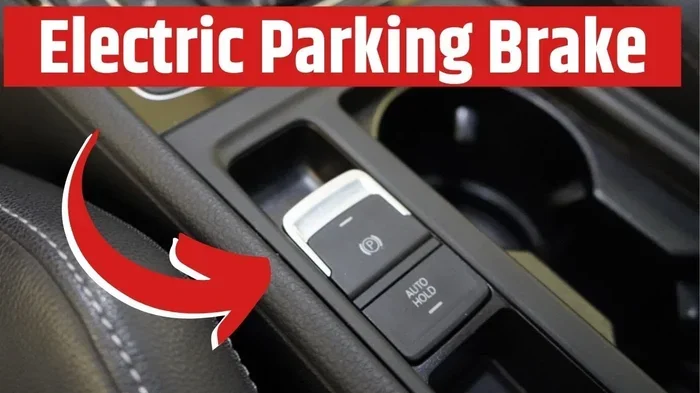
Some cars have an override button or a parking brake override switch. This is often located near the center console or under the steering column. It’s a small red or black button that you press to manually release the brake. The electronic parking brake release button is part of the emergency procedure.
To use the override button:
- Turn the ignition to the “On” or “Accessory” position. You don’t need to start the engine.
- Press and hold the override button while you pull the parking brake lever (if your car has one) or press the release button on the console.
- The brake module should disengage the motor.
- Release the button and try to move the car.
Not all vehicles have this feature. Luxury brands and some European models might use a different approach. Always consult your owner’s manual for specific instructions.
Comparison: Manual Release Cable vs. Override Button
Both methods can free a stuck e-brake. Here’s how they compare:
| Feature | Manual Release Cable | Override Button |
|---|---|---|
| Location | Under trunk carpet or rear seat | Center console, steering column, or glove box |
| Tools Needed | Flashlight, pliers (optional) | None |
| Difficulty | Moderate | Easy |
| Works Without Power? | Yes (purely mechanical) | No (requires electrical power) |
| Best For | Dead battery, motor failure | Software glitch, sensor error |
The release cable is the most reliable option because it doesn’t depend on electricity. If your battery is completely dead, the cable is your best bet. The override button is faster when the car has some power but the system is glitchy. Keep both methods in mind as you troubleshoot.
Step-by-Step Guide to Manual Release
Now I’ll walk you through a complete manual release. I’ll use the release cable method because it works in the most situations. Follow these steps carefully.
What You’ll Need
- Flashlight: To see under the trunk or seat.
- Flathead screwdriver or trim tool: To pry off the carpet cover.
- Pliers or adjustable wrench: In case the cable handle is stuck.
- Wheel chocks: To prevent the car from rolling.
- Owner’s manual: For your specific car model.
Quick Tips for a Smooth Release
- Keep a flashlight in your trunk at all times. You never know when you’ll need it.
- Apply a little penetrating oil to the cable if it feels stiff. Let it sit for a few minutes.
- Have a friend help you. One person can pull the cable while the other watches the dashboard light.
- Take your time. Rushing can damage the cable or the brake module.
Step-by-Step Instructions
- Park on a flat surface. Turn off the engine and remove the key. Apply the regular foot brake.
- Engage wheel chocks. Place chocks behind the front tires. This prevents any movement.
- Open the trunk. Look at the floor under the carpet. You may need to lift the carpet edge or remove a plastic cover.
- Locate the release cable. It’s usually a metal cable with a T-handle or a hook. It connects to the parking brake cable.
- Pull the cable. Pull it toward you with steady pressure. Don’t yank too hard. You should feel the brake disengage.
- Check the dashboard. The parking brake light should turn off. If it doesn’t, release the cable slowly and try again.
- Try to move the car. Start the engine and gently release the foot brake. The car should roll freely.
If the brake still doesn’t release, the brake module might need a reset. Try turning the ignition off, waiting 30 seconds, and turning it back on. This can clear a temporary software error.
Safety Precautions
- Never attempt a manual release on a steep hill without wheel chocks. The car could roll and cause an accident.
- Don’t force the cable. If it doesn’t move, something might be jammed. Seek professional help.
- Wear gloves. The cable and brake components can be sharp or dirty.
- Keep your hands clear of moving parts. When you start the engine, ensure nothing is near the wheels.
- Use the emergency release only as a temporary fix. Drive to a mechanic as soon as possible.
Following these safety tips protects you and your vehicle. A stuck parking brake can be frustrating, but rushing can make it worse.
Common Mistakes to Avoid When Manually Releasing an Electronic Parking Brake
Even with good intentions, drivers make mistakes that can turn a simple fix into a bigger problem. Here are the most common errors and how to avoid them.
Mistake 1: Forcing the Cable Too Hard
It’s tempting to yank the release cable if it feels stuck. But excessive force can snap the cable or damage the brake module. If the cable won’t move, stop and check for obstructions. A little penetrating oil can help loosen a corroded connection. Patience is your best tool here.
Mistake 2: Ignoring the Parking Brake Light
If the parking brake light stays on after you pull the cable, don’t ignore it. That light means the system still thinks the brake is engaged. It could indicate a faulty sensor or a wiring issue. Driving with the light on can drain your battery or confuse other drivers.
Mistake 3: Skipping Wheel Chocks
Some people try to release the brake without chocking the wheels. This is dangerous. Even on a slight slope, the car can roll the moment the brake disengages. Always use wheel chocks. They cost almost nothing and can prevent a costly accident.
Mistake 4: Forgetting to Check the Brake Fluid
A stuck e-brake sometimes points to low brake fluid. The brake system relies on hydraulic pressure for normal braking. If the fluid is low, the parking brake might not release properly. Check the reservoir under the hood. Top it up with the manufacturer-recommended fluid.
Mistake 5: Assuming the Problem Is Solved
A manual release gets you moving, but it doesn’t fix the root cause. The electronic parking brake might fail again tomorrow. Always follow up with a proper inspection. A mechanic can test the brake module, check the motor, and scan for error codes.
Avoiding these mistakes saves you time, money, and stress. Treat the manual release as a temporary bridge to a permanent fix.
Preventing Future Electronic Parking Brake Issues
The best way to deal with a stuck parking brake is to prevent it from happening. Simple habits can keep your electronic parking brake working smoothly for years.
Regular Maintenance Tips
- Check brake fluid regularly: Low fluid can cause the system to malfunction. Top it up with the correct type.
- Keep the battery healthy: A weak battery can’t power the brake module. Test your battery annually.
- Clean the connectors: Spray a thin layer of dielectric grease on the brake module connectors. This prevents corrosion.
- Listen for unusual sounds: Clicking or grinding when you use the parking brake is a warning sign.
- Follow the service schedule: Your owner’s manual has a recommended maintenance interval for the parking brake system.
Driving Habits That Help
- Always release the e-brake before driving: Driving with the parking brake on wears out the brakes quickly.
- Don’t leave the car on steep hills with the parking brake engaged for long periods: This can cause the cable to stretch or the motor to overheat.
- Use the brake pedal to hold the car on hills: Instead of relying solely on the electronic parking brake, use the foot brake when parked on inclines.
- Avoid moisture exposure: If you drive through deep water, let the brakes dry out. Moisture can corrode the brake module and connectors.
A little care goes a long way. These habits reduce the chance of a stuck parking brake and extend the life of your entire brake system.
Expert Insights and Final Thoughts
I’ve seen many drivers panic when their electronic parking brake won’t release. The good news is that you have more control than you think. A manual release is built into your car for exactly this reason. It’s a simple mechanical backup that can save you from a costly tow.
Remember the key steps: find the release cable or override button, follow the safety precautions, and never force anything. If the problem persists, a professional mechanic can diagnose the root cause. They have specialized tools to reset the brake module and inspect the parking brake cable. Sometimes the fix is as simple as replacing a corroded connector or a worn parking brake cable.
Your car’s brake system is its most important safety feature. Treat it with respect. Whether you handle a stuck e-brake yourself or visit a shop, the goal is the same: a safe, reliable vehicle. Next time you face a stuck parking brake, you’ll know exactly what to do. You’ve got this.
So next time you ask, Can You Manually Release an Electronic Parking Brake?, remember that the answer is yes. You have the knowledge and the power to handle it. Share this guide with a friend who might need it. And if you have questions, drop them in the comments below. I’ll be happy to help.
Frequently Asked Questions
Can You Manually Release an Electronic Parking Brake on a Hybrid Car?
Yes, hybrid cars also have a manual override. The release cable method works the same way. Check your owner’s manual for the specific location. Hybrids often have a brake module that can be reset by disconnecting the 12-volt battery for a few minutes.
What Happens If You Don’t Release a Stuck Electronic Parking Brake?
Leaving a stuck parking brake engaged can damage the brake pads and rotors. The motor can overheat and burn out. It also increases fuel consumption because the brakes are dragging. Always address a stuck e-brake promptly to avoid costly brake repair.
Is It Safe to Drive With a Manually Released Electronic Parking Brake?
Yes, it’s safe for a short distance. The manual release is a temporary solution. Drive carefully to a service center. The parking brake light may stay on, which is normal after a manual override. Have a mechanic inspect the system before relying on the electronic parking brake again.
How Do You Reset the Electronic Parking Brake After a Manual Release?
After you release the stuck parking brake, drive the car at a low speed and apply the brake pedal several times. This helps the brake module relearn the brake pad position. If the parking brake light remains on, you may need a diagnostic tool to clear the error code.
Can a Dead Battery Cause the Electronic Parking Brake to Stick?
Absolutely. A dead or weak battery is the most common cause of a stuck e-brake. Without power, the motor can’t release the brake. Keep a battery maintainer or jumper cables in your trunk. This simple car maintenance step can prevent many electronic parking brake issues.
What Tools Do You Need for a Manual Electronic Parking Brake Release?
You typically need a flashlight, a flathead screwdriver, and possibly pliers. The release cable is usually accessible without special tools. If the cable handle is stuck, a small wrench or adjustable pliers helps. Always keep your owner’s manual handy for model-specific guidance.