Why Is My RCTA Light On and What It Means for Safety
Why Is My RCTA Light On is an essential topic that provides valuable insights.
Key Takeaways
- Understanding Why Is My RCTA Light On: Provides essential knowledge
📑 Table of Contents
- What Is the RCTA Light and How Does It Work?
- Why Is My RCTA Light On? Common Causes
- What Does the RCTA Light Mean for Your Safety?
- How to Fix the RCTA Light On Problem
- RCTA Light on Different Car Brands
- Preventing the RCTA Light From Coming On
- Expert Insights on RCTA System Maintenance
- Key Takeaways
- Conclusion
What Is the RCTA Light and How Does It Work?
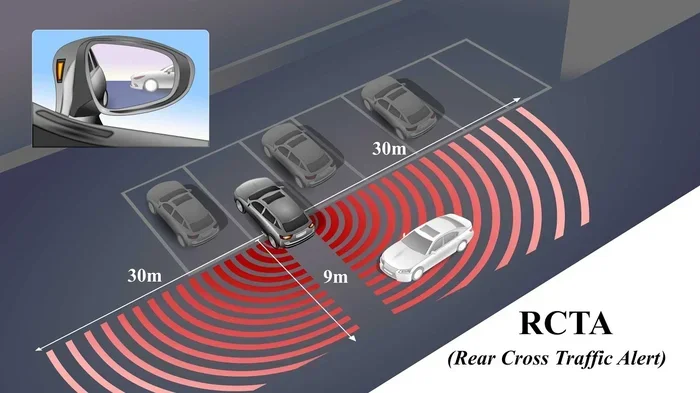
The RCTA light is part of your car’s blind spot monitoring family. It uses sensors mounted in your rear bumper to detect vehicles approaching from the sides when you are in reverse. When the system spots a potential collision risk, it flashes a warning on your dashboard and may also beep loudly.
How the Rear Cross Traffic Alert System Functions
Here is a simple breakdown of how the RCTA system works behind the scenes:
- Sensors detect movement: Radar or ultrasonic sensors in the rear bumper scan the area behind your car.
- Data gets processed: The system calculates the speed and distance of approaching vehicles.
- Warning activates: If a vehicle is too close or moving fast, the RCTA light on the dashboard illuminates.
- Audible alert sounds: Many vehicles also produce a beeping noise to grab your attention.
This reversing alert system is especially useful in crowded parking lots. It helps prevent low-speed collisions that often happen when drivers have limited visibility behind their car.
Where You Will Find the RCTA Warning Light
The RCTA indicator is usually located on your dashboard instrument cluster. It may look like a car with arrows pointing outward from the rear. Some vehicles display it as a simple text warning saying “RCTA” or “Rear Cross Traffic.” The light typically appears in yellow or amber when the system is active and turns red if a serious threat is detected.
Why Is My RCTA Light On? Common Causes
There are several reasons your RCTA light might be on. Some are minor and easy to fix. Others require a closer look from a professional. Let us explore the most common causes.
1. Dirt or Debris on the Rear Sensors
This is the number one culprit. The rear cross traffic sensors sit on the outside of your bumper. When they get covered in mud, snow, ice, or road grime, they cannot “see” properly. The system may interpret this as a malfunction and keep the RCTA warning light on.
Quick Tip: After a heavy rainstorm or a trip through a muddy trail, give your rear bumper a quick wipe. A soft cloth and some water usually do the trick. This simple habit can prevent false alarms.
2. Sensor Obstruction from Accessories
Do you use a bike rack, a trailer hitch cover, or a bumper guard? These accessories can block the sensors. Even a thick winter snow cover on the bumper can interfere. When the RCTA system cannot get a clear reading, it triggers the dashboard light.
Remove any accessories that sit near the rear sensors and see if the light goes off. This is one of the fastest ways to troubleshoot the problem.
3. Low Battery Voltage
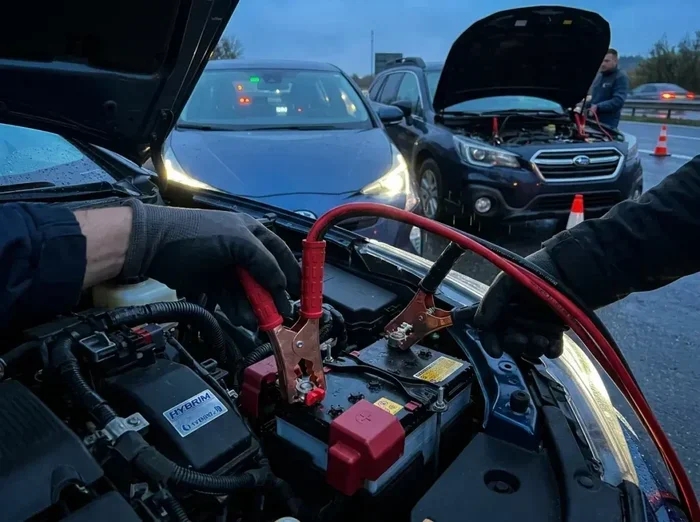
Your car’s electrical system powers the RCTA sensors. If your battery is weak or aging, the voltage drop can cause the system to malfunction. A low battery may also trigger other dashboard warnings at the same time.
If your car is more than three to five years old, it is worth having the battery tested. A simple load test at an auto parts store is usually free and takes just a few minutes.
4. Faulty Rear Sensor Module
Sometimes the sensor itself fails. Exposure to road debris, moisture, or extreme temperatures can damage the internal electronics. When a sensor goes bad, the RCTA malfunction indicator stays on even when you are not reversing.
A mechanic can run a diagnostic scan to pinpoint which specific sensor has failed. Replacement is usually straightforward and affordable, especially if caught early.
5. Wiring or Connector Issues
Behind your rear bumper, there is a harness of wires connecting the sensors to the car’s computer. These wires can get pinched, corroded, or damaged from road impacts. A broken connection means the rear cross traffic alert system loses communication, and the light comes on.
This is more common in older vehicles or cars that have been through rough conditions. A visual inspection under the rear bumper can often reveal the problem.
6. Software Glitch or System Reset Needed
Yes, cars have software too. Occasionally, the RCTA control module experiences a minor software glitch. This can happen after a battery disconnect, a power surge, or even a routine software update. The light stays on because the system thinks it needs to reset.
Turning your car off, waiting 30 seconds, and restarting it often clears temporary glitches. If the light persists, a dealer or mechanic may need to perform a full system reboot using diagnostic tools.
What Does the RCTA Light Mean for Your Safety?
The RCTA light is not just a cosmetic dashboard icon. It is a critical part of your vehicle safety feature suite. When it is on, it means one of two things: either the system is actively working to protect you, or it has detected a problem and is no longer functioning.
When the RCTA Light Is Normal
It is completely normal for the RCTA indicator to flash briefly when you shift into reverse. This means the system is active and monitoring the area behind you. Once you shift back into drive, the light should turn off within a few seconds.
If the light behaves this way, everything is working as designed. You can drive confidently knowing your backward collision warning system is ready to alert you if needed.
When the RCTA Light Is a Warning
If the RCTA light stays on constantly, even when you are driving forward, that is a red flag. It means the system has detected a fault and has likely disabled itself. In this state, you lose the protection of the rear cross traffic alert when reversing.
Driving with a disabled RCTA system does not make your car unsafe to drive forward. But it does mean you need to be extra cautious when backing up. Always check your mirrors and turn your head to look behind you. Do not rely solely on your backup camera when the alert system is offline.
How to Fix the RCTA Light On Problem
Dealing with a persistent RCTA warning light can be frustrating. But the good news is that many fixes are simple and inexpensive. Here is a step-by-step approach you can follow at home before visiting a shop.
Step 1: Clean the Rear Sensors
Start with the simplest fix. Grab a damp cloth and gently wipe down the rear bumper sensors. Look for any visible dirt, mud, or ice buildup. Clean both sides thoroughly and check if the light turns off after a few minutes of driving.
Step 2: Remove Obstructions
Check for bike racks, trailer hitches, bumper guards, or even thick license plate frames that might be covering the sensors. Remove them temporarily and see if the RCTA light goes away.
Step 3: Reset the System
Turn off your engine and remove the key or press the start/stop button. Wait at least 30 seconds. This allows the car’s computer to fully power down. Restart the vehicle and check if the warning clears.
Step 4: Check the Battery
If resetting does not work, head to an auto parts store and have them test your battery. A weak battery can cause all sorts of electrical gremlins, including false RCTA warnings. Replacing an old battery is one of the cheapest and most effective car maintenance steps you can take.
Step 5: Visit a Professional
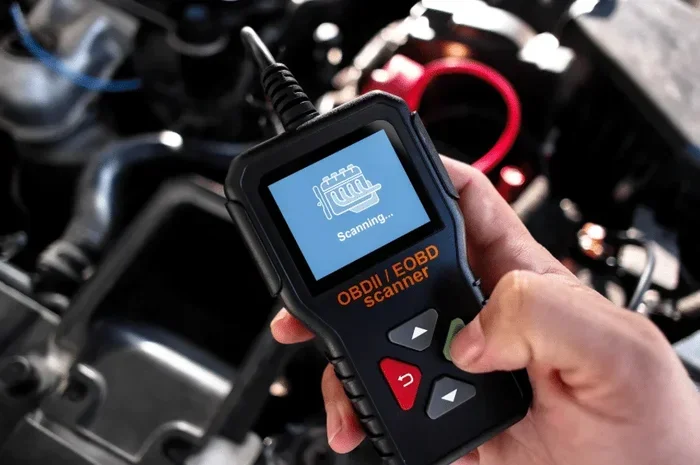
If none of the above steps work, it is time to see a mechanic or visit your dealership. They can plug in a diagnostic scanner and read the error codes stored in the RCTA control module. This will tell you exactly which sensor or component needs attention.
Common Mistakes to Avoid:
- Ignoring the light and hoping it goes away on its own
- Covering the sensors with aftermarket products that block detection
- Attempting to clean sensors with harsh chemicals or abrasive materials
- Disconnecting the battery without knowing the proper reset procedure
RCTA Light on Different Car Brands
The RCTA system is found on many popular car brands, but the exact behavior of the warning light can vary slightly. Here is a quick look at how different manufacturers handle the RCTA indicator.
Toyota and Lexus
Toyota was one of the early adopters of rear cross traffic alert technology. On Toyota and Lexus models, the RCTA light appears as a car icon with arrows sweeping outward from the rear. The system is often bundled with blind spot monitoring and comes standard on many trim levels.
Toyota owners commonly report the light coming on after a car wash or in heavy snow. Cleaning the sensors usually resolves the issue. If the light stays on, a Toyota dealership can run a specialized diagnostic scan to check the sensor modules.
Honda and Acura
Honda’s RCTA system is part of their Honda Sensing suite of safety features. The warning light on Honda vehicles typically shows the word “RCTA” in text format on the dashboard. Honda owners should note that the system may temporarily disable after a battery jump-start or replacement.
Acura models follow a similar setup but with Acura-specific branding on the dashboard display. If the RCTA light stays on after a battery change on a Honda or Acura, try the system reset procedure before seeking professional help.
Ford and Lincoln
Ford calls their version Rear Cross Traffic Alert and integrates it with their SYNC infotainment system. The warning light on Ford vehicles is usually a yellow or amber icon. Lincoln vehicles use a similar system with luxury-specific display styling.
Ford owners should be aware that aftermarket trailer wiring harnesses can sometimes interfere with the RCTA sensors. If you recently installed a trailer plug, check the wiring connections behind the bumper.
Preventing the RCTA Light From Coming On
Prevention is always better than cure when it comes to your car’s safety systems. A few simple habits can keep your RCTA system working reliably for years.
- Keep your rear bumper clean: Regular washing prevents dirt and grime from building up on the sensors.
- Inspect sensors after winter: Road salt and ice can cause corrosion on sensor surfaces. A quick rinse in spring helps.
- Avoid aftermarket bumper covers: Thick covers can block sensor signals and trigger false warnings.
- Maintain your battery: Replace your battery every three to five years to keep the electrical system stable.
- Address warning lights promptly: The longer you ignore an RCTA malfunction indicator, the more potential damage can occur.
Expert Insights on RCTA System Maintenance
Automotive technicians who specialize in advanced driver assistance systems, or ADAS, recommend treating your RCTA sensors with the same care you give your brakes or tires. These are precision electronic components, not just cosmetic bumper pieces.
“I see this all the time,” says certified mechanic Mark Daniels, who has over 15 years of experience with vehicle safety features. “A customer comes in panicking because their RCTA light is on. Nine times out of ten, it is just dirty sensors or a loose connector. But if they had come in a week earlier, we could have caught a failing sensor before it caused a bigger problem.”
Daniels also emphasizes the importance of proper sensor alignment after any rear bumper work. “If you replace a rear sensor or have bumper repair done, make sure the tech recalibrates the RCTA system. Misaligned sensors give false readings and can leave the warning light on permanently.”
Key Takeaways
- The RCTA light is part of your rear cross traffic alert system and warns you of approaching vehicles when reversing.
- Common causes include dirty sensors, accessory obstructions, low battery voltage, and faulty sensor modules.
- A temporarily flashing RCTA light when reversing is normal and means the system is actively monitoring.
- A permanently lit RCTA light means the system has detected a fault and may be disabled.
- Simple fixes like cleaning sensors and resetting the system often resolve the issue without a shop visit.
- Driving with a disabled RCTA system requires extra caution when backing up in parking lots and driveways.
- Regular maintenance and prompt attention to warning lights keep your vehicle safety features working reliably.
Conclusion
Your RCTA light is there to protect you and your passengers. When it comes on, it is trying to tell you something. Whether it is a dirty sensor, a dead battery, or a more serious electrical issue, paying attention quickly keeps you safe and your car running right.
Do not ignore a persistent RCTA warning light. Start with the simple fixes we covered, and if those do not work, take your car to a trusted mechanic. The few minutes you spend troubleshooting today could prevent a costly collision tomorrow. Your rear cross traffic alert system is one of the most valuable safety tools in modern driving. Treat it well, and it will look out for you every time you put your car in reverse.
Stay proactive about your car’s safety features. Check your sensors regularly, keep your battery healthy, and never let a dashboard warning light linger without investigation. A little attention goes a long way toward keeping your driving experience safe and worry-free.
Frequently Asked Questions
Can I drive my car if the RCTA light is on?
You can still drive, but you should be extra cautious when reversing. The RCTA system may be disabled, which means you will not get automatic warnings about approaching vehicles behind you. Always check your mirrors and turn around to look before backing up.
How much does it cost to fix an RCTA light problem?
Costs vary widely depending on the cause. Cleaning sensors is free. Resetting the system costs nothing. But replacing a faulty rear sensor can range from $100 to $400 per sensor, depending on your car model. A diagnostic scan typically costs between $50 and $150 at most repair shops.
Does weather affect the RCTA light?
Yes, extreme weather can temporarily trigger the RCTA warning light. Heavy snow, ice, and thick mud can block the rear sensors. In most cases, the light turns off once the sensors are cleaned. Persistent issues after storms may indicate water damage to the sensor housing.
Is the RCTA light the same as the backup camera light?
No, they are different systems. The RCTA light specifically monitors for cross traffic when reversing. The backup camera activates when you put the car in reverse but does not detect approaching vehicles. Some cars combine both features, but the warning lights serve different purposes.
How do I reset my RCTA system?
Start by turning off your engine and waiting at least 30 seconds before restarting. If the light persists, try disconnecting the battery for five minutes and reconnecting it. This forces the car’s computer to reset. If neither method works, a professional diagnostic scan may be needed to clear the error codes.
Can aftermarket accessories cause the RCTA light to come on?
Absolutely. Accessories like bike racks, trailer hitches, bumper guards, and even thick license plate frames can obstruct the rear cross traffic sensors. If you recently installed any aftermarket accessory and noticed the light turning on, try removing it to see if the issue resolves.