Why Is My Remote Start Not Working Here Is How To Fix It
Your remote start may fail because of a weak key fob battery, a faulty hood switch, or wiring problems. Understanding the root cause helps you fix the issue quickly and get your vehicle running again. This guide covers the most common reasons and gives you clear, actionable steps to restore your remote engine start system.
Key Takeaways
- Dead or weak key fob battery: This is the number one cause of remote start failure and the easiest to fix.
- Hood switch problems: A faulty hood safety switch will block your remote start from engaging the engine.
- Cold weather impacts: Low temperatures reduce battery power and can cause remote start systems to fail.
- Wiring and installation errors: Improper remote start wiring or compatibility issues can prevent the system from working.
- Anti-theft interference: Your vehicle’s security system may block the remote start if it detects a problem.
- Professional help matters: Some issues require a certified technician to diagnose and repair safely.
📑 Table of Contents
Common Reasons Your Remote Start Is Not Working
There is nothing more frustrating than pressing your remote start button and hearing nothing. You stand there, pressing the button again and again, wondering what went wrong. Your remote start system was working fine yesterday, and now it just refuses to cooperate.
Before you panic or call a mechanic right away, take a breath. Most remote start problems have simple causes. In fact, you can fix many of them yourself in just a few minutes. This article walks you through every common reason your remote start not working issue might be happening. We also give you clear fixes so you can get back to warming up your car on a cold morning.
A remote start system lets you start your vehicle from a distance using a key fob or a smartphone app. It uses a small transmitter that sends a signal to a receiver installed in your car. When the signal is received correctly, the engine turns over without you touching the ignition switch. But when something interrupts that process, the whole system stops working.
Let’s look at the most common reasons this happens and how you can fix each one.
1. Dead or Weak Key Fob Battery
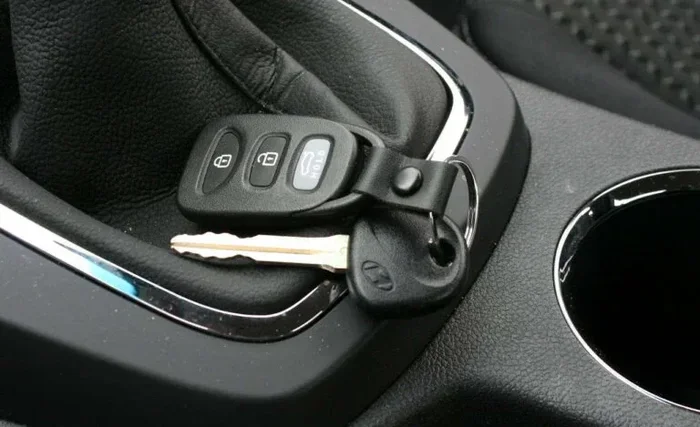
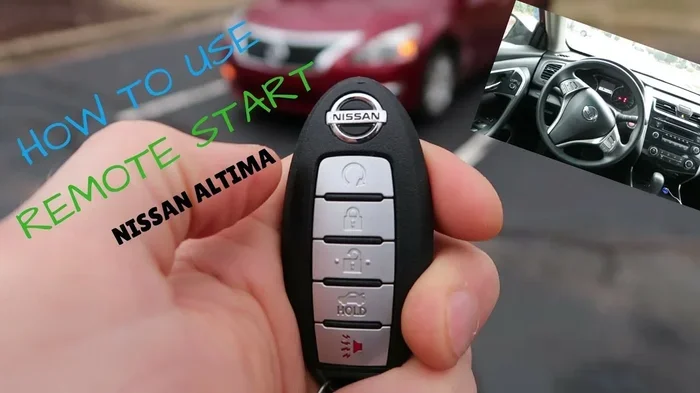
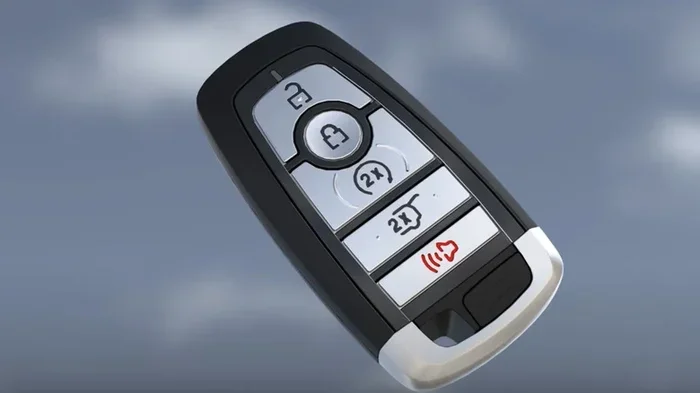
The most common reason for a remote start not working problem is a dead key fob battery. Your key fob sends a signal to your car. If the battery inside the fob is weak or dead, the signal never reaches your vehicle. It is that simple.
Most car key fobs use small coin-shaped batteries. These batteries last about one to two years. If you notice your remote start is slow to respond or not working at all, the battery is the first thing to check.
Here is how to replace it:
- Find the small slot on the back of your key fob.
- Use a small flathead screwdriver or a coin to pry it open.
- Remove the old battery and note the model number printed on it.
- Insert a new battery with the correct polarity.
- Snap the fob back together and test your remote start.
This fix takes less than five minutes and costs under five dollars. It solves the problem more often than people realize.
2. Faulty Hood Switch
Your car has a safety feature called a hood switch. This switch detects whether your hood is open or closed. If the switch thinks your hood is open, it will block the remote start from engaging. This is a safety measure to prevent accidents.
A faulty hood switch can cause your remote start to fail even when your hood is fully closed. The switch may be stuck, corroded, or simply broken. You can usually find the hood switch near the hood latch on the driver’s side of the engine bay.
To test the hood switch:
- Open and close your hood firmly.
- Listen for a clicking sound near the latch area.
- Try your remote start again.
- If it still does not work, the switch may need replacement.
Replacing a hood switch is usually inexpensive and straightforward. Many car owners can do it themselves with basic tools.
3. Anti-Theft System Interference
Modern vehicles come equipped with advanced anti-theft systems. These systems are designed to prevent unauthorized access to your car. But sometimes, they can interfere with your remote engine start system.
If your car’s security light is flashing on the dashboard, your anti-theft system may have been triggered. This can happen after a battery disconnect, a recent service, or even a power surge. When the anti-theft system is active, it blocks the remote start from firing up the engine.
Try this quick fix:
- Insert your physical key into the ignition.
- Turn the key to the “on” position without starting the engine.
- Wait for about ten seconds.
- Turn the key back to the “off” position.
- Remove the key and try your remote start again.
This process resets the security system in many vehicles. If the problem persists, you may need to consult your vehicle’s manual or a professional.
4. Remote Start Range Issues
Your remote start range is the maximum distance your key fob can be from your vehicle and still send a working signal. Most factory remote start systems work within a range of about 200 to 500 feet. Aftermarket systems may have different ranges.
If you are too far from your car, the signal may not reach. Buildings, walls, and even other vehicles can block the signal. Try standing closer to your car and pressing the button again. If it works from a shorter distance, range was the issue.
You can also try these tips to improve your range:
- Hold the key fob directly against your chin while pressing the button. Your body acts as an antenna.
- Make sure nothing is blocking the signal path between you and the car.
- Check for interference from other electronic devices in your pocket or bag.
5. Low Vehicle Battery Voltage
Your remote start system depends on your car’s main battery to start the engine. If your vehicle battery voltage is low, the remote start may not have enough power to turn over the engine. This is especially common in the winter months when cold temperatures drain battery power.
Signs of a weak vehicle battery include:
- Dim dashboard lights when you turn the key.
- A slow cranking sound when starting the engine manually.
- Electrical accessories working slower than usual.
- The battery warning light on your dashboard.
You can test your battery voltage with a simple multimeter. A healthy car battery should read around 12.6 volts when the engine is off. If it reads below 12.0 volts, you may need to recharge or replace the battery.
Consider investing in a portable jump starter. These small devices can boost your battery and save you from being stranded. They are especially helpful if you use your remote engine start frequently in cold weather.
How To Check Your Key Fob and Battery
Your key fob is the brain of your remote start system. Without a working fob, your car will never know you are trying to start it from a distance. Let’s walk through the steps to diagnose fob-related problems.
Testing Your Key Fob Signal
The easiest way to test if your key fob is sending a signal is to use your smartphone camera. Open your phone camera and point it at the key fob. Press any button on the fob while looking at the phone screen. If you see a purple or white flash, your fob is emitting a signal. If you see nothing, the fob is likely dead or malfunctioning.
Another way to test is to stand very close to your car and press the remote start button. If it works from close range but not from a distance, the fob battery is weak. If it does not work even from close range, the fob itself may be damaged.
Replacing the Key Fob Battery
Most key fobs use CR2025 or CR2032 batteries. These are widely available at any grocery store, pharmacy, or auto parts shop. Replacement costs about two to five dollars.
Here are a few quick tips for replacing your fob battery:
- Always wash your hands before handling the battery.
- Match the positive and negative sides correctly.
- Do not mix old and new batteries.
- Dispose of old batteries properly at a recycling center.
After replacing the battery, reprogram your fob if necessary. Some vehicles require a simple reset, while others need a more involved programming process. Check your owner’s manual for specific instructions.
When to Replace the Entire Key Fob
If replacing the battery does not solve the problem, your key fob may be broken internally. Water damage, drops, and wear and tear can all damage the fob’s internal circuitry. In this case, you will need to replace the entire fob.
A replacement key fob can cost anywhere from 50 to 200 dollars depending on your vehicle make and model. Some dealerships can program a new fob for you, or you can visit a local locksmith who specializes in automotive key fobs.
Cold Weather and Remote Start Problems
Cold weather is the enemy of remote start systems. If you live in a climate where temperatures drop below freezing, you have probably experienced remote start problems during the winter. This is very common and usually fixable.
How Cold Weather Affects Your Remote Start
Low temperatures affect your vehicle in several ways. First, they reduce your battery’s ability to hold a charge. Second, they thicken engine oil, making it harder for the engine to turn over. Third, they weaken the signal strength of your key fob. All of these factors can cause your remote start not working problem to get worse in the winter.
Here is what happens inside your car when it is cold:
- The battery produces fewer amps in freezing temperatures.
- The engine oil becomes thick and sluggish.
- The starter motor has to work harder to turn the engine.
- The fuel system may not atomize fuel as efficiently.
Your remote start system has to overcome all of these challenges to start your engine. If any one of them is already weak, the system will fail.
Tips for Cold Weather Remote Start Use
You can take several steps to improve your remote start performance in cold weather:
- Keep your key fob battery fresh, especially before winter.
- Use a remote start with a longer range to stand closer to your vehicle.
- Install a battery blanket or engine block heater.
- Keep your vehicle parked in a garage when possible.
- Use synthetic engine oil for easier cold starts.
- Check your vehicle battery health before the cold season begins.
These small steps can make a big difference. Many car owners report that their remote engine start works perfectly all winter long after making a few simple changes.
Wiring and Installation Issues
If your remote start system was installed recently or if you drive a vehicle with an aftermarket remote start, wiring issues could be the culprit. Improper wiring is one of the leading causes of remote start failure.
Common Wiring Problems
Here are some wiring issues that can prevent your remote engine start from working:
- Loose connections: Vibration from driving can loosen wires over time.
- Corroded wires: Moisture can cause corrosion on wire connections.
- Incorrect wiring: If the system was not installed correctly, it may not communicate properly with your vehicle.
- Damaged wiring harness: Rodents or road debris can damage wires under your hood.
If you recently had a remote start installation, go back to the installer and ask them to check the wiring. Most reputable shops will honor their work and fix any issues at no charge.
Aftermarket vs Factory Remote Start Systems
Factory remote start systems come pre-installed in many new vehicles. They are designed specifically for your car’s make and model. Aftermarket systems are universal and require professional installation.
Here is a quick comparison:
- Factory remote start: More reliable, better integration with your vehicle, and often covered under warranty.
- Aftermarket remote start: More affordable, more features, but requires professional installation and may void certain warranties.
Both types can experience problems. The difference is that factory systems tend to have fewer wiring issues because they are designed by the vehicle manufacturer.
Do You Need a Remote Start Bypass Module?
Many modern vehicles with push-button start systems require a bypass module for a remote start to work. The bypass module tricks your car’s security system into thinking the key is present in the ignition. Without it, your remote start may not be able to start the engine at all.
If your vehicle has a push-button start and a remote start not working issue, ask your installer about a bypass module. This small device can make a huge difference in whether your system works or not.
When To Call a Professional
Some remote start problems are beyond a DIY fix. If you have tried all the steps above and your system still does not work, it is time to call in a professional.
Signs You Need Professional Help
You should contact a qualified automotive technician if you notice any of the following:
- Your remote start works intermittently for no clear reason.
- Your vehicle starts remotely but stalls immediately.
- You see warning lights on your dashboard that were not there before.
- Your remote start system was recently installed and stopped working after a few weeks.
- You smell burning plastic or notice smoke under the hood.
These symptoms can indicate serious electrical or mechanical problems. Trying to fix them yourself could cause more damage or even create a safety hazard.
Finding the Right Technician
Not all mechanics are experienced with remote start systems. When looking for help, ask for recommendations from friends or check online reviews. Look for shops that specialize in automotive electronics or remote start installation.
Ask the technician the following questions before scheduling a repair:
- Do you have experience with my specific vehicle make and model?
- Can you diagnose the problem without a full teardown?
- What is the estimated cost and timeline for the repair?
- Do you offer a warranty on your work?
Finding the right professional saves you time, money, and frustration in the long run.
How To Prevent Remote Start Problems
Prevention is always better than cure. Here are some simple habits that keep your remote start system working reliably for years.
Regular Maintenance Tips
- Replace your key fob battery every 12 to 18 months.
- Have your vehicle battery tested twice a year, especially before winter.
- Keep your engine bay clean and free of debris.
- Check your remote start wiring connections annually.
- Update your remote start system firmware if your model supports it.
Common Mistakes That Cause Remote Start Failure
- Ignoring dashboard warning lights.
- Using the wrong type of battery in your key fob.
- Leaving your hood slightly open after checking the engine oil.
- Parking too far from the signal receiver.
- Neglecting to replace a weak vehicle battery.
Avoiding these mistakes can extend the life of your remote start system and prevent unexpected failures.
Expert Insight
“Most remote start problems come down to three things: the battery in the key fob, the vehicle battery, and a faulty hood switch. If you check those three first, you will solve the problem about 80 percent of the time,” says Mike Torres, a certified automotive technician with over 15 years of experience in diagnosing vehicle remote systems.
Conclusion
A remote start not working issue can ruin your morning routine, especially on a freezing cold day. But as you have learned, most causes are simple and fixable. Start by checking your key fob battery. Then inspect the hood switch and your vehicle battery voltage. If those do not solve the problem, look at wiring issues, anti-theft interference, and cold weather factors.
Your remote start system is a convenient feature that adds comfort and value to your daily driving experience. Taking care of it with regular maintenance ensures it keeps working when you need it most. Do not ignore warning signs or delay simple fixes. A few minutes of attention today can save you hours of frustration tomorrow.
If you have tried everything in this guide and your remote engine start still does not work, do not hesitate to reach out to a professional. Sometimes the problem is more complex and requires expert diagnosis. But in most cases, the fix is quick, affordable, and within your reach.
Frequently Asked Questions
Why does my remote start work sometimes but not other times?
Intermittent remote start failure is often caused by a weak key fob battery or loose wiring connections. Temperature changes can also affect signal strength and battery performance. Replacing the fob battery and checking the wiring usually fixes this issue.
Can cold weather really stop my remote start from working?
Yes, cold weather significantly impacts remote start performance. Low temperatures reduce battery voltage, thicken engine oil, and weaken the key fob signal. Keeping your vehicle battery healthy and using a block heater can help prevent cold weather failures.
How far should I be from my car for the remote start to work?
Most remote start systems work within 200 to 500 feet. If you are too far away or there are obstructions like buildings between you and your car, the signal may not reach. Standing closer and ensuring a clear signal path usually resolves range issues.
Do I need a bypass module for my push-button start vehicle?
Yes, most vehicles with push-button start require a remote start bypass module. This device signals to your car’s security system that the key is present, allowing the remote start to engage the engine safely.
How much does it cost to fix a remote start system?
Simple fixes like replacing a key fob battery cost under ten dollars. More complex repairs like wiring fixes or bypass module installation can range from 50 to 200 dollars. Professional diagnosis typically costs between 50 and 100 dollars at most repair shops.
Will installing an aftermarket remote start void my vehicle warranty?
This depends on your vehicle and warranty terms. In some cases, aftermarket installations can void specific warranty coverage related to the electrical system. Check with your dealer before installing an aftermarket remote start system to understand your coverage.