Why Is No Windshield Fluid Coming Out from Your Car
No windshield fluid coming out is a common and frustrating problem that can make driving unsafe. The most frequent causes include an empty reservoir, clogged nozzles, a broken washer pump, frozen fluid, or a blown fuse. This guide walks you through every possible reason and gives you simple, step-by-step fixes you can do at home.
There are few things more annoying than you are driving down the road, flipping on your windshield fluid sprayer, and nothing comes out. You squirt again. Nothing. Your windshield is dirty, your visibility is dropping, and you feel stuck. This is a problem almost every driver faces at some point. The good news is that it is usually easy to fix. In this article, we will explore every reason why no windshield fluid is coming out of your car. We will also walk you through simple fixes you can do yourself and tell you when it is time to visit a mechanic. By the end, you will know exactly what to check and how to get your sprayers working again.
Let us be honest. Most of us do not think about our windshield washer system until it stops working. You rely on clean, clear glass to drive safely. When that sprayer fails, it can turn a simple commute into a stressful experience. Whether it is a cold morning and your fluid is frozen or a summer day and the nozzle is clogged, the root cause matters. Understanding what is happening under your hood helps you fix the problem faster. It also helps you avoid the same issue in the future. So let us dive right into the most common reasons your washer fluid is not spraying.
Key Takeaways
- Low or empty reservoir: The most common reason your windshield fluid is not spraying. Always keep the tank topped off.
- Clogged nozzles: Dirt and grime can block the spray holes, stopping fluid from reaching your windshield.
- Faulty washer pump: A worn-out pump will not push fluid through the system, even when the tank is full.
- Frozen washer fluid: Using the wrong fluid in cold weather can cause the liquid to freeze inside the lines.
- Broken or kinked hose: A damaged hose prevents fluid from traveling from the reservoir to the nozzles.
- Blown fuse: An electrical issue can cut power to the washer system entirely.
- Prevention is simple: Regular checks and using the right seasonal fluid can save you from most problems.
📑 Table of Contents
Why Is No Windshield Fluid Coming Out?
Understanding Your Windshield Washer System
Before we get into the fixes, it helps to understand how the system works. Your car’s windshield washer system is made up of a few simple parts. There is a reservoir that holds the washer fluid. A small electric pump sits inside or near that reservoir. When you pull the wiper lever, the pump turns on. It pushes fluid through a hose. The hose carries the fluid to nozzles on your hood. Those nozzles spray the fluid onto your windshield. The wipers then clear away the dirt and grime. It is a simple system. But when even one part fails, the whole thing stops working.
Why This Problem Happens More Than You Think
You might be surprised how often this happens. Studies show that a large number of drivers ignore their windshield fluid level until it is completely empty. Others live in areas with extreme temperatures that can freeze or damage the system. Some people simply never think to check the nozzles or the hoses. The truth is, windshield fluid not spraying is one of the most common small car problems out there. It is also one of the easiest to solve once you know what to look for. Let us break down each possible cause so you can find your answer quickly.
Common Reasons Your Windshield Fluid Won’t Spray
Empty or Low Reservoir
This is the number one reason your windshield fluid is not coming out. It sounds obvious, but many drivers do not realize the tank is empty until they try to spray. Over time, fluid gets used up, especially if you drive in dusty or rainy conditions. If you have not checked the level in a while, this could be your problem. The reservoir is usually a translucent tank near the engine. You can often see the fluid level through the plastic. If it is low or completely empty, that is your answer. Topping it off is quick and easy.
Clogged Nozzles
Even if your tank is full, the fluid has to get out somehow. The nozzles are the small holes on your hood that spray the fluid onto the glass. Over time, dirt, road grime, and hardened fluid can clog these tiny openings. A clogged nozzle will block the spray even if the pump is working perfectly. This is one of the most common reasons for no spray from windshield washer systems. You might notice the fluid sprays weakly or misses the windshield entirely. The good news is that clearing a clogged nozzle is usually very simple.
Frozen Washer Fluid
If you live in a cold climate, frozen washer fluid is a real concern. Water-based fluid can freeze inside the reservoir and hoses when temperatures drop below freezing. Once frozen, the fluid cannot move through the system. The pump may run, but nothing will spray out. This is why it is so important to use a proper winter-grade windshield wiper fluid with antifreeze properties. Using plain water in the winter is a recipe for a frozen system. Even if the fluid is not completely frozen, it can become too thick to spray properly in very cold weather.
Faulty Washer Pump
The windshield washer pump is the small electric motor that pushes fluid through the system. Like any part, it can wear out over time. If the pump burns out or stops working, fluid will not move at all. You might hear a humming or buzzing sound when you activate the sprayer. That sound is the pump trying to work. If you hear it but no fluid comes out, the pump might be failing. If you hear nothing at all, the issue could be electrical. A faulty pump is a common reason for windshield washer not working even when the tank has fluid.
Broken or Kinked Hose
The hose connects the reservoir to the nozzles. It carries the fluid from the pump to the spray points. If this hose gets kinked, cracked, or disconnected, the fluid cannot travel through it. A broken hose means the fluid stays trapped in the reservoir even when the pump is running. You might find a puddle of washer fluid under your car if the hose has ruptured. This is a less common cause but still happens, especially in older vehicles or cars that have been in minor accidents.
Blown Fuse or Electrical Issue
Your windshield washer system relies on electricity to run the pump. If a fuse has blown or there is a wiring problem, the pump will not turn on at all. You will pull the lever and hear nothing. No humming, no buzzing, no spray. This is an electrical issue that can be tricky to diagnose if you are not familiar with your car’s fuse box. However, checking the fuse is a quick first step. Most cars have a fuse specifically for the washer system. A blown fuse is an easy and inexpensive fix.
How to Diagnose the Problem Step by Step
Step 1: Check the Fluid Level
Start with the simplest thing first. Open your hood and locate the washer fluid reservoir. It is usually a white or translucent tank with a windshield symbol on the cap. Look at the fluid level. If it is empty or very low, that is likely your problem. Simply fill it up with the appropriate windshield fluid. If you are unsure what type to use, check your owner’s manual. Most auto parts stores carry a wide range of washer fluids for different seasons.
Step 2: Inspect the Nozzles
Next, look at the nozzles on your hood. These are the small holes that spray the fluid. Use a flashlight to get a good look. Do you see any dirt or buildup around the holes? Try spraying the fluid and watch where it goes. If the spray is weak, misdirected, or completely absent, the nozzles are probably clogged. You can try cleaning them with a thin pin or a compressed air canister. Be gentle so you do not damage the nozzles.
Step 3: Test the Pump
Have someone turn the ignition on while you activate the washer sprayer. Do you hear the pump running? A working pump makes a quiet humming or buzzing noise. If you hear nothing, the pump might not be getting power. This could mean a blown fuse, a broken wire, or a dead pump motor. If you hear the pump but still no fluid comes out, the pump might be working but the fluid path is blocked.
Step 4: Look at the Hoses
With the car turned off, pop the hood and follow the hose from the reservoir to the nozzles. Look for any visible damage. Is the hose cracked, kinked, or disconnected? A kinked hose can stop fluid flow completely. A cracked hose can leak fluid before it reaches the nozzles. If you find any damage, replacing the hose is usually a straightforward fix. Most hose replacements are inexpensive and easy to do at home.
Step 5: Check the Fuse
Locate your car’s fuse box. The owner’s manual will tell you exactly where it is and which fuse controls the washer system. Pull out the fuse and inspect it. A blown fuse will have a broken metal strip inside. Replace it with a fuse of the same rating. This is one of the cheapest and fastest fixes for a windshield washer not working problem. If the new fuse blows again, there may be a deeper electrical issue that needs professional attention.
How to Fix Windshield Fluid Spray Issues
Topping Off the Reservoir
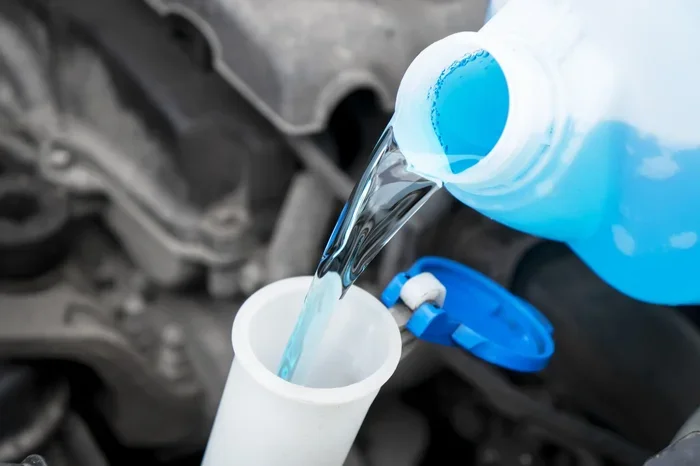
If your reservoir is empty, the fix is simple. Buy a bottle of washer fluid and pour it into the reservoir until it reaches the full line. You can use a funnel to avoid spills. It is a good idea to keep a spare bottle in your trunk, especially during winter or long road trips. Topping off the reservoir takes less than a minute and costs just a few dollars. This alone solves the problem for many drivers.
Clearing Clogged Nozzles
For clogged nozzles, start by trying a pin or a needle. Gently insert it into each nozzle hole and push out any debris. You can also use compressed air to blow out the blockage. Another option is to spray some windshield fluid through the nozzles and let it soak for a few minutes before trying again. If the nozzles are really clogged, you may need to remove them and soak them in warm water. This method works well for stubborn buildup that a pin cannot clear.
Replacing Frozen Fluid
If your fluid is frozen, you need to thaw it out. Park your car in a warm garage or use a portable heater to warm the hood area. Do not use boiling water directly on the system, as it can crack plastic parts. Once the fluid has thawed, drain the old fluid and refill with a proper winter-grade windshield wiper fluid. These fluids contain methanol or ethanol, which lowers the freezing point significantly. Always check the temperature rating on the bottle before buying.
Fixing or Replacing the Pump
A faulty pump usually needs to be replaced. The good news is that windshield washer pumps are relatively inexpensive parts. You can find replacement pumps at most auto parts stores for under $30. The replacement process varies by car model, but it generally involves disconnecting the electrical connector, removing the mounting bolts, and pulling out the old pump. If you are not comfortable doing this yourself, a mechanic can do it quickly and affordably.
Repairing Hoses and Lines
If you find a cracked or disconnected hose, replacement is the way to go. You can buy replacement hoses at auto parts stores or online. The process usually involves clamping the new hose into place and reconnecting it to the pump and nozzles. Make sure all connections are tight to prevent leaks. This is a simple repair that most car owners can handle with basic tools.
Preventing Windshield Fluid Problems
Use the Right Fluid for the Season
One of the best ways to avoid windshield fluid problems is to use the right fluid for the season. In summer, a standard blue washer fluid works fine. In winter, switch to a winter-grade fluid that will not freeze. Some fluids are rated for temperatures as low as negative 40 degrees Fahrenheit. Using the correct fluid protects your entire system from damage. It is a small change that makes a big difference.
Regular Maintenance Tips
Make it a habit to check your washer fluid level every time you fill up your gas tank. It takes just a few seconds. Also, inspect your nozzles and hoses once a month for any signs of clogging or damage. A little regular maintenance goes a long way in preventing bigger problems. Keeping your system clean and well-maintained means you will rarely deal with a sprayer failure.
Quick Daily Checks
Before a long drive, take a moment to test your windshield fluid sprayer. A quick test spray takes only a second. If the spray is weak or missing, you can address it right away instead of finding out on the highway. This simple habit can save you from a dangerous situation caused by poor visibility.
When to See a Mechanic
Signs It Is Time for Professional Help
Most windshield fluid issues are easy to fix at home. But some problems need a professional. If you have checked the fluid level, cleared the nozzles, and tested the fuse, but the system still does not work, it is time to see a mechanic. A persistent electrical problem or a broken pump that you cannot replace yourself are good reasons to seek help. A mechanic has the tools and experience to diagnose hidden issues quickly.
Cost Considerations
The cost of fixing a windshield washer system varies depending on the problem. Topping off fluid costs just a few dollars. Replacing a nozzle or hose might run you $10 to $20. A pump replacement typically costs between $30 and $75 for the part, plus labor if you hire someone. Electrical repairs can vary more widely. The good news is that most fixes are affordable and do not require expensive parts. Ignoring the problem, on the other hand, can lead to poor visibility and unsafe driving conditions.
Key Takeaways
- Low or empty reservoir: The most common reason your windshield fluid is not spraying. Always keep the tank topped off.
- Clogged nozzles: Dirt and grime can block the spray holes, stopping fluid from reaching your windshield.
- Faulty washer pump: A worn-out pump will not push fluid through the system, even when the tank is full.
- Frozen washer fluid: Using the wrong fluid in cold weather can cause the liquid to freeze inside the lines.
- Broken or kinked hose: A damaged hose prevents fluid from traveling from the reservoir to the nozzles.
- Blown fuse: An electrical issue can cut power to the washer system entirely.
- Prevention is simple: Regular checks and using the right seasonal fluid can save you from most problems.
Conclusion
Dealing with no windshield fluid coming out is frustrating, but it is almost always fixable. Whether the cause is a simple empty reservoir or a more complex electrical issue, you now have the knowledge to diagnose and solve the problem. Start with the basics. Check the fluid level, inspect the nozzles, and listen for the pump. From there, you can work your way through the more involved fixes. Keeping your washer fluid system in good shape is a small part of car maintenance that pays off big. It keeps your windshield clean, your visibility clear, and your drives safe. Do not wait until a dirty windshield puts you in danger. Take a few minutes today to check your system and keep it in great shape.
FAQs
Can I use water instead of windshield washer fluid?
You can, but it is not recommended. Water does not clean as well as washer fluid and can freeze in cold weather, damaging your system. It can also promote rust and buildup inside the lines. Always use proper windshield fluid for the best results and system protection.
How much does it cost to replace a windshield washer pump?
The pump itself usually costs between $15 and $50. If you hire a mechanic, labor adds another $30 to $75 depending on your location. Overall, replacing a washer fluid pump is an affordable repair that most car owners can handle themselves.
Why does my windshield fluid spray but not hit the windshield?
This usually means your nozzles are misaligned or clogged. Dirt and debris can block the spray pattern. Try cleaning the nozzles with a pin or compressed air. You can also adjust the nozzle angle by gently bending it with a small tool to aim the spray correctly onto the glass.
Can a blown fuse cause the windshield washer to stop working?
Yes, absolutely. The washer pump needs electricity to run. If the fuse that controls the system blows, the pump will not get power. Check your fuse box first when you notice no spray from windshield washer and no sound from the pump. Replacing a blown fuse is quick and inexpensive.
How often should I refill my windshield fluid reservoir?
There is no set schedule. It depends on how much you drive and the conditions you drive in. A good habit is to check the level every time you fill up your gas tank. If you drive a lot in dusty or rainy weather, you will go through fluid faster. Keeping the reservoir at least half full at all times is a smart practice.
What happens if I use summer windshield fluid in winter?
Summer fluid is mostly water and can freeze in cold temperatures. When it freezes, it expands and can crack the reservoir, burst hoses, or damage the pump. Always switch to a winter-grade windshield wiper fluid before temperatures drop below freezing. This simple step prevents costly damage to your entire windshield washer system.