Why Wont My TPMS Light Reset Simple Fixes You Need
Your TPMS light won’t reset because of low tire pressure, a dead sensor battery, temperature changes, or a faulty sensor. This guide walks you through every common reason and the simple fixes that actually work. You will learn how to reset the system yourself, when to visit a tire service center, and how to prevent the problem from coming back.
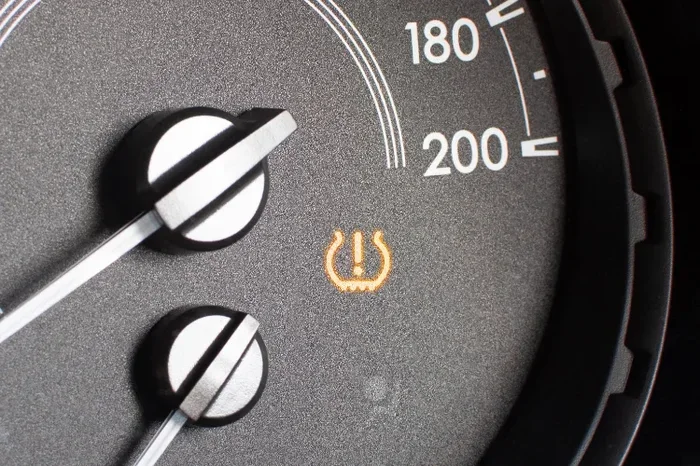
You are driving along, minding your own business, when a little yellow light pops up on your dashboard. It looks like a horseshoe with an exclamation point in the middle. That is your TPMS light, and it means your tire pressure monitoring system has something to say. For many drivers, this light comes on and just will not go away, no matter what you try. If you have been Googling “why won’t my TPMS light reset,” you are not alone. This is one of the most common car maintenance questions on the road today.
The good news is that a stubborn TPMS warning light is usually easy to fix. In most cases, the problem is simple and costs nothing. Sometimes it is a matter of adding a little air. Other times, you need to reset the system after a tire rotation or a temperature drop. And in rare cases, a sensor battery needs replacing. This guide covers every reason your tire pressure light might stay on and gives you the exact steps to fix it. You will walk away knowing exactly what to do.
Let us get into it. No jargon. No confusing car talk. Just clear, practical advice that gets your dashboard back to normal.
Key Takeaways
- Low tire pressure is the #1 cause: Always check your tire pressure readings before trying to reset the system.
- A dead sensor battery often triggers the light: Most TPMS sensors last 5-10 years and need replacement after that.
- You can reset the TPMS light yourself: Use the reset button, a drive-and-drive method, or an OBD-II scanner.
- Temperature drops frequently cause false warnings: Cold weather lowers air pressure inside tires and sets off the dashboard warning light.
- New tires or rotations require recalibration: The system needs to relearn tire positions after service.
- Prevention is simple: Regular tire pressure checks and seasonal adjustments keep the TPMS light off.
📑 Table of Contents
- What Is a TPMS and Why Does It Matter
- Common Reasons Your TPMS Light Won’t Reset
- How to Reset Your TPMS Light Step by Step
- When the Problem Is a Faulty TPMS Sensor
- TPMS Light After Tire Rotation or New Tires
- Preventing TPMS Issues in the Future
- Common Mistakes People Make With Their TPMS Light
- When to See a Professional
- Conclusion
What Is a TPMS and Why Does It Matter
How the Tire Pressure Monitoring System Works
Your tire pressure monitoring system, or TPMS, is a small electronic system built into your vehicle. It uses sensors inside each wheel to measure the air pressure in your tires. These sensors send real-time data to your car’s computer. If the pressure drops below the recommended level, the TPMS warning light turns on. Think of it as a tire guard that keeps you safe from underinflated tires.
The system is designed to alert you before a tire becomes dangerously low. Underinflated tires can reduce fuel efficiency, cause uneven tire wear, and even lead to blowouts. So that little yellow light is actually doing you a big favor. It is trying to protect your tires, your fuel economy, and your safety on the road.
Why Your Dashboard Warns You
When the TPMS light comes on, it means one or more tires are reading below the recommended pressure. Most vehicles recommend tire pressure between 30 and 35 PSI. Check your driver’s side door jamb for the exact number. The light can come on for many reasons, from a slow leak to a simple change in weather. Understanding what triggers the light is the first step to fixing it.
Common Reasons Your TPMS Light Won’t Reset
If your TPMS light reset is not working, there is almost always a reason behind it. Let us look at the most common culprits. Each one is easy to check and easy to fix.
Low Tire Pressure Is the Usual Suspect
The number one reason your tire pressure light stays on is simply that your tires are low on air. A slow leak, a tiny puncture, or even natural air loss over time can bring pressure below the threshold. Before you try anything else, grab a tire pressure gauge and check all four tires. Do not forget the spare tire pressure either. Many people overlook the spare, and some vehicles have TPMS sensors in the spare as well.
If any tire is low, add air to the recommended PSI. Once the pressure is correct, the light should turn off after a short drive. If it does not, move on to the next possible cause.
A Dead Sensor Battery
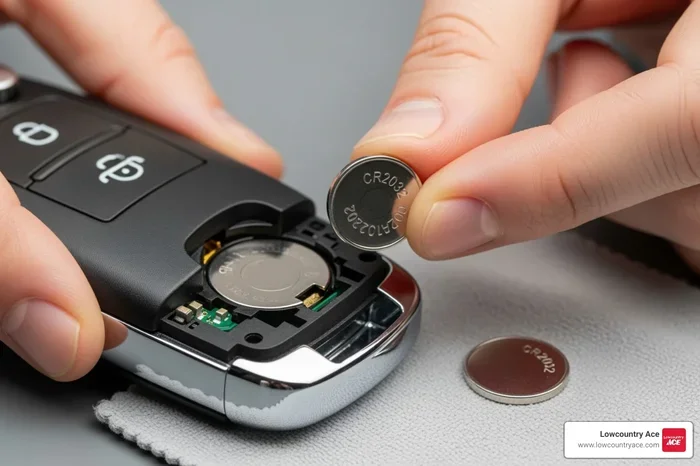
Every TPMS sensor has a small battery inside. These batteries typically last between five and ten years. When the battery dies, the sensor cannot send data, and the dashboard warning light stays on. A dead sensor battery is one of the most common reasons a TPMS light reset fails. You cannot replace just the battery in most sensors. The entire sensor unit needs to be replaced. This is a quick job at any tire service center and usually costs between 50 and 100 dollars per sensor.
Recent Tire Changes or Rotations
Did you recently get new tires or rotate your existing ones? If so, the TPMS light may come on because the system needs to relearn the tire positions. When you move tires from one wheel to another, the sensors change positions. The car’s computer gets confused and sets off the warning. This is very common after a tire rotation or when you install a new tire. A simple tire pressure reset procedure usually clears this up.
Temperature Drops and Seasonal Changes
Cold weather is a sneaky trigger for the TPMS warning light. When the temperature drops, the air inside your tires contracts. This reduces tire pressure readings and can set off the light even if there is no actual leak. This is especially common in fall and winter. If your light came on after a cold snap, check your tire pressure and add air as needed. Then try resetting the system. The light should stay off once the pressure is back to normal.
TPMS Malfunction or Sensor Damage
Sometimes the problem is not the tires at all. A TPMS malfunction can happen if a sensor gets damaged. Driving over a pothole, hitting a curb, or even road debris can damage the sensor or its valve stem. Corrosion on the valve stem can also cause false readings. If you have checked your tire pressure and everything looks fine, but the light still will not go away, a sensor issue may be to blame.
How to Reset Your TPMS Light Step by Step
Now that you know the common causes, let us get into the fixes. Here are the three most effective ways to perform a TPMS light reset at home. Try them in order, starting with the simplest method.
Using the Reset Button Under the Steering Wheel
Most vehicles have a TPMS reset button located under the steering wheel. Here is how to use it:
- Step 1: Make sure all tires are at the correct pressure. Use a tire pressure gauge to verify.
- Step 2: Turn the ignition to the “on” position. Do not start the engine.
- Step 3: Press and hold the TPMS reset button until the dashboard light blinks three times.
- Step 4: Release the button and start the engine.
- Step 5: Drive for about 20 minutes at speeds above 30 mph. The system will recalibrate.
If the light goes off and stays off, you are all set. If it comes back on, try the next method.
The Drive-and-Reset Method
Some vehicles do not have a physical reset button. In these cases, you can use the drive-and-reset method:
- Drive at a steady speed of 50 mph for about 10 minutes.
- The system will recalibrate itself during this drive.
- Turn off the engine and wait a few minutes.
- Restart the vehicle and check if the light is off.
This method works well for many makes and models. It is especially useful if the light came on due to a minor pressure fluctuation or temperature change.
Using an OBD-II Scanner for TPMS Reset
An OBD-II scanner is a handy tool for any car owner. It plugs into the diagnostic port under your dashboard and communicates with your car’s computer. Here is how to use one for a TPMS light reset:
- Plug the scanner into the OBD-II port.
- Turn the ignition on.
- Follow the scanner’s menu to find the TPMS reset option.
- Select “Reset TPMS” and follow the on-screen prompts.
- Drive the vehicle for a few minutes to let the system relearn.
OBD-II scanners range from 20 to 100 dollars. They are a great investment if you like doing your own car maintenance. Many auto parts stores also offer free scanning if you want to try this method first.
When the Problem Is a Faulty TPMS Sensor
If none of the reset methods work, the problem may be a faulty sensor. Let us look at the signs and what you can do about it.
Signs of a Failing Tire Pressure Sensor
Watch for these signs that your tire pressure sensor may be failing:
- The TPMS warning light comes on even when all tires are properly inflated.
- The light flashes for 60 to 90 seconds after you start the car and then stays solid.
- Your vehicle has a tire pressure monitoring system that shows individual tire readings, and one reading stays at zero or shows “error.”
- The light came on after hitting a pothole or curb and has not gone away.
- You have had the sensor for more than 10 years and have never replaced it.
If any of these sound familiar, your sensor battery is likely dead or the sensor itself is damaged. A tire pressure gauge check will confirm that the tires themselves are fine, pointing the problem squarely at the sensor.
Sensor Replacement Costs and What to Expect
Replacing a TPMS sensor is straightforward. A mechanic or tire technician removes the old sensor, installs a new one, and reprograms it. Here is what you can expect:
- Part cost: 15 to 30 dollars per sensor for aftermarket options.
- Labor cost: 10 to 25 dollars per sensor if done at a shop.
- Total per sensor: Around 25 to 55 dollars.
- Full set of four: Budget 100 to 220 dollars for all four sensors.
Some tire service centers will reprogram the system for free if you buy the sensors from them. It is always worth asking. Also, some newer vehicles require TPMS reprogramming at a dealership, which can cost a bit more. But most independent shops handle this just fine.
Expert Insight: “I see a lot of drivers who ignore the TPMS light for months. That is a mistake. Even if the tires look fine, a failing sensor means you are flying blind. Get it checked sooner rather than later.” – Master Technician, certified tire specialist
TPMS Light After Tire Rotation or New Tires
Why New Tires Trigger the Warning
Getting new tires is exciting, but it often comes with an unwelcome surprise: the TPMS light turns on. This happens because the new sensors need to be paired with the car’s computer. If the tire shop did not reprogram the system after installation, the light will stay on. Similarly, if you bought used tires with existing sensors, the system may not recognize them right away.
The fix is simple. Ask the tire shop to perform a tire pressure reset and sensor reprogramming. This should take about 15 minutes and is usually included in the tire installation service. If they did not do it, you can do it yourself using the methods described earlier.
Getting the System Recalibrated
After any tire service, always confirm that the TPMS system has been recalibrated. Here is a quick checklist:
- Ask the service advisor to confirm the TPMS was reset.
- Drive the vehicle for 15 to 20 minutes after service.
- Check that the dashboard warning light is off.
- Verify tire pressure readings on the display match the actual pressure.
Taking these few extra steps can save you from a persistent TPMS light reset problem down the road.
Preventing TPMS Issues in the Future
The best way to deal with a TPMS light is to prevent it from coming back. Here are some simple habits that keep your system working properly.
Regular Tire Pressure Checks
Make it a habit to check your tire pressure at least once a month. Use a quality tire pressure gauge and compare the readings to the recommended PSI on your door jamb. Checking pressure regularly catches slow leaks early and keeps your TPMS light off. It also extends the life of your tires and improves fuel economy.
Here are some quick tips for accurate readings:
- Check tire pressure when the tires are cold (before driving).
- Do not let air out to match a low reading. Always add air to the recommended PSI.
- Check the spare tire at least twice a year.
- Keep a portable tire inflator in your trunk for emergencies.
Keeping Up With Tire Maintenance
Beyond pressure checks, regular tire maintenance goes a long way. Rotate your tires every 5,000 to 7,500 miles. This promotes even wear and keeps the TPMS sensors working correctly. Inspect your valve stems for cracks or corrosion. A damaged valve stem can cause slow leaks that trigger the warning light. And when you buy new sensors, choose quality brands that are compatible with your vehicle.
Also, be mindful of temperature changes. In fall and winter, add a little extra air to compensate for the cold. A drop of 10 degrees Fahrenheit can reduce tire pressure by about 1 PSI. A small adjustment now can save you from a dashboard full of warning lights later.
Quick Tip: Keep a small notebook or use your phone to log your tire pressure readings each month. Over time, you will notice patterns and can catch problems before the TPMS light ever comes on.
Common Mistakes People Make With Their TPMS Light
There are a few mistakes that trip up even experienced drivers. Avoid these and you will save yourself a lot of frustration.
- Ignoring the light: Some drivers just cover the dashboard light with a piece of tape. This is dangerous. The light is telling you something important.
- Assuming all tires are fine: A TPMS light does not always mean low pressure. It can also mean a faulty sensor. Always verify with a gauge.
- Resetting without fixing the root cause: If you reset the light but the tire is still low, the light will come right back on. Always fix the underlying problem first.
- Using the wrong PSI: Every vehicle has a different recommended pressure. Check your door jamb or owner’s manual. Do not use the number on the tire sidewall.
- Skipping sensor replacement: When a sensor battery dies, replacing just the battery is not an option. Replace the whole sensor to avoid repeat issues.
By avoiding these common mistakes, you keep your TPMS system working properly and your tires safe on the road.
When to See a Professional
Most TPMS issues can be fixed at home. But there are times when it makes sense to see a professional. Visit a tire service center if:
- The light stays on after you have checked and corrected tire pressure.
- Multiple sensors are showing error codes.
- You have tried a TPMS light reset and the light returns within a few days.
- Your vehicle requires dealership-level TPMS reprogramming.
- You are not comfortable working with tire sensors or diagnostic tools.
A professional has the right tools and experience to diagnose complex issues quickly. Many tire shops offer free TPMS diagnostics. It costs nothing to get a second opinion, and it could save you from buying parts you do not need.
Conclusion
A stubborn TPMS light can be frustrating, but it is almost always fixable. The most common reasons a TPMS light reset fails include low tire pressure, a dead sensor battery, temperature changes, or a recent tire service that needs recalibration. Start with the simplest fixes. Check your tire pressure with a gauge. Add air if needed. Then try the reset button method or the drive-and-reset method. If those do not work, use an OBD-II scanner. And if the problem persists, it is time to inspect or replace the sensors.
Prevention is the best medicine. Check your tire pressure regularly, keep up with tire rotations, and stay ahead of seasonal temperature changes. These simple habits keep your TPMS system healthy and your tires performing at their best.
The next time that yellow light pops up on your dashboard, you will know exactly what to do. You will not panic. You will not ignore it. You will check the pressure, find the cause, and fix it. That is the mark of a smart, confident driver. Take care of your tires, and they will take care of you.
Frequently Asked Questions
Why does my TPMS light keep coming back after I reset it?
The light keeps coming back because the underlying issue has not been resolved. Most often, this means your tire pressure is still low or a sensor battery is dying. Always check your tire pressure readings with a gauge before resetting the system. If the pressure is fine, inspect the sensors for damage or a dead battery.
How much does it cost to replace a TPMS sensor?
Replacing a single TPMS sensor typically costs between 25 and 55 dollars, including parts and labor. Aftermarket sensors are more affordable than OEM parts. Some tire shops will reprogram the system for free if you purchase the sensors from them. Always ask about reprogramming costs upfront.
Can I drive with the TPMS light on?
You can drive short distances with the light on, but it is not recommended. An underinflated tire can overheat, reduce handling, and increase the risk of a blowout. Check your tire pressure as soon as the light comes on. If the tires are properly inflated, the light may be a sensor issue that needs professional diagnosis.
How long does a TPMS sensor battery last?
Most TPMS sensor batteries last between five and ten years. The battery is not user-replaceable in most sensors. When the battery dies, you need to replace the entire sensor unit. If your vehicle is over five years old and the TPMS light is acting up, a dead battery is a likely cause.
Do I need to reset TPMS after adding air to my tires?
In many vehicles, yes. After you add air and reach the correct PSI, you should perform a tire pressure reset to clear the warning light. The reset method varies by vehicle. Check your owner’s manual for the exact steps. Some newer cars reset automatically after driving a few miles at highway speed.
Can cold weather cause the TPMS light to come on?
Absolutely. Cold weather causes the air inside your tires to contract, which lowers tire pressure readings. A significant temperature drop can reduce pressure by several PSI and trigger the TPMS warning light. This is a normal response and usually resolves after you add air to the correct pressure and reset the system.