Does Disconnecting Battery Reset Check Engine Codes
Does disconnecting battery reset check engine codes? The short answer is yes, but it is not always the best solution. When you disconnect your car battery, the vehicle’s computer loses power and may clear stored diagnostic trouble codes and reset the check engine light. However, this method is temporary, may not work on all vehicles, and can erase important saved data like radio presets and adaptive learning values. Understanding how your engine control module stores codes helps you make smarter decisions about car maintenance.
Have you ever seen that dreaded yellow check engine light pop up on your dashboard and wondered if you could just fix it by pulling the battery cables? You are not alone. Many car owners search for quick fixes when their vehicle throws a warning. The idea of simply disconnecting the battery to reset everything seems easy and cheap. But does it really work? And more importantly, should you do it?
In this guide, we will answer the question does disconnecting battery reset check engine codes in full detail. We will walk through exactly what happens inside your vehicle when you disconnect power. You will learn about diagnostic trouble codes, how your car’s computer stores them, and why a battery disconnect is only a band-aid fix. We will also cover safer alternatives that actually solve the problem for good.
Whether you are dealing with a loose gas cap or a more serious engine issue, this article has you covered. Let us dive in and clear up the confusion once and for all.
Key Takeaways
- Battery disconnect can reset codes: Removing the battery connection clears power to the ECU, which may erase stored trouble codes and turn off the check engine light.
- It is not permanent: If the underlying problem still exists, the codes will return once you drive the vehicle again and the system detects the same fault.
- Data loss is a real risk: Disconnecting the battery can wipe radio presets, clock settings, power window calibration, and adaptive fuel trim values.
- Some newer vehicles resist this method: Many modern cars with complex computers may not fully clear codes through a simple battery disconnect.
- An OBD-II scanner is a better option: Using a diagnostic scanner lets you read and clear codes without losing other vehicle settings.
- Fix the root cause first: Simply clearing codes without repairing the problem will lead to the light coming back on quickly.
- Wait time matters: If you do disconnect the battery, leaving it disconnected for at least 15-30 minutes helps ensure the ECU fully resets.
📑 Table of Contents
- How Check Engine Codes Actually Work
- Does Disconnecting Battery Reset Check Engine Codes
- Step-by-Step Guide to Disconnecting Your Battery
- What You Lose When You Disconnect the Battery
- When You Should NOT Disconnect the Battery
- Better Alternatives to Reset Check Engine Codes
- Why Simply Clearing Codes Is Not Enough
- Common Mistakes People Make When Resetting Codes
- Key Takeaways
How Check Engine Codes Actually Work
Before we answer whether a battery disconnect resets codes, you need to understand how those codes get stored in the first place. Your car is essentially a rolling computer network. Every system in your vehicle talks to a central computer called the engine control module, or ECM. This computer also goes by other names like powertrain control module or PCM depending on the vehicle.
When something goes wrong in your engine, exhaust system, or emissions controls, sensors detect the problem. The ECM then stores a trouble code, which is a standardized number that points to the specific issue. At the same time, it turns on your check engine light to alert you.
These codes are saved in the ECM’s memory. Think of it like a computer hard drive. The codes stay there until someone or something erases them. The question then becomes, what erases them?
What Are Diagnostic Trouble Codes
Diagnostic trouble codes, often called DTCs, follow a universal format set by the OBD-II standard. OBD stands for On-Board Diagnostics. Since 1996, all cars sold in the United States have used this system. Each code starts with a letter followed by four numbers. The letter tells you the system category:
- P codes relate to the powertrain (engine and transmission).
- B codes relate to the body (airbags, climate control).
- C codes relate to the chassis (ABS, suspension).
- U codes relate to network communication between modules.
For example, a code like P0301 means there is a misfire in cylinder one. A code like P0420 points to a catalytic converter efficiency problem. These codes are incredibly helpful for pinpointing issues during vehicle diagnostics.
How the ECM Remembers Codes
Your ECM stores codes in two types of memory. The first is called pending codes. These are minor issues the computer has noticed once or twice but has not confirmed as a persistent problem. The second is called confirmed codes. These are problems the ECM has verified and stored permanently until cleared.
Confirmed codes are the ones that trigger the check engine light. They stay in memory even after you turn the ignition off. This is why you can drive home with the light on and it will still be there the next morning. The ECM does not erase these codes on its own. Something external has to clear them.
Does Disconnecting Battery Reset Check Engine Codes
Now we get to the heart of the matter. The short answer is yes, disconnecting your battery can reset check engine codes. But the full story is more complicated than that. Whether the codes actually clear depends on several factors, including your vehicle’s make, model, year, and the type of ECM it uses.
Why a Battery Disconnect Works
When you disconnect the battery, you cut power to the entire electrical system. The ECM loses its power supply. During this time, it cannot hold onto stored data. Once you reconnect the battery, the ECM boots back up with a fresh slate. In theory, all the trouble codes are gone, and the check engine light should be off.
This is similar to restarting your computer when it freezes. You cut the power, and when it comes back on, temporary files are cleared. The same basic idea applies to your car’s computer. However, just like a computer, your ECM may rebuild some data once it starts running again.
When Battery Disconnect Does Not Work
Here is where things get tricky. In some vehicles, especially newer models, disconnecting the battery does not fully clear the codes. Why? Because modern cars have multiple computers that communicate with each other. Even if one module loses power, others may still hold onto the data and re-send it to the ECM once power returns.
Some vehicles also have a feature called code retention. This means the ECM stores codes in a way that survives a power loss. In these cases, disconnecting the battery does absolutely nothing to the stored fault codes. The check engine light will come right back on once you start driving.
Additionally, some newer vehicles require a specific reset procedure through a diagnostic tool. A simple battery disconnect is not enough. The manufacturer designed these systems this way to prevent owners from casually clearing important warnings.
How Long Should You Disconnect the Battery
If you do decide to try a battery disconnect, timing matters. Simply removing the cable for a few seconds may not be enough. Most experts recommend leaving the battery disconnected for at least 15 to 30 minutes. Some sources suggest waiting up to an hour for a full ECU reset.
This waiting period gives the capacitors in the ECM time to fully drain. It also allows any residual electrical charge to dissipate. When you reconnect the battery, the computer starts completely fresh. This increases the chances of clearing the codes successfully.
Step-by-Step Guide to Disconnecting Your Battery
If you want to try the battery disconnect method, here is how to do it safely. Follow these steps carefully to avoid damaging your vehicle or injuring yourself.
Step 1: Gather Your Tools
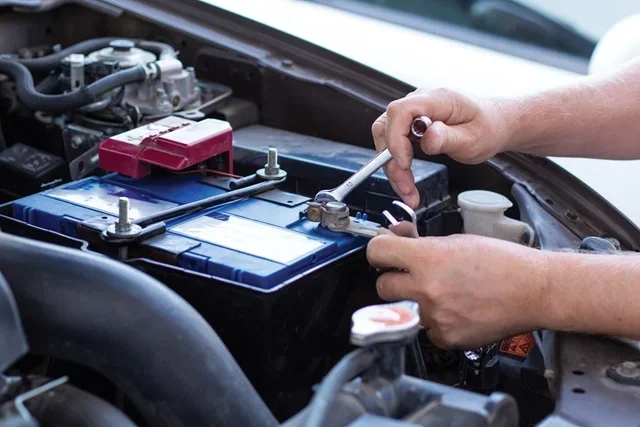
You will need a basic wrench, usually 10mm for the negative terminal. Some vehicles use different sizes, so check yours beforehand. Wear safety gloves and eye protection. Battery acid can be dangerous, and sparks can ignite hydrogen gas.
Step 2: Turn Off the Engine and All Accessories
Make sure the ignition is off. Turn off the radio, headlights, air conditioning, and everything else that draws power. This prevents electrical surges when you reconnect the battery.
Step 3: Disconnect the Negative Terminal First
Always disconnect the negative cable first. The negative terminal is marked with a minus sign and usually has a black cable. Loosen the nut and carefully lift the cable off the terminal. Tuck it away so it cannot accidentally touch the battery post again.
Step 4: Wait the Recommended Time
Leave the battery disconnected for at least 15 minutes. For best results, wait 30 minutes. Use this time to check your battery terminals for battery corrosion. White or greenish buildup on the terminals can cause connection problems and electrical issues.
Step 5: Reconnect the Negative Terminal
After waiting, put the negative cable back on the terminal. Tighten the nut securely. Make sure the connection is firm and there is no wiggling. A loose connection can cause all kinds of electrical gremlins.
Step 6: Start the Vehicle and Test
Turn the key and start your car. The check engine light may stay on for a few seconds after startup. This is normal. The ECM is running a self-check. If the light goes off after a few seconds, the codes were cleared. If it stays on or comes back after driving, the disconnect did not fully work or the underlying problem still exists.
What You Lose When You Disconnect the Battery
Clearing codes is not the only thing that happens when you disconnect the battery. You also lose a lot of other data that your vehicle has saved. Understanding these losses helps you decide if this method is worth it for your situation.
Lost Radio Presets and Settings
Your factory radio will forget all your preset stations. You will need to reprogram them after reconnecting the battery. If you have a premium audio system or a factory navigation unit, you may need a security code to unlock it again. Check your owner’s manual for this code before you disconnect anything.
Lost Clock and Date Settings
The clock in your dashboard will reset to midnight or a default time. This is a minor inconvenience, but it is annoying when you have to reset it every time. Some vehicles also lose date settings for things like oil change reminders and service interval tracking.
Lost Adaptive Fuel and Idle Learning
This is the big one that many people do not think about. Modern vehicles use adaptive learning to fine-tune engine performance. The ECM learns your driving habits over time. It adjusts fuel mixture, idle speed, and shift points based on your style. When you disconnect the battery, all of this learned data disappears.
After a battery disconnect, your car may idle rough for the first few miles. It might shift strangely or feel less responsive. The ECM needs time to relearn your driving patterns. This process is called relearn or adaptation reset. It usually takes 50 to 100 miles of driving for the system to fully recalibrate.
Power Window Calibration
Some vehicles need their power windows recalibrated after a battery disconnect. You may have to hold the window switch in the fully open position for several seconds to reset the auto-up/auto-down function. Check your owner’s manual for the specific procedure for your car.
When You Should NOT Disconnect the Battery
While disconnecting the battery is a simple trick, it is not always the right choice. There are several situations where you should skip this method and look for better options.
When the Check Engine Light Is Flashing
A flashing check engine light is a serious warning. It usually indicates a severe engine misfire that can damage your catalytic converter. Do not try to clear the codes and drive on. Get your vehicle inspected immediately. A battery disconnect will not fix an engine misfire, and ignoring it can lead to expensive repairs.
When You Need to Pass Emissions Testing
If you are trying to clear codes to pass an emissions test, a battery disconnect is not a good strategy. Most states require the vehicle to complete a full drive cycle before the OBD-II system is ready for testing. A freshly reset ECM will not be ready. You will fail the test and waste your time.
When You Have a Modern Luxury Vehicle
Luxury brands like BMW, Mercedes-Benz, Audi, and Volvo have very complex electrical systems. These vehicles use multiple control modules that communicate through a CAN bus network. Disconnecting the battery on these vehicles can cause all sorts of problems, from power window failures to climate control glitches. Always consult a professional for these cars.
When You Have an Electric or Hybrid Vehicle
Electric and hybrid vehicles have high-voltage battery systems in addition to the standard 12-volt battery. Disconnecting the 12-volt battery on these vehicles can trigger safety protocols and lock out certain systems. This is not a job for a DIY attempt. Always follow the manufacturer’s guidelines.
Better Alternatives to Reset Check Engine Codes
If you want to clear codes properly without the side effects of a battery disconnect, there are much better options available. These methods give you more control and keep your vehicle’s learned data intact.
Use an OBD-II Scanner
The best tool for clearing check engine codes is an OBD-II scanner. These devices plug directly into your vehicle’s diagnostic port, which is usually located under the dashboard on the driver’s side. Once plugged in, the scanner communicates with the ECM and reads all stored codes.
You can then choose to clear the codes through the scanner. This method is cleaner than a battery disconnect. The ECM acknowledges the command and erases the codes properly. Your radio presets, clock settings, and adaptive learning data stay intact.
OBD-II scanners range from cheap code readers for under $30 to professional-grade tools that cost hundreds. For most car owners, a basic code reader is all you need. It will read and clear codes, and some models even provide live sensor data and freeze frame data.
Use a Code Reader App
Many modern OBD-II scanners connect to your smartphone via Bluetooth. You download an app, pair the scanner, and read codes right from your phone. This is incredibly convenient and often cheaper than buying a standalone device. Some apps are free and work with basic Bluetooth adapters that cost around $10 to $20.
Visit a Auto Parts Store
Many auto parts stores like AutoZone, O’Reilly, and Advance Auto Parts will read and clear codes for free. They have professional-grade scanners that can handle most vehicles. This is a great option if you do not want to buy your own equipment.
Why Simply Clearing Codes Is Not Enough
Here is the most important thing to understand about check engine light repair. Clearing codes does not fix the problem. It only erases the warning. If the underlying issue is still present, the codes will return, and the check engine light will come back on.
For example, if your oxygen sensor is failing, clearing the code will turn off the light for now. But the sensor is still bad. It will continue to send incorrect data to the ECM. Within a few driving cycles, the code will return. You have just wasted your time and the problem is getting worse.
The same applies to loose gas caps, failing catalytic converters, worn spark plugs, or vacuum leaks. You need to diagnose and fix the root cause. Clearing codes is just the final step after the repair is complete. It resets the system so the ECM can monitor whether the fix worked.
Common Reasons Check Engine Codes Return
Here are some of the most common reasons why codes come back after you clear them:
- Loose or damaged gas cap: A loose gas cap is the number one cause of a check engine light. The EVAP system detects a leak and stores a code.
- Failing oxygen sensor: This sensor monitors exhaust gases. When it fails, fuel economy drops and emissions increase.
- Catalytic converter issues: A failing converter is expensive to replace and often triggers a P0420 code.
- Spark plug or ignition coil problems: Misfires damage the catalytic converter over time.
- Vacuum leaks: Cracked hoses or loose connections let unmetered air into the engine.
- Mass airflow sensor issues: A dirty or faulty MAF sensor causes poor fuel mixture and rough running.
In every case, the code is telling you something specific is wrong. Ignoring it or just clearing it without fixing the problem will cost you more money in the long run.
Common Mistakes People Make When Resetting Codes
There are several mistakes that car owners make when trying to reset check engine codes. Avoiding these pitfalls saves time, money, and frustration.
Clearing Codes Without Diagnosing First
The biggest mistake is clearing codes before reading them. The code itself is valuable information. It tells you what system or component triggered the warning. If you clear the code immediately, you lose that information before you can look it up or share it with a mechanic.
Always write down or photograph the codes before clearing them. Write them on a piece of tape stuck to the battery. This way, you have a record even if the codes clear.
Assuming the Light Being Off Means the Problem Is Fixed
Just because the check engine light is off does not mean everything is fine. The light could have been cleared artificially without any repair being done. Always verify that the repair was successful by monitoring the light over several driving cycles.
Disconnecting the Battery on Modern Vehicles Without Research
As mentioned earlier, modern vehicles can have unexpected reactions to a battery disconnect. Some systems need reprogramming after a power loss. Others may enter a limp mode that limits performance until a reset procedure is completed. Always check your owner’s manual or a trusted forum for your specific vehicle before disconnecting anything.
Using Cheap, Unreliable Scanners
If you go the scanner route, avoid the cheapest no-name devices. They may not support all vehicle protocols. They might give inaccurate readings or fail to clear certain codes properly. Invest in a reputable brand that is compatible with your vehicle.
Key Takeaways
- Battery disconnect can reset codes: Removing the battery connection clears power to the ECU, which may erase stored trouble codes and turn off the check engine light.
- It is not permanent: If the underlying problem still exists, the codes will return once you drive the vehicle again and the system detects the same fault.
- Data loss is a real risk: Disconnecting the battery can wipe radio presets, clock settings, power window calibration, and adaptive fuel trim values.
- Some newer vehicles resist this method: Many modern cars with complex computers may not fully clear codes through a simple battery disconnect.
- An OBD-II scanner is a better option: Using a diagnostic scanner lets you read and clear codes without losing other vehicle settings.
- Fix the root cause first: Simply clearing codes without repairing the problem will lead to the light coming back on quickly.
- Wait time matters: If you do disconnect the battery, leaving it disconnected for at least 15-30 minutes helps ensure the ECU fully resets.
Frequently Asked Questions
Will disconnecting the battery clear all check engine codes?
In many vehicles, yes. A battery disconnect cuts power to the ECM, which can erase stored trouble codes and turn off the check engine light. However, some newer vehicles have code retention features that prevent codes from being cleared by a simple power loss. The effectiveness depends on your car’s make, model, and year.
How long should I leave my battery disconnected to reset codes?
Most experts recommend leaving the battery disconnected for at least 15 to 30 minutes. This gives the capacitors in the ECM time to fully drain and ensures a complete reset. For best results, wait a full 30 minutes before reconnecting the battery.
Will disconnecting the battery erase my radio presets?
Yes, in most vehicles it will. Disconnecting the battery resets the entire electrical system, which means your radio presets, clock settings, and sometimes even power window calibration will be lost. Always note your radio security code before disconnecting the battery if your vehicle requires one.
Is it better to use an OBD-II scanner instead of disconnecting the battery?
Absolutely. An OBD-II scanner is the safer and more effective way to clear codes. It communicates directly with the ECM and clears codes properly without erasing your radio presets, clock settings, or adaptive learning data. A basic code reader costs under $30 and is a worthwhile investment for any car owner.
Can I drive my car after disconnecting the battery to reset codes?
Yes, you can drive immediately after reconnecting the battery. However, your vehicle may need some time to relearn its adaptive settings. You might notice rough idling or unusual shifting for the first 50 to 100 miles. This is normal and the system will recalibrate on its own with regular driving.
Why did my check engine light come back after I disconnected the battery?
If the check engine light returns after a battery disconnect, it means the underlying problem still exists. The engine control module detected the same fault again during normal driving. You need to diagnose and repair the actual issue, not just clear the codes again.
=== CONCLUSION ===
So, does disconnecting battery reset check engine codes? The answer is yes, it can, but it is not the best solution in most cases. A battery disconnect is a quick and dirty trick that works on some vehicles but fails on others. It also comes with real downsides like losing your radio presets, clock settings, and adaptive learning data. In modern vehicles, it may not even work at all.
The smartest approach is to use an OBD-II scanner to read and clear your codes properly. This method is clean, effective, and preserves all your vehicle settings. More importantly, it lets you see exactly what codes are stored so you can address the real problem.
Remember, clearing codes is not the same as fixing the problem. The check engine light is your vehicle’s way of telling you something needs attention. Whether it is a loose gas cap or a failing sensor, the code gives you a starting point for car maintenance and repairs. Take the time to diagnose the issue properly, fix it, and then clear the codes once the repair is complete.
Your car is a significant investment, and understanding how its systems work puts you in control. Next time that yellow light comes on, you will know exactly what to do and what not to do. Stay proactive, stay informed, and keep your vehicle running its best.