1990 Cars In India The Golden Era Of Indian Automobiles
The year 1990 marked a turning point for the Indian automobile industry, bringing a wave of new cars, rising ownership, and unforgettable models. From the Maruti 800 to the Hindustan Ambassador, these vehicles shaped how Indians traveled and lived. This article dives deep into the 1990 cars in India, their stories, and why they still matter today.
Walk down any Indian street in the early 1990s, and you would see a sea of 1990 cars in India that still live in the memories of millions. These were not just vehicles. They were companions, status symbols, and gateways to a new way of life. The Indian automotive industry was evolving fast, and the cars rolling out of factories were reshaping the country’s identity on wheels.
If you grew up in the 1990s, you probably remember the sound of a Maruti 800 engine or the sight of a Hindustan Ambassador cruising down a busy road. These classic cars India were more than metal and rubber. They represented progress, aspiration, and a simpler time. Today, the 1990s Indian cars story is one worth telling in full.
The golden era of Indian automobiles was not just about the cars themselves. It was about how they changed everyday life. Families bought their first vehicles. Road trips became possible. And a whole car culture India began to take shape. In this article, we will explore the most iconic 1990 cars in India, what made them special, and why they still hold a special place in the hearts of car lovers.
Key Takeaways
- 1990 was a pivotal year for the Indian car market, with new models and rising affordability.
- The Maruti 800 dominated the entry-level segment and changed car ownership forever.
- Iconic models like the Ambassador and Padmini defined Indian roads in the 1990s.
- Car culture in India grew rapidly, with enthusiasts forming clubs and events.
- Vintage 1990 cars are now collectibles, with growing interest among restoration fans.
- Maintenance and spare parts are still accessible for most 1990-era Indian vehicles.
- The golden era of Indian automobiles laid the foundation for today’s booming auto industry.
📑 Table of Contents
- Why 1990 Was a Turning Point for Indian Cars
- Iconic 1990 Cars In India That Defined an Era
- The Rise of Maruti and Mass Car Ownership
- How 1990 Cars in India Shaped the Automotive Culture
- Maintenance Tips for Owning a Vintage 1990 Car
- Why Collectors Still Love 1990 Cars in India Today
- Key Takeaways
- Conclusion
Why 1990 Was a Turning Point for Indian Cars
The year 1990 was a big deal for the Indian automobile industry. India was opening up its economy, and that meant more foreign investment, new technologies, and better cars for consumers. The car history India took a major turn during this period, moving away from the old license raj and toward a more competitive market.
The Economic Shift and Car Demand
Before 1990, owning a car in India was a dream for most families. The Indian car market was small, with only a few models available. But after the economic reforms, things changed fast. More companies entered the market, and prices became more affordable. The demand for 1990 cars in India grew quickly.
People wanted cars that were fuel efficient India style, reliable, and easy to maintain. The manufacturers listened. They started building vehicles that suited Indian roads and Indian budgets. This shift was the beginning of the mass car ownership India story that we know today.
Key Changes in the Auto Industry
Several important changes happened around 1990 that shaped the future of automotive golden era India:
- Liberalization policies opened doors for global car brands.
- Reduced import duties made car parts more affordable.
- New manufacturing plants increased production capacity.
- Rising middle class income created a huge new customer base.
- Better road infrastructure made car travel more practical.
All of these factors came together to create the perfect storm for 1990s Indian cars. The industry was ready to grow, and the cars were ready to be loved.
Iconic 1990 Cars In India That Defined an Era
When we talk about 1990 cars in India, a few names immediately come to mind. These were the vehicles that ruled the roads, the ones every kid stared at from the pavement. Let us take a closer look at the most iconic models India produced during this time.
The Maruti 800: The People’s Car
No discussion of 1990 cars in India is complete without the Maruti 800. Launched in 1983, it continued to dominate the Indian car market throughout the 1990s. It was small, affordable, and incredibly fuel efficient. For millions of Indian families, the Maruti 800 was their first car.
The Maruti Suzuki partnership with Suzuki Motor Corporation of Japan brought Japanese quality and reliability to India. The 800 used a simple carburetor engine that was easy to fix. Spare parts were available everywhere, from big cities to small towns. This made ownership a breeze.
By 1990, the Maruti 800 had become a symbol of Indian car ownership. It was not just a car. It was a statement that ordinary Indians could now afford to drive. The Maruti 800 price was kept low through smart manufacturing and government support.
The Hindustan Ambassador: The King of Indian Roads
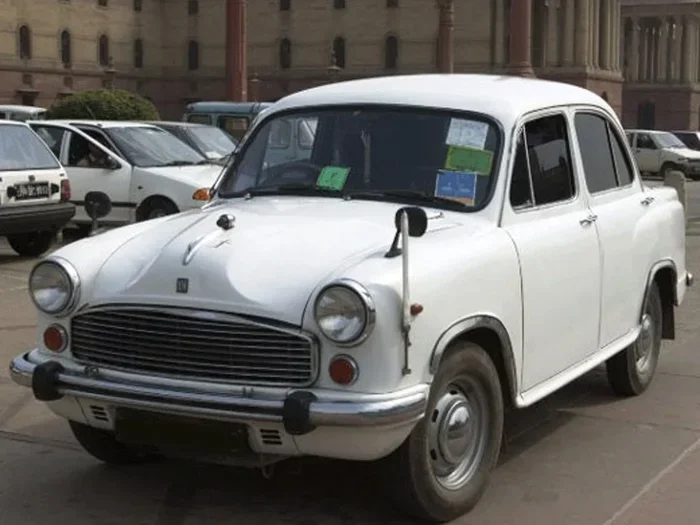
The Hindustan Ambassador was the undisputed king of Indian roads in the 1990s. Originally based on the Morris Oxford from the 1950s, the Ambassador evolved over the decades but kept its distinctive shape. By 1990, it was the go-to choice for taxi fleets, government officials, and families who wanted a spacious sedan.
The Ambassador was built to handle Indian roads like no other car. Its high ground clearance, sturdy build, and simple mechanics made it perfect for potholed streets and long highway drives. The Ambassador car India was more than a vehicle. It was a cultural icon.
In 1990, the Ambassador came with a 1.5-liter petrol engine that offered decent performance. It was not the fastest car on the road, but it was reliable and comfortable. Many taxi drivers still swear by the Ambassador today because of its durability and ease of repair.
The Premier Padmini: The Elegant Classic
The Premier Padmini was another beloved 1990 car in India. Based on the Fiat 1100, the Padmini was known for its elegant design and smooth ride. It was popular among families and professionals who wanted a refined driving experience.
The Padmini had a loyal fan base that still exists today. Vintage car collectors India often seek out the Padmini for its classic charm. The car was known for its excellent build quality and comfortable interiors, which were rare in that price range.
By 1990, the Padmini was facing stiff competition from the Maruti 800 and Ambassador. But it held its own thanks to its unique appeal. The Premier Padmini price was competitive, and its mechanical simplicity made it easy to maintain.
Other Notable 1990 Models
Beyond the big three, several other 1990s Indian cars made their mark:
- Maruti Zen – A sporty hatchback that appealed to young buyers.
- Hyundai Santro – A compact car that offered modern features.
- Tata Sierra – A rugged SUV that opened the door for Indian SUV culture.
- Mahindra Jeep – A legendary off-roader that was still going strong.
- Standard Herald – A classic sedan with a devoted following.
Each of these Indian car manufacturers contributed something unique to the 1990 car landscape India. Together, they created a diverse and exciting market that catered to every type of buyer.
The Rise of Maruti and Mass Car Ownership
The Maruti Suzuki story is central to understanding 1990 cars in India. Before Maruti, car ownership was limited to the wealthy few. But Maruti changed that by making cars accessible to the common Indian family.
How Maruti Changed the Game
Maruti was established in 1981 as a government-backed venture with Suzuki. The goal was simple: build an affordable car for the Indian masses. The result was the Maruti 800, which became an instant hit.
By 1990, Maruti had sold over a million cars. The company had a network of service centers across the country, making maintenance easy and affordable. The Maruti 800 reliability was legendary, and the car earned a reputation for being nearly indestructible.
The success of Maruti inspired other Indian car manufacturers to step up their game. Companies like Tata Motors, Mahindra, and Premier had to innovate and compete. This competition was great for consumers, as it led to better cars at lower prices.
The Affordable Car Dream
For most Indian families in the 1990s, buying a car was a major financial decision. The affordable cars India segment was dominated by the Maruti 800, which offered excellent fuel economy and low running costs. A family could own a Maruti 800 and still have money left over for other needs.
The car ownership India rate was still low compared to today, but it was growing fast. More and more people were entering the middle class, and a car was high on their wish list. The 1990 cars in India made that dream achievable.
How 1990 Cars in India Shaped the Automotive Culture
The impact of 1990 cars in India went beyond just transportation. These vehicles helped shape a whole car culture India that is still alive today. From car clubs to road trips, the 1990s were a formative period for Indian automotive enthusiasts.
Car Clubs and Enthusiast Communities
In the 1990s, car enthusiast India communities started forming around shared love for specific models. Maruti 800 clubs, Ambassador fan clubs, and Padmini owner groups began organizing meets and rallies. These communities brought together people from different backgrounds who shared a common passion.
These clubs also played a role in preserving vintage cars India heritage. They organized restoration workshops, shared spare parts information, and documented the history of Indian classic cars. Without these efforts, many 1990s Indian cars might have been lost to rust and neglect.
Road Trips and Family Adventures
The 1990s were the golden age of Indian road trips. Families would pack their Maruti 800 or Ambassador and set off on long journeys. The roads were not as developed as today, but the adventure was part of the fun.
Cars like the Maruti Gypsy and Mahindra Scorpio (which launched in 1996) opened up the countryside for exploration. These off-road vehicles India allowed families to reach places that were previously inaccessible. The 1990 car culture was about more than just driving. It was about the experiences the cars enabled.
The Influence on Modern Indian Cars
The lessons learned from 1990 cars in India continue to influence the modern Indian auto industry. The emphasis on fuel efficiency, affordable pricing, and easy maintenance that defined the 1990s is still at the core of Indian car design today.
Companies like Maruti Suzuki, Hyundai, and Tata have built on the foundation laid by their 1990s predecessors. The Indian car market is now one of the largest in the world, and it all started with the cars of 1990.
Maintenance Tips for Owning a Vintage 1990 Car
If you own or are thinking about buying a 1990 car in India, you need to know how to take care of it. These older vehicles require a different approach than modern cars. But with the right knowledge, keeping them running is entirely manageable.
Regular Maintenance Essentials
Here are some practical tips for maintaining 1990s Indian cars:
- Check the carburetor regularly – Most 1990 cars used carburetors instead of fuel injection. Keep it clean and adjusted properly.
- Change engine oil frequently – Older engines benefit from more frequent oil changes. Use the grade recommended by the manufacturer.
- Inspect the electrical system – Wiring in 1990 cars can deteriorate over time. Check for frayed wires and loose connections.
- Keep the cooling system in good shape – Overheating is a common issue with older engines. Flush the radiator and check hoses regularly.
- Use genuine or quality spare parts – Cheap parts can cause more problems than they solve. Stick to trusted brands and dealers.
Finding Spare Parts Today
One of the biggest concerns with owning vintage 1990 cars India is parts availability. The good news is that most 1990 cars in India still have a healthy supply of spare parts. Maruti, Ambassador, and Padmini parts are widely available in markets across the country.
You can find parts at dedicated auto spare parts India shops, online marketplaces, and specialized vintage car dealers. Joining a car club India is also a great way to connect with other owners who can help you source hard-to-find components.
Common Mistakes to Avoid
Owning a 1990 car in India comes with its challenges. Here are some common mistakes to avoid:
- Neglecting regular servicing – Skipping maintenance will lead to bigger problems and higher costs down the road.
- Using modern fuels without checking compatibility – Some older engines may not handle modern fuel formulations well.
- Ignoring rust – Indian weather can accelerate rust. Address any rust spots immediately before they spread.
- Overloading the vehicle – Older suspension systems were not designed for heavy loads. Stay within the recommended weight limits.
- Driving aggressively – Gentle driving extends the life of older engines and transmissions.
Why Collectors Still Love 1990 Cars in India Today
The 1990 cars in India are not just relics of the past. They are actively sought after by collectors and enthusiasts. The vintage car market India has grown significantly in recent years, and 1990-era vehicles are at the heart of this trend.
The Nostalgia Factor
For many Indians, 1990 cars in India represent a time of simplicity and innocence. These were the cars their parents drove, the cars they learned to ride in as children. The nostalgia value of these vehicles is enormous, and it drives demand among collectors.
Owning a Maruti 800 or Ambassador from the 1990s is like owning a piece of Indian history. These cars connect us to our roots and remind us of a time when life was simpler.
Investment Potential
Beyond nostalgia, 1990s Indian cars are also seen as potential investments. Well-maintained examples of rare models can fetch good prices in the classic car market India. The Maruti 800 variants, Ambassador Ambas, and limited-edition models are particularly sought after.
The growing interest in Indian classic cars has led to the emergence of specialized restoration services and valuation experts. If you are thinking of buying a vintage 1990 car India as an investment, it is wise to do your research and buy from reputable sources.
The Future of 1990 Car Collecting
The future looks bright for 1990 cars in India collectors. As more people discover the charm and character of these vehicles, demand is expected to grow. The Indian automotive heritage is rich and diverse, and these cars are a vital part of that legacy.
Car shows, rallies, and exhibitions featuring 1990s Indian cars are becoming more popular across the country. Events like the Vintage and Classic Car Club India rallies attract hundreds of enthusiasts every year. The car culture India is thriving, and the 1990s are a central chapter in that story.
Key Takeaways
- 1990 was a pivotal year for the Indian car market, with new models and rising affordability.
- The Maruti 800 dominated the entry-level segment and changed car ownership forever.
- Iconic models like the Ambassador and Padmini defined Indian roads in the 1990s.
- Car culture in India grew rapidly, with enthusiasts forming clubs and events.
- Vintage 1990 cars are now collectibles, with growing interest among restoration fans.
- Maintenance and spare parts are still accessible for most 1990-era Indian vehicles.
- The golden era of Indian automobiles laid the foundation for today’s booming auto industry.
Conclusion
The 1990 cars in India represent a truly special chapter in the nation’s automotive story. These were the years when the Indian automobile industry found its footing, when cars became accessible to ordinary families, and when a unique car culture India began to flourish. From the Maruti 800 to the Hindustan Ambassador, each model told a story of ambition, innovation, and connection.
Today, these 1990s Indian cars are more than just old vehicles. They are living pieces of history. They remind us of where we came from and how far we have come. Whether you are a collector, a restorer, or simply someone who appreciates the golden era of Indian automobiles, the cars of 1990 deserve your attention and respect.
If you have ever owned or driven a 1990 car in India, you know the feeling. That rumble of the engine, the smell of the interior, the way it hugged the road. These cars were not perfect, but they were real. And that is exactly why they will always hold a special place in the hearts of Indians everywhere. Take the time to learn about them, appreciate them, and if you can, keep one on the road. The golden era of Indian automobiles is alive, and it starts with the cars of 1990.
Frequently Asked Questions
What were the most popular 1990 cars in India?
The Maruti 800, Hindustan Ambassador, and Premier Padmini were the three most popular 1990 cars in India. These vehicles dominated the market and became symbols of Indian car ownership during the decade.
Why are 1990 cars in India considered a golden era?
The year 1990 marked a turning point for the Indian automobile industry. Economic liberalization brought new models, better affordability, and rising car ownership. The 1990s Indian cars laid the foundation for the modern Indian auto market we see today.
Are spare parts still available for 1990 cars in India?
Yes, spare parts for most 1990 cars in India are still widely available. Maruti, Ambassador, and Padmini parts can be found in auto markets across the country. Many vintage car clubs India also help owners source rare components.
Can I still buy a 1990 car in India today?
Absolutely. The vintage car market India has many 1990s Indian cars available for sale. You can find them through online marketplaces, specialized dealers, and car enthusiast groups. Always inspect the vehicle carefully before buying.
What makes 1990 cars in India good collectibles?
1990 cars in India are collectible because of their nostalgia value, historical significance, and growing interest in Indian classic cars. Well-maintained models can also appreciate in value over time, making them a smart investment for enthusiasts.
How do I maintain a vintage 1990 car in India?
Regular servicing, using quality spare parts, and gentle driving are key to maintaining a 1990 car in India. Focus on the carburetor, engine oil, electrical system, and cooling system. Joining a car club India can also provide valuable maintenance tips and support.