Is It Safe to Drive With the Check Engine Light On
The check engine light is one of the most common dashboard warnings drivers face. In many cases, you can still drive a short distance when the light is solid, but a flashing light demands immediate attention. Understanding what triggers this warning and how serious it is can save you from costly repairs and keep you safe on the road. This guide breaks down everything you need to know about the check engine light and driving safely.
Key Takeaways
- A solid check engine light: Usually means a minor issue, but you should get it checked soon.
- A flashing check engine light: Signals a serious problem. Stop driving and get help right away.
- A loose gas cap: Is one of the most common and easiest fixes for this warning light.
- OBD-II scanners: Let you read diagnostic trouble codes at home and understand the issue faster.
- Ignoring the light: Can lead to expensive repairs, including damage to the catalytic converter.
- Regular vehicle maintenance: Helps prevent check engine light issues before they start.
📑 Table of Contents
- What Does the Check Engine Light Mean?
- Can You Safely Drive With the Check Engine Light On?
- Common Reasons the Check Engine Light Comes On
- Solid vs. Flashing: Understanding the Severity
- What to Do When the Check Engine Light Turns On
- How to Prevent Check Engine Light Problems
- Can You Reset the Check Engine Light Yourself?
- How the Check Engine Light Relates to Emissions Testing
- Expert Insights on the Check Engine Light
- Key Takeaways
- Conclusion
What Does the Check Engine Light Mean?
The check engine light is part of your car’s onboard diagnostics system. It sits on your dashboard and watches over your engine and emissions system. When something goes wrong, the light turns on to warn you.
Your car has a computer called the Engine Control Unit, or ECU. This computer monitors dozens of sensors throughout the vehicle. If a sensor detects a problem outside normal ranges, it stores a code. That code triggers the check engine light on your dashboard.
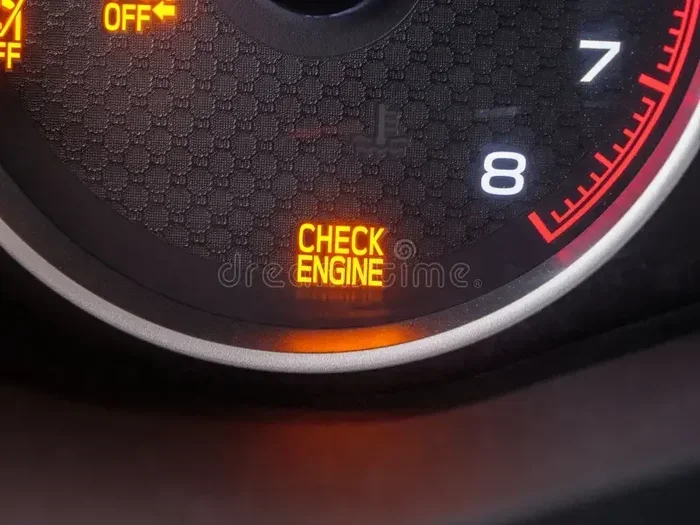
The light can look different depending on your car. Some vehicles show a yellow engine shape. Others display the words “Check Engine” or “Service Engine Soon.” No matter the shape, the meaning is the same. Something in your car needs attention.
The good news is that the light gives you clues about how urgent the problem is. A steady light usually means a less urgent issue. A blinking or flashing light means you need to act fast. We will cover this difference in detail later.
Many drivers ignore the check engine light for weeks or even months. That is a risky habit. Even if your car seems to run fine, the underlying problem can get worse over time. Catching issues early saves money and keeps you safe.
Can You Safely Drive With the Check Engine Light On?
The short answer is: it depends. The answer hinges on a few key factors. Let us break them down so you know exactly what to do.
When It Is Safe to Keep Driving
If the check engine light is solid and your car drives normally, you have some breathing room. You can drive to a nearby mechanic or auto parts store. Just avoid long road trips until the issue is diagnosed.
Common minor causes include a loose fuel cap or a sensor glitch. These issues do not usually affect how your car runs. Your engine performance might stay normal, and the car may shift gears without any problems.
Even so, you should not ignore a solid light. Get the car scanned for diagnostic trouble codes within a few days. A quick scan at an auto parts store is often free. This small step can reveal a lot about what is going on.
When You Should Stop Driving
If the check engine light is flashing, do not keep driving. A flashing check engine light means a severe problem. The most common cause is an engine misfire. When unburned fuel enters the exhaust system, it can damage the catalytic converter.
A damaged catalytic converter is expensive to replace. In some cases, the cost exceeds the value of the car. Pull over safely and call for a tow. This is not a situation where you want to push your luck.
Other serious causes include a failing fuel pump or a major sensor failure. If you notice any of these symptoms, stop driving immediately:
- Loss of power: The engine feels weak or sluggish.
- Strange noises: Knocking, pinging, or grinding sounds from the engine.
- Overheating: The temperature gauge rises into the red zone.
- Smoke or fumes: You see smoke coming from the hood or exhaust.
- Stalling: The engine shuts off unexpectedly.
Trust your instincts here. If something feels wrong, pull over. It is always better to be safe than sorry.
Common Reasons the Check Engine Light Comes On
Understanding the most common causes helps you figure out how serious the issue might be. Here are the top reasons the check engine light turns on.
Loose or Damaged Gas Cap
A loose fuel cap is the number one reason the check engine light comes on. The cap seals your fuel system and keeps pressure in the tank. When it is loose or cracked, fuel vapors escape. This triggers a leak in the evaporative emissions system.
The fix is simple and free. Just tighten the cap until you hear it click. If the cap is damaged, replace it. A new fuel cap costs only a few dollars at any auto parts store.
After tightening or replacing the cap, drive for a few cycles. The light should turn off on its own within a day or two. If it does not, you need a deeper diagnosis.
Faulty Oxygen Sensor
The oxygen sensor measures how much oxygen is in your exhaust. It helps the engine control unit adjust the fuel mixture. When the sensor fails, your car burns too much fuel or runs too lean.
A bad oxygen sensor hurts your fuel economy over time. You might notice you are filling up more often. It can also damage other parts of the exhaust system if left unchecked. Replacing an oxygen sensor is a common and affordable repair.
Catalytic Converter Failure
The catalytic converter reduces harmful emissions from your exhaust. It converts carbon monoxide into carbon dioxide. Over time, it can clog or fail, especially if you ignore smaller problems first.
A failing catalytic converter is one of the most expensive repairs on this list. The part alone can cost several hundred dollars. Labor adds more to the bill. This is why it is so important to address check engine light warnings early.
Engine Misfire
An engine misfire happens when one or more cylinders fail to fire properly. You might feel a rough idle or a hesitation when you accelerate. Misfires can damage your catalytic converter quickly.
Common causes of a misfire include worn spark plugs, bad ignition coils, or clogged fuel injectors. Replacing spark plugs is one of the cheapest maintenance tasks you can do. A set of new plugs costs under thirty dollars for most cars.
Mass Airflow Sensor Issues
The mass airflow sensor tells the engine how much air is coming in. It helps the ECU calculate the right fuel amount. When this sensor gets dirty or fails, your engine runs poorly.
You might notice reduced fuel economy or rough idling. Sometimes the car will hesitate when you step on the gas. Cleaning the sensor with a special cleaner can fix the problem. If cleaning does not work, the sensor needs to be replaced.
Solid vs. Flashing: Understanding the Severity
The way the check engine light behaves tells you a lot about the urgency. Here is how to read the signals your car is sending you.
Solid Check Engine Light
A solid check engine light means there is a problem, but it is not an emergency. The issue could be something minor like a loose gas cap. Or it could be a sensor that needs replacing.
With a solid light, you have time to plan your next move. Schedule a diagnostic test at a repair shop. Drive carefully and avoid heavy acceleration. Keep an eye on how the car feels and sounds.
Do not let a solid light linger for too long. What starts as a small issue can grow into a big problem. For example, a failing oxygen sensor can eventually hurt your catalytic converter.
Flashing Check Engine Light
A flashing check engine light is a red flag. It means the problem is serious and needs immediate attention. The most common cause is an active engine misfire that is damaging your exhaust system.
When the light flashes, stop driving as soon as it is safe to do so. Turn off the engine and call for roadside assistance. Continuing to drive with a flashing light can turn a small repair into a very expensive one.
Here is a quick comparison of the two light types:
| Light Type | Severity Level | Action Needed | Typical Cause |
|---|---|---|---|
| Solid | Low to Moderate | Schedule a diagnostic within days | Loose gas cap, faulty sensor |
| Flashing | High | Stop driving and get towed | Engine misfire, catalytic damage |
Keep in mind that every car is different. Some vehicles flash the light for any serious issue, while others only use it for the most critical problems. When in doubt, err on the side of caution.
What to Do When the Check Engine Light Turns On
Now you know what the light means and how serious it might be. Here is a step-by-step plan for what to do when it comes on.
Step 1: Check the Gas Cap
Before you panic, pull over and check your fuel cap. Make sure it is tightened properly. If it is loose, tighten it and drive for a few days. Watch to see if the light goes away.
This is the easiest and cheapest fix. Many people skip this step and end up spending money on unnecessary repairs. Always start with the simplest explanation.
Step 2: Get a Diagnostic Scan
If the light stays on after checking the cap, get a diagnostic scan. You have a few options:
- Auto parts stores: Many stores like AutoZone or O’Reilly offer free scans.
- OBD-II scanner: You can buy a basic scanner for under fifty dollars. Plug it into the port under your steering column and read the codes yourself.
- Mechanic or dealership: A professional can read the codes and give you a detailed diagnosis.
The codes you get are called diagnostic trouble codes, or DTCs. Each code points to a specific problem area. For example, code P0420 means the catalytic converter efficiency is below threshold.
Step 3: Assess the Severity
Once you have the codes, decide how urgent the issue is. If the light is flashing, do not drive the car. Call a tow truck and head to a repair shop.
If the light is solid and the car runs fine, you can drive a short distance. Just keep your speed moderate and avoid heavy loads. Head to a mechanic within a few days.
Step 4: Get the Repair Done
Do not delay the repair once you know what the problem is. Ignoring it will almost always make things worse. A small fix today can prevent a major repair tomorrow.
Get quotes from at least two repair shops if the estimate seems high. Prices can vary significantly between shops. But remember, the cheapest option is not always the best. Look for shops with good reviews and certified mechanics.
How to Prevent Check Engine Light Problems
Prevention is always better than cure when it comes to your vehicle. Here are some simple habits that keep the check engine light off.
Keep Up With Regular Maintenance
Follow your vehicle’s maintenance schedule to the letter. Change your oil on time, replace air filters, and swap out spark plugs when recommended. These small tasks keep your engine running smoothly and prevent many common issues.
Use Quality Fuel
Cheap or low-quality fuel can cause problems with your fuel system and sensors. Try to fill up at reputable gas stations. If you notice the check engine light after filling up, it could be a fuel quality issue.
Tighten the Gas Cap After Every Fill-Up
Make it a habit to tighten the fuel cap every time you refuel. A loose cap is the easiest problem to prevent. And it is one of the most common reasons the check engine light comes on.
Address Small Issues Early
If you notice anything off about your car’s performance, do not wait. A slight hesitation when accelerating or a rough idle could signal a problem. Early detection keeps repairs small and affordable.
Can You Reset the Check Engine Light Yourself?
Some people wonder if they can just clear the light and move on. The answer is yes, but with a big caveat. You can use an OBD-II scanner to erase the codes and turn off the light.
Here is the problem: if the underlying issue is not fixed, the light will come back. In many modern cars, the light will return within a few driving cycles. And in some states, it is actually illegal to drive with the light off if the problem has not been repaired.
Resetting the light without fixing the problem is like hiding a warning sign. It does not make the issue go away. It just removes the notification. Always diagnose and fix the root cause first.
There is one exception. If you have fixed the problem, such as replacing a loose gas cap, you can reset the light to confirm the fix worked. The light should stay off after the reset if the repair was successful.
How the Check Engine Light Relates to Emissions Testing
If you live in a state that requires emissions testing, the check engine light can cause you to fail. Most states will automatically fail a vehicle if the check engine light is on during inspection.
This is because the light indicates a problem with the emissions system. A car that fails emissions testing releases more pollutants into the air. Fixing the issue before your test saves you from having to retake the inspection.
Common emission-related causes include a faulty oxygen sensor, a leaking gas cap, or a misfire. Addressing these issues early keeps your car compliant and your conscience clear.
Expert Insights on the Check Engine Light
Experienced mechanics agree on one thing: never ignore the check engine light. Even if your car seems fine, the light is trying to tell you something. Here is what the pros have to say.
“The check engine light is your car’s way of communicating with you,” says veteran mechanic Mike Torres. “I have seen drivers ignore it for months and end up with a thousand-dollar repair that could have been a fifty-dollar fix.”
Another common mistake drivers make is assuming the light means the engine is about to explode. That is almost never the case. Most check engine light issues are minor and easily fixed. The key is to get a diagnosis quickly so you know what you are dealing with.
Technology has made it easier than ever to understand what your car is telling you. A basic OBD-II scanner costs less than fifty dollars and gives you the same codes a mechanic reads. This puts the power of diagnosis in your hands.
Key Takeaways
- A solid check engine light: Usually means a minor issue, but you should get it checked within a few days.
- A flashing check engine light: Signals a serious problem. Stop driving and get help right away.
- A loose gas cap: Is one of the most common and easiest fixes for this warning light.
- OBD-II scanners: Let you read diagnostic trouble codes at home and understand the issue faster.
- Ignoring the light: Can lead to expensive repairs, including damage to the catalytic converter.
- Regular vehicle maintenance: Helps prevent check engine light issues before they start.
- Emissions testing: A lit check engine light will almost always cause you to fail an inspection.
Conclusion
So, can you drive with the check engine light on? The answer is: sometimes, but with caution. A solid light gives you a little time to get the car diagnosed. A flashing light means you need to stop driving and get help immediately.
The most important thing is to never ignore the light. Your car uses the check engine light to communicate problems before they become serious. Listening to it early saves you money, keeps you safe, and extends the life of your vehicle.
Take a few minutes to understand what the light means. Invest in a basic OBD-II scanner or visit a local auto parts store for a free diagnostic. These small steps make a huge difference in how you care for your car.
The next time the check engine light comes on, you will know exactly what to do. Stay calm, assess the severity, and take action. Your car and your wallet will thank you.
Frequently Asked Questions
Can I drive 50 miles with the check engine light on?
If the light is solid and your car drives normally, a short trip of 50 miles is usually safe. However, you should get the car scanned for codes as soon as possible. Avoid highway driving or heavy acceleration until the issue is diagnosed.
What is the most common reason the check engine light comes on?
A loose or damaged gas cap is the most common cause. It is also the easiest to fix. Simply tightening the cap or replacing it often turns the light off within a day or two of driving.
Will the check engine light turn off by itself?
Yes, in some cases. If the issue was temporary, such as a loose gas cap, the light may turn off after a few driving cycles. However, if the underlying problem persists, the light will come back on again.
How much does it cost to diagnose a check engine light?
Many auto parts stores offer free diagnostic scans. If you visit a mechanic, the diagnostic fee typically ranges from 50 to 150 dollars. This cost is often waived if you proceed with the repair at the same shop.
Can low oil cause the check engine light to come on?
Low oil usually triggers a separate warning light, not the check engine light. However, very low oil pressure can sometimes cause the check engine light to illuminate. Always check your oil level if you notice any dashboard warning lights.
Is it safe to drive long distances with the check engine light on?
It depends on the severity. If the light is solid and the car runs smoothly, a moderate drive is usually okay. But if the light is flashing, your car stalls, or you notice a loss of power, do not drive far. Call for a tow truck instead.